
If you’ve been pacing the hallway at 3 a.m. wondering whether calming chews for senior dogs or an anxiety wrap will finally quiet your old dog’s nighttime barking, here’s the honest answer: it depends on what’s actually driving the barking, and most families need to know both tools before they can make that call. Chews tend to work slower but last longer. Wraps work almost instantly but wear off the moment you take them off. Neither one fixes the barking if the real cause is pain, vision loss, or a bladder infection your dog can’t tell you about.
I’ve sat on the floor of Woody’s Place at 2 a.m. more nights than I can count, one hand on an old shepherd’s chest, feeling that racing heartbeat settle under my palm. Senior dog nighttime barking isn’t a training problem most of the time. It’s a nervous system that’s lost its bearings in the dark. Our job is to figure out why, then choose the tool that actually meets that need.
Why Nighttime Barking Spikes in Senior Dogs
Cognitive dysfunction syndrome (CDS), the canine version of dementia, is a huge piece of this puzzle. A UC Davis study found that CDS affects roughly 28% of dogs aged 11 to 12, and that number climbs to a heartbreaking 68% in dogs aged 15 to 16. That’s not a small footnote. That’s most of our oldest dogs.
CDS often shows up as “sundowning,” a term borrowed from human dementia care. As daylight fades, confusion rises. Dogs pace. They stare at walls. They bark at nothing you can see, and honestly, that’s because in their mind, something IS there, or something familiar has gone missing. The house they’ve lived in for twelve years suddenly feels foreign after dark.
Other culprits stack on top of CDS:
- Arthritis pain that flares when they lie still too long
- Vision loss that makes shadows and sounds feel threatening
- Hearing decline that leaves them startled by vibrations they can’t place
- Separation anxiety that intensifies once a dog can no longer track your movement by sight or scent as easily
This is why I always tell people: don’t just reach for a product before you’ve ruled out a body that’s hurting. A senior dog’s nighttime barking is communication, not defiance.

How Calming Chews Work for Senior Dogs
Calming chews for senior dogs typically rely on a small handful of ingredients that support the body’s own calming chemistry rather than sedating the dog into silence. L-theanine, an amino acid found in green tea, supports GABA activity in the brain, the same neurotransmitter system that helps quiet racing thoughts. Melatonin helps regulate circadian rhythm, which matters enormously for a dog whose internal clock has gone sideways from CDS. Some formulas also include hemp-derived compounds, which many pet parents report help with general tension, though the research here is still catching up to the anecdotes. Here’s the practical piece nobody tells you upfront: calming chews for senior dogs generally take 30 to 60 minutes to take effect. That means timing matters. If your dog starts pacing at 9 p.m. and you hand over a chew at 9 p.m., you’re not getting help until closer to 10. Give it before the typical pacing window starts, not after the barking has already begun.
Calming chews for senior dogs work best for dogs with a fairly predictable pattern to their anxiety. If your old dog reliably gets restless around the same time each evening, that predictability is your advantage. You can dose ahead of the storm instead of chasing it.
How Anxiety Wraps Work
Anxiety wraps use deep pressure therapy, essentially a gentle, constant hug around the torso. The idea borrows from swaddling infants and from pressure vests used in human sensory therapy. The ASPCA has referenced pressure-based calming tools as a legitimate option for dogs with situational anxiety, noting that consistent, gentle pressure appears to lower cortisol and heart rate in many dogs. Unlike chews, a wrap works on contact. There’s no waiting for digestion, no onset window. You put it on, and within minutes many dogs visibly soften, that tight, alert posture melting into something closer to rest.
The tradeoff is that a wrap only works while it’s on. It’s not doing anything for the underlying anxiety once removed, and some dogs need a few sessions to get used to the feeling of something snug around their body. A dog with arthritis or spinal sensitivity may resist a wrap that presses on a sore area, so fit and material matter more with seniors than with younger dogs.
Temperature regulation is worth mentioning too, since older dogs run colder overnight and a wrap that’s snug but breathable helps avoid overheating during a long stretch of sleep.
An old dog barking in the dark isn’t being difficult. She’s telling you something feels wrong, and it’s on us to listen closely enough to figure out what.
Calming Chews vs Anxiety Wraps: Head-to-Head for Nighttime Barking
When you line them up side by side for senior dog nighttime barking specifically, the differences become pretty clear. Chews suit chronic, predictable restlessness. Wraps suit acute, situational spikes, like a thunderstorm rolling through or a sudden change in routine.

| Feature | Calming Chews | Anxiety Wrap | Price Tier |
|---|---|---|---|
| Onset Time | 30-60 minutes | Immediate to a few minutes | $ – $$ |
| Duration of Effect | 4-8 hours, ideal for overnight | Only while worn | $$ – $$$ |
| Best For | Chronic CDS-driven restlessness | Situational anxiety (storms, travel, vet visits) | $$ |
| Ease of Use | Very easy, treat-based | Requires proper fitting each use | $ – $$ |
| Ongoing Cost | Recurring purchase needed | One-time purchase, reusable | $$ – $$$ |
| Works With Arthritis | Yes, no physical contact needed | Depends on fit and pressure points | $ – $$$ |
If your dog’s barking is tied to genuine cognitive decline, something we cover in more depth in our piece on 7 Best Calming Aids for Senior Dogs Who Bark at Night, the slower, steadier support of a chew often fits better into a nightly routine than a wrap you’d need to apply and remove daily.
Combining Both Safely, and When to Call the Vet
You don’t have to pick just one. Plenty of families at Woody’s Place use both: a chew given ahead of the evening restlessness window, layered with a wrap during a rough patch like a storm or a stretch of house guests. Used together, you get the fast relief of pressure therapy while the chew’s calming compounds build toward their own effect. If you’re weighing which single tool to lean on long term, our comparison on Thundershirt vs Calming Chews for Senior Dogs: What Works breaks down real-world results from families managing both chronic and situational anxiety.
But here’s where I need you to really hear me. Calming chews for senior dogs and anxiety wraps are not substitutes for a vet visit. Nighttime barking that’s new, sudden, or paired with other changes deserves a real diagnostic look, not just a product from a shelf. Red flags that mean this is more than anxiety:
- Pain signals like yelping when touched, reluctance to lie down, or stiffness getting up
- Urinary accidents or frequent urination, which can point to a UTI causing restlessness and discomfort
- Bumping into furniture or walls, a sign of vision loss making the dark house feel unfamiliar and unsettling
- Disorientation during the day too, not just at night, which leans more toward advancing CDS
According to the American Kennel Club, cognitive dysfunction symptoms often overlap with other medical conditions, which is exactly why a vet exam matters before you settle on any single fix. This is a sacred trust we hold with these dogs. They gave us their whole lives. The least we owe them is patience enough to find out what’s actually wrong before we reach for the easiest answer.
Small Comforts That Support Calm, Cozy Nights
Beyond the two main tools, little comfort upgrades matter more than people expect for a senior dog already struggling to settle. Dental discomfort is an under-discussed source of nighttime restlessness, since a sore mouth can keep a dog shifting and pacing instead of resting. Something like the Googipet Dental Powder for Dogs Teeth Cleaning can support oral health as part of a broader comfort routine, easing one more source of low-grade irritation that might be feeding the barking.

- DENTAL CARE YOUR DOG NEEDS: 80% of dogs over the age of 2 show signs of poor dental health? Luckily, easy dental care is…
- Googipet’s dental powder is made with only 6 all natural active ingredients that you can actually pronounce!
- FORMULATED BY EXPERTS, TRUSTED BY PET PARENTS: Developed by a PhD Animal Nutritionist and approved by veterinarians, thi…

- 【Size Note】L size dog pajamas for small breeds only.Please check the size chart (measure chest, neck & back length). Pri…
- 【Tip】 For short-legged breeds like Dachshunds: If the sleeves are too long when chest/back fit well, simply roll or trim…
- 【Soft & Breathable Fabric】 Pajamas for dogs made of stretchy lightweight fabric for easy wear. Keeps pets warm in AC/col…
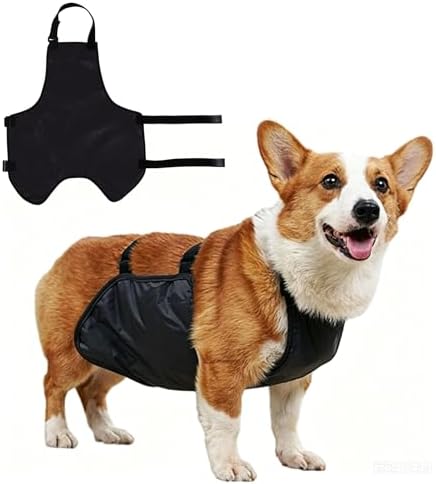
- Waterproof & Breathable Fabric:Crafted from premium waterproof polyester material with good air permeability. It won’t m…
- Targeted Chest & Belly Protection:Specially designed for short-legged dogs like Corgis. It focuses on shielding the ches…
- Convenient for Free Movement & Excretion:The reasonable cut won’t restrict your dog’s daily activities. It features a pr…
What I’ve Learned Sitting Up With Old Dogs
*Every dog at Woody’s Place has taught me the same lesson eventually*: calm isn’t something you force into a dog. It’s something you build around them, night after night, choice after choice. Some of our shepherds needed the pressure wrap during their first hard winter with us. Others needed the slow, steady support of a chew given an hour before dusk, every single evening, without fail. A few needed both, plus a vet visit that finally uncovered the arthritis pain nobody had caught yet. **Patience with your own dog is not a luxury here. It’s the whole job.** Whichever tool you reach for, give it real time to prove itself before you decide it isn’t working, and never let a product replace a real conversation with your vet when something about your dog’s nights feels genuinely off.
Are calming chews safe for senior dogs with other health conditions?
Most calming chews for senior dogs are formulated with gentle, low-dose ingredients like L-theanine and melatonin, but dogs on other medications or with liver or kidney issues should only start a new chew after a vet check. Always ask your vet before combining calming chews for senior dogs with prescription anxiety medication or pain management drugs.
Can an anxiety wrap be left on all night?
Most manufacturers recommend against leaving an anxiety wrap on for extended unsupervised periods, especially overnight, since skin irritation or overheating can develop. It’s generally safer to use the wrap during the peak restlessness window and remove it once your senior dog has settled into deeper sleep.
How long does it take to see results from calming chews for senior dogs?
Individual doses typically take 30 to 60 minutes to take effect, but the full behavioral benefit of calming chews for senior dogs often builds over one to two weeks of consistent nightly use, since ingredients like melatonin help retrain circadian rhythm over time rather than acting as an instant switch.
Could my senior dog’s nighttime barking be something more serious than anxiety?
Yes, and this is worth taking seriously. Pain from arthritis, vision loss, urinary tract infections, and advancing cognitive dysfunction syndrome can all cause nighttime barking that looks like simple anxiety. If the barking is new, worsening, or paired with disorientation or accidents in the house, schedule a vet exam before relying solely on calming chews for senior dogs or an anxiety wrap.
Whatever tool you land on, give your old dog the grace of consistency and the dignity of being truly seen, not just managed. These golden years move fast, and every calm, quiet night together is one worth protecting. Tell your pup I said Hi! — Dawn