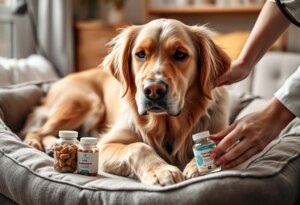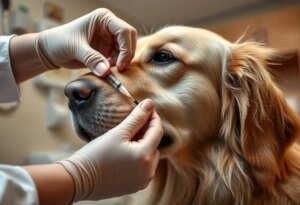
Cloudy eyes dogs develop as they age look alarming, but in most cases the cloudiness itself is not the crisis owners assume it to be. As a behaviorist, I spend a fair amount of clinic time reassuring pet parents that a hazy, blue-gray lens is not the same thing as blindness, and that the real diagnostic work is figuring out which of several distinct ocular processes is actually occurring before reaching for any product. The confusion is understandable. From the outside, a cataract and a normal aging lens look nearly identical to an untrained eye. From a clinical standpoint, they are entirely different conditions with different prognoses, and mixing them up leads owners to either panic unnecessarily or, worse, ignore a genuine problem that needs a veterinary ophthalmologist.
The Ethology of Ocular Change: Nuclear Sclerosis vs. Cataracts
Nuclear sclerosis is a hardening and compaction of lens fibers that occurs as new fiber layers form throughout a dog’s life, compressing older fibers toward the center. This process is functionally universal. VCA Hospitals’ veterinary ophthalmology data indicates that nuclear sclerosis affects nearly 100% of dogs over age 9, which means if your senior dog’s eyes have taken on that characteristic bluish haze, you are observing a normal biological event rather than a disease process. Vision is minimally affected in the vast majority of cases. Dogs with pure nuclear sclerosis navigate furniture, catch treats, and track moving hands with the same competence they had at age four, because light still passes through the lens with only mild scatter.
Cataracts are a different mechanism entirely. Instead of compaction, cataracts involve a breakdown of lens protein structure and fluid accumulation between fibers, which creates opaque, white patches rather than the even blue-gray haze of sclerosis. Cataracts do impair vision, sometimes severely, and unlike nuclear sclerosis, they can progress to functional blindness. The owner misconception I correct most often in behavior consults is the assumption that any cloudiness equals a vision problem. The data does not support that generalization. Distinguishing the two conditions changes everything about how you should respond, which is why the next step is a structured look rather than a guess.
Diagnostic Differentiation Protocol for Senior Dog Eye Care
Before assuming the worst, or dismissing a real issue, run through this checklist. It will not replace an ophthalmic exam, but it gives you functional data to bring to your veterinarian.
- Color and texture: Nuclear sclerosis presents as a uniform, translucent blue-gray haze centered in the lens. Cataracts appear as opaque white or chalky patches, sometimes localized to one area of the lens.
- Onset speed: Sclerosis develops gradually over years. A cataract that appears or worsens over days to weeks (common in diabetic dogs) warrants prompt evaluation.
- Behavioral correlation: Watch for hesitancy on stairs, bumping into furniture in dim light, or reluctance to jump onto surfaces the dog previously used confidently. Sclerosis rarely produces these behaviors; cataracts frequently do.
- Discharge and squinting: Redness, excessive blinking, or thick discharge point toward keratoconjunctivitis sicca (dry eye) or infection, not a lens problem at all.
- Tear film quality: A dull, lackluster corneal surface rather than lens haze often indicates dry eye. The American College of Veterinary Ophthalmologists estimates this condition affects roughly 1 in 4 senior dogs among predisposed breeds, including Cocker Spaniels, Bulldogs, and West Highland White Terriers.
If your dog’s presentation checks the boxes for dry eye rather than lens changes, topical management becomes far more relevant, because dry eye responds to consistent lubrication in a way that a hardening lens simply does not.
Comparative Breakdown of Topical Interventions for Cloudy Eyes Dogs Develop
This is the section where I have to be direct with owners: no over-the-counter product reverses cataract formation. If a listing promises to dissolve or clear a cataract, that claim is not supported by controlled veterinary research. Lanosterol eye drops generated a wave of enthusiasm several years ago after a small laboratory study suggested the compound might reduce lens protein aggregation, but subsequent independent trials have not replicated clinically meaningful cataract reversal in dogs. I mention this because owners searching for cloudy eyes dogs solutions online frequently encounter lanosterol marketing, and it is worth being clear-eyed (pun intended) about what the evidence actually shows before spending money on unproven claims.
What topical products can legitimately do is manage comfort and ocular surface health, particularly for dogs with dry eye or general age-related tear film changes:
- Lubricating drops: Carboxymethylcellulose-based artificial tears rehydrate the corneal surface, reduce friction-related discomfort, and are appropriate for both sclerosis-affected eyes and mild dry eye cases.
- Prescription tear stimulants: For diagnosed keratoconjunctivitis sicca, veterinarians often prescribe cyclosporine or tacrolimus drops to stimulate natural tear production, which requires veterinary diagnosis and cannot be self-selected off a retail shelf.
- Sterile eye wipes: These remove daily debris, allergens, and discharge buildup around the eye without introducing friction from a washcloth, which matters for dogs with thinning periocular skin.
Some prescription drops used in veterinary ophthalmology, such as PILOCARPINE 1 % EYE DROPS, are formulated for specific diagnosed conditions like certain glaucoma presentations and should only be introduced under direct veterinary guidance rather than general home use for cloudiness.
There is an issue displaying Amazon products. Please contact the administrator to check that.Below is a comparative breakdown of the general product categories owners encounter when researching cloudy eyes dogs care options. Price Tier reflects relative market positioning rather than a fixed dollar figure, since exact pricing fluctuates and static prices are not displayed here.
| Product Category | Best For | Active Ingredient Focus | Veterinary Oversight Needed | Price Tier |
|---|---|---|---|---|
| Lubricating Artificial Tears | Mild dryness, general senior comfort | Carboxymethylcellulose | Low (OTC appropriate) | $ |
| Prescription Tear Stimulants | Diagnosed dry eye (KCS) | Cyclosporine / Tacrolimus | High (Rx required) | $$$ |
| Sterile Eye Wipes | Daily debris and discharge removal | Saline / boric acid solution | Low | $ |
| Antioxidant Support Drops | General lens health support (not reversal) | N-acetylcarnosine (limited evidence) | Moderate (discuss with vet) | $$ |
| Specialty Glaucoma Drops | Diagnosed pressure-related conditions only | Pilocarpine | High (Rx required) | $$$$ |
Cloudiness in the lens tells you almost nothing about a dog’s day-to-day vision on its own. Behavior does. Watch how the dog moves through familiar and unfamiliar spaces before drawing conclusions about how much your dog can actually see.
The Application Protocol: Teaching a Senior Dog to Accept Eye Drops
Senior dogs frequently have reduced tolerance for restraint, whether from joint pain, anxiety, or simply decades of accumulated opinions about being handled against their will. Forcing an eye drop application on a dog who is bracing and struggling teaches the dog that this interaction is something to escape, which makes every future session harder. A counter-conditioning approach preserves the dog’s sense of agency and produces a far more cooperative patient over time.
- Step 1, decouple the bottle from the event: Present the capped bottle near the dog’s face several times a day paired with a high-value treat, with no drop administered. Do this for two to three days until the dog shows relaxed or neutral body language at the sight of the bottle.
- Step 2, build a chin rest: Teach the dog to voluntarily rest their chin in your open palm using shaping and reinforcement. A dog who offers a chin rest is communicating consent and gives you a stable target for the head.
- Step 3, approximate the motion: Bring the capped bottle close to the eye, touch the fur beside the eye lightly, and reinforce immediately. Gradually increase proximity across sessions rather than jumping straight to contact.
- Step 4, introduce the actual drop: Administer from behind and slightly above the dog’s head rather than head-on, which reduces the startle response. Reinforce immediately after, regardless of how the dog reacted, to keep the association strong.
- Step 5, watch for opt-out signals: If the dog turns away, backs up, or stiffens, pause and let the dog re-approach. Respecting these signals during setup builds long-term cooperation and reduces the odds of a defensive snap during a genuinely necessary treatment later.
This same desensitization framework transfers well to other handling tasks that senior dogs often resist, including nail trims and ear cleaning, and it pairs naturally with a broader plan for managing age-related anxiety. If your dog reacts to hands-on handling with heightened stress responses generally, our guide on calming aids for dogs who bark when hugged covers complementary strategies for reducing baseline arousal before handling sessions.

Case Profile and Red-Flag Escalation for Cloudy Eyes Dogs Owners Should Not Ignore
Consider a composite case profile drawn from patterns I see repeatedly in senior dog consults. A 12-year-old Labrador presents with bilateral bluish haze that the owner first noticed around age 9. For three years, the dog navigated the house, yard, and daily walks without any behavioral change, consistent with straightforward nuclear sclerosis. At age 12, the owner reports new hesitancy on the back porch steps, occasional bumping into a coffee table that has not moved in years, and reluctance to jump into the car. This is the point in a Happiness Plan where I flag immediate referral to a veterinary ophthalmologist rather than continued home management, because the behavioral pattern suggests a change in functional vision, not just cosmetic lens haze.
Escalate to veterinary evaluation without delay when you observe:
- New clumsiness or bumping into stationary objects, especially in dim lighting
- Rapid onset or worsening of cloudiness over days rather than years
- Visible redness, squinting, or pawing at the eye
- Sudden reluctance to jump, use stairs, or navigate previously familiar routes
- Any cloudiness appearing alongside known diabetes, since diabetic cataracts can progress within weeks
None of these signs are things a wipe or a lubricating drop will resolve, and treating them as home-manageable delays a diagnosis that may still be treatable through surgical intervention. That said, don’t count on surgery to work miracles in every case either. Cataract surgery has strong success rates in well-selected candidates, but retinal health, concurrent disease, and overall anesthesia risk in a geriatric patient all factor into whether a veterinary ophthalmologist will recommend it. This is also a good moment to revisit your dog’s broader wellness plan, since longevity supplements for senior dogs that support metabolic and inflammatory health can be a reasonable complementary piece of a geriatric care plan, though they are not a substitute for ophthalmic diagnosis.
For a research-backed overview of how the canine lens ages and where the current evidence stands on cataract mechanisms, the American Animal Hospital Association publishes accessible clinical guidance that I find useful to share with clients who want the primary source material rather than a summary.
Frequently Asked Questions About Cloudy Eyes Dogs Develop with Age
Does cloudy eyes in dogs always mean my dog is going blind?
No. Most cloudy eyes dogs develop in their senior years are caused by nuclear sclerosis, a normal hardening of the lens that affects nearly all dogs over age 9 and rarely causes meaningful vision loss. True vision impairment is more often linked to cataracts, which look different (opaque white patches rather than a uniform blue-gray haze) and typically come with behavioral signs like bumping into furniture.
Can eye drops reverse cataracts in senior dogs?
No over-the-counter product has been shown in controlled veterinary studies to reverse cataract formation. Lubricating drops and sterile wipes support comfort and ocular surface health, but a diagnosed cataract typically requires veterinary evaluation and, in appropriate candidates, surgical removal.
How do I tell the difference between nuclear sclerosis and dry eye in my senior dog?
Nuclear sclerosis produces an even, translucent blue-gray haze within the lens itself with no redness or discharge. Dry eye (keratoconjunctivitis sicca) usually presents with a dull corneal surface, thick discharge, squinting, or redness, and affects an estimated 1 in 4 senior dogs among predisposed breeds. A veterinary exam with fluorescein staining and tear production testing can confirm which condition is present.
When should I take my dog to a veterinary ophthalmologist instead of managing cloudiness at home?
Escalate immediately if you notice new clumsiness, bumping into stationary objects, rapid onset of cloudiness over days rather than years, visible redness or pawing at the eye, or if your dog has diabetes, since diabetic cataracts can progress quickly. These signs suggest a functional vision change that home care products cannot address.