
Your old dog barks the second you hug your partner, and it’s not “just being bossy.” Dog jealousy barking in a senior dog is almost always rooted in insecurity, not dominance, and if you’re hunting for a trainer to help, the person you hire matters just as much as the method they use. Get this wrong, and you can turn a soft, anxious behavior into a genuinely fearful one. Get it right, and you’ll watch your pup settle instead of spiral. Let’s talk about what that looks like.
I’ve sat on the floor of the sanctuary more nights than I can count, watching an old dog pace and whine while I hugged a foster volunteer goodbye. It’s not cute. It’s not funny. It’s a dog telling you, in the only language they have, “I’m scared of being left out.” And in a senior dog, that fear runs deeper than most people realize.
Why Dog Jealousy Barking Shows Up During Hugs
Let’s get one thing straight. What looks like jealousy is usually a mix of resource guarding and attention-seeking behavior, both wrapped around a core of insecurity. When you hug someone, your senior dog sees their person, their safety, their whole world, suddenly unavailable. That’s not a small thing to a dog who has spent a decade orienting their entire day around you.
Jealous dog behavior isn’t a character flaw. It’s communication. The barking, the pawing, the wedging themselves between you and your hug partner, that’s a dog saying “wait, what about me?” And honestly, when I hear people call this “bratty” or “spoiled,” I want to ask them: have you ever been afraid of losing the only steady thing in your life? Because that’s closer to what’s happening.
This kind of dog jealousy barking tends to show up more in dogs who’ve already experienced loss. Shelter dogs, dogs who’ve been rehomed, dogs who’ve watched a sibling pass. They know abandonment is possible. Hugging looks, from the ground, a little too much like leaving.
Why Senior Dogs React More Strongly to Feeling Excluded
Aging changes the way dogs process the world, and not always gently. Vision and hearing dim. The house doesn’t smell quite the same some days. Joints ache in ways that make independent exploring less appealing. So your senior dog leans harder on you, their one reliable anchor, and anything that threatens that anchor (even a two-second hug) can trigger real anxiety.
There’s also a medical piece here that gets missed constantly. Canine cognitive dysfunction, the dog version of dementia, affects a startling number of aging dogs. The ASPCA notes it can impact up to 28 percent of dogs between ages 11 and 12, and that number climbs higher in dogs past 15. A dog with cognitive decline doesn’t process “mom is just hugging a friend” the way she used to. Confusion breeds panic. Panic comes out as barking.
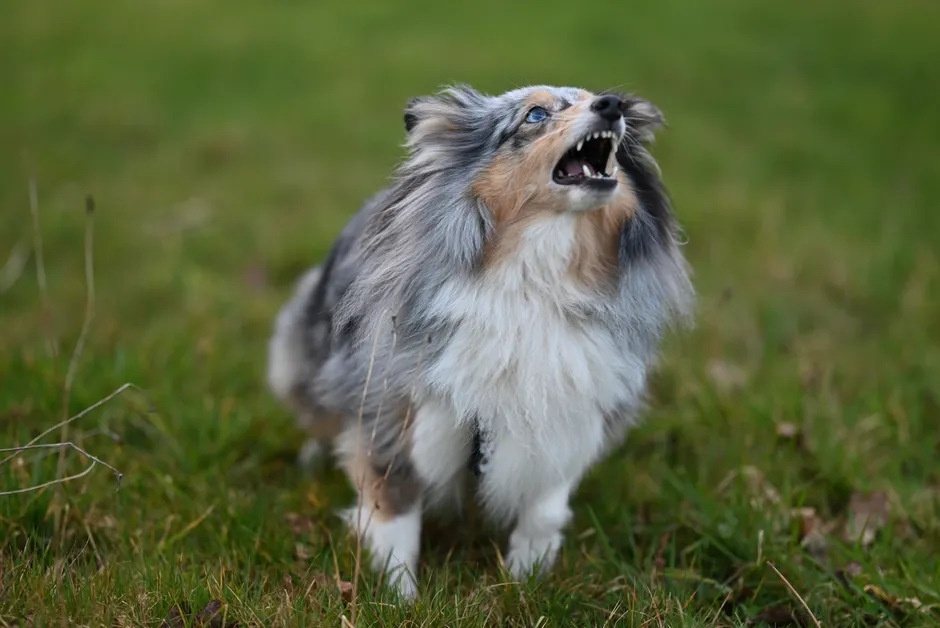
Old dogs don’t get “clingy” for no reason. Something changed, in their body, their memory, or their sense of safety, and the barking is them asking us to notice.
If your dog’s attention seeking barking is new, sudden, or paired with pacing, disorientation, or nighttime restlessness, please talk to your vet before you talk to a trainer. Cognitive decline and pain both masquerade as behavioral issues, and no amount of training fixes an underlying medical problem. I’ve seen too many families spend months on obedience work when the real issue was undiagnosed arthritis. If joint pain is part of the picture, it’s worth reading up on vet-recommended joint supplements for arthritic dogs alongside any behavior plan.
Credentials That Actually Matter in a Fear Free Dog Trainer
Once your vet has ruled out or addressed medical causes, it’s time to find help. But not just any help. This is where I get a little fierce, because I’ve watched well-meaning families hire the wrong trainer and come out the other side with a more anxious dog than they started with.
Look for these credentials, in this order of importance:
- CPDT-KA (Certified Professional Dog Trainer – Knowledge Assessed): This certification requires documented experience and a rigorous exam grounded in learning theory, not folklore.
- Fear Free Certification: A fear free dog trainer has specifically studied low-stress handling techniques designed for anxious, aging, or medically fragile dogs. This matters enormously for seniors.
- Documented experience with senior or geriatric dogs: Ask directly. A trainer who mostly works with high-energy puppies may not understand the slower, gentler pace a fifteen-year-old needs.
- Membership in a recognized professional body, such as the Association of Professional Dog Trainers, which requires continuing education.
The Fear Free organization has built its entire framework around the idea that low-stress handling isn’t a nice extra, it’s essential for aging pets whose bodies and nervous systems are already working overtime. That’s not marketing language. That’s the whole point.
While you’re vetting trainers, it helps to have your own foundation in modern, reward-based methods so you can spot who’s speaking your language. A well-reviewed puppy and dog training guide for high-energy and anxious dogs can give you the vocabulary to ask smarter questions, even if your dog isn’t a puppy anymore. The core science of anxiety-driven behavior doesn’t change much with age, only the pace of the work does.

Questions to Ask Before You Hire Anyone
Interview your trainer the way you’d interview a nurse for an aging parent. This is a sacred trust, your dog’s emotional wellbeing in someone else’s hands, and you have every right to ask hard questions.
Here’s what I’d ask, every time:
- “How do you specifically address anxiety-driven barking, versus what you’d call dominance-based behavior?” (If they don’t distinguish between the two, that’s a red flag on its own.)
- “What’s your experience working with dogs who have cognitive decline or age-related anxiety?”
- “Can you walk me through exactly what a session would look like for my dog’s jealousy barking during hugs?”
- “What tools do you use, and why?”
- “How do you handle a dog who shuts down or becomes more fearful during training?”
A good trainer will answer these without flinching, and honestly, they’ll probably light up a little, because they love talking about their process. If someone gets vague or defensive, walk away. You’re allowed to walk away.

Red Flags That Should Send You Running
Now here’s where I get direct, because I’ve watched this go badly too many times to soften it.
Never hire a trainer who leads with punishment, shock collars, or dominance theory. Full stop. Dominance-based training was built on outdated wolf-pack research that’s been thoroughly debunked, and it has no place in modern behavior work, especially not with a senior dog whose nervous system is already fragile.
Honestly, who thinks a shock is an appropriate response to a scared old dog asking for reassurance?? It baffles me every single time I hear about it. A dog barking during a hug isn’t defying you. She’s panicking. Punishing panic doesn’t teach calm, it teaches suppression, and suppressed anxiety in dogs tends to resurface later as something worse: snapping, shutting down, or a total loss of trust in the people meant to protect her.
If a trainer suggests something like the PaiPaitek No Shock Dog Training Collar with Remote as a first-line tool for jealousy barking, I’d still pause and ask hard questions about when and how it’s used. Even “no shock” vibration or tone-based collars deserve careful, informed use in senior dogs, ideally only under direct guidance from a certified professional who has assessed your dog individually, and never as a substitute for addressing the emotional root of the behavior.

- NO SHOCK. NO PRONGS. NO FEAR — This no shock training collar for dogs stops barking at mailmen, digging roses, chasing s…
- HALF A MILE. ONE REMOTE. TOTAL FREEDOM — Train up to 3300FT — backyard, beach, forest. No more screaming until hoarse or…
- 3 DOGS. 1 REMOTE. 3 CHANNELS. ZERO CHAOS — Save separate vibration & beep levels for each dog — gentle for timid pups, f…
Comparing Your Trainer and Support Options
Here’s a simple breakdown to help you compare the paths available, from professional help to at-home resources you can use alongside training.
| Option | Best For | Method Style | Price Tier |
|---|---|---|---|
| CPDT-KA Certified Trainer (In-Person) | Ongoing dog jealousy barking, complex behavior cases | Force-free, fear-free, one-on-one | $$$$ |
| Fear Free Certified Behavior Consultant | Senior dogs with anxiety or cognitive decline | Low-stress handling, medical collaboration | $$$$$ |
| High-Energy Dog Training Guide (Book) | Owners wanting a self-guided foundation | Reward-based, self-paced learning | $ |
| 8-Book Training Series (Kindle Edition) | Deep, ongoing study of behavior and training theory | Educational, multi-topic reference | $$ |
| No-Shock Training Collar with Remote | Supplemental cue reinforcement, only under professional guidance | Vibration/tone-based, not punishment-based | $$$ |
If you’re the type who wants to understand the “why” behind every behavior before you even call a trainer, the 8-book training series Kindle edition is a genuinely affordable way to build that knowledge at your own pace. I’ve recommended reading like this to sanctuary volunteers who wanted to understand attention seeking barking before ever stepping into a training session. Knowledge is calming. It gives you language for what you’re seeing.
There is an issue displaying Amazon products. Please contact the administrator to check that.Supporting Your Senior Dog Between Sessions
Training doesn’t live only in the sessions with your trainer. It lives in the quiet, ordinary moments between them, too. One thing I always tell families dealing with dog jealousy barking is to build in small rituals of reassurance before you hug someone else. A quick touch, a soft word, a moment of eye contact, “I see you, I’ve got you,” before you turn your attention elsewhere.
Enrichment matters here too. A senior dog whose mind and body have healthy outlets is generally less anxious about momentary exclusion. If your pup tends to spiral the second attention shifts away, redirecting that energy with the right enrichment toys designed to gently distract senior dogs can lower the overall anxiety baseline, which makes any professional training work more effective.
And please, be patient with the process. Senior dogs learn more slowly than they used to, not because they’re less capable, but because their bodies and brains are doing more work just to keep up. Depth over noise. Quiet, consistent connection over quick fixes. That’s what actually changes behavior long-term.
Frequently Asked Questions
Is dog jealousy barking a sign of a behavioral problem or a medical one?
It can be either, and often it’s both. Sudden or worsening dog jealousy barking in a senior dog should always start with a veterinary visit to rule out pain, cognitive decline, or hearing and vision loss before you assume it’s purely behavioral.
What certifications should a fear free dog trainer have?
Look for CPDT-KA certification alongside a formal Fear Free credential, plus documented experience working specifically with senior or medically fragile dogs. Membership in the Association of Professional Dog Trainers is a good additional sign of ongoing education.
Should I ever use a shock collar for jealous dog behavior?
No. Punishment-based tools, including shock collars, tend to worsen anxiety-rooted behaviors like jealous dog behavior, especially in senior dogs. Any training tool should be introduced only under the guidance of a certified, force-free professional.
How long does it typically take to reduce attention seeking barking in an older dog?
Every dog is different, but most families see gradual improvement in attention seeking barking within four to eight weeks of consistent, force-free training paired with reassurance rituals at home. Dogs with cognitive decline may need longer timelines and more patience.
This work asks a lot of patience from you, and I know that’s not always easy when you’re exhausted and just trying to hug the people you love. But your old dog isn’t trying to control you. She’s trying to hold on to you, in the only way she knows how. Find a trainer who understands that difference, and you’ll both come out the other side steadier, softer, and closer than before.
Tell your pup I said Hi! — Dawn