
Joint supplements for dogs get recommended constantly in exam rooms, but the behavioral picture behind that recommendation is more layered than most owners realize. A dog who hesitates before jumping into the car, who takes longer to settle after lying down, or who has started avoiding the stairs isn’t being lazy. Gait-analysis research consistently shows these are movement-compensation patterns, and they’re often the first observable signal of osteoarthritis, long before an owner suspects pain is involved at all.
Behavioral Signs Owners Mistake for “Just Getting Older”
As an animal behaviorist, I see a consistent pattern in consult intake forms: owners describe personality changes (“he’s grumpier now,” “she doesn’t want to play anymore”) without connecting them to physical discomfort. This is a classic attribution error. A dog experiencing chronic joint pain doesn’t announce it the way a human would. Instead, the behavioral repertoire narrows. Play invitations decrease. Irritability around handling increases, particularly when a hip or elbow is touched during grooming or petting. Sleep becomes fragmented because repositioning is uncomfortable, which in turn affects daytime mood regulation.
Force-plate and kinematic gait studies have quantified what many owners miss with the naked eye: subtle weight-shifting away from an affected limb, shortened stride length, and slower sit-to-stand transitions. These aren’t quirks of temperament. They’re compensatory motor strategies, and they typically predate an owner’s decision to seek veterinary input by months. If you’re already researching longevity supplements for senior dogs, this behavioral lens is worth applying retroactively to your dog’s last few months of activity logs.
The Physiology Behind the Personality Shift
Joint degeneration in aging dogs isn’t a purely mechanical problem confined to cartilage. Chronic pain recalibrates the stress physiology of the whole animal. Persistent nociceptive input keeps the hypothalamic-pituitary-adrenal axis mildly but continuously activated, which elevates baseline cortisol. Over time, that shifts sleep architecture (less time in restorative slow-wave sleep), lowers frustration tolerance, and increases reactivity to normally neutral stimuli, like a child reaching toward a sore hip.
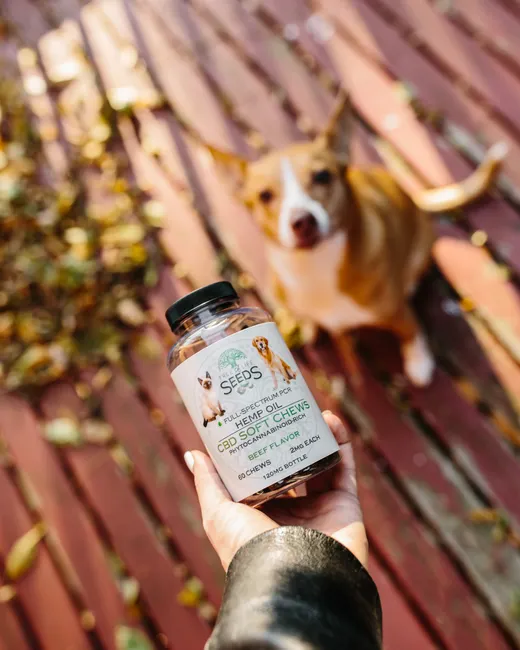
This is why arthritic dogs are sometimes mislabeled as “moody” or “less affectionate” in later life. The behavior is downstream of a physiological state, not a change in personality per se. Understanding this distinction matters clinically, because it reframes the intervention. You’re not managing a temperament problem. You’re managing a pain problem with behavioral fallout, and joint supplements for dogs are one piece of addressing the physiological driver directly.
Evidence Tiers for Common Joint Supplements for Dogs with Arthritis
Not all joint supplements for dogs carry the same weight of evidence, and I think owners deserve that distinction laid out plainly rather than folded into marketing language.
- Glucosamine-chondroitin: Widely used, moderate evidence. Some trials show modest improvement in comfort and mobility scores, others show no significant difference from placebo. The data is contradictory, and response appears to vary by individual dog and severity of joint damage.
- Omega-3 fatty acids (EPA/DHA): Stronger evidence base. A 2017 trial published in BMC Veterinary Research found dogs fed an omega-3 fatty acid-enriched diet showed measurable improvement in owner- and veterinarian-assessed osteoarthritis pain scores over a nine-week period, likely tied to omega-3’s role in downregulating inflammatory prostaglandin pathways.
- Green-lipped mussel extract: Emerging evidence, promising but smaller sample sizes. Contains a natural glycosaminoglycan and omega-3 combination that may offer complementary anti-inflammatory action.
Given the omega-3 data specifically, a product like Fish Oil for Dogs Supplement 120 Bacon Chews is a reasonable starting point for owners who want an evidence-supported entry point rather than a purely anecdotal one. The chew format also solves a common compliance issue: dogs who reject fish oil in liquid form due to texture aversion often accept a flavored chew instead.

- Bacon Flavor Dogs Love – Our omega 3 fish oil for dogs comes in bite-sized chewable tablets that taste like bacon treats…
- Fast Itch & Skin Relief – Our dog skin and coat supplement delivers 300mg omega-3 fatty acids (EPA & DHA) per chew for r…
- Healthy Coat & Less Shedding – This omega 3-6-9 for dogs formula helps reduce excessive shedding while promoting a soft,…
For a glucosamine-based option, Joint Support Rabbit, 200 Tablets, Anti-Inflammatory combines glucosamine with additional anti-inflammatory compounds, which may help owners who want a broader-spectrum approach rather than a single-ingredient product. I’d frame expectations honestly here: this category tends to produce gradual, partial improvement rather than dramatic reversal.

- JOINT HEALTH SUPPORT FOR RABBITS: Joint and bone issues in rabbits and guinea pig are often caused by aging, diet, inact…
- NATURAL PREMIUM INGREDIENTS: Each joint support rabbit tablet contains a blend of glucosamine, chondroitin, omega-3 fatt…
- HIGHLY DIGESTIBLE: Our joint support supplement for rabbits is high in fiber, easily digestible, and suitable for bunnie…
Comparison of Top Joint Supplements for Dogs
| Product | Primary Ingredients | Best For | Format | Price Tier |
|---|---|---|---|---|
| Joint Support Rabbit, 200 Tablets | Glucosamine, anti-inflammatory blend | Moderate to advanced joint stiffness | Tablet | $$ |
| Fish Oil for Dogs Supplement 120 Bacon Chews | EPA/DHA omega-3 fatty acids | Early-stage inflammation, coat and skin support | Soft chew | $$ |
| Vita-Tabs Silver for Senior Dogs | Vitamin-mineral complex | General senior wellness alongside joint care | Tablet | $ |
Why Joint Supplements for Dogs Are Adjuncts, Not Monotherapy
Here’s a distinction I want to be direct about: joint supplements for dogs are supportive tools, not standalone treatments for osteoarthritis. A 2020 survey published in Vet Record found that fewer than 65% of dog owners correctly identified mobility decline as pain-related rather than simply age-related slowing. That gap in recognition has real consequences. It delays multimodal treatment, meaning dogs go longer without the combination of interventions (weight management, physical rehabilitation, prescribed pain relief, and environmental modification) that actually moves the needle on quality of life.

Don’t count on supplements to work miracles. The dogs who improve most aren’t the ones on the “best” product alone. They’re the ones whose owners paired a supplement with weight control, traction flooring, and consistent low-impact movement.
General senior wellness support also matters here, since dogs managing arthritis often have concurrent age-related changes in metabolism and nutrient absorption. Vita-Tabs Silver for Senior Dogs – Daily Vitamin-Mineral can serve as a foundational layer underneath a joint-specific regimen, addressing broader nutritional gaps rather than targeting cartilage directly.

- Comprehensive Nutrition: Vita-Tabs provide a balanced blend of essential vitamins and minerals to support your dog’s ove…
- Immune System Support: Packed with antioxidants, these tabs help strengthen your dog’s immune system, promoting a robust…
- Healthy Coat and Skin: The inclusion of Omega-3 fatty acids contributes to a lustrous coat and healthy skin, ensuring yo…
If your dog’s mobility issues stem from a mixed-breed lineage with known joint predispositions, it’s also worth reading about German Shepherd Golden Retriever mix health considerations, since hybrid vigor doesn’t fully offset breed-specific orthopedic risk in either parent line.
A Structured Protocol for Evaluating Canine Osteoarthritis Relief
Anecdotal impressions (“he seems better”) are unreliable data. I recommend owners run a structured trial, similar to how a clinical behavior modification plan would be assessed:
- Baseline mobility scoring: Before starting anything, record specific metrics: time to stand from lying, willingness to climb stairs, duration of walks tolerated, and any vocalization or avoidance during handling. Use a simple 1-10 scale and log it weekly.
- Antecedent management first: Add ramps, non-slip runners on hard flooring, and orthopedic bedding before or alongside supplementation. These environmental changes reduce mechanical stress independent of any product’s efficacy.
- Weight control: Excess body weight is one of the most modifiable contributors to joint loading. Address caloric intake concurrently.
- 8-week trial window: Most joint supplements for dogs require sustained use, often six to eight weeks, before a measurable effect on cartilage-related inflammation is plausible. Judging a product at two weeks isn’t a fair test.
- Reassessment checkpoint: At the 8-week mark, compare current mobility scores against baseline using the same metrics. If there’s no meaningful change, that’s useful data, not failure. It tells you to escalate to veterinary-prescribed pain management or imaging rather than switching supplement brands indefinitely.
This protocol matters because it gives dogs behavioral agency in a subtle but important way: it treats their observable comfort signals as data worth tracking, rather than background noise. Owners who track systematically tend to make better-informed decisions about when to escalate care, which according to the American Veterinary Medical Association is critical given how underdiagnosed canine osteoarthritis remains in general practice settings.
Key Takeaways
- Behavioral changes like reduced play or irritability during handling are often early signs of joint pain, not personality shifts.
- Omega-3 fatty acids have the strongest research support among common joint supplements for dogs, with measurable pain score improvement in clinical trials.
- Glucosamine-chondroitin evidence is mixed; response varies by individual dog.
- Supplements work best as one part of a multimodal plan, not a standalone fix for canine osteoarthritis.
- Run an 8-week structured trial with baseline scoring before judging whether a supplement is working.
Frequently Asked Questions
How long does glucosamine for dogs take to work?
Most veterinarians recommend an 8-week minimum trial before evaluating whether glucosamine is producing a measurable effect. Cartilage-related changes happen gradually, so shorter trial periods often lead owners to prematurely conclude a product isn’t working.
Are joint supplements for dogs safe to combine with prescription pain medication?
In most cases yes, since joint supplements for dogs typically work through different mechanisms than NSAIDs or other prescribed analgesics. That said, always confirm with your veterinarian before combining products, particularly if your dog has kidney or liver conditions.
Can canine osteoarthritis relief be achieved without medication?
Mild cases sometimes respond well to a combination of weight management, environmental modification, and joint supplements for dogs alone. Moderate to advanced cases typically need prescribed pain management alongside these supportive measures for meaningful comfort improvement.
What early behavioral signs suggest a dog needs dog arthritis supplements?
Watch for hesitation before jumping or climbing stairs, slower transitions from lying to standing, reduced enthusiasm for play, and increased sensitivity when specific joints are touched during petting or grooming. These behavioral shifts often precede an obvious limp.