Dog jealousy in senior dogs shows up in ways that break your heart before you even understand what you’re looking at: the low growl when you pick up another dog’s leash first, the body-block between you and a new foster, the sudden neediness that looks like decline but is really just fear wearing a different coat. I’ve watched it play out more times than I can count here at the sanctuary, and I can tell you this much for certain: it’s not about dominance. It’s about attachment insecurity, and it deserves a real answer, not a Band-Aid.
So let’s get into the actual question people ask me constantly: pheromone diffusers or calming chews, which one actually works faster when your old dog is spiraling with jealousy? The honest answer is both have a role, but they work on completely different timelines and completely different parts of the nervous system. Understanding that difference is what separates a pet parent who’s guessing from one who’s actually helping.
What Dog Jealousy Really Looks Like in Senior Dogs
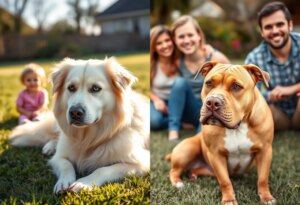
Dog jealousy in an aging dog rarely announces itself clearly. It hides inside behaviors that get blamed on “getting old and cranky” when really, the dog is just scared of losing something precious: your attention, their place on the couch, their sense of being chosen.
What I see most often in sanctuary dogs:
- Resource guarding that wasn’t there before, especially around your lap, your bed, or feeding time
- Attention-seeking behaviors like pawing, whining, or physically wedging between you and another animal
- Stress displays such as pacing, excessive licking, or sudden vocalization when a new pet or person enters the picture
- Shadowing, where the dog won’t let you leave a room without following
Behavioral researchers at the ASPCA have noted that these jealousy-type responses are rooted in attachment insecurity, not spite and not manipulation. Your old dog isn’t being difficult. He’s telling you, in the only language he has, that something feels unstable in his world. That distinction matters more than almost anything else in how you respond.
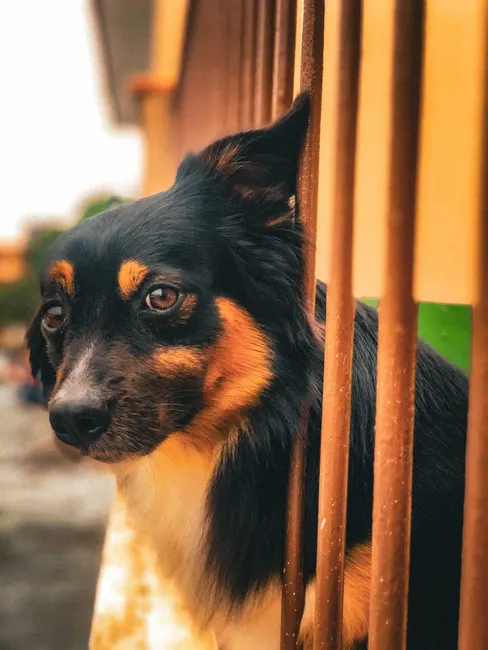
Jealousy in a dog is never about being dramatic. It’s about being scared of disappearing from your heart. Honestly, who thinks a graying old dog pawing at your leg is “just being needy”? That dog has loved you through years you don’t even remember clearly anymore. He deserves better than a label.
How Pheromone Diffusers for Dogs Actually Work
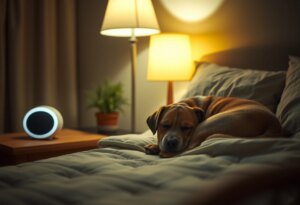
Pheromone diffusers for dogs, like the well-known Adaptil line, release a synthetic version of the dog-appeasing pheromone that mother dogs produce naturally while nursing. It’s a scent humans can’t detect, but a dog’s nose picks it up constantly, and it sends a quiet, steady signal: you are safe here.
This is not a sedative. There’s no drowsiness, no personality change. It’s more like turning on a nightlight for the nervous system. A 2010 study published in the Journal of Veterinary Behavior found that dog-appeasing pheromone reduced stress-related behaviors in more than 70% of dogs tested, which is a meaningful number when you’re dealing with an anxious senior who’s already fragile in other ways. What I appreciate most about pheromone diffusers is the ambient nature of the support. You plug it in, and it works continuously in the background of daily life. For multi-dog households or sanctuary settings like mine, where jealousy tension can simmer all day between several animals, that steady low-grade reassurance does something calming aids alone can’t always do.
How Calming Chews for Dogs Work (And Why Timing Matters)
Calming chews for dogs typically rely on a blend of L-theanine, chamomile, and melatonin, sometimes with added tryptophan or CBD depending on the brand. These ingredients work directly on the nervous system to ease acute stress responses, which makes them genuinely useful for specific, predictable triggers. Here’s the catch, though: onset usually takes 30 to 60 minutes, and that window can stretch longer in senior dogs. Aging bodies process supplements differently. A dog with early liver or kidney changes, which is common in dogs over ten, may metabolize these ingredients more slowly or less predictably than a younger dog would. That doesn’t mean chews are off the table. It means timing has to be intentional.
If you know a trigger is coming (a new foster arriving, a grandchild visiting, a vet appointment), giving the chew ahead of time gives it a fighting chance to actually be working when the stress hits. Giving it in the middle of a meltdown is closing the barn door after the horse bolted.

If your senior dog also struggles with anxiety beyond jealousy episodes, our guide on calming aids for anxious senior dogs breaks down which formulations tend to be gentler on aging systems.
Speed and Duration Comparison: Diffusers vs Chews
This is where pet parents get the clearest picture. Pheromone diffusers offer slow-building, continuous, ambient support. They’re not fast, but they’re not meant to be. Think of them as environmental medicine, changing the emotional temperature of the whole room over days and weeks. Calming chews are the opposite: targeted, faster-acting once metabolized, and best suited for acute, predictable triggers rather than constant background tension.
Here’s how they actually stack up side by side:
| Feature | Pheromone Diffusers | Calming Chews |
|---|---|---|
| Onset Time | Gradual (24-48 hrs to full effect) | 30-60 minutes |
| Best Use Case | Ongoing multi-dog tension, ambient household stress | Acute triggers: new pet intros, vet visits, guests |
| Duration of Effect | Continuous while plugged in (refill monthly) | 3-6 hours per dose |
| Senior Dog Consideration | No metabolic burden, safe for organ-compromised dogs | Metabolized through liver/kidneys, dose with vet guidance |
| Price Tier | $$ | $$ |
Neither tool wins outright for dog jealousy. They solve different problems on different timelines, and that’s exactly why sanctuary caregivers like me tend to use both.
The Sanctuary-Tested Combination Approach
After years of working with dogs who came to me carrying real attachment wounds, I can tell you the single-tool approach rarely gets to the root of dog jealousy. Layering both a pheromone diffuser and calming chews, while pairing them with consistent one-on-one time, addresses the actual emotional insecurity instead of just quieting the symptom for an afternoon. Here’s what that looks like in practice at Woody’s Place:
- Diffuser running continuously in shared living spaces where multiple dogs rest together
- Chews given ahead of known triggers, like a new dog’s arrival day
- Ten to fifteen minutes of undivided, no-phone attention with the jealous dog daily, even if it’s just quiet time on the porch
- Watching for physical mobility issues that might be worsening frustration, since a dog who can’t easily get to you may act out of pure desperation

When Dog Jealousy Signals Something Bigger
Sometimes dog jealousy isn’t really about a new pet or a new baby. Sometimes it’s grief in disguise, or the early edges of cognitive change, or plain physical pain making everything feel more threatening than it is. If chews and diffusers aren’t touching the behavior after a few consistent weeks, it’s time to loop in your vet rather than assuming you just haven’t found the “right” product yet. I’ve also found that quiet evenings with a slower pace help more than people expect. Some caregivers keep a cozy mystery on the nightstand for those nights when a jealous dog needs you sitting still nearby rather than moving around the house. Embarking on Murder (A Beanie and Cruiser Mystery) is the kind of low-stakes, comforting read that keeps you parked on the couch, which is exactly where your dog wants you anyway.

And if the jealousy is tangled up with separation anxiety, which happens often in seniors who’ve lost a bonded companion, our full training breakdown on dog separation anxiety training that actually works goes deeper into rebuilding that sense of security from the ground up. For readers who want to understand the wider welfare context behind why attachment security matters so much for animals in general, the ASPCA has published extensive research connecting insecure attachment to broader stress and welfare outcomes in companion animals. Sometimes advocacy work reminds me how fragile trust is for any living being. If you ever want to understand just how deeply exploitation and broken trust can scar a life, Modern-Day Slave Trade In The 21st Century, Second Edition is a sobering read that puts our small daily acts of gentleness into real perspective.

Key Takeaways
- Dog jealousy in seniors is rooted in attachment insecurity, not stubbornness or spite
- Pheromone diffusers offer slow, continuous ambient calm, ideal for ongoing multi-pet tension
- Calming chews work faster once metabolized but need to be timed ahead of known triggers
- Senior dogs with liver or kidney changes need supplement dosing guided by a vet
- Combining both tools with dedicated one-on-one time addresses the *root* of dog jealousy, not just the surface behavior
Frequently Asked Questions
Can pheromone diffusers and calming chews be used together safely?
Yes, in most cases pheromone diffusers and calming chews can be used together safely since they work through entirely different mechanisms, one through scent signaling and the other through ingested compounds. Always check with your vet first if your senior dog has existing liver, kidney, or medication concerns before adding calming chews to the routine.
How long does it take to see results from pheromone diffusers for dog jealousy?
Most pet parents notice a gradual shift in dog jealousy behaviors within 24 to 48 hours of continuous diffuser use, with fuller results building over one to two weeks as the ambient pheromone signal becomes part of the dog’s environment. It’s a slow-build tool rather than an instant fix.
Are calming chews safe for senior dogs with health conditions?
Calming chews can be safe for many senior dogs, but ingredients like melatonin and L-theanine are processed through the liver and kidneys, organs that often decline with age. Always have your vet review the ingredient list against your dog’s current bloodwork and medications before starting a regular dosing schedule.
What’s the fastest way to calm dog jealousy during a new pet introduction?
For a specific, predictable event like a new pet introduction, calming chews given 45 to 60 minutes beforehand tend to act faster than diffusers alone. Pairing that with a pre-established pheromone diffuser running in the shared space gives you both immediate and ambient support working at the same time.
Dog jealousy is rarely about the other dog, the new baby, or the visiting grandchild. It’s about an old heart that’s afraid of being forgotten. Whatever combination of tools you land on, the real medicine is still you: your steady hands, your patient voice, your willingness to sit on the floor a little longer than you planned to. That’s what actually heals attachment wounds. The diffuser and the chews are just there to help along the way. Tell your pup I said Hi! — Dawn