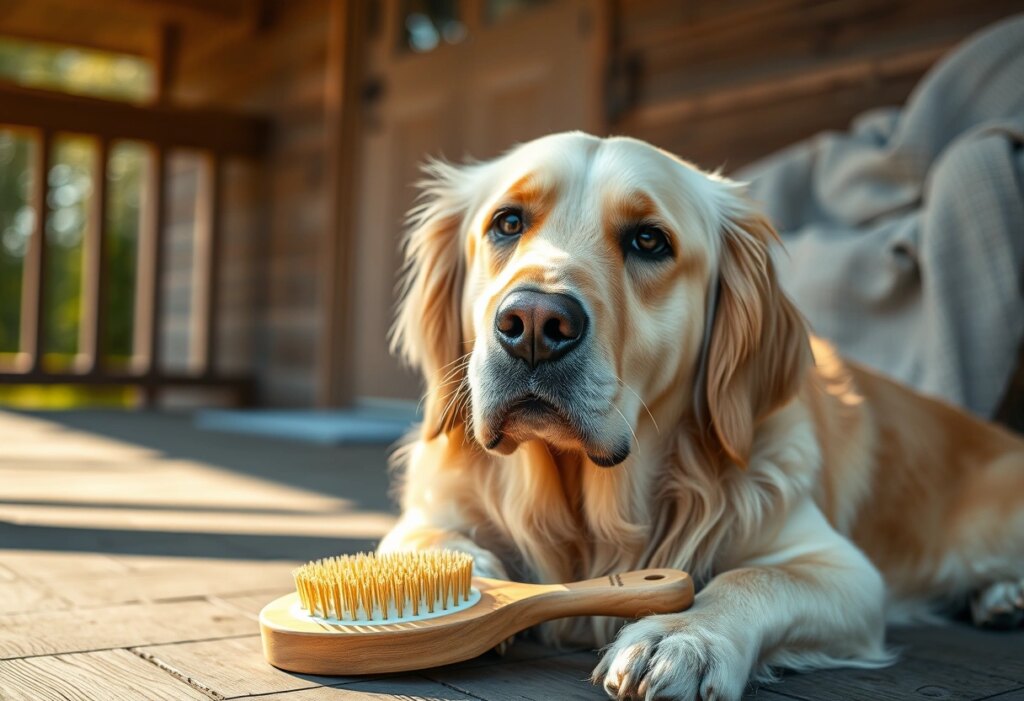

High-shedding dogs become a whole different challenge once your pup hits the gray-muzzle years, and I say that from a sanctuary porch that’s currently covered in fur no matter how many times I sweep it. If you’re wondering whether that shedding you’re seeing is “just normal” or something more, you’re asking exactly the right question. Aging skin, slower cell turnover, and a body that’s working harder just to keep up all change the shedding equation. This isn’t about vanity or your vacuum bill. It’s about comfort, and it’s about paying attention to what your old dog’s body is trying to tell you.
Why Shedding Hits Different in Senior Dogs
When Woody was in his final years, I noticed his coat doing things it never did as a younger dog. Patches came in thinner. His undercoat seemed to just let go all at once instead of the slow, steady shed I was used to. That’s not your imagination if you’re seeing it too.
Senior dogs experience real physiological shifts that affect their coats:
- Slower skin cell regeneration means hair follicles don’t cycle as efficiently
- Reduced circulation to the skin can weaken hair shaft strength
- Decreased self-grooming due to arthritis or stiffness lets loose fur build up longer
- Hormonal shifts (especially thyroid-related) directly impact coat density
So when we talk about high-shedding dogs in their golden years, we’re not just talking about breed tendencies anymore. We’re talking about a body in transition. And that matters, deeply, because a dog who can’t twist around to groom her own hip anymore needs *you* to be her hands.
Old dogs don’t shed more because they’re falling apart. They shed differently because their whole system is recalibrating, and it’s our job to notice the pattern, not just clean up the mess.
High-Shedding Dogs vs Low-Shedding Breeds: The Real Difference
Let’s get honest about something the pet industry doesn’t love to admit: hypoallergenic dog breeds are mostly a marketing myth. The American Kennel Club is direct about this, noting that no dog breed is truly 100% non-shedding, because allergens come primarily from dander, saliva, and urine proteins, not just loose hair floating through your living room. A dog with less visible shedding can still trigger allergies. A dog who sheds like it’s a full-time job might bother no one’s sinuses at all.
That said, there’s a real, practical difference between high-shedding dogs and low-shedding breeds when it comes to senior-year maintenance:

- Double-coated breeds (thick undercoat plus a protective topcoat) blow their coat seasonally and shed heavily year-round in old age
- Single-coated, curly, or wiry breeds tend to trap loose hair in their curl pattern rather than dropping it everywhere, meaning less household shedding but more matting risk
- Coat texture affects skin exposure, which matters for senior dogs prone to dry skin, hot spots, or slow-healing wounds
This is where I get a little protective, honestly. I’ve had well-meaning folks tell me they’re avoiding certain breeds “because of the fur,” and I get it, I really do. But the coat type question should be about *your senior dog’s comfort*, not just your floors.
Breeds Pet Parents Often Regret (and Lower-Shedding Alternatives)
I’ll be candid here because I think pet parents deserve honesty, not sugar-coating. Some breeds become genuinely high-maintenance shedders as they age, and if you didn’t know that going in, the senior years can feel overwhelming.
Breeds known for heavy senior-year shedding:
- Siberian Huskies — their thick double coat blows out dramatically twice a year, and older Huskies often shed steadily in between
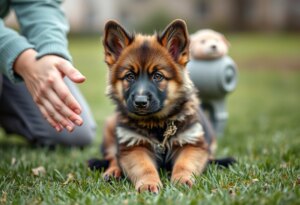
- German Shepherds — famous in rescue circles for shedding “year-round, twice as hard in spring and fall”
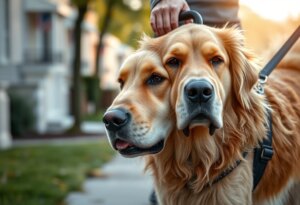
- Golden Retrievers — that gorgeous feathered coat means near-constant fur release, especially once their grooming routine slows down with age
Lower-shedding companions often chosen for easier upkeep:
- Poodles — curly, low-shed coat, though it requires regular trims to prevent matting
- Shih Tzus — minimal shedding but high grooming needs as they age
- Bichon Frises — soft, curly coat that holds loose hair rather than scattering it
Here’s the thing though: a low-shedding senior dog isn’t automatically a low-maintenance one. Curly coats mat fast, especially around joints that don’t bend as freely anymore. If you’re weighing the long-term realities of breed-specific care, this ties right into the bigger financial picture too. I always point people toward this detailed breakdown of monthly Golden Retriever costs because grooming, vet visits, and supplements all add up differently depending on coat type and age.
| Breed Type | Senior Shedding Level | Grooming Frequency Needed | Price Tier (Grooming Tools) |
|---|---|---|---|
| Siberian Husky | Very High | 3-4x weekly, daily during blowouts | $$ |
| German Shepherd | High | 2-3x weekly | $$ |
| Golden Retriever | High | 2-3x weekly | $$ |
| Poodle | Low | Weekly brushing, monthly trim | $$$ |
| Shih Tzu | Low | Daily brushing, regular trims | $$$ |
| Bichon Frise | Low | Daily brushing, monthly trim | $$$ |
What Changes in Shedding Can Signal Medically
This is the part I want you to really sit with. If you notice a sudden spike in shedding, patchy bald spots, or a coat that suddenly looks dull and brittle, that’s not just aging doing its thing. It might be your dog’s body waving a flag.

A 2021 study published in the Journal of Feline and Canine Medicine found links between sudden increased shedding in aging pets and several underlying issues:
- Thyroid imbalance (hypothyroidism especially, common in senior dogs)
- Nutritional deficiency, particularly in essential fatty acids and protein
- Chronic stress, which can come from pain, anxiety, or environmental changes
- Underlying infection or organ strain that shows up in coat quality before anything else
I’ve seen this play out at the sanctuary more than once. A dog comes in shedding excessively, and everyone assumes it’s just old age. Then bloodwork comes back and it’s a thyroid issue, or a kidney concern, or something urinary that needed treatment, like the kind of infection managed with medications such as Nitrofurantoin (Generic), which your vet may prescribe for certain bacterial infections that can quietly affect overall condition and coat health. There is an issue displaying Amazon products. Please contact the administrator to check that.
Please don’t wait it out. A shedding change in an older dog deserves a real vet conversation, not just a bigger lint roller. This is a sacred trust we hold with these animals who’ve given us everything. The least we owe them is paying attention when their bodies change.
If your senior dog also has joint stiffness making self-grooming harder, it’s worth reading about how prescription versus over-the-counter arthritis medications compare, since mobility and coat maintenance are more connected than most people realize.
Gentle Grooming and Diet Adjustments That Actually Help
Regardless of whether you’ve got a heavy-shedding senior or a low-shed breed getting older, there are things you can do right now that make a real difference. And honestly? These moments have become some of my favorite quiet time with the dogs in my care.
- Brush gently, and brush often. Use a soft-bristle brush for thinning senior coats. This isn’t just maintenance, it’s connection time.
- Add omega-3 support to their diet. Fatty acids support skin barrier function and coat quality from the inside out. Something like Deley Naturals Fish Oil for Dogs can help with itchy, flaky skin that often comes with age-related coat changes.

- 2X HIGHER OMEGA-3 DHA & EPA THAN OTHER BRANDS – Our omega 3 fish oil for dogs delivers double the DHA & EPA levels compa…
- WILD-CAUGHT ICELANDIC FISH OIL FOR PURITY & POTENCY – Sourced from pristine Icelandic waters, this skin and coat supplem…
- ADVANCED SKIN & COAT SUPPORT – Say goodbye to itchy, flaky skin! This premium formula offers powerful dry skin relief fo…
$45.99 - Keep their resting spots clean and cozy. Loose fur collects fast in bedding, and a senior dog’s skin is more sensitive to irritation. A soft, washable option like a Ywalxskk Paw Print Flannel Blanket is easy to wash weekly and keeps your pup warm without trapping allergens against sensitive skin.
- 【A COZY DETAIL FOR EVERY ANIMAL LOVER’S SPACE】 The brown and grey paw print pattern brings warmth and personality to a l…
- 【LIGHT ENOUGH TO TAKE ANYWHERE】 Folds compactly into a suitcase or car trunk without adding bulk — ideal for road trips,…
- 【EDGES THAT HOLD UP WASH AFTER WASH】 The reinforced 1cm stitched edges resist fraying and unraveling even after repeated…
$25.18 - Watch hydration. Dehydration shows up in coat quality fast, especially in dogs who are drinking less due to kidney changes or reduced mobility to the water bowl.
- Talk to your vet about thyroid panels if shedding shifts suddenly. It’s a simple blood test that can catch something treatable early.


Whether you’re managing high-shedding dogs or a breed that barely leaves a trace on your couch, the goal is the same: comfort, dignity, and really *seeing* your dog as they age. Shedding is just one small window into a much bigger picture of how they’re doing.
Frequently Asked Questions
Do senior dogs shed more than younger dogs?
Often, yes. Senior dogs can shed more due to slower skin cell turnover, hormonal changes, and reduced self-grooming from joint stiffness. Sudden or dramatic increases in shedding should be discussed with your vet, since they can sometimes point to thyroid imbalance or nutritional gaps rather than simple aging.
Are hypoallergenic dog breeds really shed-free?
No. The American Kennel Club confirms there’s no such thing as a truly 100% non-shedding breed. So-called hypoallergenic dog breeds simply shed less visibly, but allergens come from dander and saliva proteins too, not fur alone, so allergy-prone households may still react to them.
Which breeds are considered the highest-shedding dogs?
Double-coated breeds like Siberian Huskies, German Shepherds, and Golden Retrievers are typically the highest-shedding dogs, especially as seniors when their grooming habits slow down and their coats naturally thin and shift more.
What senior dog grooming routine helps reduce excess shedding?
A gentle senior dog grooming routine with soft-bristle brushing several times a week, omega-3 fatty acid supplementation, proper hydration, and regular vet check-ins for thyroid and nutritional health all support healthier coats and reduce excessive shedding over time.
Every fur tumbleweed rolling across your floor is a small reminder that your dog is still here, still living, still worth every bit of extra care their aging body asks for. Pay attention to what their coat is telling you, love them through the mess, and never underestimate what a slow, gentle brushing session can do for both of your hearts.
Tell your pup I said Hi! — Dawn