


Do joint supplements for dogs actually work, or are we just spending money on expensive hope? I’ve asked myself that question a hundred times over the years at the sanctuary, watching old hips creak across the porch. And here’s the honest answer, straight from someone who’s tried more products than I care to admit: some do, some absolutely don’t, and knowing the difference matters more than you think.
I’ve had dogs come through Woody’s Place with joints so worn down that just standing up took real effort. You learn fast which supplements are backed by something real and which ones are just pretty packaging with a scoop of hope inside. This isn’t about brand loyalty or what’s trending on some pet influencer’s feed. It’s about what actually reduces pain and helps a dog move through their golden years with some dignity intact.
So let’s get into what the research actually says, what to look for on a label, and how to set realistic expectations before you spend another dollar.
The Science Behind Joint Supplements for Dogs
Here’s where I want to be straight with you: not every claim on a supplement bottle has research behind it. But some ingredients do, and it’s worth knowing which ones.
A 2007 study published in the Journal of the American Veterinary Medical Association found that dogs with osteoarthritis who were given omega-3 fatty acids showed measurable improvement in weight-bearing on their affected limbs. That’s not a marketing claim. That’s a peer-reviewed clinical outcome. Dogs literally put more weight on their sore legs after getting consistent omega-3 supplementation. If you’ve ever watched an old dog favor a hip or shift their weight away from a bad knee, you know how significant that kind of change really is.
Research referenced by the American College of Veterinary Surgeons also points to glucosamine and chondroitin combinations reducing certain inflammation markers in arthritic joints. These two ingredients work together, glucosamine supports the production of cartilage components, while chondroitin may help slow cartilage breakdown and keep joint fluid doing its job. Neither one is a miracle cure. But used consistently, over months (not days), they can genuinely support a dog’s mobility.
This is why I always tell people at the sanctuary: joint supplements for dogs are not a quick fix. They’re a long game. You’re not going to see a dog leap off the couch pain-free after one week. You’re looking for small, steady gains, a little more willingness to take the stairs, a little less stiffness after a nap.
The dogs who taught me the most about arthritis weren’t the ones who complained. Dogs don’t complain. They just quietly stop doing the things they love. That’s the tell. That’s when you know it’s time to act, not wait.
If you want to understand how natural ingredients stack up against lab-formulated ones, I’d point you toward this breakdown on natural vs synthetic dog supplements and what really works. It gets into the weeds on sourcing and absorption in a way that helped me make better choices for the pups in my own care.
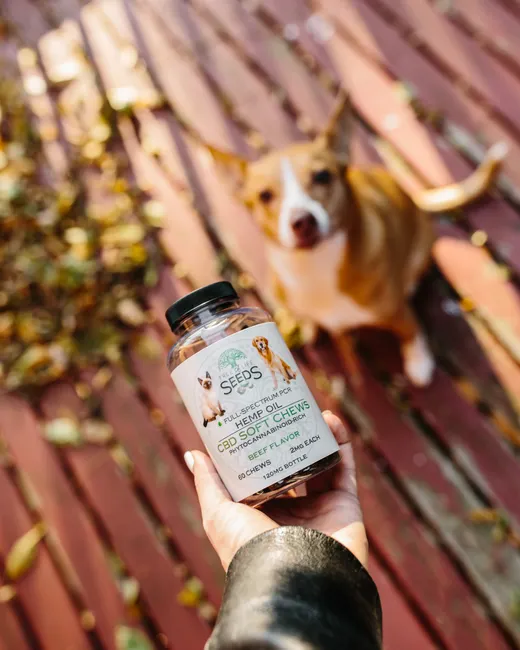
What to Actually Look For on the Label
This is the part most people skip, and I get it. Label reading is not glamorous. But it’s where the real decision gets made, long before the bottle ever reaches your dog’s bowl.
First thing I check: the NASC Quality Seal (National Animal Supplement Council). This isn’t just a sticker. It means the company has submitted to independent audits, quality control checks, and adverse event reporting. If a company won’t submit to that kind of oversight, I have to ask myself why. Honestly, who thinks it’s okay to sell something a dog will ingest daily without any third-party accountability?? Not me, and not anyone who’s watched what a bad batch of supplements can do to a fragile senior gut.
Second, look at the actual dosages of active ingredients, not just whether glucosamine or chondroitin is “in there somewhere.” Clinical studies use specific dosage ranges based on a dog’s weight. A supplement that buries its glucosamine content behind a “proprietary blend” label is usually hiding a dose too small to do much of anything. You want transparency: milligrams per chew, per tablet, per scoop, clearly stated.
Third, watch for filler-heavy formulas. Some products pad their ingredient list with cheap binders, sugars, or artificial flavoring just to make the chew more appealing. That might get a picky dog to eat it, sure, but it dilutes what you’re actually paying for. I’d rather see a shorter ingredient list with real, dosed actives than a long one full of filler.
For dogs carrying extra pounds on already stressed joints, or smaller breeds prone to patellar issues, this guide on joint supplements for small dogs with arthritis walks through some additional considerations worth thinking about before you buy anything.
One product I’ve had good experience with for dogs needing anti-inflammatory joint support is the Joint Support Rabbit, 200 Tablets, Anti-Inflammatory Formula. The tablet count means you’re not reordering every three weeks, which matters when you’re managing a multi-dog household or a sanctuary full of seniors.

- JOINT HEALTH SUPPORT FOR RABBITS: Joint and bone issues in rabbits and guinea pig are often caused by aging, diet, inact…
- NATURAL PREMIUM INGREDIENTS: Each joint support rabbit tablet contains a blend of glucosamine, chondroitin, omega-3 fatt…
- HIGHLY DIGESTIBLE: Our joint support supplement for rabbits is high in fiber, easily digestible, and suitable for bunnie…
Comparing Joint Supplement Types Side by Side
I put this table together because I know how overwhelming the supplement aisle (or the Amazon search bar) can feel. Here’s how three different formulas stack up in terms of what they offer and where they fit into a senior dog’s routine.
| Product | Best For | Key Ingredients | Format | Price Tier |
|---|---|---|---|---|
| Joint Support Rabbit, 200 Tablets | Dogs needing anti-inflammatory joint support long term | Joint-support compounds with anti-inflammatory properties | Tablets | $$ |
| Vita-Tabs Silver for Senior Dogs | Overall senior wellness alongside joint care | Vitamin-mineral complex formulated for aging dogs | Daily tablet | $$ |
| Fish Oil for Dogs, 120 Bacon Chews | Dogs needing omega-3 support for inflammation and coat health | Omega-3 fatty acids (EPA/DHA) | Soft chews | $$ |
Real Talk: Supplements Support, They Don’t Replace Vet-Directed Care
I need to say this clearly, because I’ve seen too many well-meaning pet parents delay a vet visit thinking a bottle of chews will fix a dog who’s genuinely struggling. Joint supplements for dogs are a support tool, not a treatment plan. For mild stiffness or early-stage joint wear, they can make a real difference. For advanced arthritis, hip dysplasia, or a dog who’s stopped wanting to get up at all, supplements alone are not enough.
This is where sanctuary life has humbled me over and over. I’ve had dogs arrive already deep into joint deterioration, and no chew, however well-formulated, was going to undo years of untreated pain. Those dogs needed vet-directed pain management, sometimes prescription anti-inflammatories, sometimes laser therapy, sometimes a combination approach that a supplement was only ever meant to complement.

Overall senior wellness matters here too. A dog fighting joint pain while also running low on basic vitamins and minerals is fighting an uphill battle on two fronts. That’s part of why I like keeping something like Vita-Tabs Silver for Senior Dogs in the rotation for dogs whose whole-body support needs a little boost alongside targeted joint care.

- Comprehensive Nutrition: Vita-Tabs provide a balanced blend of essential vitamins and minerals to support your dog’s ove…
- Immune System Support: Packed with antioxidants, these tabs help strengthen your dog’s immune system, promoting a robust…
- Healthy Coat and Skin: The inclusion of Omega-3 fatty acids contributes to a lustrous coat and healthy skin, ensuring yo…
If you’re trying to build a fuller picture of what a senior dog needs beyond joints alone, this resource on vet-approved multivitamins for senior dogs is a good next stop.
Omega-3s Deserve Their Own Moment
I mentioned the 2007 JAVMA study earlier, and I want to circle back to it, because omega-3 fatty acids don’t always get the spotlight that glucosamine and chondroitin do. But the weight-bearing improvements documented in that research are hard to ignore. Omega-3s work on inflammation from a different angle, supporting the body’s own regulatory response rather than directly rebuilding cartilage.
In practice, this looks like less morning stiffness, a little more willingness to take a slow walk, and sometimes a noticeably shinier coat as a bonus. For dogs who won’t tolerate fish oil in liquid form (and plenty of seniors get picky), a chew format tends to go over better. That’s part of why something like Fish Oil for Dogs Supplement, 120 Bacon Chews has earned a steady spot in our sanctuary supply closet. Consistency matters more than the delivery method, so whatever gets your dog to actually eat it every day is the right choice.

- Bacon Flavor Dogs Love – Our omega 3 fish oil for dogs comes in bite-sized chewable tablets that taste like bacon treats…
- Fast Itch & Skin Relief – Our dog skin and coat supplement delivers 300mg omega-3 fatty acids (EPA & DHA) per chew for r…
- Healthy Coat & Less Shedding – This omega 3-6-9 for dogs formula helps reduce excessive shedding while promoting a soft,…
A Checklist to Bring to Your Vet
Before you buy another bottle of dog joint supplements, sit down with your vet and go through this list together. It’s what I do with every new arrival at the sanctuary, and it’s saved us from wasting money on products that were never going to help.
- Does the product carry the NASC Quality Seal?
- Are exact dosages of glucosamine, chondroitin, and omega-3s listed, not hidden in a blend?
- Does the dosage align with what’s been used in clinical research for your dog’s weight?
- Is the ingredient list short and purposeful, or padded with fillers and artificial flavoring?
- Has your vet ruled out (or diagnosed) an underlying condition like hip dysplasia or advanced osteoarthritis?
- Is there a realistic timeline in place, generally six to eight weeks, for evaluating whether the supplement is working?
According to the American Kennel Club, glucosamine and chondroitin supplements are among the most studied options for canine joint health, though individual response varies quite a bit from dog to dog. That variability is exactly why the checklist matters. What worked beautifully for one senior might do nothing for another, and that’s not failure, that’s just biology.
Managing Expectations With Patience and Honesty
I think the hardest part of this whole conversation is patience. We want our dogs to feel better right now. I understand that ache completely. But real joint support takes weeks to show itself, not days. If you switch products every ten days because you’re not seeing instant results, you’ll never actually know if something was working.
Give a quality supplement its fair shot, generally six to eight weeks, while tracking small changes: Is your dog getting up faster in the morning? Taking the stairs with a little more ease? Sniffing around the yard a bit longer before needing a rest? These small shifts are the real signal, not some dramatic overnight transformation.
Joint supplements for dogs work best as part of a bigger picture, alongside weight management, appropriate exercise, orthopedic bedding, and a vet who knows your dog’s full history. No single bottle carries that whole weight, and it was never fair to expect it to.
Frequently Asked Questions
How long does it take for joint supplements for dogs to start working?
Most dogs need six to eight weeks of consistent daily use before you’ll notice a meaningful difference in mobility or stiffness. Some dogs show subtle changes sooner, but true joint support builds gradually rather than overnight.
Are glucosamine and chondroitin safe for long-term use in senior dogs?
Yes, glucosamine and chondroitin are generally considered safe for long-term daily use in senior dogs when dosed appropriately for their weight. That said, always run any new supplement by your vet first, especially if your dog has existing kidney or liver concerns.
Can joint supplements replace pain medication for dogs with arthritis?
No. Joint supplements for dogs are meant to support joint health over time, not replace vet-prescribed pain management for moderate to advanced arthritis. Dogs in significant pain need a vet-directed treatment plan, which may include supplements as one part of a larger approach.
What should I avoid when choosing joint supplements for dogs?
Avoid products without an NASC Quality Seal, vague “proprietary blends” that hide actual dosages, and formulas loaded with fillers, sugars, or artificial flavoring instead of properly dosed active ingredients like glucosamine, chondroitin, and omega-3 fatty acids.
Every old dog who’s ever rested their gray muzzle in my lap has taught me the same lesson: aging with dignity isn’t about chasing miracle cures, it’s about showing up, doing the research, and giving them steady, informed care. That’s what a sacred trust looks like in practice. Ask the questions, read the labels, and give your dog the patience this season of life deserves.
Tell your pup I said Hi! — Dawn