
diabetes test kits can feel like a strange thing to research at ten o’clock at night, but if you’ve noticed your senior dog draining the water bowl twice as fast, or standing at the pantry door begging for food an hour after dinner, you’re not imagining it. Something has shifted. And that shift, increased thirst paired with a bottomless appetite, is one of the clearest early signals of diabetes mellitus in aging dogs. I’ve sat with enough old dogs on cold sanctuary floors at 2am to know that gut feeling pet parents get. Trust it.
This isn’t a scare piece. It’s a “let’s figure out what’s actually going on before your vet appointment” piece. Because knowledge, even the shaky, half-formed kind you gather at midnight, is a form of love.
Why Increased Appetite and Thirst Often Point to Diabetes in Older Dogs
When a senior dog’s body can’t properly process glucose, sugar builds up in the bloodstream instead of fueling the cells. The body panics. It thinks it’s starving, even while the dog is eating plenty, so the appetite cranks up. Meanwhile the kidneys try to flush the excess sugar out through urine, pulling extra water with it, and thirst spikes to compensate. That’s the ugly little cycle behind polyphagia (increased appetite) and polydipsia (increased thirst).
It’s not just diabetes that causes this pattern. Kidney disease, Cushing’s disease, and certain thyroid conditions can look similar from the outside. But diabetes is common enough, and progresses fast enough, that it deserves to be at the top of your list when these two symptoms show up together in a dog past the age of seven or eight.
I think about how quiet these early signs are. No limping, no crying out, no dramatic collapse. Just a bowl that’s empty again, and again, and again. That quietness is exactly why so many families miss the window for early intervention.
An aging body doesn’t announce its struggles loudly. It whispers them, in the water bowl, in the pacing at 3am, in the way your old dog suddenly can’t get enough dinner. Our job is to listen before the whisper becomes a shout.
The Numbers Behind Senior Dog Diabetes (And Why Age Matters So Much)
The American Animal Hospital Association notes that diabetes affects roughly 1 in 300 dogs, and that risk climbs sharply once a dog passes age seven. That’s not a small statistic when you sit with it. It means your vigilance as a caregiver of an older dog isn’t paranoia. It’s proportional to real, documented risk.
Here’s what makes this harder to swallow: studies published in the Journal of Veterinary Internal Medicine show that unregulated blood glucose sitting above 250 mg/dL can lead to cataracts within months in diabetic dogs. Months. Not years. A dog who was seeing clearly at Thanksgiving could be bumping into furniture by spring if that sugar stays unchecked.
This is why diabetes test kits used at home, in between vet visits, matter so much for senior dogs specifically. Their bodies don’t have the margin for error that a younger dog’s body might. Every week of unmanaged blood sugar is a week closer to complications that are much harder to reverse than to prevent.
At-Home Diabetes Test Kits: What Your Options Actually Look Like
Let’s get practical, because this is where most pet parents feel lost. There isn’t one single tool that does everything. There are a few categories, each with a different job.
Canine Glucose Monitors (Glucometers)
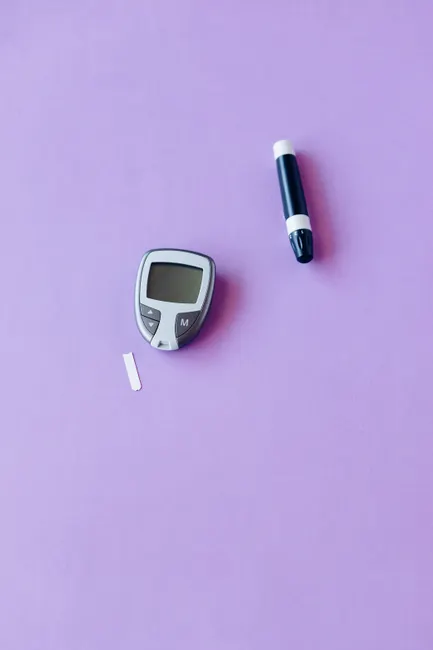
A blood glucose meter calibrated for pets gives you a real-time number from a tiny blood sample, usually taken from the ear tip or paw pad. This is the gold standard for home monitoring once your vet has confirmed a diagnosis and you’re managing insulin dosing at home. Some families use a GT-600 Glucose Monitor for Pregnancy & Seniors, 100 Strips style kit, originally built for human use, because they’re widely available and affordable, though always confirm calibration accuracy with your vet before trusting the numbers for dosing decisions.
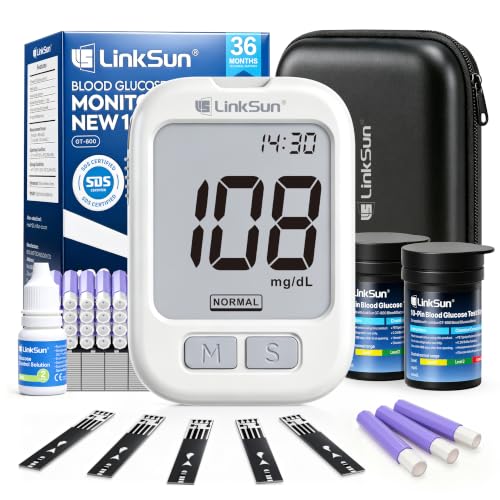
- CLINICAL-GRADE PRECISION FOR LIFE’S CRITICAL MOMENTS Ten-electrode multi-sensor strips deliver ±10% accuracy that exceed…
- NO-CODING SIMPLICITY FOR TWO GENERATIONS Insert a strip and test — The large backlit display and adjustable lancing devi…
- COMPLETE KIT, NO HIDDEN COSTS Everything arrives ready: GT-600 monitor, 100 ten-electrode test strips, 100 safety lancet…
These meters are a budget-friendly entry point compared to veterinary-specific models, but they require a steadier hand and a calm dog. I always tell families at the sanctuary: practice the motion without drawing blood first. Let your old dog get used to being touched on the ear before the needle’s even involved. Fear makes everything harder, for both of you.
Urine Glucose and Ketone Strips
This is the gentlest starting point, and honestly, where I’d encourage most worried pet parents to begin. Urine strips detect glucose and ketones spilling into the urine, which happens once blood sugar has been elevated for a while. No blood draw, no needle, just a strip and a steady hand (or a paper cup and some patience).
They’re not as precise as a canine glucose monitor, and they won’t catch problems as early. But for a nervous senior dog, or a nervous pet parent, they’re a low-stress way to get a first data point before your vet visit.
Continuous Glucose Monitors (CGMs)
Adapted from human diabetic care, CGMs attach to your dog’s skin and track glucose trends over days rather than single snapshots. They’re a premium investment, and typically something your vet will recommend and set up rather than something you’d start on your own. But once diagnosis is confirmed, they take a huge amount of guesswork out of insulin management, especially for senior dogs who don’t sit still for repeated blood draws.
Comparing Home Testing Tools for Senior Dog Diabetes
Here’s a side by side look at the tools worth understanding, including a couple of adjacent home health tools that sanctuary families and senior dog caregivers keep in their kits for related monitoring needs.
| Product | Best For | Sample Type | Ease of Use | Price Tier |
|---|---|---|---|---|
| GT-600 Glucose Monitor, 100 Strips | Home blood glucose tracking after diagnosis | Blood (ear/paw) | Moderate, needs practice | $$ |
| Urine Glucose/Ketone Strips | First-pass screening before vet visit | Urine | Easy, no needle | $ |
| Continuous Glucose Monitor (CGM) | Ongoing insulin management for diagnosed dogs | Interstitial fluid (worn sensor) | Easy once applied, vet-fitted | $$$$ |
| Jamar 40514 Monofilament Tool | Checking for diabetic nerve sensitivity changes | Skin sensation test | Very easy | $ |
| INDICAID UTI Test Strips | Ruling out UTIs common alongside diabetes | Urine | Easy | $ |
Watching for Related Complications: Nerve Sensitivity and Urinary Infections
Diabetes rarely travels alone, especially in senior dogs. Two complications show up often enough that I think every diabetic-suspect household should know about them.
First, nerve sensitivity changes. Diabetic dogs can develop peripheral neuropathy, a dulling of sensation in the paws, over time. Some caregivers use a simple tool like the Jamar 40514 Disposable Monofilament Measuring Tool, originally designed for human diabetic neuropathy checks, gently pressed against the paw pad to see if your dog reacts normally. It’s not a diagnostic tool on its own, but noticing a change in sensation is worth mentioning to your vet.

- High quality, professional grade monofilaments with easy touch motion technology designed to prevent sensation loss in d…
- Allow physical therapists and other professionals to detect and evaluate sensation loss in diabetic, neuropathic, and am…
- Disposable filaments also include instruction card highlighting test sites for lower extremity amputatoin prevention (LE…
Second, urinary tract infections. Excess sugar in urine creates a welcoming environment for bacteria, and senior dogs already carry higher UTI risk to begin with. If your old dog is straining, having accidents, or the urine smells different, an at-home option like INDICAID UTI Test Strips for Home Use can help you flag a possible infection quickly, so you can mention it during the same vet visit instead of waiting for a second one.

- UTI TEST STRIPS 3 COUNT: INDICAID Test Strips offer you the most reliable UTI home test available, enabling you to detec…
- TWO TESTS IN ONE: Our urine test strips are highly accurate in detecting leukocytes and nitrites in urine, two common in…
- EASY TO USE: INDICAID’s urinary tract infection test strips for women and men are incredibly user friendly with clean gr…

If your senior dog is also having accidents in the house because of the excess drinking and urination, you’re not alone, and it’s not a training failure. Something like senior dog diapers and belly bands can protect your floors and your dog’s dignity while you work through diagnosis and treatment together.
Using Home Test Results as a Bridge, Not a Diagnosis
I need to be honest with you here, because this matters more than any product recommendation I could give you: diabetes test kits are a bridge to your vet, not a replacement for one. A urine strip showing glucose, or a glucometer reading that looks high, is a piece of information. It’s not a diagnosis, and it’s definitely not a green light to start insulin on your own.
What home testing does give you is something powerful in a different way. It gives you data to bring into that exam room instead of a vague “he’s been drinking a lot lately.” You can say, “here are three readings from this week, taken on these days, at these times.” That kind of specificity helps your vet move faster toward answers, and honestly, it makes you feel less helpless while you wait for the appointment.
Here’s when you should not wait for a scheduled visit and should call your vet or an emergency clinic instead:
- Vomiting combined with lethargy or a chemical, fruity smell on the breath (possible diabetic ketoacidosis)
- Sudden vision changes or bumping into furniture (possible rapid cataract development)
- Collapse, disorientation, or seizures
- Refusal to eat for more than 24 hours despite prior increased appetite
These are not “wait and watch” situations. These are “get in the car” situations. I’ve learned, sometimes the hard way, that senior dogs decline faster than we expect, and the cost of waiting is almost always higher than the cost of an unnecessary trip.
For general education on canine diabetes symptoms and management, the ASPCA’s guide to diabetes in dogs is a solid, trustworthy resource to read alongside anything your vet tells you.
Building a Calm Testing Routine at Home
If your vet does confirm diabetes, home testing becomes part of daily life, not a one-time event. A few things I’ve learned from sanctuary dogs who went through this:
- Same time, same place, every day. Predictability lowers stress for both of you.
- Pair testing with something good. A gentle ear rub, a soft voice, maybe a small low-glycemic treat afterward.
- Log everything. A simple notebook or app tracking glucose readings, appetite, water intake, and energy level tells a story your vet can read at a glance.
- Watch mobility too. Diabetic dogs can develop weakness or joint stiffness alongside their blood sugar issues, so keeping an eye on comfort matters just as much as the numbers. If joint pain shows up alongside everything else, this comparison of Cosequin versus Dasuquin joint supplements is worth reading.
None of this is glamorous. It’s small, repetitive, quiet work. But that quiet work is exactly what keeps a diabetic senior dog stable, comfortable, and still wagging his tail at dinnertime.
Frequently Asked Questions
Can I diagnose my senior dog’s diabetes at home without a vet?
No. Diabetes test kits used at home can flag warning signs like elevated glucose in urine or blood, but a formal diagnosis requires bloodwork and clinical evaluation from your veterinarian. Home results are meant to inform your vet visit, not replace it.
Which diabetes test kits work best for nervous senior dogs?
Urine glucose and ketone strips are the gentlest starting point since they involve no needles. If your senior dog tolerates handling well, a canine glucose monitor gives more precise blood sugar readings, but it takes practice and a calm approach to use comfortably.
How often should I test my diabetic senior dog at home?
This depends entirely on your vet’s guidance and how stable your dog’s condition is. Newly diagnosed dogs may need daily or twice-daily testing while insulin dosing is adjusted, while stable dogs may only need periodic spot checks between vet visits.
Are increased thirst and appetite always a sign of diabetes in older dogs?
Not always. Kidney disease, Cushing’s disease, and thyroid issues can cause similar symptoms in senior dogs. Diabetes test kits can help narrow down the possibilities, but a full veterinary workup is the only way to confirm the actual cause.
If your old dog is drinking more, eating like the bowl might disappear, and you’ve got that quiet worry sitting in your chest, trust it enough to act. Grab a strip, take a reading, write it down. Then get to your vet with real information in hand instead of just a feeling. That’s not overreacting. That’s showing up for your dog the way he’s shown up for you, for all these years.
Tell your pup I said Hi! — Dawn