
Pitbull golden retriever mix lifespan estimates typically land between 10 and 13 years, though where a given dog falls in that range depends heavily on which parent breed’s genetics show up more dominantly in body structure and disease predisposition. As a behaviorist, I get asked about this mix constantly, usually by owners who adopted a “Goldenbull” puppy without much data to go on. That’s reasonable. There isn’t a large-scale longitudinal study on this specific cross the way there is for purebred Golden Retrievers. What we do have is solid breed-specific longevity data for each parent breed, and we can use that to build a realistic, evidence-informed picture of what to expect.
What Is a Golden Retriever Pitbull Mix (Goldenbull)?
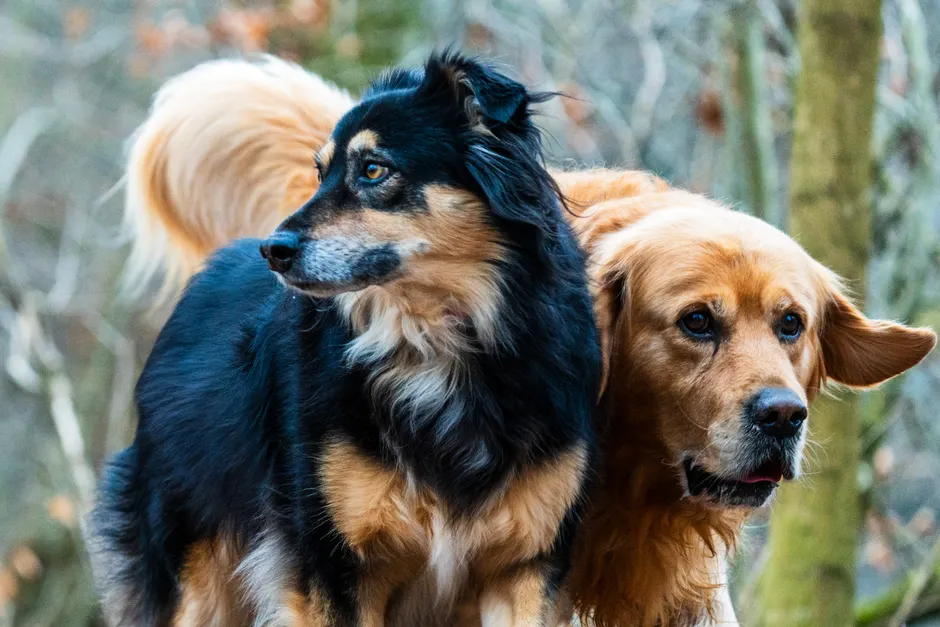
The Golden Retriever Pitbull mix, often nicknamed the Goldenbull, is a first-generation or multi-generation cross between a Golden Retriever and an American Pit Bull Terrier (or one of the related Pit Bull-type breeds like the American Staffordshire Terrier). Structurally, these dogs tend to land somewhere between the two parents: a broader chest and denser musculature from the Pit Bull side, paired with the softer facial features, feathered coat tendencies, and retriever temperament traits from the Golden side. Behaviorally, this cross usually produces a dog with high sociability, strong food and toy motivation, and a fair amount of physical energy that needs structured outlets.
Because this is a mixed breed rather than a standardized one, litters from the same parents can vary quite a bit in size, coat, and temperament expression. That variability matters for lifespan planning too, because a 55-pound Goldenbull with a more retriever-dominant frame ages differently than an 80-pound dog with heavier Pit Bull musculature and joint loading.
Pitbull Golden Retriever Mix Lifespan: The Data Behind the Estimate
Golden Retrievers average 10 to 12 years of life, according to health surveys compiled by the Golden Retriever Club of America. Pit Bull-type breeds tend to run slightly longer, averaging 12 to 14 years per longevity data referenced by the American Veterinary Medical Association’s breed health resources. When you cross the two, the resulting pitbull golden retriever mix lifespan generally settles in the 10 to 13 year range, with the exact number influenced by body size, weight management, and which parent’s disease predispositions carry through most strongly.
Here’s the important behavioral science piece owners often miss: lifespan in mixed breeds isn’t a simple average of the two parent numbers. Genetics don’t blend that cleanly. A dog can inherit the larger frame of the Golden Retriever alongside the denser muscle mass of the Pit Bull side, producing a heavier-bodied dog that carries more joint and cardiac strain than either parent breed alone. This is why I tell owners to plan for the lower end of the pitbull golden retriever mix lifespan range if their dog runs larger than 65 pounds, and to expect the higher end if the dog matures closer to 45-55 pounds with a leaner build.
Lifespan projections for mixed breeds are probabilistic, not deterministic. Two dogs from the same litter, raised in similar households, can differ by two or more years in longevity based on body condition score alone. Weight management is the single most controllable variable an owner has.
Major Health Risks That Shorten Golden Retriever Pitbull Mix Lifespan
The most sobering data point in this conversation comes from the Morris Animal Foundation’s Golden Retriever Lifetime Study, which documented a lifetime cancer incidence rate exceeding 60 percent in purebred Golden Retrievers, primarily hemangiosarcoma and lymphoma. This is not a minor statistic. It’s the leading cause of death in the breed by a wide margin, and it’s the primary reason golden retriever pitbull mix health discussions center so heavily on cancer screening rather than just orthopedic issues.
The data on whether crossbreeding actually reduces this risk is contradictory, and I want to be direct about that rather than give you false reassurance. The theory of hybrid vigor (technically heterosis) suggests that outcrossing two distinct breed lines can reduce the expression of recessive, breed-concentrated conditions, including certain cancer predispositions, because the genetic diversity dilutes homozygous risk alleles. Some retrospective mixed-breed mortality studies support this, showing mixed breeds with somewhat lower cancer rates than purebred counterparts. But other analyses find no statistically significant difference once body size and weight are controlled for. The honest answer is: we don’t have a dedicated Goldenbull cohort study, so applying hybrid vigor theory here is a reasonable hypothesis, not a guarantee. Don’t count on crossbreeding alone to meaningfully lower cancer risk. Treat it as a possible modifier, not a protective shield.
Beyond cancer, the other major risk categories inherited from each side are:
- Hip and elbow dysplasia – a Golden Retriever contribution, worsened by the added body mass some mixes carry from the Pit Bull side
- Cardiac conditions – including subvalvular aortic stenosis, more commonly flagged in Pit Bull-type breeds
- Skin allergies and atopic dermatitis – common to both parent breeds, which can create chronic low-grade inflammation over a dog’s lifetime
- Obesity-related joint strain – a functional risk multiplier across nearly every other condition on this list
If you’re also weighing other mixed-breed longevity questions, the same body-size-to-lifespan logic applies broadly. Owners researching a Golden Retriever Dachshund mix cost and care plan will notice the same pattern: smaller-bodied crosses tend to carry lower cardiac and joint load over time, which is one reason size variability within a litter matters so much for lifespan forecasting.
Evidence-Based Longevity Protocol for Goldenbulls
Managing golden retriever pitbull mix health proactively comes down to four measurable domains. I favor structured monitoring over vague “watch for changes” advice, because owners respond better to concrete benchmarks they can actually track.
1. Weight Management Benchmarks
Body condition score (BCS) is a better predictor of longevity than weight in pounds alone, since frame size varies so much in this cross. Aim for a BCS of 4-5 on the standard 9-point scale: ribs palpable under a thin fat layer, a visible waist tuck when viewed from above, and no fat pad over the base of the tail. Weigh your dog monthly during the growth phase (birth to 18 months) and quarterly as an adult. A 10 percent weight gain in an adult dog over a 3-month window warrants a caloric intake review, not just a vague “cut back on treats” adjustment.
2. Joint Health Monitoring
Hip dysplasia in this cross can present subtly, especially in dogs with heavier musculature masking early gait changes. I recommend baseline hip and elbow radiographs (OFA or PennHIP evaluation) between 18 and 24 months, even in dogs showing no clinical signs. Between annual vet visits, owners can run a simple observational exercise at home: watch your dog rise from a lying position on a hard floor. A hesitation, a “bunny hop” gait when running, or reluctance to take stairs are early indicators worth documenting with a dated video log, which gives your vet objective comparison data over time rather than relying on memory.
3. Cardiac Screening
Given the Pit Bull-side predisposition toward subvalvular aortic stenosis, a baseline cardiac auscultation at the puppy visits and again at the one-year exam is worth requesting specifically. If a murmur is detected, a referral for echocardiogram is the appropriate next step rather than a “monitor and see” approach, since early detection changes management options meaningfully.

4. Cognitive Baseline Tracking
Most owners don’t start thinking about canine cognitive dysfunction (CCD) until a dog is already showing disorientation or sleep-cycle disruption in their senior years. I recommend establishing a cognitive baseline earlier, around age 6 to 7, using simple functional observations: how quickly does the dog respond to its name, does it recognize familiar routes on walks, does it settle normally at night. Recording this baseline gives you a comparison point, so that subtle decline at age 9 or 10 is caught early rather than dismissed as “just getting older.”
Gear That Supports a Longer, More Comfortable Life
Comfort and thermoregulation matter more for this cross than owners often assume, particularly because the short-to-moderate coat inherited from the Pit Bull side offers less insulation than a purebred Golden Retriever’s double coat. In colder climates or during winter walks, a properly fitted layer like the Esobo Fleece Dog Apparel Winter Warm Dog Coat can reduce the energy a dog expends on shivering thermogenesis, which matters for older dogs managing weight and joint strain simultaneously. Cold exposure that forces muscle guarding and shivering also tends to exacerbate stiffness in dogs with early joint changes, so this isn’t purely a comfort accessory.

- 【WARM MATERIAL】The dog’s trendy coat is made of thick fleece material, which is soft and comfortable, and has strong war…
- 【UNIQUE DESIGN】This warm dog coat reinforces the edges, which greatly increases the durability of this apparel while eff…
- 【EASY WEAR AND OFF】This pullover fleece dog outfit is elastic enough and has a one-piece design, whether it is a big dog…
For owners who want a small, sentimental way to mark a milestone birthday or honor a senior dog’s history (some Goldenbulls come from working or service-adjacent lineage on the Pit Bull side), a keepsake item like the Happy Father’s Day Honoring Veterans Miniature Pinscher design ornament makes a thoughtful low-cost gift for a dog-owning household, particularly around Father’s Day or adoption anniversaries.

- ⚡ SIZE: 11oz, both sides printing, multi-color ✅✅✅ Click “Customize” button to select a Style you want ✅✅✅
- ⚡ MATERIAL: Non-toxic and High quality ceramic resists all chipping and cracking. Suitable for hot and iced cold favorit…
- ⚡ COOL STYLE: two tone accent mug with premium sublimation printing technology
Comparison: Parent Breed Longevity Factors vs. the Goldenbull Mix
| Factor | Golden Retriever | Pit Bull-Type Breed | Goldenbull Mix | Price Tier (Support Gear) |
|---|---|---|---|---|
| Average Lifespan | 10-12 years | 12-14 years | 10-13 years | N/A |
| Lifetime Cancer Risk | 60%+ (Morris Animal Foundation) | Lower documented rate | Uncertain, possibly moderated | N/A |
| Primary Joint Risk | Hip/elbow dysplasia | Lower incidence | Moderate to high (size-dependent) | $$ (orthopedic bed) |
| Cardiac Risk | Low to moderate | Subvalvular aortic stenosis | Moderate, screening recommended | N/A |
| Coat Insulation | High (double coat) | Low (single coat) | Low to moderate | $ |
Owner Action Plan by Life Stage
Structuring vet visits around life stage rather than a generic annual checkup gives you better odds of catching the conditions that most affect golden retriever pitbull mix lifespan before they progress.
- Puppy (8 weeks-12 months): vaccination series, growth-rate monitoring, cardiac auscultation at each visit
- Adolescent (1-2 years): baseline hip/elbow radiographs, spay/neuter timing discussion, behavioral temperament assessment
- Adult (2-6 years): annual wellness exam, annual bloodwork panel, weight/BCS check every visit
- Mature (6-8 years): begin cognitive baseline tracking, add abdominal ultrasound screening if any risk factors present, biannual dental evaluation
- Senior (8+ years): vet visits every 6 months, cardiac recheck, joint mobility assessment, cognitive function comparison against baseline
Owners managing multiple dog behavior challenges alongside health monitoring, such as excessive barking at the fence line in an increasingly stiff or anxious senior dog, may also want a qualified fence barking trainer for behavioral evaluation, since pain-related irritability can sometimes present as new reactivity in older dogs rather than the reverse. Distinguishing a behavioral origin from a medical one matters for accurate treatment planning.
For families still deciding whether this cross fits their household, it’s also worth comparing ongoing costs against other popular retriever crosses. A pitbull golden retriever mix price breakdown can help set realistic expectations for veterinary budgeting across the dog’s full lifespan, not just the adoption fee.
Cognitive Health and Quality of Life in the Senior Years
Canine cognitive dysfunction affects a meaningful percentage of dogs over age 10, and mixed breeds are not exempt simply because they lack breed-specific CCD data. The clinical signs to track systematically include disorientation in familiar spaces, altered sleep-wake cycles, house-soiling in a previously reliable dog, and reduced interaction with family members. According to veterinary behavior resources compiled by the American Veterinary Medical Association, early identification and environmental enrichment can meaningfully slow the functional impact of cognitive decline, even when the underlying neuropathology can’t be reversed.
Functionally, this means the last third of a Goldenbull’s life should include cognitive enrichment as a deliberate protocol rather than an afterthought: novel scent games, food puzzles scaled to the dog’s current mobility, and predictable daily routines that reduce the disorientation associated with CCD. This isn’t a cure. It’s a quality-of-life intervention grounded in the same enrichment principles used in captive animal welfare research.
Frequently Asked Questions
What is the average pitbull golden retriever mix lifespan?
The average pitbull golden retriever mix lifespan is 10 to 13 years, based on combined breed longevity data from Golden Retriever Club of America health surveys and AVMA breed longevity resources. Individual results vary depending on body size, weight management, and which parent breed’s health predispositions are more dominant.
Does crossbreeding reduce cancer risk in Goldenbulls?
The data is contradictory. Hybrid vigor theory suggests genetic diversity from crossbreeding may reduce the expression of some breed-concentrated conditions, including certain cancer risks, but no dedicated Goldenbull cohort study confirms this. Golden Retrievers carry a documented 60%+ lifetime cancer incidence rate, and owners should treat crossbreeding as a possible risk modifier, not a guaranteed protective factor.
What health screenings should I schedule for my Goldenbull?
Prioritize hip and elbow radiographs between 18 and 24 months, cardiac auscultation at every puppy and annual visit, yearly bloodwork starting in adulthood, and cognitive baseline tracking beginning around age 6 to 7. This screening schedule targets the specific conditions most likely to shorten golden retriever pitbull mix lifespan.
How does weight affect a mixed breed dog’s lifespan?
Weight is one of the most controllable variables in mixed breed dog lifespan outcomes. Maintaining a body condition score of 4-5 out of 9 reduces joint strain, lowers cardiac workload, and decreases inflammation-linked disease risk. Dogs kept at a lean, appropriate weight throughout life consistently show better longevity outcomes than overweight dogs of the same breed composition.
Planning around pitbull golden retriever mix lifespan data isn’t about predicting an exact number for your particular dog. It’s about building a monitoring system that catches the specific, evidence-backed risks this cross tends to carry, early enough that intervention actually changes the outcome. That’s the practical difference between reacting to symptoms and managing a dog’s health proactively across each life stage.