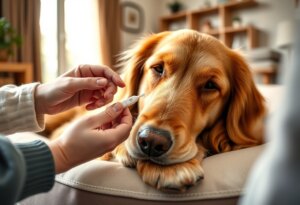
Arthritis medicine for dogs is one of the most searched, and most misunderstood, topics I hear about from pet parents at the sanctuary. Every single day here at Woody’s Place, I watch old bodies move a little slower, a little stiffer, and I get asked the same question over and over: “What can I give my dog for pain that I already have in my medicine cabinet?” I understand the impulse. You love this dog. You want to help right now, tonight, without waiting for a vet appointment. But I need you to hear this from someone who has held a lot of aging dogs through a lot of hard mornings: not everything in your cabinet is safe, and “over-the-counter” does not mean “harmless.”
Let’s talk honestly about what actually works, what’s dangerous, and what real comfort looks like for a dog whose joints are starting to fail her.
Why Senior Dogs Develop Arthritis in the First Place
This isn’t rare. It isn’t something that only happens to “unlucky” dogs. According to the American Animal Hospital Association, an estimated 80% of dogs over age 8 show signs of arthritis. Eighty percent. That means if you have an old dog lying at your feet right now, the odds are stacked toward “yes, this affects her too,” whether you’ve noticed it yet or not.
Arthritis happens because cartilage, the cushion between bones in a joint, breaks down over years of use. Once that cushion thins, bones start grinding closer together. The body responds with inflammation, trying (and failing) to protect the joint. That inflammation is what causes the stiffness, the slow rise from the floor, the hesitation at the top of the stairs.
I’ve watched this progression in dozens of German Shepherds who come through Woody’s Place. It rarely shows up as limping at first. It shows up as:
- Slower to get up after naps
- Reluctance to jump into the car
- A stiff, “warming up” gait for the first few minutes of a walk
- Less enthusiasm for stairs
- Muscle loss in the hind end from favoring one side
Watch for those subtle shifts. Dogs don’t announce pain the way we do. They just quietly do less.
What “Over-the-Counter” Actually Means for Dogs (And Why Human NSAIDs Are Dangerous)
Here’s where I need you to really listen, because this part can genuinely save a life. When people ask about arthritis medicine for dogs that’s “over-the-counter,” they often mean something they can grab off a human pharmacy shelf. Please don’t. Ibuprofen, naproxen, and aspirin are NSAIDs made for human metabolism, and dogs process them completely differently. Even a couple of ibuprofen tablets can cause stomach ulcers, kidney failure, or death in a dog.
Honestly, who thinks a dog’s body works the same as ours? I get why the confusion happens, medicine cabinets are full of pills that look “normal,” but a dog’s liver and kidneys just aren’t built to filter these compounds the way ours are.
Acetaminophen is a different category from NSAIDs, and it is sometimes used in dogs, but only under direct veterinary supervision and at a carefully calculated dose. This is never a decide-it-yourself situation. If your vet has specifically instructed you to use something like Children’s Tylenol Dye-Free Oral Suspension for a short-term situation, follow their dosing instructions to the letter. Do not extrapolate a dose from a human chart. Do not “eyeball it.” Dogs, especially small ones or dogs with liver issues, can be seriously harmed by acetaminophen when dosed incorrectly.

- Children’s Tylenol dye-free: Gentle on children’s tummies; dye-free formulation is also alcohol free, aspirin free; cont…
- Pediatric liquid: Children’s Tylenol dye-free oral suspension contains acetaminophen, a pain reliever and fever reducer;…
- Quick relief: Tylenol starts to reduce fevers in as little as 15 minutes; an effective pain reliever; useful for minor a…
If a product isn’t labeled specifically for canine use and your vet hasn’t explicitly cleared it for your dog by name, treat it as off-limits. This is a sacred trust you hold with this animal. She can’t read the label. You’re the only line of defense she has.
Vet-Reviewed OTC Options That Are Actually Safe for Canine Arthritis Relief
Now for the good news. There’s a real category of safe, dog-specific joint support that falls under true OTC pain relief for dogs, and it can make a genuine difference when used consistently. These aren’t miracle cures, and I’ll never promise you that. But I’ve watched them help old dogs move with more ease.
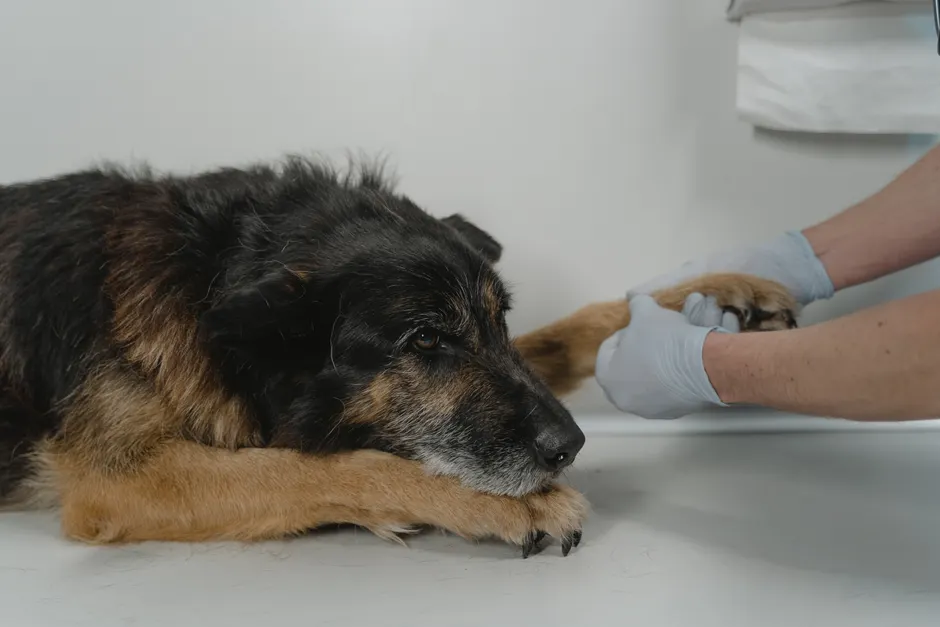
Glucosamine and chondroitin are the backbone of most joint supplements. They support the cartilage matrix and may slow further breakdown. They work slowly, over weeks, not overnight, so patience matters here.
Omega-3 fatty acids (fish oil, specifically EPA and DHA) have some of the better research behind them. A 2020 study published in the Journal of Veterinary Internal Medicine found modest but measurable mobility improvement in arthritic dogs given omega-3 supplementation. Modest. Not dramatic. But in a dog whose whole world has shrunk to the living room and the backyard, modest improvement in mobility is not nothing. It might mean one more walk around the block. One more good stretch in the sun.
Topical anti-inflammatories made specifically for dogs, applied directly to a stiff joint, can offer localized relief without the systemic risk of oral medications. Always check with your vet before layering these with other treatments.
If you want a deeper breakdown of specific brands and dosing strategies, our team put together 5 Best Joint Supplements for Senior Dogs with Mobility Issues, which walks through what to look for on a label and what’s mostly marketing.
Comparing Vet-Safe OTC Options for Canine Arthritis Relief
| Product Type | Best For | Key Ingredients/Features | Onset of Relief | Price Tier |
|---|---|---|---|---|
| Glucosamine/Chondroitin Chews | Long-term cartilage support | Glucosamine, chondroitin, MSM | 4 to 8 weeks | $$ |
| Omega-3 Fish Oil Supplements | Mild to moderate stiffness | EPA, DHA fatty acids | 3 to 6 weeks | $$ |
| Topical Joint Gel/Cream | Localized flare-ups | Menthol, arnica, CBD blends (vet-approved) | Same day to 1 week | $$$ |
| Support Brace (mobility aid, not medicine) | Post-injury or joint instability | Adjustable hinged support, compression | Immediate stability | $$$$ |
| Prescription NSAID (vet-only) | Moderate to severe arthritis pain | Carprofen, Galliprant | 24 to 48 hours | $$$$$ |
None of these table entries are a substitute for veterinary diagnosis. The safest form of arthritis medicine for dogs is always the one your vet has personally cleared for your dog’s weight, age, and organ health.
When OTC Isn’t Enough: Signs It’s Time to Talk to Your Vet
Supplements and topical support have a ceiling. When a dog’s arthritis has progressed past that ceiling, I’ve learned to recognize it fast and act without guilt or delay. Here’s what tells me a dog needs prescription-level arthritis medicine for dogs, not just supplements:
- She’s crying out or flinching when touched near a joint
- She’s refusing walks she used to love
- She’s lost significant muscle mass in her hindquarters
- She’s panting or restless at night from discomfort
- Supplements haven’t shifted anything after 6 to 8 weeks of consistent use
This is when a conversation about prescription NSAIDs like carprofen or Galliprant becomes necessary, not optional. These medications work differently than over-the-counter joint support. They actively block inflammatory pathways and can give a dog her quality of life back within days. If you’re weighing that step, our guide on 5 Best Arthritis Medication for Senior Dogs, Vet Ranked breaks down what vets actually prescribe and why.
Some dogs recovering from joint injury or surgery also benefit from external stabilization while healing. A properly fitted Hinged ROM Elbow Brace, Adjustable Post-Op Support can offer real mechanical relief for dogs dealing with joint instability, though it should always be fitted with guidance from your vet or a canine rehab specialist.
Daily Comfort Measures at the Sanctuary Level
Medicine is only part of the picture. Some of the most meaningful relief I’ve given dogs at Woody’s Place had nothing to do with a pill bottle at all.

Warmth matters more than people think. Cold, damp mornings make old joints seize up. A heated bed or a sunny spot by the window isn’t a luxury, it’s therapy.
Orthopedic bedding takes pressure off compromised joints. A dog sleeping on a thin blanket over hardwood floor is essentially sleeping on the ground. Memory foam support beds distribute weight evenly and reduce the pressure points that make mornings so hard.
Gentle, consistent movement keeps joints from stiffening further. I’m not talking about long hikes. I mean short, slow, frequent walks that keep blood flowing without overtaxing a fragile joint.
And here’s the quiet truth I want you to sit with: watch quality of life, not just pain scores. A dog can be “managed” on paper, medicated, supplemented, comfortable-looking, and still be withdrawing from the world in small, heartbreaking ways. Is she still greeting you at the door? Still asking to go outside? Still finding joy in her food, her people, her sunny spot? Those answers matter as much as any clinical chart.
If your dog is on multiple daily medications, keeping track of dosing schedules gets complicated fast, especially with older dogs juggling joint support, heart medication, and more. A simple Portable Pill Taker Household Gadget has saved me more than once on busy sanctuary mornings when a dozen dogs all need something different.

- EASY TO USE: Simple one-handed operation makes removing pills from blister packs effortless and safe for elderly and dis…
- PORTABLE DESIGN: Compact and lightweight construction allows you to carry this medication aid wherever you need it
- VERSATILE APPLICATION: Works with most standard blister pack medications and helps reduce hand strain during pill extrac…
Nutrition plays a role too. Dogs losing muscle mass from arthritis-related inactivity often need calorie-dense, joint-supportive food to maintain a healthy weight without adding strain to already sore joints. If your senior dog has become too thin or picky, our resource on 5 Best Senior Dog Foods for Weight Gain in 2026 covers options built for exactly this stage of life.
For a broader scientific overview of arthritis in animals and its underlying mechanisms, the American Veterinary Medical Association offers reliable, research-backed guidance on senior pet care that’s worth reading alongside anything I tell you here.
The Real Bottom Line on Canine Arthritis Relief
There is no single perfect answer to canine arthritis relief, and I’d be lying if I told you otherwise. What works is usually a layered approach: safe, dog-specific supplements, careful vet oversight for anything stronger, warmth and orthopedic support at home, and your own close attention to how she’s actually living, not just how she’s medically “managed.”
The dogs who age the most gracefully at our sanctuary aren’t the ones on the most medication. They’re the ones whose people paid close, quiet attention early, and adjusted their care as things changed. That’s the whole secret, really. Attention. Patience. Showing up for the slow mornings.
Can I give my dog human arthritis medicine like ibuprofen?
No. Ibuprofen and other human NSAIDs are toxic to dogs and can cause stomach ulcers, kidney failure, or death even in small doses. Always use arthritis medicine for dogs that is specifically formulated and dosed for canine use, and only under veterinary guidance.
What is the safest OTC option for mild dog arthritis?
Dog-specific glucosamine and chondroitin supplements, along with omega-3 fatty acid supplements, are generally considered the safest starting point for mild joint stiffness. They work gradually over several weeks and have a strong safety profile when dosed appropriately for your dog’s weight.
How long does it take for dog joint supplements to work?
Most joint supplements take between four and eight weeks of consistent daily use before you notice a meaningful difference in mobility. Arthritis medicine for dogs in supplement form is not a fast fix, it works cumulatively, so consistency matters more than the specific brand.
When should I move from OTC supplements to prescription arthritis medication?
If your dog shows pain when touched, refuses walks, loses muscle mass, or shows no improvement after six to eight weeks of supplements, it’s time to talk to your vet about prescription options like carprofen or Galliprant. These forms of arthritis medicine for dogs work faster and more directly on inflammation than supplements alone.
Thank you for loving your old dog enough to ask these questions before reaching for the wrong bottle. That instinct, to pause and get it right, is exactly what good stewardship looks like. Keep watching her closely. Keep showing up for the slow mornings. That’s the whole job.
Tell your pup I said Hi! — Dawn