
Senior dog shedding is one of those things I notice before I even have my coffee in hand. I’ll walk out to the porch here at the sanctuary, and there it is, a soft drift of undercoat tumbling across the boards like it fell from the sky overnight. Some mornings it’s just a normal part of an old dog’s rhythm. Other mornings, my gut tells me something is off, and I’ve learned the hard way to listen to that feeling. If you’re standing in your kitchen right now with a broom in one hand and a worried look on your face, wondering why your graying Lab or Golden is leaving fur everywhere they go, I want you to know you’re not imagining it. And you’re definitely not alone.
I’ve cared for a lot of old souls over the years, mostly German Shepherds, but plenty of Labradors and Golden Retrievers have passed through my life too, either as fosters, neighbor dogs, or friends’ pups I’ve helped through their final chapters. Shedding changes with age. That’s just biology. But how much it changes, and what else comes along with it, tells a story worth paying attention to.
The Aging Coat: What’s Actually Happening Underneath All That Fur
An old dog’s body is doing quieter, slower work than it used to. Skin cells don’t turn over the way they did at two years old. Hormone levels shift. Circulation isn’t as sharp. All of that shows up in the coat, because the coat is really just a mirror held up to the rest of the body.
Senior dog shedding often ramps up because:
- Hair follicles slow their growth cycle, so old hairs sit around longer before falling out, then release in bigger clumps
- Skin becomes drier and less elastic, which weakens the hair’s hold
- Hormonal shifts, especially thyroid related, change coat texture and density
- Reduced activity and muscle mass affect circulation to the skin
Here’s something that surprised me when I first read into it. Veterinary dermatology research shows thyroid dysfunction affects roughly 0.2 to 0.3% of dogs overall, but that number climbs significantly in senior dogs and in breeds already predisposed to it, like Golden Retrievers, according to research published in the Journal of the American Veterinary Medical Association. That’s not a small detail. It means aging dog coat changes in a Golden aren’t always “just getting old.” Sometimes there’s an endocrine story underneath it.
I’ve learned that fur on the floor is rarely just about fur. It’s the body’s way of raising its hand and saying, “hey, pay attention to me.” Honestly, who ignores that kind of message from a dog who’s given them decades of loyalty?
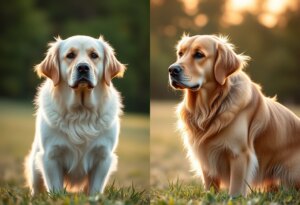
Labrador vs Golden Retriever: How Their Coats Age Differently
If you’ve lived with both breeds, or even just spent time around them at the dog park, you already sense they shed differently. It’s not your imagination. Their coat structure is genuinely built different.
Labradors carry a short, dense double coat. The outer guard hairs are coarse and water-resistant, and the undercoat is thick and insulating. Labs shed steadily year-round, then blow their coat harder twice a year with the seasons. As Labs age, that seasonal “blow out” can become less predictable, sometimes stretching longer, sometimes hitting harder and heavier than it used to.

Golden Retrievers have a longer double coat with feathering on the legs, tail, and chest. That feathering tends to mat more easily as dogs age and groom themselves less thoroughly. Senior Goldens often show more excessive shedding in dogs concentrated in those feathered areas, and because their coat is longer, the shedding is simply more visible. It clings to furniture, clothes, everything.
| Coat Trait | Senior Labrador | Senior Golden Retriever |
|---|---|---|
| Coat Type | Short, dense double coat | Longer double coat with feathering |
| Shedding Pattern | Steady year-round, seasonal spikes | Concentrated in feathered areas, seasonal spikes |
| Common Age-Related Change | Unpredictable, heavier seasonal blow-out | Matting and thinning in feathering, brittle texture |
| Thyroid Risk Factor | Moderate | Elevated (breed predisposition) |
| Grooming Frequency Needed | 2-3 times weekly | Daily to every other day |
Neither pattern is “worse,” they’re just different, and both deserve consistent grooming attention as the dog ages. If joint stiffness is also creeping in alongside those coat changes (which it often does in both breeds), it’s worth reading through this vet-backed guide to senior dog joint supplements to see how mobility and overall wellness tie together.
When Shedding Crosses the Line Into a Red Flag
This is where I get direct, because I’ve seen too many people write off serious symptoms as “oh, she’s just old.” Old age is not a diagnosis. It’s not an excuse to stop investigating.
Call your vet if you notice any of these alongside increased shedding:
- Bald patches or thinning that exposes skin
- Brittle, dull, or straw-like fur texture
- A musty or greasy odor from the skin or coat
- Lethargy, weight gain, or cold intolerance
- Excessive scratching, redness, or flaking skin
According to Cornell University College of Veterinary Medicine, hypothyroidism is one of the most common endocrine disorders diagnosed in senior dogs, and it very often shows up first as coat and skin changes before anything else becomes obvious. That single fact changed how I look at every “shedding is just aging” conversation I have with fellow rescue folks. Dog coat changes paired with sluggish energy or unexplained weight gain deserve bloodwork, not just a new brush.
I’ll be honest here. I’ve made the mistake of chalking things up to age before, back when I was newer to this work. I regret it. Now I treat any sudden shift in coat quality as a conversation starter with the vet, not a shrug-it-off moment.

Supporting Your Senior Dog’s Skin and Coat at Home
Once your vet has ruled out or is managing an underlying issue, there’s a lot you can do at home to support a healthier coat and more comfortable dog.
Omega-3 fatty acids are one of the simplest tools in the box. Fish oil supports skin elasticity and can noticeably reduce flaking and brittleness over a few weeks of consistent use. Pair that with a quality senior multivitamin, like Vita-Tabs Silver for Senior Dogs, which is formulated to support the broader nutritional gaps that show up as dogs age, not just the coat but joints, energy, and overall vitality too.

- Comprehensive Nutrition: Vita-Tabs provide a balanced blend of essential vitamins and minerals to support your dog’s ove…
- Immune System Support: Packed with antioxidants, these tabs help strengthen your dog’s immune system, promoting a robust…
- Healthy Coat and Skin: The inclusion of Omega-3 fatty acids contributes to a lustrous coat and healthy skin, ensuring yo…
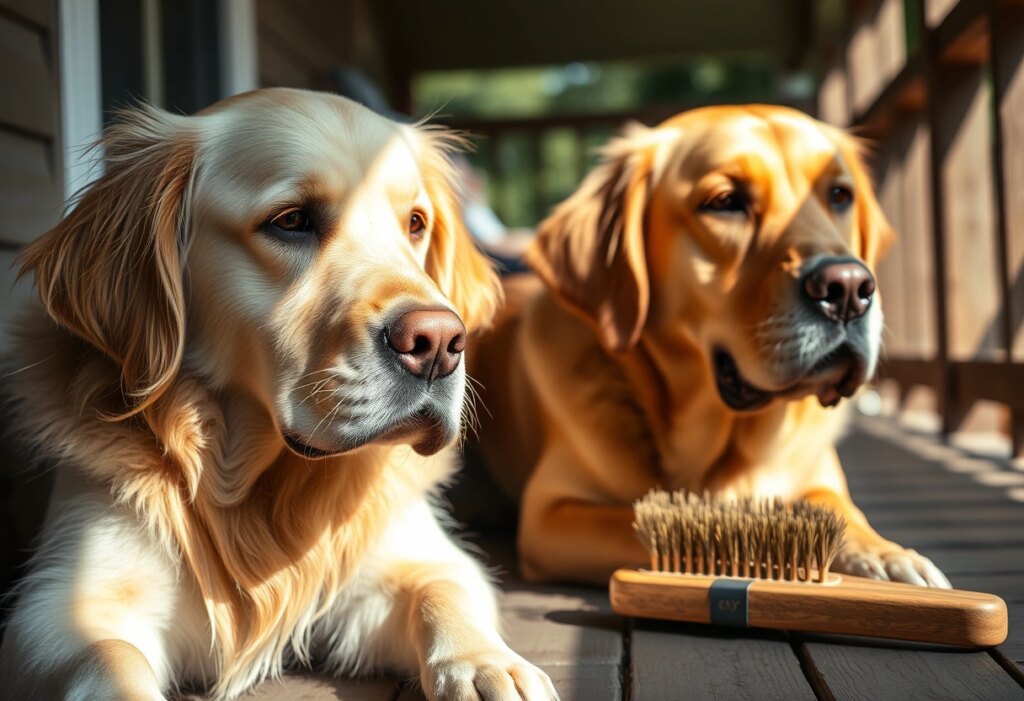
Brushing matters more now than it ever did in puppyhood. A daily or near-daily brushing session does double duty. It removes loose undercoat before it ends up on your couch, and it gives you hands-on time to feel for lumps, dry patches, or tender spots you might otherwise miss. I consider brushing a wellness check disguised as bonding time.
Hydration is another quiet hero. Dry, flaky skin often traces back to a dog who simply isn’t drinking enough, especially if arthritis makes getting up for water bowls a chore. Keep fresh water in multiple easy-to-reach spots.
Comfort also plays a bigger role in coat and skin health than people realize. A dog lying on hard floors or an old, flattened bed develops pressure sores and irritated skin faster, which can worsen shedding in those areas. A supportive option like the Sanctuary Dog Bed Orthopedic Cooling Memory Foam gives pressure relief for aging joints while keeping the coat cleaner and less matted from friction against rough bedding.

- EXCLUSIVE 2-COVER BUNDLE (ZERO DOWNTIME): This Amazon-exclusive set includes the complete Sanctuary Bed plus a bonus rep…
- MODULAR & CUSTOMIZABLE DESIGN: The innovative Quick-Change sleeping surface allows you to refresh your bed’s style insta…
- ORTHOPEDIC FOAM TOPPED WITH A COOLING MEMORY FOAM LAYER: Engineered for superior support, our Orthopedic Foam core has a…
For dogs who run cold, especially in the winter months when dry skin and shedding both tend to spike, gentle supplemental warmth can help circulation and comfort. Something like the SOVPAIT Pet Heating Pad with LED Display gives you controlled, monitored warmth rather than guessing with a heating pad meant for humans.
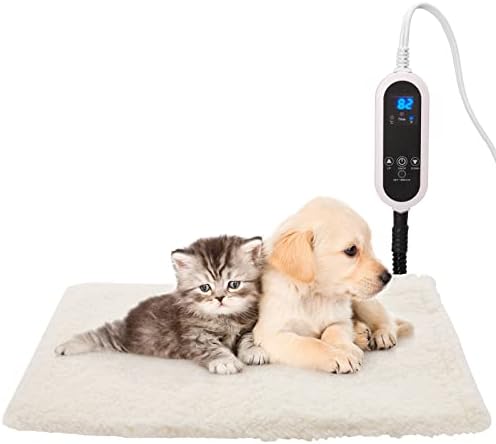
- PET HEATING PAD NEW FUNCTION: Our pet heated mat can observe real-time heating pad temperature, preset temperature and t…
- KEEP PET COMFY: Ajustable temperature absolute temperature control ranges from 80F-140F and can be set to read as Fahren…
- FLEXIBLE FOR ANY SPACE: Ideal waterproof outdoor cat bed for sheds, garages, barns, or any sheltered area your outdoor c…
When Coat Changes Signal It’s Time for a Bigger Conversation
Sometimes senior dog shedding isn’t really about the coat at all. It’s about the whole picture. If your dog’s fur is thinning dramatically, their skin looks unwell, and they’re also slowing down, losing interest in walks, or just seeming tired in a way that feels different from normal old-dog mellowness, that’s worth a broader quality of life conversation with your vet.
This is especially true for Golden Retrievers, who already carry higher lifetime risks for certain health complications. If you’re weighing the realistic demands of caring for an aging Golden, this honest look at senior Golden Retriever disadvantages and real costs to expect lays it out plainly, no sugar coating.
I say this with love, not to scare you: a happiness plan isn’t just for end-of-life. It’s a living document you revisit whenever your dog’s body tells you something has shifted. Aging dog coat changes are often the first quiet whisper before louder symptoms show up. Listening early is a gift you give your dog.
Frequently Asked Questions
Is it normal for senior dogs to shed more than they did when they were younger?
Yes, to a degree. Senior dog shedding often increases because hair follicles slow their growth cycle and skin loses elasticity with age. That said, dramatic increases paired with bald patches, odor, or lethargy should always be checked by a vet rather than assumed to be normal aging.
Do Golden Retrievers shed more than Labradors as they age?
Golden Retrievers often appear to shed more because of their longer feathered coat, which shows loose fur more visibly and mats more easily with age. Labradors shed steadily with heavier seasonal blow-outs. Both breeds experience real dog coat changes with age, just in different patterns.
Can thyroid problems cause excessive shedding in dogs?
Yes. Hypothyroidism is one of the most common endocrine disorders in senior dogs and frequently shows up first as coat thinning, brittle texture, or excessive shedding in dogs before other symptoms like weight gain or lethargy appear. Bloodwork can confirm or rule this out quickly.
What can I do at home to help my senior dog’s coat?
Daily brushing, omega-3 supplementation, proper hydration, and a supportive orthopedic bed to reduce skin friction and pressure sores all help. These steps support healthier senior dog shedding patterns, though any sudden or severe aging dog coat change still warrants a veterinary visit.
So next time you find yourself sweeping up another pile of fur, take a breath before you assume the worst or brush it all off completely. Ask yourself what your dog’s body might be trying to tell you today. That kind of quiet attentiveness is exactly what a good senior year looks like.
Tell your pup I said Hi! — Dawn