The anti-aging dog pill known as LOY-002 has generated more client questions in my inbox this year than any other veterinary topic, and the honest answer to “is it safe” is: we don’t fully know yet, and that uncertainty is precisely what responsible pet parents need to sit with before making a decision. As a behaviorist, I spend my days analyzing risk-benefit tradeoffs in canine welfare, and this drug is a textbook case of exciting science outpacing the safety data needed to back it up.
Let’s get the facts straight first, because a lot of marketing language is circulating that blurs the line between “approved” and “in development.” Loyal, the company behind this compound, has not received full FDA approval for LOY-002. It’s moving through the FDA’s conditional approval pathway under an Investigational New Animal Drug (INAD) file, which allows a manufacturer to begin limited marketing and data collection before the full safety and efficacy dossier is complete. That distinction matters enormously when you’re deciding whether to give a novel compound to a dog who is already navigating the physiological fragility of old age.
What Is LOY-002 and How Does It Work?
LOY-002 is designed as a metabolic modulator, specifically targeting pathways involved in growth signaling, most notably the IGF-1 axis and downstream inflammatory regulators like NF-kB. The working theory, grounded in comparative biology, is that large and giant breed dogs age faster and die younger partly because of elevated IGF-1 signaling established early in development (this is the same biological thread that explains why Great Danes live half as long as Chihuahuas). By modulating that pathway later in life, Loyal’s researchers hypothesize they can slow some of the cellular processes tied to functional decline.
It’s a reasonable hypothesis. IGF-1 and NF-kB pathways are well documented in aging research across mammalian species, and the comparative data on breed-specific lifespan is robust. But a plausible mechanism is not the same as a proven safety profile, and that’s where I want pet owners to slow down. If you’re comparing this to other longevity approaches, our anti-aging dog drug guide covering LOY-002 and rapamycin breaks down how these mechanisms differ, which is useful context before you evaluate risk.
Reported and Theoretical Side Effects
Here’s where the data gets thin, and I say that as a scientist, not as an alarmist. Publicly disclosed trial data on this anti-aging dog pill points to gastrointestinal upset (vomiting, loose stool, reduced appetite) as the most commonly observed adverse event in early cohorts. That’s fairly unremarkable as far as novel compounds go; GI upset is the most common side effect reported across nearly every new veterinary drug class during trial phases.
What concerns me more, from a mechanistic standpoint, is the theoretical immunosuppressive risk. NF-kB is not just an aging-related pathway, it’s also a central regulator of immune cell signaling and inflammatory response. A compound designed to dampen that pathway to slow aging could, in theory, also dampen immune surveillance. Loyal has not published data confirming or ruling out this effect at a population level. The absence of a documented problem is not proof of safety, it’s an absence of data, and those are two very different things clinically.
The Data Gap: Why LOY-002 Side Effects Are Still Poorly Understood
This is the section I want every reader to actually sit with. According to FDA’s own 2023 documentation of the conditional approval pathway, Loyal’s Phase I safety cohorts involved fewer than 150 dogs. That’s a small sample for establishing a safety signal across the breed diversity, comorbidity range, and age spectrum found in the general pet dog population.
Consider what small trial cohorts typically fail to capture: rare adverse events (anything occurring in less than 1 in 100 dogs statistically requires much larger samples to detect), long-term cumulative effects beyond a year or two of dosing, and interaction effects with common comorbidities like kidney disease, heart disease, or cancer, all of which are disproportionately represented in the senior dog population this drug is actually marketed toward. The population Loyal is targeting commercially (aging large-breed dogs) is exactly the population least represented in a trial designed around otherwise healthy dogs.
As a behaviorist and researcher, I always tell clients: a small trial cohort can tell you a drug is probably not acutely dangerous. It cannot tell you a drug is safe for the messy, comorbidity-laden reality of a 12-year-old dog with early kidney changes and a heart murmur. Those are two very different claims, and conflating them is where owners get into trouble.
Risk Stratification for Senior Dogs With Pre-Existing Conditions
Geriatric dogs are not simply “younger dogs with more gray hair.” Their immune systems undergo a well-documented process called immunosenescence, characterized by reduced T-cell diversity and diminished immune surveillance capacity. This isn’t speculative; it’s established in veterinary immunology literature, including Day’s 2010 review in Veterinary Research on the aging immune system in dogs and cats. A senior dog’s baseline immune reserve is already lower than a young adult dog’s, which means any compound with theoretical immunosuppressive properties carries a proportionally higher risk in this population.
Based on this physiology, I’d flag the following as relative or absolute contraindications warranting serious caution before considering this anti-aging dog pill:

- Active or historical cancer diagnosis: Any drug that modulates growth signaling pathways deserves extra scrutiny in a dog with a cancer history, given the biological overlap between growth regulation and tumor behavior.
- Chronic kidney disease: Renal clearance pathways for novel compounds are not yet fully characterized in dogs with pre-existing renal insufficiency.
- Concurrent immunosuppressive medications: Dogs already on drugs like cyclosporine or corticosteroids for autoimmune conditions face compounded, poorly quantified immune risk.
- Recent major surgery or active infection: Immune reserve is already taxed during recovery; adding a novel immune-adjacent compound is not a risk I’d advise taking casually.
For comparison, if joint pain and mobility decline are the primary quality-of-life concern driving interest in longevity drugs, a more thoroughly vetted option is worth discussing with your veterinarian. Our breakdown of the best arthritis medicine for dogs available over the counter covers options with a much deeper safety track record for managing age-related discomfort right now.
Supporting Senior Immune and Metabolic Health While the Data Matures
While the long-term safety data on LOY-002 continues to accumulate, many pet parents are looking at complementary, better-established options to support aging metabolism and immune resilience in the meantime. Traditional herbal approaches have decades of anecdotal and some clinical use in veterinary integrative medicine, though I always recommend discussing any supplement with your vet before combining it with prescription therapies. Garlic extract, when properly processed to remove the compounds toxic to dogs (thiosulfate), has been studied for cardiovascular and immune-supportive properties in low, controlled doses. Products like Zazzee USDA Organic Odorless Garlic 20:1 Extract are formulated specifically to standardize dosing and minimize that risk, which matters more in a senior dog with reduced metabolic reserve.
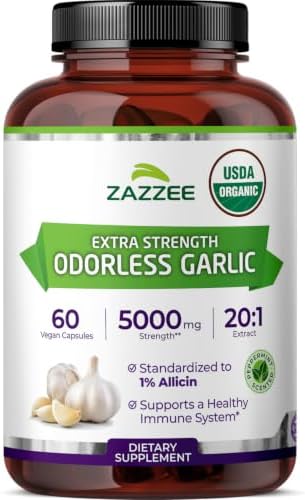
- OUTSTANDING VALUE / ODORLESS: Our Organic Odorless Garlic Extract contains 60 capsules per bottle, is made from a potent…
- USDA CERTIFIED ORGANIC: Any Odorless Garlic that is not CERTIFIED organic can be highly contaminated and even harmful. W…
- POTENT 20:1 EXTRACT / 1% ALLICIN: Our Organic Garlic Extract Capsules are derived from a potent, concentrated 20:1 extra…

- Premium Ingredients: Made with authentic medicinal herbs known for their effectiveness and sourced from natural environm…
- Immune Support: Promotes immune health and aids in the reduction of lumps and bumps, enhancing overall pet well-being.
- Non-Invasive Alternative: A natural, gentle supplement that provides support without the need for invasive procedures.
Comparing Longevity and Support Approaches for Senior Dogs
To help visualize where this anti-aging dog pill sits relative to more established senior support options, I put together this comparison. Price Tier reflects relative cost category only, not a fixed dollar figure, since actual pricing fluctuates.
| Product/Compound | Category | Safety Data Maturity | Best Suited For | Price Tier |
|---|---|---|---|---|
| LOY-002 (Loyal) | Investigational longevity drug | Limited (small Phase I cohort, INAD pathway) | Healthy large-breed dogs under close vet supervision | $$$$$ |
| Zazzee Organic Garlic 20:1 Extract | Herbal immune/cardiovascular support | Moderate (long traditional use, dosing standardized) | Senior dogs needing gentle metabolic support | $$ |
| TCMVET Baituxiao Herbal Supplement | Traditional herbal blend | Limited clinical trial data, traditional use history | Adjunct support alongside vet-directed care | $$ |
| INABA Churu Lickable Treats | Appetite/medication delivery aid | N/A (food product, not a drug) | Dogs needing help taking pills or supplements | $ |
Practical Applications: Getting Reluctant Dogs to Take Any Medication Safely
Regardless of which route you and your vet decide on, whether that’s monitoring bloodwork ahead of a future LOY-002 trial enrollment or simply managing a daily joint supplement, the behavioral hurdle is often the same: getting a senior dog to reliably accept a pill without a stress response. I see this constantly in behavior consults. A dog who associates pill time with restraint and forced mouth-opening will start avoiding you at the sight of the pill bottle, which complicates dosing compliance right when consistency matters most clinically.
My protocol recommendation is simple: pair the pill with a high-value, easily concealed treat rather than fighting the dog physically. Squeezable lickable treats like INABA Churu Cat Treats, Lickable, Squeezable Creamy Puree work well for this purpose in dogs too, since the texture allows a pill to be hidden inside a small dollop, and most dogs find the format highly palatable even with reduced senior appetite. This respects the dog’s agency in the process rather than overriding it with restraint, which lowers cortisol response and preserves trust around future handling.

- MADE WITH WHOLESOME INGREDIENTS YOU CAN TRUST: Every Inaba product is made with yummy high-quality ingredients including…
- KEEP YOUR FELINE HYDRATED WITHOUT ADDING CALORIES: Each delicious, creamy Churu tube contains 91% moisture and only 6 ca…
- FREE OF THE BAD STUFF: Your feline friend is important to us, which is why we’ve kept things like grains, preservatives,…
A Vet-Consultation Decision Framework Before Considering This Drug
If you’re seriously weighing this anti-aging dog pill for your senior dog, I’d walk through the following steps with your veterinarian rather than making a unilateral decision based on marketing material:
- Request full baseline bloodwork: A complete blood count, chemistry panel, and urinalysis establish your dog’s current renal, hepatic, and immune status before introducing any novel compound.
- Screen for the contraindications above: Explicitly rule out active cancer, significant kidney disease, and concurrent immunosuppressive drug use.
- Establish an observational monitoring log: Track appetite, stool consistency, energy level, and behavior daily for at least the first 30 days of any new therapy. Small deviations are easier to catch early than late.
- Schedule recheck bloodwork: Repeat panels at 30 and 90 days to catch subclinical organ or immune changes before they become symptomatic.
- Reassess risk-benefit quarterly: Longevity drugs are not a “set and forget” intervention. Revisit the decision as new trial data or adverse event reports become publicly available.
This kind of structured monitoring approach mirrors what the American Kennel Club recommends broadly for senior dog wellness care, and it’s a framework I use across nearly every geriatric case management plan I build for clients, regardless of which specific intervention is on the table.
Frequently Asked Questions
Is the Loyal anti-aging dog pill FDA approved yet?
No. As of current public documentation, LOY-002 is moving through the FDA’s conditional approval pathway under an Investigational New Animal Drug file, not full standard approval. This allows limited marketing while additional safety and efficacy data is collected, but it is not the same regulatory bar as a fully approved drug.
What are the most common LOY-002 side effects reported so far?
Gastrointestinal upset, including vomiting, loose stool, and reduced appetite, has been the most commonly reported adverse event in early cohorts. Theoretical immunosuppressive effects tied to the drug’s mechanism have not been ruled out or confirmed at a population level due to limited long-term data.
Should senior dogs with kidney disease or cancer take this anti-aging dog pill?
I would advise strong caution. Dogs with chronic kidney disease, active or historical cancer, or those on concurrent immunosuppressive medications fall into higher-risk categories given the drug’s mechanism and the current lack of long-term safety data in these subgroups. A thorough vet consultation with baseline bloodwork is essential before proceeding.
How small was the original safety trial for this dog longevity drug?
According to FDA’s 2023 documentation of the conditional approval pathway, Loyal’s Phase I safety cohort involved fewer than 150 dogs. That sample size is not large enough to reliably detect rare adverse events or long-term risks across the diverse comorbidity profiles found in the broader senior dog population.
The science behind this anti-aging dog pill is genuinely interesting, and I don’t dismiss the underlying research. But interesting mechanism and adequate safety data are not the same thing, and senior dogs with reduced physiological reserve deserve owners who ask hard questions before enrolling them in the next chapter of that research. Talk to your veterinarian, get the bloodwork, and let the data mature before making this call for a dog who is already navigating the vulnerabilities of old age.