A waterproof dog bed is not a luxury item for an incontinent senior dog. It is a functional medical accommodation, and choosing the wrong one will cost you in odor, in laundry hours, and in your dog’s willingness to use the bed at all. Before we get into foam density and seam construction, I want to address the behavioral misattribution I hear most often in my consult room: the assumption that an older dog who wets the bed is being “lazy” or “stubborn.” That framing is not supported by what we know about canine motivation, and it matters because it shapes how owners respond, sometimes punitively, to a problem that is almost always physiological.
Why Senior Dogs Leak: It’s Physiology, Not Attitude
Urinary incontinence in aging dogs is most commonly the result of urethral sphincter mechanism incompetence (USMI), a mechanical failure of the muscle that holds urine in the bladder during rest. It happens most while the dog is asleep or deeply relaxed, which is precisely why it shows up on bedding rather than during a walk. There is a second, less discussed pathway too: canine cognitive dysfunction (CCD), the dog dementia analog to Alzheimer’s, which disrupts the learned association between bladder pressure and the appropriate elimination context. In both cases, the dog is not choosing to soil the bed. The behavior is involuntary in the first case and cognitively disorganized in the second. Punishing either only adds a stress physiology component (elevated cortisol, anticipatory anxiety around the owner) on top of an already compromised system, and stress itself can worsen both frequency and volume of leakage. A waterproof dog bed removes the emotional charge from the cleanup, which is good for you and good for the dog’s sense of safety in its own resting space.
Owners frequently tell me their dog “knows” it did something wrong because it looks guilty after an accident. That look is appeasement behavior triggered by the owner’s tone and posture, not evidence of comprehension of the original act. Treating incontinence as a training failure delays the diagnostic workup the dog actually needs.
Material Breakdown: What Actually Keeps Moisture Out
Not all products marketed as a waterproof dog bed perform the same way once fluid hits the surface. There are two dominant construction approaches, and the difference matters more than most product listings let on.
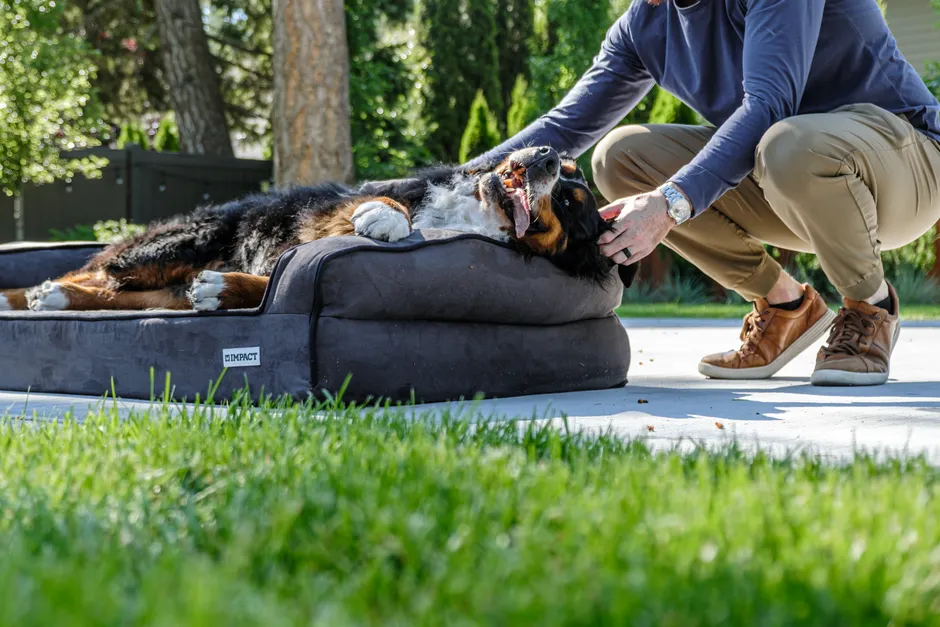
- Welded (heat-sealed) waterproof liners: The inner barrier layer is fused with heat rather than stitched, which eliminates needle perforations. This is the gold standard for true liquid containment because sewn seams, even with waterproof thread, create thousands of micro-holes that liquid will eventually track through.
- Absorbent pad inserts: These wick moisture into a padding layer rather than repelling it outright. They work reasonably well for light dribbling but saturate quickly with a full-bladder accident, and once saturated, moisture sits against the dog’s skin, raising the risk of urine scald and secondary dermatitis.
- Sewn waterproof covers (budget tier): Common on lower-cost beds. Functional for spills, but seam leakage after repeated saturation is the most frequent complaint in this category, and odor tends to migrate into the foam core over time.
For a dog with diagnosed incontinence rather than occasional accidents, I recommend prioritizing welded-seam construction over absorbent-pad designs. The SOMAHE Waterproof Oxford Bolster Dog Bed uses this fully sealed approach with an Oxford fabric exterior, and the bolster edges give an anxious or arthritic dog something to lean against, which can reduce the restlessness that sometimes precedes nighttime accidents.

- Double Waterproof Protection: The Black & Dark Gray Oxford fabric cover and TPU-backed inner liner help block spills, we…
- Machine Washable Cover: The outer cover and center cushion cover are removable for easy washing. Wash cold, do not bleac…
- Bolster Couch for Small-Medium Dogs: The 24x19x9 in size is a practical fit for many French Bulldogs, Corgis, Beagles, S…
The Scale of the Problem: What the Data Actually Shows
Owners often assume their dog’s leaking is an isolated, unusual case. It is not. A 2019 study published in the Journal of Veterinary Internal Medicine found that urinary incontinence affects an estimated 20% of spayed female dogs over age 8, a figure that surprises most first-time owners of a senior dog. This is a hormonally mediated decline in urethral tone tied to estrogen loss following spay, layered onto the general muscular atrophy of aging. The practical implication is that a waterproof dog bed is not a niche accessory. It is, statistically, a mainstream need for anyone with an aging female dog, and demand for functional, medically appropriate bedding solutions should be treated as a normal part of geriatric care planning rather than a reactive purchase made after the first ruined mattress.
Don’t Sacrifice Joint Support for Water Resistance
Here is where I see the most buying mistakes. Owners shopping specifically for incontinence solutions gravitate toward thin, wipeable mats because they look easiest to clean. But the Journal of the American Veterinary Medical Association reports that over 80% of dogs over age 8 show radiographic evidence of osteoarthritis. That statistic should reframe the whole purchase decision. A thin waterproof mat does nothing for a dog whose hips and elbows need pressure-distributing support to get up and down without pain, and a dog that avoids lying down due to joint discomfort is also a dog more likely to posture awkwardly during elimination, which increases the odds of an accident happening off the intended surface entirely.
Orthopedic support and waterproofing are not competing priorities. They need to coexist in the same product. The Egg Crate Foam XXL Pet Bed with Removable and Washable cover pairs a contoured, pressure-relieving foam core with a removable waterproof-lined cover, which lets you address both variables at once rather than choosing one over the other. This also matters if your dog already uses a nighttime crate for senior dogs, since crate mattresses take the same joint-versus-moisture tradeoff and benefit from the identical foam-plus-liner logic.
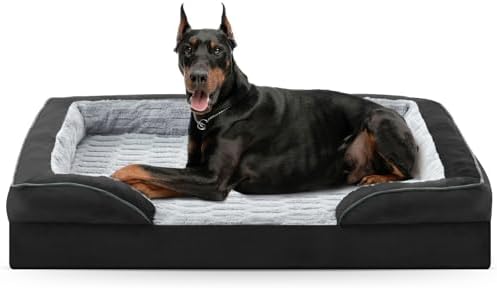
- Orthopedic Support: Our orthopedic dog sofa is designed to give your pet support for a comfortable deep sleep. High-dens…
- Bolster Sofa Bed Design: Our dog couch 4-sided bolster design promotes ultimate comfort and security, offering pets a va…
- Comfortable Surface Fabric: The pet bed adopts a luxurious Jointed pattern short plush as the surface material, the skin…
Comparing the Top Options for an Incontinent Senior Dog
Below is a side-by-side comparison of the three products discussed in this guide, evaluated on the variables that matter most for an incontinent, arthritic senior dog: liner construction, foam density, washability, and relative cost tier. Note that all pricing is shown as a relative tier, not a fixed dollar figure, since actual listed prices change frequently on Amazon.

| Product | Liner Type | Foam/Support Level | Washability | Best For | Price Tier |
|---|---|---|---|---|---|
| Egg Crate Foam XXL Pet Bed | Removable waterproof-lined cover | High (contoured egg-crate foam) | Machine-washable cover, spot-clean foam | Large-breed dogs with concurrent osteoarthritis | $$$ |
| SOMAHE Oxford Bolster Bed | Fully welded waterproof Oxford fabric | Moderate (bolster-supported cushion) | Fully machine-washable, quick-dry | Dogs prone to full-bladder accidents overnight | $$ |
| Snoozy Rustic Luxury Mattress Pet Bed | Waterproof-backed mattress ticking | High (dense mattress-style core) | Removable cover, machine-washable | Owners wanting a premium, US-made mattress feel | $$$$ |
A Third Option: The Mattress-Style Approach
For owners who want something closer to a true mattress than a crate pad, the Snoozy Rustic Luxury Mattress Pet Bed is manufactured domestically and uses a dense core under a waterproof-backed ticking. This is a premium investment tier product, and I recommend it specifically for dogs who spend most of the day resting in one fixed location, such as beside a couch or a bed, where the dog’s full body weight is distributed across the surface for extended stretches. Dense, mattress-style support in that scenario reduces pressure point contact, which is directly relevant to comfort in a dog with osteoarthritis in the shoulders or hips.

- Perfect for medium to large sized dogs
- Overstuffed to offer the maximum in comfort
- Non-skid bottom keeps bed in place on any floor type
A Practical Buyer Checklist and Home Test
Before committing to any single waterproof dog bed, run through this checklist. I frame this as an antecedent-management exercise, meaning you are adjusting the environment proactively so that an involuntary physiological event does not turn into a stressful cleanup crisis for either you or the dog.
- Seam inspection: Look closely at the product photos or description for “welded,” “heat-sealed,” or “seamless” liner language. Sewn seams alone are a red flag for a dog with moderate to severe incontinence.
- Washability cycles: Confirm the cover is machine-washable and check the manufacturer’s stated cycle durability. A cover that degrades after ten washes will not hold up to daily laundering.
- Chew-resistant zippers: Cognitively declining dogs sometimes scratch or mouth at bedding zippers. A covered or reinforced zipper track prevents accidental ingestion of small parts.
- Non-slip base grip: A rubberized or textured bottom prevents the bed from sliding on hardwood or tile, which matters directly for a dog with reduced proprioception or vestibular changes common in senior cognitive decline.
- The 48-hour odor-retention test: After the first wash, let the bed dry fully, then leave it in a low-traffic room for 48 hours before returning it to regular use. Smell the surface directly. If a chemical or residual odor is detectable at that point, it will likely intensify with the dog’s body heat and is a sign the liner material is retaining moisture rather than fully shedding it.
This checklist matters because a mismatched bed does not just fail on cleanliness. A dog that associates its resting spot with lingering odor or dampness may begin avoiding the bed altogether, which paradoxically increases house-soiling elsewhere in the home. According to the ASPCA, maintaining consistent, comfortable resting environments is a core component of quality-of-life management in aging pets, and bedding selection is a direct, controllable variable in that equation.
When to Loop In Environmental Management Beyond the Bed
A waterproof dog bed solves the resting-surface half of the problem, but total household management sometimes requires a wider lens. If your dog also experiences distress when left alone overnight, layering in the strategies from our guide on managing dog separation anxiety with crates and diffusers can reduce the anxiety-driven cortisol spikes that sometimes worsen incontinence frequency. Anxious arousal states increase bladder pressure sensitivity in dogs the same way they do in humans, so addressing anxiety alongside bedding choice is not a tangential recommendation. It is a physiologically connected one.
Frequently Asked Questions
Is a waterproof dog bed enough on its own to manage senior incontinence?
No. A waterproof dog bed manages the cleanup and comfort side of incontinence, but it does not address the underlying cause. Any new or worsening incontinence should be evaluated by a veterinarian, since conditions like urethral sphincter mechanism incompetence are often manageable with medication such as phenylpropanolamine, and ruling out urinary tract infection or kidney disease is essential before assuming the leakage is purely age-related.
How often should I wash a washable dog bed used by an incontinent dog?
For a dog with frequent accidents, plan to wash the cover every two to three days, or immediately after any full-bladder event. Leaving urine to sit, even on a waterproof-lined surface, allows bacteria to colonize the fabric surface and produce the ammonia smell that becomes progressively harder to remove the longer it sets.
Will surgery fix my senior dog’s incontinence completely?
Don’t count on surgery to work miracles. Procedures like colposuspension or urethral bulking agents can improve sphincter function, but success rates vary, and many dogs still need supportive management, including medication and appropriate waterproof bedding, even after a procedure. Surgery is one tool in the plan, not a guaranteed standalone fix.
Should I get an orthopedic waterproof bed even if my dog doesn’t have diagnosed arthritis yet?
Yes, and the data supports being proactive here. Since more than 80% of dogs over age 8 show radiographic evidence of osteoarthritis, most senior dogs have some degree of joint change even before visible lameness appears. An orthopedic waterproof bed provides preventive pressure relief while also solving the incontinence cleanup issue, so there is little downside to choosing supportive foam construction early.
Choosing the right waterproof dog bed comes down to matching construction to your dog’s actual clinical picture rather than shopping by price alone. A dog with mild, occasional dribbling and no joint disease has different needs than a dog managing both moderate osteoarthritis and daily USMI-driven leakage. Run the 48-hour test, check the seams, and treat the purchase as part of a broader geriatric care plan rather than a one-time fix. Your dog’s resting space should feel safe and dry, not like a source of daily stress for either of you.