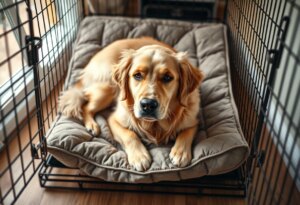
Orthopedic dog beds aren’t a luxury for an aging pup with sore hips. They’re one of the simplest, most effective ways to ease pain you can’t always see, especially in the quiet hours when your dog is trying to rest but can’t quite get comfortable. I’ve watched this play out on the floor of my own sanctuary more times than I can count, and I promise you, the right bed changes everything.
Let’s start here: your old dog isn’t being dramatic when she circles the bed three times, sighs heavily, and finally collapses in a heap. That’s arthritis talking. That’s a body that’s carried decades of joy (and jumping, and running, and years of just being a dog) finally asking for a little mercy. A supportive surface isn’t about spoiling her. It’s about giving her body what it needs to actually rest.
Why Aging Joints Need More Than a Fluffy Bed
Here’s the thing nobody tells you when you bring home a senior rescue or watch your own dog gray at the muzzle: a soft bed and a supportive bed are not the same thing. Fluff feels nice under your hand in the store, but it compresses fast under a sixty-pound body and offers almost nothing by morning. What your dog’s joints actually need is even weight distribution, something that cradles the hips and shoulders without letting them sink all the way to the floor.
This isn’t just sanctuary intuition talking. The American Animal Hospital Association’s senior care guidelines point to supportive surfaces as a real factor in reducing pain-related waking at night for dogs with osteoarthritis. Think about that for a second. Every time your dog shifts and grunts and resettles at 3 a.m., that’s a break in restorative sleep, and sleep is when bodies repair. Good orthopedic support isn’t cosmetic. It’s part of pain management.
Memory foam does something a regular cushion can’t. It conforms to the shape of the dog, redistributing weight away from pressure points like the hips, elbows, and shoulders, the exact joints that take the hardest hit from arthritis and hip dysplasia. If you’re already managing your dog’s discomfort with things like home remedies for dog arthritis, a properly supportive bed works alongside those efforts instead of undoing them every night.
How to Spot True Orthopedic Support vs. Marketing Fluff
I wish I could tell you every bed with “orthopedic” stamped on the label actually delivers. It doesn’t. That word gets slapped on packaging the way “natural” gets slapped on dog treats, which is to say, loosely and often without much behind it.
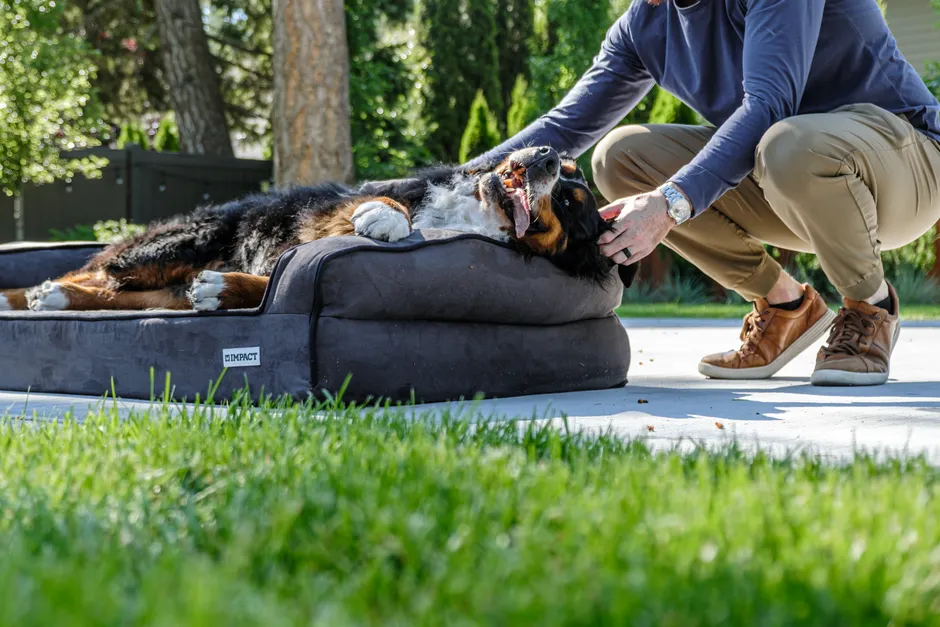
Here’s what actually separates real orthopedic dog beds from marketing:
- Foam density matters more than thickness. A thick bed made of low-density foam will still bottom out. Look for high-density memory foam, ideally 3 to 4 inches for large senior dogs, that holds its shape under sustained weight.
- Recovery time tells the truth. Press your fist into the foam and hold it. Real orthopedic foam slowly returns to shape. Cheap foam either snaps back instantly (no support) or stays dented (already broken down).
- Check the base layer. Many quality beds layer a firmer support base under the memory foam so your dog isn’t just sinking to the floor.
- Washable covers aren’t optional. Senior dogs have accidents. A bed you can’t launder becomes a bed you’ll want to throw away within a month.
One option that gets this balance right is the Bedsure ComfyFleece Memory Foam Orthopedic Dog Bed. It pairs genuine memory foam with a soft fleece cover that’s actually removable and machine washable, which matters more than people realize until they’re dealing with muddy paws or a senior dog who isn’t always able to hold it through the night.
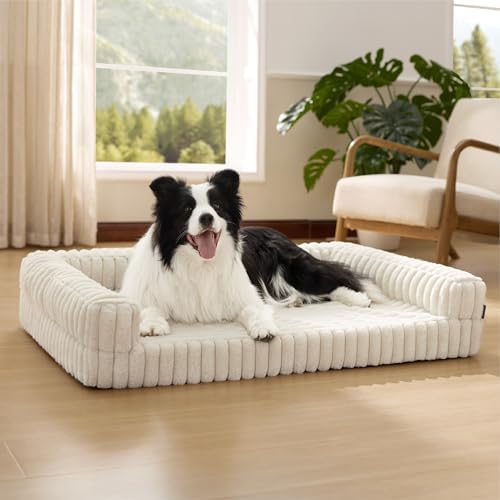
- Orthopedic Memory Foam Support: Experience a perfect combination of two of our signature fabrics. High-density memory fo…
- Enhanced Function & Comfort:Our orthopedic dog sofa is thoughtfully designed with a three-sided bolster providing unmatc…
- Supremely Soft Textures Embodied in Versatile Minimalism:Our spacious and cozy dog bed, crafted with supremely soft faux…
What Sanctuary Life Has Taught Me About Beds and Broken-Down Bodies
At Woody’s Place, most of the dogs who come through our gates are old, and a lot of them arrive with hips that have given up asking nicely for help. I can’t tell you how many times I’ve watched a new arrival, stiff and guarded, finally exhale and stretch out flat on a properly supportive bed for the first time in what was probably years.
That’s not me being sentimental. That’s what happens when pain finally has somewhere to go.
Watching a dog who’s been sleeping on hard floors for years finally sink into real support and let their guard down, that’s the moment you understand why this matters. It’s not about comfort in the abstract. It’s about a body that’s been braced against pain finally getting permission to relax.
Veterinary orthopedic research backs up what I’ve seen with my own eyes: up to 20% of dogs over age 7 show clinical signs of osteoarthritis, and for many, that number is likely underreported because dogs are quiet sufferers by nature. They don’t announce their pain the way we do. They just slow down, get choosier about where they lie, and start avoiding stairs. If you’re unsure how much discomfort your dog is masking, our quality of life scale for dogs is a good way to get an honest read on where things stand.
One of our sanctuary dogs, a German Shepherd with hip dysplasia so advanced her x-rays made the vet wince, went from refusing to lie down fully to sleeping stretched out on her side within two weeks of switching to a proper orthopedic bed. Same dog. Same medications. The only variable that changed was what her body was resting on. That’s not a coincidence. That’s physics meeting biology.
Placement, Warmth, and Easy Access for Dogs Who Struggle to Rise
Here’s something people overlook constantly: it doesn’t matter how good the orthopedic dog beds is if your dog can’t get onto it without straining. Bed height and edge design matter just as much as the foam inside.
A few things I’ve learned the hard way over the years:

- Low profile matters for dogs with weak rear legs. A bed that sits too high off the ground forces a painful climb, which defeats the purpose entirely.
- Bolstered edges help dogs who like to rest their head on something, but avoid deep, high walls that make entry difficult for a dog with limited mobility.
- Keep it away from drafts and cold floors. Aging joints stiffen in the cold, and tile or concrete floors pull heat right out of a dog’s body even through a bed.
- Non-slip bottoms are non-negotiable for dogs with any hind-end weakness. A bed that slides when they try to lie down can actually cause a fall.
For dogs who need something with a bit more structure and rise, the Orthopedic Dog Bed for Large Sized Dogs, XL Dog Couch Bed gives a couch-style silhouette with a low entry point, which works well for dogs who like the security of bolstered sides but can’t manage a high step-in.
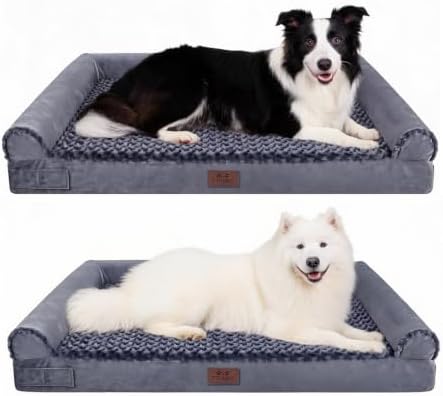
- This large dog bed measures 42″ x 28″ x 7″ (4″ bolstered side) and is ideal for large dogs up to 90 lbs. It comes as a s…
- Crafted for Comfort: Our high-density egg crate foam orthopedic dog bed helps distribute weight evenly, supporting your …
- Soft Velvet and Waterproof Protection: The plush velvet surface features a stylish rose pattern, offering a calming, ant…
If your senior dog also struggles with restlessness at night, whether from pain or age-related anxiety, it’s worth pairing the right sleep surface with something calming. We’ve covered gentle options in our guide on calming aids for senior dogs who bark at night, and the two strategies genuinely work better together than either one alone.
Comparing Orthopedic Dog Beds Side by Side
I know staring at a wall of similar-looking products online is exhausting, so here’s a straightforward breakdown of the three options we’ve mentioned, side by side.
| Product | Support Type | Cover | Best For | Price Tier |
|---|---|---|---|---|
| Orthopedic Dog Bed, XL Dog Couch Bed | Bolstered foam base, couch-style | Removable, washable | Dogs needing head/back support with low entry | $$$ |
| Bedsure ComfyFleece Memory Foam Bed | High-density memory foam | Fleece, removable, machine washable | Dogs needing pressure-point relief and warmth | $$ |
| INVENHO Fluffy Orthopedic Egg-Crate Bed | Egg-crate foam for airflow and support | Plush, removable | Dogs who run warm or live in humid climates | $$ |
The INVENHO Fluffy Orthopedic Dog Bed with Egg-Crate Foam deserves a mention here specifically for dogs who run hot at night. The egg-crate design allows airflow underneath the body, which matters a lot for thick-coated breeds like Shepherds or Retrievers who otherwise overheat on solid foam blocks.

- ORTHOPEDIC SUPPORT: Give your pet the true comfort with this fluffy orthopedic dog bed. Featuring an ultra-soft fluffy f…
- COMFORT AS PRIORITY: Three-sided bolster providing unmatched cushioning for ultimate comfort and security and providing …
- SUPERIOR SOFTNESS SLEEP SURFACE: This calming long plush orthopedic dog bed surrounding your pet in soft, supportive com…
None of these are what I’d call a high-end luxury investment, but they each represent a genuine mid-tier to great-value option depending on your dog’s specific needs. Skip anything priced suspiciously low with the word “orthopedic” plastered everywhere. That’s usually a sign the foam inside is nowhere near what your dog actually needs.
A Gentle Checklist for Transitioning Your Senior Dog to a New Bed
Old dogs are creatures of habit, and change, even good change, can unsettle them. I’ve learned to introduce new orthopedic dog beds slowly and with patience, not just plop them down and expect instant gratitude.
- Place the new bed next to the old one first, rather than removing the familiar bed outright. Let your dog choose when they’re ready.
- Add a worn blanket or shirt with your scent on it to make the new surface feel safe faster.
- Watch how they rise, not just how they lie down. If getting up seems harder on the new bed, the height or firmness may need adjusting.
- Give it at least a week before deciding it’s not working. Sore joints sometimes take a few nights to trust a new surface.
- Keep the bed in a consistent, quiet spot. Senior dogs, especially those with vision or hearing loss, do best with predictable environments.
According to the American Kennel Club, environmental modifications like supportive bedding are considered a core part of managing canine arthritis alongside medical treatment, not an optional add-on. That’s worth sitting with for a moment. This isn’t pampering. This is care.
Key things to remember:
- Real orthopedic support comes from foam density and structure, not the word “orthopedic” on a label.
- Up to 20% of dogs over age 7 show signs of osteoarthritis, often silently.
- Bed placement, warmth, and low entry height matter as much as the foam itself.
- Transitioning slowly reduces stress and builds trust in the new bed faster.
Frequently Asked Questions
How do I know if my senior dog actually needs orthopedic dog beds instead of a regular bed?
If your dog struggles to get comfortable, shifts position frequently at night, groans when lying down, or has been diagnosed with arthritis or hip dysplasia, that’s a strong sign regular bedding isn’t cutting it anymore. Watch for stiffness after rest too, since that often means the sleeping surface isn’t offering enough support.
What’s the difference between a memory foam dog bed and a regular cushion bed?
A memory foam dog bed conforms to your dog’s body shape and redistributes weight evenly across joints, while a regular cushion bed simply compresses under weight without offering targeted pressure relief. For dogs with arthritis, that difference translates directly into better sleep quality and less morning stiffness.
How often should I replace my dog’s orthopedic bed?
Most quality orthopedic dog beds hold their supportive shape for 12 to 18 months with daily use, though heavier dogs may compress the foam faster. Once you notice the bed no longer springs back after your dog gets up, it’s time to replace it, since that means the joint support bed function is gone even if it still looks fine.
Can the right bed really improve senior dog mobility over time?
Yes, though it works best alongside other care like vet-approved supplements, weight management, and gentle exercise. Better overnight rest reduces inflammation-related stiffness, which often makes mornings noticeably easier for dogs dealing with reduced senior dog mobility.
Your dog gave you everything when their body could still keep up. The least we can do now is give them somewhere soft and true to rest it. If you take one thing from all this, let it be that orthopedic dog beds are a form of care, not a convenience, and your old dog deserves that kind of attention paid to something as simple as where they sleep.
Tell your pup I said Hi! — Dawn