
A mini golden retriever is not a smaller version of the dog you grew up with. It’s a cross, most often a Golden Retriever bred with a Poodle or Cocker Spaniel, and while the puppy photos are undeniably charming, the long-term health picture is a lot more complicated than most breeder websites let on. I’ve spent enough years around aging dogs at the sanctuary to know that what happens at eight weeks old rarely tells you what’s coming at eight years old. So let’s talk honestly about what you’re really signing up for.
What Exactly Is a Mini Golden Retriever?
First things first. There is no such breed recognized by the American Kennel Club. A miniature golden retriever (sometimes marketed as a “Comfort Retriever”) is a designer mix, typically Golden Retriever crossed with a Poodle or Cocker Spaniel, sometimes bred back over a few generations to stabilize size and coat. It’s the same basic idea as a Goldendoodle, just leaning harder into the “small” branding.
That word “breed” gets thrown around loosely in marketing copy, and it matters. When you cross two distinct gene pools, you’re not just blending the good traits. You’re also blending whatever health baggage each parent breed carries. There’s no long, standardized breed history here to fall back on, no century of selective refinement. It’s a relatively new experiment, and buyers are often the ones absorbing the risk.
If you’re weighing a mixed breed against a purebred for a specific lifestyle, it helps to look at how those comparisons actually play out in daily life. I’d point you toward this piece on Golden Retriever Mix vs Purebred for Working Owners for a grounded look at that decision.
The Pros Breeders Love to Sell
I’m not here to tell you there’s nothing good about a mini golden retriever. There genuinely is, and it’s worth naming plainly:
- Smaller footprint. Easier to lift into a car, easier to manage on stairs, easier for apartment living.
- Gentle, biddable temperament. Many inherit the classic Golden warmth paired with Poodle intelligence.
- Lower physical strain on owners. A 35-pound dog is a very different daily commitment than a 70-pound one, especially for older adults or anyone with mobility limits of their own.
- Potentially lower shedding. Depending on the coat genetics inherited, some do shed less than a standard Golden.
These are real, legitimate reasons someone might choose this cross. I just want you walking in with eyes open, not dazzled by a cute name and a waitlist deposit.
The Cons Nobody Puts in the Brochure
Here’s where I get a little more direct, because *this is the part glossy websites skip right over.*

Mixed breeding, especially early-generation crosses, means unpredictable genetics. You might get the coat you wanted. You might not. You might get the temperament promised in the listing. You might get something else entirely. Litters from the same parents can vary wildly in size, coat texture, and even personality.
Honestly, who thinks buying a dog for its “look” is the same as knowing its health future? These are two completely different things, and conflating them does a disservice to the dog and the family bringing it home.
And then there’s the health inheritance question, which is the heart of what I want you to sit with. A miniature golden retriever doesn’t get to skip the genetic risks carried by its Golden Retriever parent just because it’s smaller. Hip dysplasia, elbow dysplasia, and cardiac issues like subvalvular aortic stenosis are all documented concerns in the Golden line, and crossing with a Poodle or Cocker Spaniel doesn’t erase that risk. Cocker Spaniels bring their own baggage too, including certain eye conditions and ear infections tied to their floppy ear structure.
Nobody hands you that list at pickup day. They hand you a leash and a bag of puppy food.
What Breeders Won’t Tell You About Long-Term Health
This is the section I really want you to read twice.
The Morris Animal Foundation’s Golden Retriever Lifetime Study is one of the largest, most rigorous health tracking efforts ever done on this breed, following thousands of dogs across their entire lives. What they’ve found is sobering: roughly 60% of Golden Retrievers die of cancer, a rate significantly higher than most other breeds. That statistic doesn’t disappear because you crossed the Golden with a Poodle. Genetic predispositions don’t get diluted evenly or predictably just because a puppy is marketed as “mini.”
The American Kennel Club cites an average lifespan of 10 to 12 years for the Golden Retriever, and that number is the benchmark against which every mini version should be measured, not against some rosier claim on a breeder’s site. When a seller tells you mixing in Poodle genetics automatically improves longevity or lowers cancer risk, ask them to show you the data. Usually, there isn’t any. Poodles themselves aren’t risk-free either. They carry their own predispositions toward conditions like Addison’s disease and certain eye disorders.
This is where golden retriever mix health issues become the real conversation, not coat color or how “teddy bear” the puppy looks in photos. A responsible breeder should be talking to you about cardiac clearances and hip scores before they ever mention how fluffy the litter turned out.
If you’re specifically weighing a Golden crossed with a herding breed instead, the health considerations shift again, and it’s worth reading up before committing. This breakdown on the Golden Shepherd Mix: What to Know Before You Adopt covers a lot of the same territory from a different angle.

Comparing the Realities: Mini Golden Retriever at a Glance
I put this table together to give you something concrete to reference, because vague reassurances don’t help anyone make a real decision.
| Factor | Mini Golden Retriever (Golden x Poodle/Cocker) | Purebred Golden Retriever | Price Tier |
|---|---|---|---|
| Average Adult Weight | 20-45 lbs (highly variable) | 55-75 lbs | $$$ |
| Genetic Predictability | Low to moderate, depends on generation | High, established breed standard | N/A |
| Known Cancer Risk | Inherited risk from Golden line, unstudied long-term | Approx. 60% (Morris Animal Foundation) | N/A |
| Average Lifespan | 10-15 years (limited data, wide variance) | 10-12 years (AKC benchmark) | N/A |
| Coat Maintenance | Moderate to high, curl-dependent grooming | Moderate, seasonal shedding | $$$ |
| Purchase Cost (Reputable Breeder) | Often higher due to “designer” marketing | Established, standard pricing | $$$$ |
Aging Well: What to Ask and Watch For
If you’re set on bringing home a mini golden retriever, please don’t let anyone rush you past the paperwork. Before any deposit changes hands, ask for:
- OFA hip and elbow clearances for both parent dogs, not just one.
- Cardiac clearance documentation, ideally from a board-certified cardiologist.
- Genetic testing results for known breed-specific conditions in both parent lines.
- Honest answers about how many generations removed the “mini” line actually is.
If a breeder gets defensive or vague about any of this, that tells you something important. Walk away. *This is a sacred trust you’re entering into with a living being*, not a transaction you should rush because the puppy pictures are adorable.
Once your dog is home, the work of aging well starts early, honestly earlier than most people expect for a “small” dog. Joint support matters from middle age onward, not just in the senior years. Weight management is non-negotiable, since even a few extra pounds put outsized strain on a smaller frame carrying inherited joint risk. Regular vet screenings, especially cardiac rechecks and orthopedic evaluations, should become a routine part of life, not a reaction to a limp you finally noticed.
For dogs entering their golden years (pun fully intended), a little seasonal comfort goes a long way too. Something like a Huxley & Kent Holiday Dog Bundle can offer a cozy, low-stress way to keep an aging mixed breed warm and comfortable during colder months, without asking their joints to do more than they can handle.

- CHRISTMAS & HOLIDAY DOG ACCESSORY – Our Huxley & Kent holiday hats are the easiest way to dress up your dog or cat this …
- DURABLE & COMFORTABLE – Easily wrap the scarf around your pet’s neck and tuck the ends into an attached loop for a secur…
- EASY ATTACHMENT – Every pet hat features Snugfit technology, which includes two sets of stretchy elastic bands for comfo…
If you already adopted an adult dog with an unclear history, whether mini Golden or otherwise, health screening becomes even more important because you’re often working with unknowns instead of documented lineage. This checklist on Adopting an Ex-Breeding Golden Retriever: Health Checklist offers a useful framework even if your dog isn’t technically an ex-breeder, since the underlying screening steps overlap quite a bit.
Living With the Reality, Not the Marketing
I think about this a lot at the sanctuary. Every dog who comes through our gate has a story that started somewhere, sometimes with a hopeful buyer who didn’t get the full picture upfront. A mini golden retriever can be a wonderful, loving companion. I’m not arguing against that. What I’m arguing against is walking into that relationship blind, trusting marketing language over documented genetics, and then being blindsided at year seven or eight when health issues surface that could have been anticipated.
Dignity in aging starts with honesty at the beginning. Ask hard questions. Read the studies yourself instead of taking a breeder’s word for it. And once your dog is home, give them the quiet, consistent, unglamorous care that actually adds good years, not just more years.
Sometimes the smallest things bring the most comfort too. A little seasonal outfit or a fun photo moment, like something inspired by this Ninety3POD Spooky Halloween Night Witch Golden Retriever decor piece, can be a sweet way to celebrate your dog’s personality while you’re also doing the serious work of managing their health behind the scenes.

- ⚡ OPTION: pillowcase only or pillowcase with pillow gut. Both in square or rectangle shape. ✅✅✅ Click “Customize” button…
- ⚡ MATERIAL: made of 100% poly oxford fabric. Machine-washable case
- ⚡ COOL STYLE: Distinct textured weave with premium sublimation printing technology. Suitable for home, bedroom, living r…
And for the practical side of daily life, keeping small essentials organized matters more than people expect once you’re juggling vet paperwork, medication schedules, and appointment cards for an aging dog. A compact option like this BJDAMAI Pig Wallet can be a surprisingly handy way to keep vet records and clearance documents together when you’re touring breeders or attending checkups.
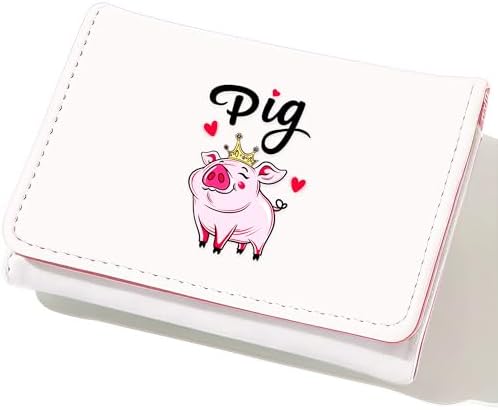
- The wallet offers 5 card slots, 1 clear window, 1 cash compartment.
- The small card wallet features a stylish pattern showcasing your personality, this wallet are made of premium PU leather…
- The size of our wallet is 4.2×3.2×0.86 inch, which is easy to put in your handbags, crossbody bags, sling bags or your p…
A mini golden retriever deserves the same seriousness of care planning as any purebred, maybe more, given how much is still unknown about long-term outcomes for these crosses. Choose with your eyes open, and love them fiercely once they’re home.
Frequently Asked Questions
Is a mini golden retriever a real recognized breed?
No. A mini golden retriever is not recognized by the American Kennel Club. It’s a designer cross, typically a Golden Retriever bred with a Poodle or Cocker Spaniel, sometimes marketed under names like “Comfort Retriever.”
Do mini golden retrievers live longer than standard Golden Retrievers?
There isn’t reliable long-term data to confirm this claim. The AKC cites an average lifespan of 10 to 12 years for standard Golden Retrievers, and mini versions inherit much of the same genetic risk profile, including cancer predisposition documented by the Morris Animal Foundation’s lifetime study.
What health tests should I ask a breeder for before buying a mini golden retriever?
Request OFA hip and elbow clearances, cardiac clearance from a board-certified cardiologist, and genetic testing results for both parent dogs. A reputable breeder should provide this documentation without hesitation.
Are golden retriever mix health issues less severe than purebred issues?
Not necessarily. Golden retriever mix health issues often reflect a blend of risks from both parent breeds rather than a reduction in risk. Hip dysplasia, cardiac conditions, and cancer predisposition from the Golden line can still appear in mixed offspring.
Whatever you decide, decide it with open eyes and a full heart. That’s really all any of us can offer these dogs. Tell your pup I said Hi! — Dawn