


Arthritis medicine for dogs is one of those topics that sounds simple until you’re standing in the pet aisle at 9pm, staring at bottles, wondering what’s actually going to help your old friend get up off the floor without wincing. I’ve watched enough stiff-legged mornings at the sanctuary to know that feeling in my gut. So let’s talk about what really works, what’s just marketing, and where the real danger lies.
Arthritis in senior dogs isn’t rare. It’s the norm we don’t talk about enough. According to the American College of Veterinary Surgeons, up to 40% of dogs of all ages show signs of osteoarthritis, and that number climbs sharply once a dog crosses into the seven-plus years mark. That’s not a small statistic. That’s nearly half the dogs you’ll meet at the park, quietly aching while they wag their tails and pretend everything’s fine. Dogs are masters at hiding pain. It’s a survival instinct left over from their wild ancestors, and it means we have to look closer, ask more, and never assume “she’s just slowing down” is the whole story.
Why Senior Dogs Develop Arthritis in the First Place
Cartilage wears down. Joints that carried a dog through a decade of zoomies and stair-climbing start to lose their cushioning. Bone rubs against bone. Inflammation sets in. And what you see on the outside, the slow rise from a nap, the hesitation before jumping in the car, is really years of microscopic wear finally catching up.
Big breeds and dogs carrying extra weight tend to feel it earliest and hardest. But I’ve cared for scrappy little seniors at Woody’s Place who developed arthritis just as severely as the big shepherds. Age doesn’t discriminate here, and neither should our attention.
Some of the common culprits behind early or worsened arthritis include:
- Excess body weight putting added stress on joints
- Previous injuries that never fully healed right
- Genetic predisposition in certain breeds (German Shepherds, Labs, and Golden Retrievers, I’m looking at you)
- Years of repetitive motion, like jumping off furniture or hard surfaces
- Simple wear from a long, well-loved life
What “Over-the-Counter” Really Means for Dogs
Here’s something people get wrong constantly, and it worries me every time. “Over-the-counter” for humans and “over-the-counter” for dogs are not the same universe. Just because you can walk into a store and buy something without a prescription doesn’t mean it’s automatically safe for your dog’s body.
Dogs metabolize medications differently than we do. Their kidneys and livers process things at different rates, and what’s a mild headache remedy for you can be a genuine emergency for them. This is exactly why, even with true arthritis medicine for dogs that’s labeled as OTC, I want you calling your vet first. Not because I don’t trust you to read a label, but because your vet knows your dog’s bloodwork, their kidney function, their weight, their other medications. That context matters more than anything printed on a bottle.
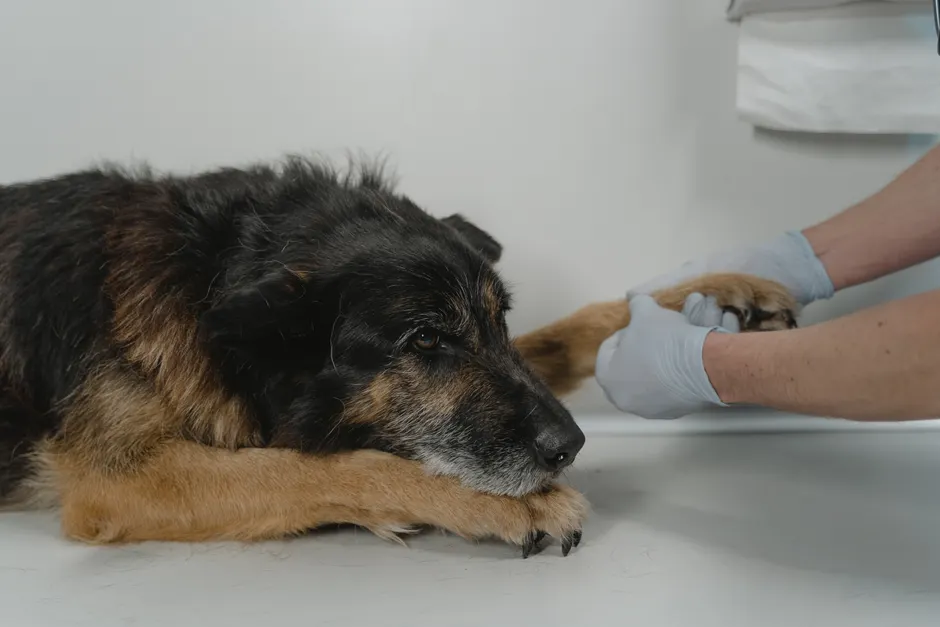
“Natural” and “over-the-counter” are not the same word as “safe.” Every single product that touches your senior dog’s body deserves a phone call to your vet first. This is a sacred trust, and I don’t take shortcuts with it.
If your dog is having a rough pain day right now and you’re trying to figure out what’s actually safe to reach for, this piece on safe options for immediate dog pain relief is a good place to start before you improvise with anything from your own medicine cabinet.
The Top OTC Options Worth Knowing About
Let’s get into the real breakdown. There isn’t one magic pill here. Real relief for arthritic dogs usually comes from layering a few different approaches together.
Glucosamine and Chondroitin Joint Supplements
These are the old reliable of joint care. Glucosamine and chondroitin are building blocks your dog’s body already uses to repair cartilage, and supplementing them can slow the grinding-down process. They’re not an instant fix. You’re looking at weeks of consistent daily use before you notice a difference, but for many of the seniors I’ve cared for, that patience pays off in smoother mornings and more willing walks.
Omega-3 Fatty Acid Supplements
This one has real science behind it, not just tradition. A 2018 study published in Frontiers in Veterinary Science found that omega-3 fatty acids significantly improved weight-bearing in arthritic dogs, meaning the dogs were putting more natural, even pressure on their sore limbs instead of favoring the good leg. Fish oil supplements rich in EPA and DHA reduce inflammation at a cellular level. I’ve seen dogs go from a hesitant limp to a confident, if slower, stride after a few consistent weeks on omega-3s.
Human NSAID Alternatives (Handle With Extreme Care)
This is where I need you to really lean in and listen, because it’s the section that keeps vets up at night. Some pet parents, out of desperation or misinformation, reach for human pain relievers. In very specific, vet-directed circumstances, a product like Children’s Tylenol Dye-Free Oral Suspension has occasionally been discussed by veterinarians for short-term, carefully dosed use in dogs, but this is absolutely not a decision to make alone. Acetaminophen dosing in dogs is narrow and dangerous if miscalculated, and it should never be given without an exact weight-based dose confirmed by your veterinarian. I include it here because you’ll see it mentioned online constantly, and I’d rather you hear the full, honest caution from me than a half-truth from a forum.

- Children’s Tylenol dye-free: Gentle on children’s tummies; dye-free formulation is also alcohol free, aspirin free; cont…
- Pediatric liquid: Children’s Tylenol dye-free oral suspension contains acetaminophen, a pain reliever and fever reducer;…
- Quick relief: Tylenol starts to reduce fevers in as little as 15 minutes; an effective pain reliever; useful for minor a…
Topical and CBD-Adjacent Products
Topical joint creams and CBD-adjacent products have grown popular for good reason. Applied directly to sore hips or knees, some topicals offer localized relief without the systemic load on the liver and kidneys that oral medications carry. If your dog also struggles with the anxiety that often rides alongside chronic pain, restless pacing, whining at night, it’s worth reading about how calming aids compare to anti-bark collars for senior dogs, since a calmer nervous system genuinely helps a dog cope with physical discomfort too. Pain and anxiety feed each other in old dogs more than people realize.
Comparing the Top OTC Arthritis Medicine for Dogs Options
| Product Type | Best For | Onset Time | Vet Consult Needed? | Price Tier |
|---|---|---|---|---|
| Glucosamine/Chondroitin Chews | Long-term joint support | 4 to 8 weeks | Recommended | $$ |
| Omega-3 Fish Oil Supplement | Reducing inflammation, improving weight-bearing | 3 to 6 weeks | Recommended | $$ |
| Children’s Acetaminophen (vet-directed only) | Short-term flare-up pain (vet-dosed) | 30 to 60 minutes | Mandatory | $ |
| Topical CBD-Adjacent Balm | Localized joint discomfort | 15 to 45 minutes | Recommended | $$$ |
| Hinged ROM Elbow Brace | Joint stabilization and support | Immediate (mechanical support) | Helpful but not mandatory | $$$ |
Red Flags and Safety Warnings Every Pet Parent Needs
This is the part I say loudest, every single time someone asks me about home remedies. Human NSAIDs like ibuprofen and naproxen are toxic to dogs. Full stop. They can cause stomach ulcers, kidney failure, and death, even in what seems like a small dose. I’ve fielded panicked calls from pet parents who gave their dog a “safe amount” of ibuprofen because it worked for their own headache, and it broke my heart every time, because it’s completely avoidable with a little education.

Honestly, who thinks like that?? I understand the desperation to help a suffering dog fast. I’ve felt it myself, standing over an old shepherd who couldn’t get comfortable at 3am. But desperation is exactly when we need to slow down, not speed up.
And here’s the other trap: “natural” doesn’t always mean “safe.” Essential oils, certain herbal blends, and even excessive amounts of otherwise-helpful supplements can cause real harm in a dog’s smaller, more sensitive body. Always check dosing with your vet, even for the gentle stuff.
Watch for these warning signs that something’s wrong, whether from arthritis progression or a medication reaction:
- Vomiting, diarrhea, or sudden loss of appetite
- Unusual lethargy or disorientation
- Pale gums or yellowing of the eyes (a sign of liver stress)
- Increased limping despite treatment
- Excessive drooling or signs of stomach upset
Building a Full Comfort Plan Around Medicine
Medicine alone was never going to be the whole answer, and I want to be honest with you about that. The dogs at the sanctuary who do best are the ones whose care is layered: the right supplement, the right supportive gear, and a little patience woven through daily life.
A supportive brace can make a real physical difference for dogs dealing with joint instability. Something like a Hinged ROM Elbow Brace gives mechanical support to a weakening joint, taking pressure off the areas that ache the most during movement. I’ve seen dogs go from reluctant to genuinely willing to walk again once their joint had that extra stability.
Consistency in giving daily supplements matters too, and honestly, this is where a lot of pet parents fall off track. Old dogs can be surprisingly clever about spitting out pills, and missed doses mean inconsistent relief. A simple tool like a Portable Pill Taker makes it far easier to hide supplements in a way your dog will actually accept, which sounds small but genuinely changes outcomes over months of treatment.

- EASY TO USE: Simple one-handed operation makes removing pills from blister packs effortless and safe for elderly and dis…
- PORTABLE DESIGN: Compact and lightweight construction allows you to carry this medication aid wherever you need it
- VERSATILE APPLICATION: Works with most standard blister pack medications and helps reduce hand strain during pill extrac…
Beyond gear and pills, real quality-of-life gains come from weight management (every extra pound is added stress on aching joints), gentle daily movement like short leash walks on soft ground, and orthopedic bedding that keeps pressure off the hips overnight. None of these things alone fix arthritis. Together, they build a dog’s whole world back up around comfort instead of pain.
If anxiety is tangled up with your dog’s discomfort, and it often is with chronic pain, it’s worth exploring what to look for in an anti-anxiety product for senior dogs as part of the same comfort plan. A dog whose nervous system is calm rests deeper, heals better, and simply suffers less.
Key Takeaways
- Nearly 40% of dogs show signs of osteoarthritis, with risk rising sharply after age seven
- True arthritis medicine for dogs should always be discussed with your vet first, even OTC options
- Omega-3 fatty acids have real research behind their ability to improve weight-bearing in arthritic dogs
- Human NSAIDs like ibuprofen are toxic to dogs and should never be given
- A full comfort plan combines medicine, supportive gear, weight management, and gentle daily movement
Frequently Asked Questions About Arthritis Medicine for Dogs
What is the safest OTC arthritis medicine for dogs?
Glucosamine and chondroitin supplements along with omega-3 fatty acids are generally considered the gentlest starting point for arthritis medicine for dogs, since they support joint health without the liver and kidney risks that come with pain medications. Always confirm dosing with your veterinarian before starting anything new.
Can I give my dog human ibuprofen for arthritis pain?
No, never give your dog ibuprofen or other human NSAIDs. These medications are toxic to dogs and can cause stomach ulcers, kidney failure, and death even in small doses. Always ask your vet about dog-safe arthritis medicine for dogs instead.
How long does it take for OTC joint supplements to work?
Most glucosamine and omega-3 based arthritis medicine for dogs takes four to eight weeks of consistent daily use before you’ll notice meaningful improvement in mobility and comfort. Patience and consistency matter more than the specific brand you choose.
Do I still need to see a vet if I’m using OTC arthritis medicine for dogs?
Yes, absolutely. Even the gentlest over-the-counter options can interact with other medications or underlying conditions like kidney disease. A vet visit ensures your dog’s arthritis medicine for dogs plan is actually safe and appropriately dosed for their weight and health history.
Watching an old dog move through the world with stiff joints teaches you something about patience and dignity that nothing else quite does. They don’t complain. They just keep showing up, tail wagging, ready for whatever the day brings. The least we can do is show up for them too, with real information, honest caution, and a comfort plan built with as much care as they’ve given us all these years.
Tell your pup I said Hi! — Dawn