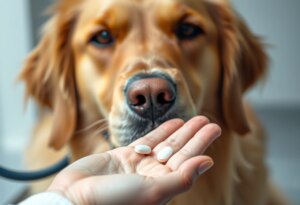
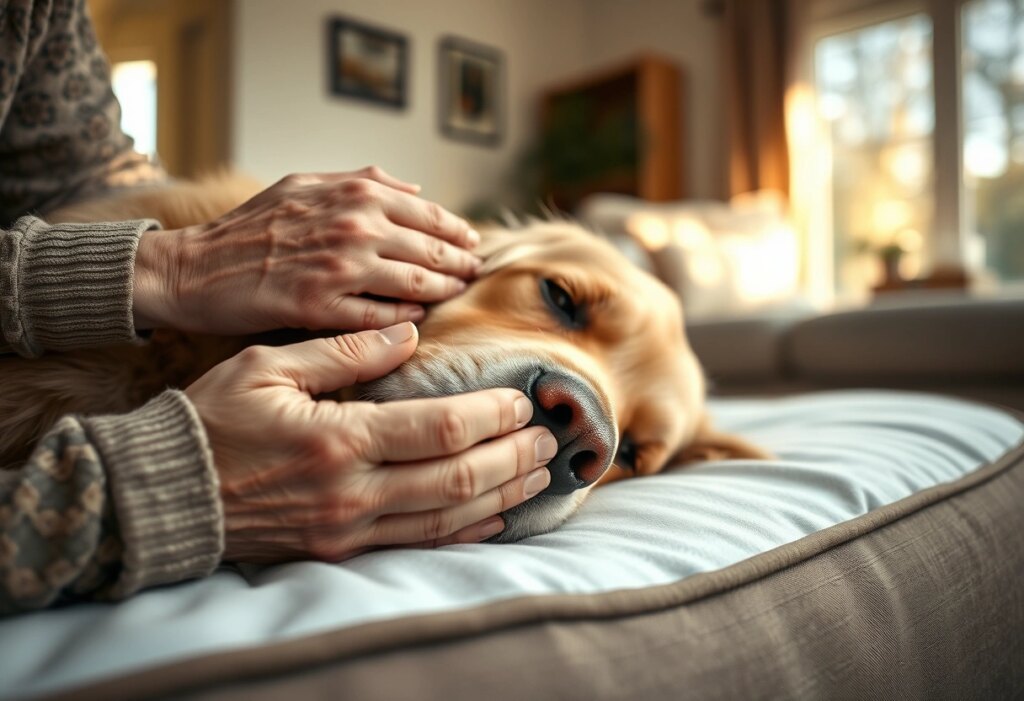

When your old dog is hurting, the panic hits fast. You want relief for them *right now*, and I understand the temptation to grab whatever’s in your medicine cabinet. But here’s the truth I need you to hear before anything else: dog pain relief is not something you should improvise with human medication, no matter how desperate the moment feels. There are safe paths forward, and I’m going to walk you through every one of them, but the first step is knowing what to keep locked away.
I’ve sat on the floor of Woody’s Place more nights than I can count, watching an old body struggle to get comfortable. It never stops being hard. But over the years, caring for senior German Shepherds and every other breed that’s landed on our sanctuary doorstep, I’ve learned what actually helps and what quietly kills. So let’s talk about it honestly.
Why Human Pain Meds Can Kill Your Dog
I need to be blunt here because lives depend on it. Ibuprofen. Tylenol. Aspirin from your own bottle in whatever dose “seems right.” These are not dog pain relief options. They are poison risks, and the ASPCA Animal Poison Control Center lists NSAIDs and acetaminophen among the top toxins reported in dogs every single year.
Here’s what’s actually happening inside your dog’s body when they ingest these drugs. Dogs metabolize medications completely differently than we do. A dose of ibuprofen that barely registers for a 150 pound human can cause stomach ulcers, kidney failure, and internal bleeding in a 60 pound dog within hours. Tylenol (acetaminophen) is even more unforgiving. It damages red blood cells and can cause liver failure, and cats are so sensitive to it that even a fraction of a tablet can be fatal.
Honestly, who thinks like that, reaching for their own pill bottle for their dog?? I don’t say that to shame anyone. I say it because so many good, loving pet parents have done exactly this out of desperation and love, not carelessness. But *love without information can hurt*. This is a sacred trust we hold with these animals, and part of that trust is educating ourselves before the emergency hits, not during it.
Old dogs don’t ask for much. They ask for comfort, for patience, and for us to notice when something’s wrong before it becomes an emergency. That noticing is the whole job.
Vet-Approved Options for Immediate Comfort
So what actually qualifies as safe dog pain relief when your senior dog is uncomfortable right now? There are a few real options, but even these come with important caveats.

- Buffered aspirin: This is the one human medication that can sometimes be used under direct veterinary guidance, and I stress that phrase, “under direct veterinary guidance.” The dosing window is narrow, it’s only appropriate short-term, and it should never be combined with other NSAIDs. Call your vet first. Always.
- Cold compress therapy: For acute swelling, a sprain, or an inflamed joint, a cold pack wrapped in a thin towel applied for 10 to 15 minutes can genuinely ease discomfort while you arrange next steps. It’s simple, it’s free, and it’s something you can do the moment you notice swelling.
- CBD: This is where things get genuinely promising. Research out of Cornell University’s College of Veterinary Medicine has shown CBD may help reduce pain and increase comfort in dogs with osteoarthritis. It’s not a miracle cure, and quality varies wildly between brands, but it’s a legitimate area worth discussing with your vet, especially for chronic joint pain in aging bodies.
None of these replace a proper veterinary exam. Think of them as bridge measures, ways to offer safe pain relief for dogs while you get your dog seen, not substitutes for diagnosis.
Recognizing Pain Signals in Senior Dogs
Here’s something I’ve learned from years of sanctuary life: *senior dogs are stoic almost to a fault*. They don’t yelp and cry the way you’d expect. They mask it, quietly, until they can’t anymore. That’s why learning their language matters so much. Watch for these signs:
- Stiffness after resting, especially first thing in the morning or after a nap
- Panting when it’s not hot and they haven’t exercised
- Reluctance to jump on the couch, climb stairs, or get into the car
- Changes in appetite, eating less or more slowly than usual
- Restlessness at night, unable to settle into a comfortable position
- Increased irritability or withdrawal from family interaction
If you notice several of these together, it’s time to look closer. Is your senior dog moving differently on stairs? Struggling to get up from the floor? That’s often arthritis talking, and there are real tools that help. If ramps or stairs sound like they’d ease your dog’s daily movement, this guide to the best ramps and stairs for senior dogs with arthritis is worth reading before the stiffness gets worse.
On walks, a supportive tool can make a real difference too, both for your dog’s stability and for your own steadiness while helping them navigate uneven ground. A sturdy Walking Stick with Dog Carving, Dog Hiking Stick, Wood Staff gives you something solid to lean on while you’re helping a wobbly senior dog navigate the yard or a slow neighborhood stroll. It’s a small thing, but it changes how confidently you can support them physically.
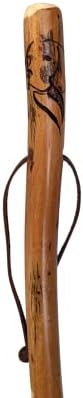
- Walking Stick with a Dog Carving, Hand carved strong wood staff
- Leather Strap on strong hard wood walking stick with a dog carving. This is a good gift for those who like dogs and walk…
- Rubber Tip
When to Call the Vet Immediately vs. Home Comfort Measures
This is the part where I ask you to trust your gut, but also give it some structure. Some pain is an emergency. Some pain is manageable at home for a night while you schedule a vet visit. Knowing the difference matters.
| Situation | Action | Urgency |
|---|---|---|
| Sudden collapse, pale gums, bloated abdomen | Emergency vet immediately | Critical |
| Crying out when touched or moved | Same-day vet call | High |
| Limping that doesn’t improve after rest | Vet appointment within 24-48 hours | Moderate |
| General morning stiffness, improves with movement | Home comfort measures, monitor closely | Low |
| Mild reluctance to jump or climb stairs | Home comfort measures, discuss at next checkup | Low |
If your dog can’t put weight on a leg, is whimpering when you touch a specific spot, or seems disoriented, that’s not a wait-and-see situation. That’s a phone-call-right-now situation. For everything milder, home comfort measures and a scheduled vet visit are appropriate, and that’s where a lot of natural dog pain remedies earn their place, things like warmth, gentle massage, and a properly supportive bed.
Long-Term Senior Pain Management That Actually Works
Immediate relief matters, but *the real work of loving an old dog happens in the long game*. Chasing pain one flare-up at a time isn’t sustainable for them or for you. This is where senior dog pain management becomes less about emergencies and more about steady, thoughtful care.

Joint Supplements
Glucosamine and chondroitin are the foundation most vets recommend for aging joints. They won’t work overnight, but given consistently, they support cartilage health and can slow the progression of discomfort. Pairing joint support with a general senior vitamin routine rounds things out nicely. Something like Vita-Tabs Silver for Senior Dogs covers the broader nutritional gaps that come with age, since an aging body needs more than just joint support to function well.

- Comprehensive Nutrition: Vita-Tabs provide a balanced blend of essential vitamins and minerals to support your dog’s ove…
- Immune System Support: Packed with antioxidants, these tabs help strengthen your dog’s immune system, promoting a robust…
- Healthy Coat and Skin: The inclusion of Omega-3 fatty acids contributes to a lustrous coat and healthy skin, ensuring yo…
Weight Management
I’ll say this gently but firmly: extra weight on an aging joint is one of the cruelest things we can allow, because it’s entirely within our control. Every pound your senior dog carries beyond their ideal weight adds pressure to hips, knees, and spine. If your vet says your dog needs to lose weight, please take that seriously. It’s one of the most powerful forms of dog pain relief available, and it costs nothing but consistency.
Prescription Options: Galliprant and Librela
For chronic arthritis pain, newer prescription medications have changed the landscape of what’s possible. Galliprant is an NSAID designed specifically for dogs with a gentler profile on kidneys and liver compared to older options. Librela is a monthly injectable that targets nerve pain signals directly, offering relief without the same gastrointestinal risks as traditional NSAIDs. These are gentler, more targeted long-term solutions than guessing at home, and they’ve genuinely improved quality of life for dogs I’ve cared for personally.
If your dog is already on a pain management plan, it’s worth comparing what’s available. This breakdown of prescription versus over-the-counter dog arthritis medicine lays out the differences clearly so you can have an informed conversation with your vet instead of feeling lost in the options.
For a deeper scientific look at how NSAIDs and pain medications affect canine physiology, the American Veterinary Medical Association offers reliable, vet-reviewed guidance worth bookmarking.
A Note on Patience
Managing pain in an old dog is rarely a single decision. It’s a hundred small ones, made daily, with attention and love. Some days you’ll get it right. Some days you’ll second-guess yourself at 2am wondering if you should have called the vet sooner. That’s part of this work. *Dignity in aging* isn’t about eliminating every ache. It’s about showing up consistently, paying attention, and never letting guesswork replace good veterinary guidance when it matters most.
Can I give my dog baby aspirin for pain?
Only under direct veterinary guidance and for short-term use. Buffered aspirin dosing for dogs is very specific to their weight and health status, and it should never be combined with other pain medications. Always call your vet before giving any aspirin, including baby aspirin, to confirm safe dog pain relief dosing.
Is CBD safe for senior dogs with arthritis?
Research from Cornell University’s College of Veterinary Medicine has shown promising results for CBD easing osteoarthritis discomfort in dogs. Quality and dosing vary significantly between products, so choosing a reputable, vet-recommended brand and discussing it with your veterinarian first is essential before adding it to your senior dog pain management routine.
What are the signs my old dog is in pain right now?
Look for stiffness after resting, panting without exertion, reluctance to climb stairs or jump, appetite changes, restlessness at night, and withdrawal from normal interaction. Senior dogs are often stoic, so subtle behavior changes are frequently the earliest and clearest signal that pain relief is needed.
Why is human pain medication dangerous for dogs?
Dogs metabolize drugs like ibuprofen and acetaminophen very differently than humans do. Even small doses can cause stomach ulcers, internal bleeding, kidney damage, or liver failure. The ASPCA lists these medications among the most commonly reported toxins in dogs, which is why safe pain relief for dogs should never involve a human medicine cabinet.
Caring for an aging dog asks a lot of us, but it gives back tenfold in quiet, steady love. Trust your instincts, lean on your vet, and never be afraid to ask questions until you feel confident in the plan. Your old dog is lucky to have someone paying this much attention.
Tell your pup I said Hi! — Dawn