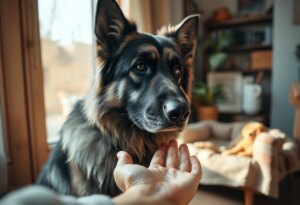


Calming aids for senior dogs can be the difference between a dog who paces and cries when you grab your car keys, and one who sighs, circles her bed twice, and settles. If your old dog has started falling apart every time you leave the house, you are not imagining it, and you are not alone. I have watched this happen with more senior dogs than I can count at the sanctuary, and it always breaks my heart a little. But here is the good news: there are real, gentle tools that help.
Old age is not just gray fur and slower walks. It rewires the whole nervous system. A dog who was rock solid at age four can become a velcro dog at age twelve, and it usually has nothing to do with “bad behavior.” It has to do with a brain and body that are working harder just to feel safe. Before we talk about products, I want you to actually understand *why* this is happening. Because once you understand it, the compassion comes easy, and the right calming aids for senior dogs make a lot more sense.
Why Separation Anxiety Often Gets Worse With Age
Think about what it feels like to lose your hearing a little more every year. Or your eyesight. Now imagine you also start forgetting where you are sometimes, or who just left the room. That is the daily reality for a lot of senior dogs, and it is terrifying if nobody explains it to them (because, well, we can’t).
Several things stack up at once in the golden years:
- Cognitive decline (CCD) makes familiar routines feel unfamiliar again, so your absence feels bigger and scarier
- Vision and hearing loss mean your dog relies more heavily on your presence as their anchor to the world
- Chronic pain from arthritis or other conditions lowers the threshold for stress in general
- Old trauma that a dog buried for years can resurface as their coping resources shrink
I have seen dogs at the sanctuary who were perfectly independent for a decade suddenly become shadow-dogs, following me from room to room, whining at closed doors. It is not weakness. It is a nervous system asking for help the only way it knows how.
An anxious senior dog is not being difficult. Their body is telling the truth about how hard aging feels, even when they cannot tell us in words.
What the Research Actually Shows
I am not a scientist, but I pay close attention to what the research says, because our dogs deserve more than guesswork. A 2018 study published in the Journal of Veterinary Behavior found that pheromone diffusers, specifically the Adaptil brand, reduced stress-related behaviors in 74% of the dogs tested. That is a meaningful number. It tells us these tools are not just marketing fluff, they are backed by observable changes in real dogs.
There is also solid evidence behind sound therapy. A 2015 University of Glasgow study found that classical music measurably reduced stress markers in kenneled dogs, lowering barking and restlessness compared to silence or talk radio. I think about this a lot when I put on soft music for the pups at the sanctuary during thunderstorms. It is such a small thing, and it works more often than not.
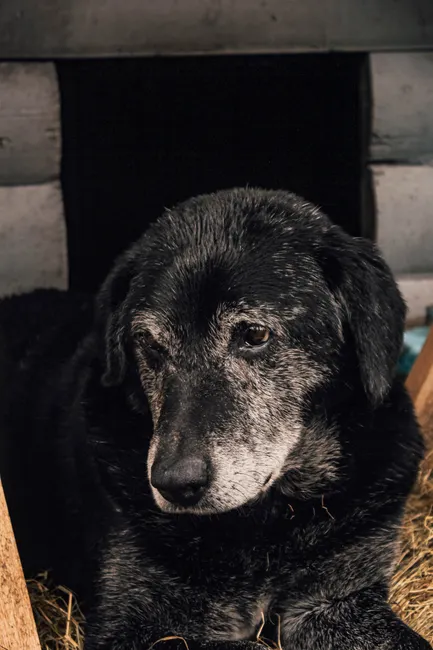
None of this means calming aids are magic. They are tools. Good ones, worth using, but they work best layered together with patience and a predictable routine.
Top Vet-Recommended Calming Aids for Senior Dogs
Here is where I want to get practical. Below is a rundown of the categories that consistently show up in vet behavior recommendations, along with real product picks worth considering. I have organized this so you can see, at a glance, what fits your situation and your dog’s temperament.
Compression Wraps and Anxiety Wraps for Dogs
Gentle, even pressure mimics the feeling of being held, and it activates a calming response in a lot of dogs almost immediately. This is one of the simplest anxiety wrap for dogs solutions out there, and it requires zero ingestion, zero scent, just snug fabric. It is especially good for dogs who get worked up during storms or fireworks in addition to being left alone.
L-Theanine and Melatonin Chews
Natural calming supplements built around L-theanine, melatonin, and valerian root have become one of the more trusted categories among natural dog calming supplements, and for good reason. These ingredients work with the nervous system rather than sedating it into a fog. A good example is the Rocco & Roxie Calming Chews for Dogs, Melatonin & Valerian, which combines several calming ingredients into one soft chew that most senior dogs take like a treat. I always tell folks at the sanctuary: start low, watch your dog closely, and talk to your vet before adding anything new, especially if your senior is already on medication.

- Unparalleled Support: Our delicious duck-flavored soft chews keep your dog cool, calm, and relaxed. Every bite promotes …
- Better Ingredients,Better Results: Our formula includes Ashwagandha and GABA, which work to block stress signals in the …
- Veterinarian Recommended: Our Calming health supplement is a vet-recommended, daily formula to keep your dog calm and re…
Hemp-Derived CBD Supplements
CBD has earned its place in the senior dog world, not as a cure-all, but as a genuinely helpful support for dogs carrying both physical discomfort and anxiety. Many sanctuary dogs I have cared for do better on a modest CBD routine, especially ones with arthritis pain layered on top of their fear of being alone. Look for hemp-derived products with third-party lab testing, and always run it by your vet first, particularly if your dog takes other medications.
Pheromone Diffusers and Collars
This category has some of the strongest science behind it, which matters a lot to me. Synthetic pheromones mimic the calming chemical signals a mother dog releases to soothe her puppies, and that signal does not stop working just because a dog got old. The Dog Calming Collar, Pheromone Collar for Dogs (Upgraded) is a wearable option that provides steady, portable comfort, which is especially useful for dogs who get anxious in the car or at the vet, not just at home.

- 【Advanced Herbal Bead Slow-Release Technology】Unlike ordinary calming collars that lose effectiveness quickly under sunl…
- 【Up to 180 Days Long-Lasting Calming Support】Each calming bead provides up to 60 days of effectiveness, and every box in…
- 【Helps Reduce Anxiety, Barking & Stress Behaviors】Designed to help dogs stay calm during stressful situations including …
White Noise, Music Therapy, and Comfort Toys
Sound matters more than most people realize. Soft classical music, white noise machines, or even a simple heartbeat toy can settle a senior dog’s nervous system by giving it something steady to latch onto. The Fuzzwoof Remote Controlled Heartbeat Dog Toy mimics a heartbeat and other soothing sounds, which can be genuinely comforting for a dog who is used to sleeping curled up next to a person or another dog and now finds themselves alone more often. I have seen skeptical old dogs at the sanctuary settle right down next to one of these within a few minutes.

- WIRELESS REMOTE CONTROL – Easily control the heartbeat simulation and cycle through all 8 sounds. Perfect for adapting t…
- PUPPY SLEEP AID & ANXIETY SOLUTION – This puppy heartbeat toy sleep aid uses multi-sensory technology to ease crate trai…
- RECHARGEABLE, DURABLE & SAFE FOR DAILY USE – Features a long-lasting rechargeable polymer lithium battery (3.7V, Model: …

If your dog’s anxiety flares up mostly at mealtimes or overnight, it is also worth looking at how and when they eat. Hunger and low blood sugar can mimic or worsen anxious behavior in older dogs, and our guide on slow feeders for senior dogs hungry at night covers a piece of the puzzle a lot of pet parents miss entirely.
Comparing the Top Calming Aids for Senior Dogs
| Product | Best For | Type | Price Tier |
|---|---|---|---|
| Rocco & Roxie Calming Chews (Melatonin & Valerian) | General anxiety, nighttime restlessness | Oral chew supplement | $$ |
| Dog Calming Collar (Pheromone) | Portable, all-day calming support | Wearable pheromone diffuser | $$ |
| Fuzzwoof Heartbeat Toy | Nighttime loneliness, crate comfort | Sound/comfort toy | $$ |
| Compression Anxiety Wrap | Storms, sudden panic episodes | Wearable wrap | $ |
| Hemp-Derived CBD Oil/Chews | Anxiety paired with joint pain | Oral supplement | $$$ |
How to Introduce a New Calming Aid Without Adding Confusion
Senior dogs do not do well with sudden change, even change meant to help them. I always tell adopters at the sanctuary: slow is kind. Here is how I introduce anything new to an old dog:
- Start with one thing at a time. Do not layer a new supplement, a new collar, and a new toy all in the same week
- Let them sniff and investigate first. A wrap or collar should be introduced during a calm, happy moment, not right as you’re leaving the house
- Pair it with something good. Give a favorite treat while putting on a wrap or collar so the brain builds a positive association
- Watch, don’t force. If your dog seems more distressed by a compression wrap, stop and try something gentler
- Give it real time. Supplements especially need one to two weeks of consistent use before you judge whether they’re working
This is a sacred trust we hold with these old souls. They spent their whole lives trusting us to lead. The least we can do in their final chapter is introduce change with the same patience they gave us as puppies chewing our shoes and forgiving us anyway.
When Calming Aids for Senior Dogs Are Not Enough
I need to be honest with you here, because I would be doing you a disservice otherwise. Not every case of separation anxiety responds to chews, collars, and wraps alone. Sometimes what looks like anxiety is actually something deeper. Watch for these signs that point to a bigger issue:
- Sudden onset of anxiety in a dog who was never anxious before, which often points to pain or a medical cause
- Nighttime pacing, disorientation, or forgetting familiar people, which are hallmark signs of canine cognitive dysfunction
- Anxiety that is not tied to being alone at all, but shows up randomly throughout the day
- Self-injury from panic, such as broken nails from scratching at doors or raw skin from excessive licking
If any of these sound familiar, please schedule a real conversation with your veterinarian, and consider a veterinary behaviorist if things do not improve. According to the ASPCA, separation anxiety in dogs of any age can sometimes require a structured desensitization plan alongside medication, and there is nothing wrong with needing that extra layer of support. Some senior dogs also do better with a companion nearby, and if that resonates with your household, our piece on vet-recommended options for senior dog separation anxiety digs deeper into structured, professional approaches.
Calming aids for senior dogs work best as one piece of a bigger picture, not a replacement for veterinary care. I have leaned on all of the above, wraps, chews, diffusers, sound therapy, at different points with different dogs, and none of them worked in isolation. They worked because I paired them with routine, patience, and a lot of quiet time sitting on the floor with an old dog who just needed to know I was still there.
Frequently Asked Questions
What are the best calming aids for senior dogs with separation anxiety?
The most effective calming aids for senior dogs typically combine a few approaches at once: pheromone diffusers or collars, L-theanine or melatonin chews, compression wraps, and soothing sound therapy such as soft music or heartbeat toys. Most senior dogs respond best when two or three of these are used together rather than relying on just one.
Is CBD safe for older dogs with anxiety?
Hemp-derived CBD is generally considered safe for many senior dogs when sourced from a reputable, third-party tested brand, but it can interact with certain medications, especially those metabolized by the liver. Always talk to your veterinarian before starting CBD, particularly if your senior dog is already on other prescriptions for arthritis, seizures, or heart conditions.
How do I know if it’s separation anxiety or cognitive decline?
Separation anxiety is usually tied specifically to your departure and tends to peak right when you leave and shortly after. Cognitive decline, on the other hand, often shows up throughout the day regardless of whether anyone leaves, including nighttime pacing, disorientation, and staring blankly at walls or corners. If your dog shows anxious behavior even when you’re home, ask your vet about screening for canine cognitive dysfunction.
How long does it take for calming aids to work on an old dog?
Wearable tools like anxiety wraps and pheromone collars can show effects within minutes to a few hours. Oral supplements such as melatonin or L-theanine chews usually need one to two weeks of consistent daily use before you see a real, lasting shift in behavior. Patience matters here. Judging a calming aid too soon is one of the most common reasons pet parents give up on something that would have worked.
Old dogs give us their whole lives, then ask for so little in return. A little patience, a soft place to land, and the reassurance that we are not going anywhere for good. If your senior pup is struggling with the fear of being left alone, please know it is not a character flaw, and it is not something you caused. It is just age doing what age does. Be gentle with them, be gentle with yourself, and know that every small thing you try is love in action.
Tell your pup I said Hi! — Dawn