
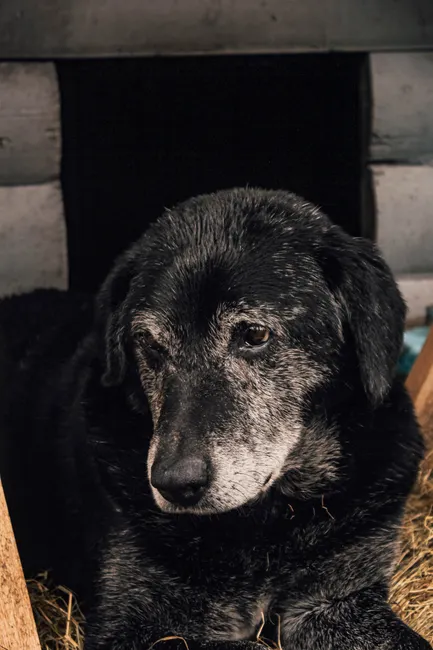
If your old dog is pacing the kitchen at 9 PM like she’s never been fed a meal in her life, slow feeders for senior dogs might be one of the simplest, most compassionate changes you make this year. I’ve watched this exact scene play out more times than I can count, both in my own home and at the sanctuary. It’s not always about hunger. Sometimes it’s about a brain that’s aging faster than a body, and a gut that’s not processing food the way it used to. Let’s talk about what’s actually going on, and what really helps.
Why Senior Dogs Seem Hungrier at Night
Here’s something nobody tells you when your dog hits their golden years: their whole relationship with hunger can shift. It’s not in your head, and it’s not “just old age” as a throwaway explanation. There are real, physical reasons behind that nighttime pacing and whining at the food bowl.
Metabolic slowdown is a big piece of it. As dogs age, their metabolism changes, digestion slows, and nutrient absorption isn’t as efficient. That can leave them feeling less satisfied after a meal, even if the portion size hasn’t changed in years.
Then there’s medication. If your senior pup is on prednisone or other steroids for arthritis, allergies, or immune issues, you already know it can turn a calm dog into a food-obsessed one almost overnight. That increased appetite is a well-documented side effect, and it doesn’t discriminate between 2 PM and 2 AM.
And then there’s the one that breaks my heart a little every time: cognitive dysfunction, also known as dog dementia. When the brain’s hunger and fullness signals get scrambled, a dog can genuinely forget they just ate. They’re not being manipulative. They’re confused. That’s a very different thing, and it deserves patience instead of frustration.
So when you’re troubleshooting nighttime hunger, you’re really asking three questions: is this metabolic, is this medication, or is this cognitive? Often it’s some combination of all three, and that’s exactly why slow feeders for senior dogs can help across the board, regardless of the root cause.
The Science Behind Slow Feeders (And Why It Actually Matters)
I’m not one for gimmicky pet products. I’ve seen too many “solutions” that are really just marketing dressed up as care. But slow feeders have research behind them, and that matters to me.
A study published in the Journal of Veterinary Behavior found that slow feeder bowls can reduce a dog’s eating speed by as much as 50 percent compared to a standard bowl. That’s not a small tweak. That’s a meaningful shift in how a dog’s body processes a meal.
Why does eating speed matter so much for older dogs? Slower eating means less air gulped down with the food, which lowers the risk of bloat, a genuinely life-threatening condition. According to American Kennel Club data, bloat (gastric dilatation-volvulus) is one of the leading causes of death in large and giant senior breeds. If your German Shepherd, Great Dane, or Lab mix is getting up there in years, this isn’t a minor consideration. It’s a real safety issue.
Beyond bloat prevention, slower eating gives the brain time to register fullness before the bowl is empty. That’s huge for dogs whose hunger signals are already a bit scrambled from cognitive decline or medication. A slow feeder bowl essentially buys the body time to catch up with the mouth.
Top Picks: Slow Feeders Built for Arthritic Paws and Low Mobility
Not every slow feeder on the market was designed with an old dog’s body in mind. A lot of them assume a young, flexible spine and steady front legs. That’s simply not the reality for a lot of our seniors. Here’s what I look for: raised or elevated designs that don’t force a hunched neck, non-slip bases so an unsteady dog isn’t chasing the bowl across the floor, and materials that are actually easy to keep clean given how food-obsessed a lot of senior dogs get.
One option worth considering is the Keegud Slow Feeder Dog Bowls Insert. It works as an insert you place into an existing bowl, which is a nice option if your dog already has a raised feeder they’re used to and you don’t want to disrupt that routine. The octopus suction design creates enough of a maze that most dogs have to slow down and actually work for their food, without it becoming a frustrating puzzle for a dog with some vision loss or cognitive decline.
![Keegud Slow Feeder Dog Bowls Insert [Octopus Suction Cups] Super ...](https://m.media-amazon.com/images/I/41djH-x5tzL._AC_.jpg)
- 【Ordinary dog bowls become slow eaters in seconds】 – Just press to attach the Keegud slow feeder insert to the bottom of…
- 【Safe and healthy】 – The Keegud slow feeder insert is made of food-grade silicone, which is safe and soft. Unlike hard p…
- 【Strongest suction cup base】 – The 22 big suction cups on the bottom of the Keegud slow feeder dog bowls are as strong a…
For dogs who do better with a more solid, weighted bowl (especially the ones who like to nudge or paw at their food), a ceramic option can be a good fit. The Ceramic Slow Feeder Dog Bowl holds 1.8 cups, which works well for small to medium seniors, and the weight of ceramic means it’s much less likely to skid across the kitchen floor when an arthritic dog is trying to eat. That stability matters more than people realize. A bowl sliding away from a dog with wobbly back legs is its own kind of stress.

- Hand-Painted Charm – Every dog feeding bowl is a mini artwork, with playful doodles and vibrant colors. No two are exact…
- Slow Feed, Happy Tummy – Curvy maze obstacles slow down greedy bites, helping prevent gulping, bloating, and upset belli…
- Food-Grade Ceramic for Peace of Mind – Made with premium, lead-free ceramic, this dog food dish is safe for dry, wet, or…
If you’re managing a multi-dog household, especially one where you’ve got an older dog alongside a younger, faster-eating housemate, a set can simplify feeding time considerably. The Stainless Steel Bowl Set for Small, Medium, or Large Dogs isn’t a slow feeder in the maze sense, but stainless steel is easy to sanitize daily (important for immune-compromised seniors), and having matched bowls in different sizes lets you portion appropriately for dogs at very different life stages. If nighttime food-stealing between pets is part of your issue, you might also want to read our guide on setting up separate feeding stations for senior dogs and puppies, since resource competition can make nighttime hunger behaviors worse than they need to be.

- Complete Feeding Set: This set includes 2 durable stainless steel bowls, a non-slip silicone mat, and 2 removable silico…
- Durable & Safe: Made from high-quality, BPA-free materials, this feeding set guarantees safety and durability for everyd…
- Anti-Slip Design:Features a sturdy silicone mat that prevents slipping and sliding, keeping mealtime mess-free. and ensu…
Below is a quick comparison of features to weigh when you’re choosing among slow feeders for senior dogs, especially if arthritis or mobility loss is part of your dog’s picture.
| Product | Best For | Material | Mobility-Friendly Features | Price Tier |
|---|---|---|---|---|
| Keegud Slow Feeder Insert | Dogs already using a raised bowl | Food-grade silicone/plastic | Suction base, fits into existing elevated bowls | $ |
| Ceramic Slow Feeder Bowl | Small to medium seniors, fast gulpers | Ceramic | Heavy, non-skid base for unsteady dogs | $$ |
| Stainless Steel Bowl Set | Multi-dog senior households | Stainless steel | Easy to sanitize, multiple sizes for portion control | $$ |
Introducing a Slow Feeder Without Adding Stress
Here’s where I want to slow down and talk about the emotional side of this, because I think it gets skipped over way too often. An anxious or cognitively declining senior dog does not need one more confusing thing in their world. If you swap their familiar bowl for a maze-patterned slow feeder overnight, some dogs will just stare at it, or worse, walk away from food entirely.
Start gently. Here’s what’s worked at the sanctuary over the years:
- Place the new slow feeder bowl next to their old bowl for a few meals, not as a replacement yet
- Use a favorite wet food or bone broth topper to make the transition feel like a treat, not a test
- Keep the ridges or maze pattern shallow at first if your dog has any vision loss
- Watch their body language. Frustration whining is different from curious sniffing, and it’s your cue to slow down even more
- Feed in the same quiet, low-traffic spot every time. Predictability is deeply calming for a dog whose brain is already working overtime
Honestly, who thinks a dog with dementia or severe arthritis should just “figure it out” on their own with a brand new object in their space? This is a sacred trust we’ve been given, caring for these old souls through the parts of life that are hard for them to understand. Go slow. Watch closely. Let them lead the pace of this change, even while the slow feeder bowl itself is doing the work of physically slowing their intake.

Pairing Slow Feeders With a Calming Evening Routine
A slow feeder bowl alone won’t solve everything, and I think it’s important to be honest about that. It’s one part of a bigger picture. If your senior dog is restless at night, pairing the slow feeder for senior dogs with a consistent evening rhythm makes a real difference.
What does that look like in practice? A predictable dinner time, ideally split into two smaller meals rather than one large one, since smaller portions are easier on an aging gut and reduce that empty-stomach panic in the middle of the night. A short, gentle walk after dinner if joints allow it, just enough to settle the nervous system without overtiring sore hips. Dim lighting and quiet as bedtime approaches, because a dog with cognitive dysfunction often does better with fewer sensory surprises after dark.
If anxiety seems to be feeding into the nighttime restlessness on top of hunger, it’s worth exploring options like our calming aids for anxious senior dogs, which can work alongside a slow feeding routine rather than replacing it. And if weight management is part of your dog’s health picture too, our roundup of senior dog food for weight loss pairs naturally with slow feeding, since both are about eating with more intention and less urgency.
I always tell people: dogs regulate off of us. If your evenings are calm and predictable, your dog’s nervous system picks up on that rhythm too. A slow feeder bowl combined with a peaceful routine does more than either one alone. It tells your dog’s whole body, “you’re safe, you’re fed, and nothing here is urgent.” That’s a quiet gift, and it’s one of the most powerful things we can offer an aging dog.
A Few Honest Reminders
Slow feeders are not a fix for medical issues that need a vet’s attention. If your senior dog’s nighttime hunger came on suddenly, or is paired with weight loss, vomiting, or increased thirst, please get them checked out. Diabetes, Cushing’s disease, and other conditions can mimic simple “old dog hunger” and deserve real diagnostic attention, not just a new bowl.
That said, for the very common, very real scenario of a slower metabolism, a medication side effect, or a confused brain that forgets it already ate, slow feeders for senior dogs are one of the gentlest, most affordable tools in your toolkit. They meet your dog exactly where they are, without demanding anything from a body that’s already working hard just to get through each day.
Frequently Asked Questions
Are slow feeders safe for senior dogs with arthritis?
Yes, as long as you choose a design suited to their mobility. Look for raised or elevated slow feeders that don’t force your dog to hunch their neck downward, along with non-slip bases so the bowl stays steady while they eat. Avoid feeders with sharp or deep ridges that require a lot of tongue and jaw effort if your dog has dental pain alongside arthritis.
Why is my senior dog suddenly acting hungry all the time at night?
Sudden increased hunger, especially at night, can come from metabolic slowdown, medication side effects like prednisone, or early cognitive dysfunction affecting hunger cues in the brain. It can also signal underlying medical conditions such as diabetes or Cushing’s disease, so a sudden or dramatic change is worth a vet visit rather than assuming it’s simply aging.
How much do slow feeders reduce eating speed?
Research published in the Journal of Veterinary Behavior found that slow feeder bowls can reduce eating speed by up to 50 percent compared to standard bowls. This slower pace lowers the amount of air a dog swallows during meals, which helps reduce the risk of bloat, a serious concern for many senior dogs, particularly large breeds.
Can slow feeders help dogs with cognitive dysfunction or dementia?
Slow feeders can help by extending mealtime and giving the brain more time to register fullness, which is often delayed in dogs with cognitive dysfunction. They won’t resolve the underlying condition, but paired with a consistent routine and gentle introduction, they can ease some of the confusion and restlessness around mealtimes that many families notice at night.
Caring for an old dog through these confusing, hungry nights is not easy, and I want you to know that showing up for these small, unglamorous details is exactly what love looks like in the golden years. Thank you for being the kind of person who reads this far to get it right for your pup. Tell your pup I said Hi! — Dawn