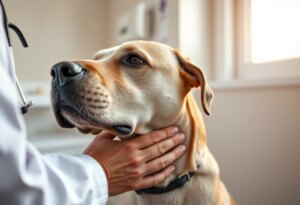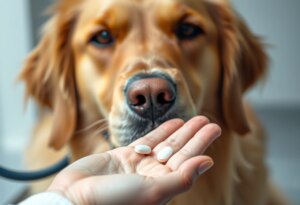
An old dog peeing in the house is not a discipline problem, and it is almost never a sign your dog is being spiteful or “forgetting” house training on purpose. In my clinical experience evaluating senior dogs referred for sudden house soiling, the behavior is a symptom, not a character flaw, and the diagnostic path you take next matters far more than the mess on the floor. Before anyone starts a conversation about euthanasia, there is a rational, evidence-based sequence of questions to work through. This article gives you that sequence.
Behavior Versus Biology: Why “Accidents” Are the Wrong Frame
Owners frequently describe an old dog peeing in the house using the language of misbehavior: “she knows better,” “he’s being lazy,” “she’s doing it out of spite because we got a new puppy.” I understand the impulse to reach for a motivational explanation. Dogs are relational animals, and it feels intuitive to assign intent. But spite is a human social-cognitive construct that requires theory of mind capacities we don’t have strong evidence dogs possess, and it does nothing to explain the physiology in front of you. When a dog who was reliably house trained for eight, ten, or twelve years suddenly starts soiling indoors, the far more parsimonious explanation is a change in the animal’s underlying biology: neurological, renal, endocrine, or musculoskeletal. Treating an old dog peeing in the house as a training failure, rather than a clinical signal, delays diagnosis and prolongs unnecessary discomfort for the dog.
This reframe is the foundation of everything that follows. House soiling in a geriatric dog is a data point. Your job, and mine when I’m consulting on a case like this, is to figure out what that data point is telling us before assigning meaning to it.
What the Research Actually Shows About Senior Dog Incontinence and Cognitive Decline
The numbers here are worth sitting with. Landsberg and colleagues, publishing in the Journal of Veterinary Behavior, found that canine cognitive dysfunction syndrome (CDS) affects roughly 28 percent of dogs between 11 and 12 years old, and that prevalence climbs to approximately 68 percent in dogs aged 15 to 16. House soiling is one of the core markers in the DISHA framework clinicians use to screen for CDS: Disorientation, Interaction changes, Sleep-wake cycle disruption, House soiling, and Activity level changes. If your dog is soiling indoors alongside disorientation (staring at walls, getting stuck in corners), altered social interaction, or a flipped sleep schedule, cognitive decline belongs on your differential list.
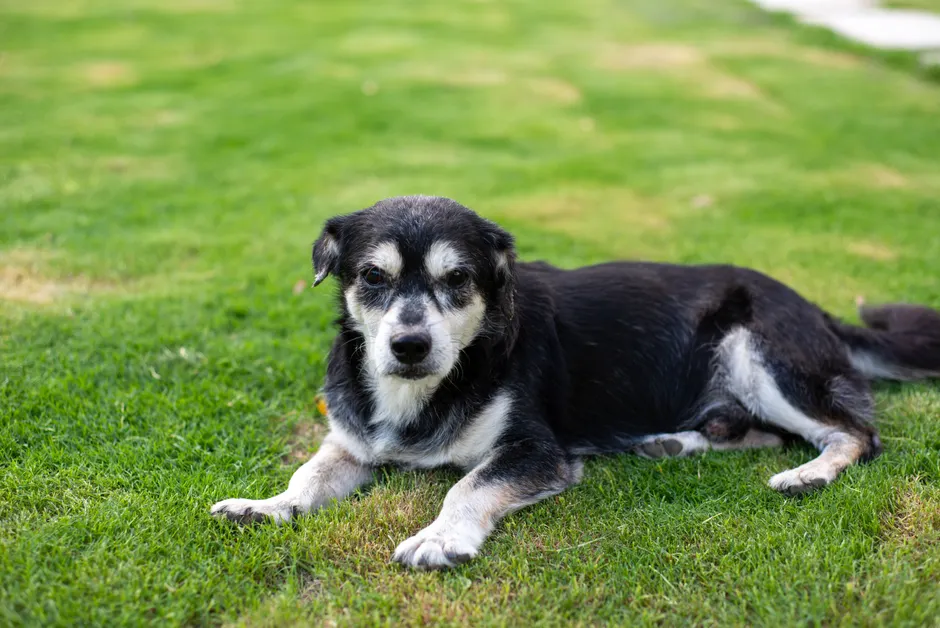
But here’s where the data gets contradictory, and where I think owners get steered wrong by well-meaning but incomplete information online: a study in the Journal of the American Veterinary Medical Association found that urinary incontinence affects around 20 percent of spayed female dogs, largely due to urethral sphincter mechanism incompetence, a mechanical and hormonal issue that has nothing to do with the brain. This is a highly treatable condition in most cases, often responsive to medications like phenylpropanolamine or estrogen supplementation. In other words, senior dog incontinence and cognitive house soiling can look identical from the outside (a puddle on the kitchen floor) while having completely different mechanisms, prognoses, and treatments. You cannot distinguish them by observation alone. This is exactly why a veterinary workup, not a behavioral assumption, has to come first.
“House soiling in a dog who was previously reliable is a symptom looking for a diagnosis. It is rarely a training problem, and it is almost never spite. The behavior tells you something changed. Our job is to find out what.” — Dr. Mindy Waite
The Differential Checklist: Rule Out Before You Rule In
When I consult on a case of old dog peeing in the house, I walk the owner through a structured differential before we talk about anything else, including quality of life. This isn’t optional due diligence, it’s the whole ballgame, because several of these conditions are treatable and reversible.
- Urinary tract infection (UTI): Common in senior dogs and can cause frequency, urgency, and indoor accidents even in a cognitively intact dog. A simple urinalysis rules this in or out.
- Chronic kidney disease: Reduced kidney function increases urine volume and frequency, outpacing the dog’s bladder capacity or ability to signal in time. Bloodwork (BUN, creatinine, SDMA) is diagnostic.
- Cushing’s disease (hyperadrenocorticism): Excess cortisol drives increased thirst and urination as a primary clinical sign, not a secondary one. Often mistaken for “just getting old.”
- Diabetes mellitus: Elevated blood glucose causes excessive drinking and urinating, sometimes before other symptoms are obvious. A blood glucose panel is quick and conclusive.
- Urethral sphincter mechanism incompetence: The “leaking while asleep” pattern, especially in spayed females, discussed above.
- Mobility-related access failure: This one gets missed constantly. A dog with osteoarthritis or vestibular changes may have a fully intact bladder and brain, but physically cannot get up, navigate stairs, or reach the door fast enough. This is a mechanical problem, not a medical or cognitive one, and it has mechanical solutions. If stairs are part of the dog’s route to the yard, it’s worth comparing ramps versus stairs for senior dogs to see whether the access route itself is the limiting factor.
- Cognitive dysfunction syndrome: Considered only after the above are ruled out or concurrently managed, and typically confirmed by the presence of other DISHA markers, not house soiling in isolation.
If your dog is also drinking noticeably more water alongside the soiling, that combination narrows the list considerably and points toward renal, endocrine, or diabetic causes over cognitive ones. I’ve written a more detailed breakdown of that specific symptom pairing in why an older dog might be peeing in the house and drinking excessive water, which is worth reading alongside this checklist if that pattern matches what you’re seeing.
Scoring Quality of Life: Is Soiling an Isolated Symptom or Part of a Cluster?
Once medical causes are ruled out or being actively treated, the next analytical step is determining whether old dog peeing in the house is an isolated, manageable inconvenience or one signal within a broader decline in welfare. This is where I use a modified version of the HHHHHMM scale (Hurt, Hunger, Hydration, Hygiene, Happiness, Mobility, More good days than bad), scoring each domain from 0 to 10.
- Hurt: Is pain adequately controlled? Unmanaged osteoarthritis pain can itself contribute to soiling by making the trip outside aversive.
- Hunger: Is the dog eating enough to maintain weight and strength?
- Hydration: Can the dog access and process water normally, or is excessive thirst part of an underlying disease process?
- Hygiene: Can the dog be kept clean and free of urine scald or pressure sores, or is soiling causing skin breakdown despite your best management?
- Happiness: Does the dog still show interest in food, people, and normal routines?
- Mobility: Can the dog stand, walk, and posture to eliminate without falling or excessive struggle?
- More good days than bad: Tracked over a two-week log, not a single bad afternoon.
House soiling alone, in a dog scoring well across the other six domains, is a hygiene management problem, not a welfare crisis. House soiling combined with poor scores in Hurt, Mobility, and More Good Days is a different picture entirely, and one that warrants a direct conversation with your veterinarian about prognosis and comfort.

Managing Hygiene With Dignity While You Investigate
While bloodwork results are pending or a treatable condition is being managed, the goal is to protect the dog’s comfort and your ability to keep them clean, without punishment and without forcing an isolated dog into crate confinement as a default response. Positive reinforcement pairing (treats and calm praise when the dog uses a pad or eliminates in the correct spot) keeps the learning history intact even in a cognitively impaired dog.
A washable, absorbent surface placed at the dog’s most frequent soiling location reduces cleanup friction and gives the dog a designated, non-punished option. The Washable Pee Pads for Incontinence and Potty Training are a practical, budget-friendly option for dogs with diagnosed or suspected senior dog incontinence, particularly for overnight use when supervision isn’t possible.

- Super Absorbent & Leak-Proof: Engineered with a multi-layer core, our washable pee pads for dogs instantly absorb and lo…
- Non-Slip Backing: Say goodbye to messy, shifting dog pee pads. The non-slip backing keeps the puppy pee pads firmly in p…
- Designed For Senior Dogs & Incontinence Care: Unlike disposable pads you throw away daily, these reusable pee pads are b…
For dogs with concurrent osteoarthritis, an orthopedic bed reduces the number of soiling incidents that happen simply because standing up is painful and slow. A supportive surface like the Persure Orthopedic Dog Bed for Medium Large Dogs reduces joint pressure on rising, which in some dogs shortens the delay between waking and reaching the door.

- 【Memory Foam Orthopedic Support】This dog sofa bed is built with high-density memory foam and egg-crate foam that conform…
- 【3-Sided Bolster Sofa Design】The raised sides act as a built-in pillow for your dog’s head and neck, while the lowered f…
- 【Waterproof Liner & Machine Washable】A waterproof inner layer between the fleece surface and base prevents urine, drool,…
Belly bands and doggy diapers, introduced gradually and paired with treats during fitting rather than forced on abruptly, prevent the aversive association many dogs form with sudden restrictive garments. Scheduled access (waking the dog for a bathroom break every three to four hours overnight, rather than waiting for a signal that may no longer come reliably) is often the single highest-yield intervention for cognitive-related soiling, since it removes the dog’s dependence on a communication system that may be degrading.
Comparing Your Interim Management Options
Here is a direct comparison of the products discussed, organized by what problem each one solves for an old dog peeing in the house.
| Product | Best For | Key Feature | Price Tier |
|---|---|---|---|
| Washable Pee Pads for Incontinence and Potty Training | Designated indoor elimination zones, overnight use | Reusable, absorbent, non-slip backing | $ |
| Persure Orthopedic Dog Bed for Medium Large Dogs | Dogs whose soiling is linked to slow, painful rising | Supportive orthopedic foam, easy-access low sides | $$$ |
| Pedobi Cooling Mat for Dogs, Q-MAX Cooling Pad | Dogs with heat-related restlessness that disrupts sleep and bathroom timing | Pressure-activated cooling gel, no refrigeration needed | $$ |
Overheating during warmer months can fragment a senior dog’s sleep and increase nighttime restlessness, which indirectly increases indoor accidents by disrupting the predictable rest-wake pattern you’re relying on for scheduled bathroom breaks. A cooling surface like the Pedobi Cooling Mat for Dogs can help stabilize sleep quality in dogs who are heat-sensitive or have thinning coats, which is common in the geriatric population.

- Pet Cooling Mat Using Cold Fibre- Cooling blanket for dogs is made of nylon and cold fiber that fluffy soft with silky h…
- Help Your Dog Beat the Heat with Dog Cooling Pad- The pet throw blanket features soft fabric that Quickly absorbs and re…
- Protect Furniture/Pet Beds – Protects your furniture from dog scratching, chewing, fur, and shedding while keeping your …
When Old Dog Peeing in the House Signals It’s Time to Consider Euthanasia
This is the question underneath the question, and I want to answer it directly rather than talk around it. Old dog peeing in the house, by itself, is not a euthanasia decision. Full stop. It is a symptom that responds, in a majority of cases, to either medical treatment or environmental management. Don’t count on the soiling resolving completely if the underlying cause is progressive cognitive dysfunction, but do expect meaningful improvement in most metabolic and mechanical causes.
The decision point shifts when soiling is one symptom among several in the HHHHHMM assessment above, specifically when Hurt and Mobility scores are consistently low, when Hygiene cannot be maintained despite consistent effort (leading to skin infection or sores), and when More Good Days Than Bad flips to more bad days than good over a sustained two-week tracking period. At that point, the conversation is no longer about a training or hygiene fix. It’s about total welfare burden, and that’s a conversation to have directly with your veterinarian, ideally using a documented quality-of-life log rather than a single hard afternoon as the basis for the decision.
For additional context on how age-related decline unfolds across different breeds and life stages, the American Kennel Club’s senior dog care guidance is a useful reference point for what’s typical versus what warrants veterinary attention. And if your dog is a mixed breed with a known life expectancy range, understanding where they sit on that curve, like in our Goberian life expectancy guide, can help calibrate expectations about what “normal aging” looks like for that particular genetic background.
Frequently Asked Questions
Is old dog peeing in the house always a sign of cognitive decline?
No. Old dog peeing in the house has multiple possible causes, including urinary tract infections, kidney disease, Cushing’s disease, diabetes, urinary sphincter incompetence, and mobility limitations that prevent the dog from reaching the door in time. Cognitive dysfunction syndrome is one possible cause among several, and it should be considered only after medical causes have been ruled out through veterinary testing.
Should I punish my senior dog for peeing in the house?
No. Punishment does not address the underlying medical or physical cause and can damage the dog’s trust and increase anxiety, which sometimes worsens house soiling. Positive reinforcement for correct elimination, combined with antecedent management like scheduled bathroom breaks and designated pads, produces far better outcomes than correction-based approaches.
What tests should my vet run for an old dog peeing in the house?
A standard diagnostic workup typically includes a urinalysis to check for infection or dilute urine, bloodwork to assess kidney function and screen for diabetes, and specific testing for Cushing’s disease if clinical signs like increased thirst and appetite are present. A physical and orthopedic exam also rules out mobility-related access failure as a contributing factor.
How do I know if house soiling means it’s time to consider euthanasia?
House soiling alone rarely justifies euthanasia, especially when treatable causes exist. The decision becomes appropriate when soiling occurs alongside declining scores across multiple quality-of-life domains, such as unmanaged pain, poor mobility, and a documented pattern of more bad days than good over a two-week period. A structured quality-of-life assessment done with your veterinarian provides a more reliable basis for this decision than any single incident.