
Dog arthritis injections have become one of the most talked-about topics in senior dog care circles, and for good reason. If you’ve got an old dog who’s started hesitating at the bottom of the stairs, or who groans getting up from her bed the way we all do on a cold morning, you’ve probably already heard your vet mention Librela. I get asked about this constantly, and I want to talk you through it the way I’d talk to a friend at the sanctuary gate, not the way a pharmaceutical pamphlet would.
Key Takeaways:
- Librela is a monthly injection that targets nerve pain from osteoarthritis, not the joint damage itself.
- Clinical trials showed real mobility improvements in a majority of dogs within about four weeks.
- Post-market reports have raised legitimate concerns about neurological side effects in some dogs.
- Senior dogs with existing health issues need closer monitoring and a more cautious start.
- It works best as one piece of a bigger comfort plan, not a stand-alone fix.
What Librela Is and How It Works
Librela’s active ingredient is bedinvetmab, a monoclonal antibody. That sounds intimidating, but the concept is actually pretty elegant once you break it down. Instead of numbing pain broadly or reducing inflammation the way a traditional NSAID does, it targets something called nerve growth factor, a protein that essentially tells the brain “this joint hurts.” Block that signal, and the pain message quiets down considerably, even though the arthritis itself is still sitting there in the joint.
It’s given as a single injection under the skin, once a month, at your vet’s office. No pills to hide in peanut butter, no daily battle of wills with a dog who’s gotten wise to your tricks. For sanctuary dogs who already take a fistful of medications, that simplicity is genuinely appealing. I won’t pretend otherwise.
But here’s what I want you to sit with for a second: dog arthritis injections don’t repair cartilage or slow joint degeneration. They quiet pain signals. That’s a meaningful difference when you’re deciding how this fits into your dog’s overall care plan, and it’s why I never recommend treating Librela as the whole strategy.
The Data Behind the Hype
Zoetis, the manufacturer, ran clinical trials that were reviewed by both the FDA and the European Medicines Agency before approval. Those trials showed real, measurable improvement in mobility scores for a majority of dogs by around week four. Owners reported easier rising, more willingness to walk, and dogs who seemed, in that quiet way only dog people notice, more like themselves.
That’s the hopeful part of the story. Here’s the part that made me sit up straighter in my chair.
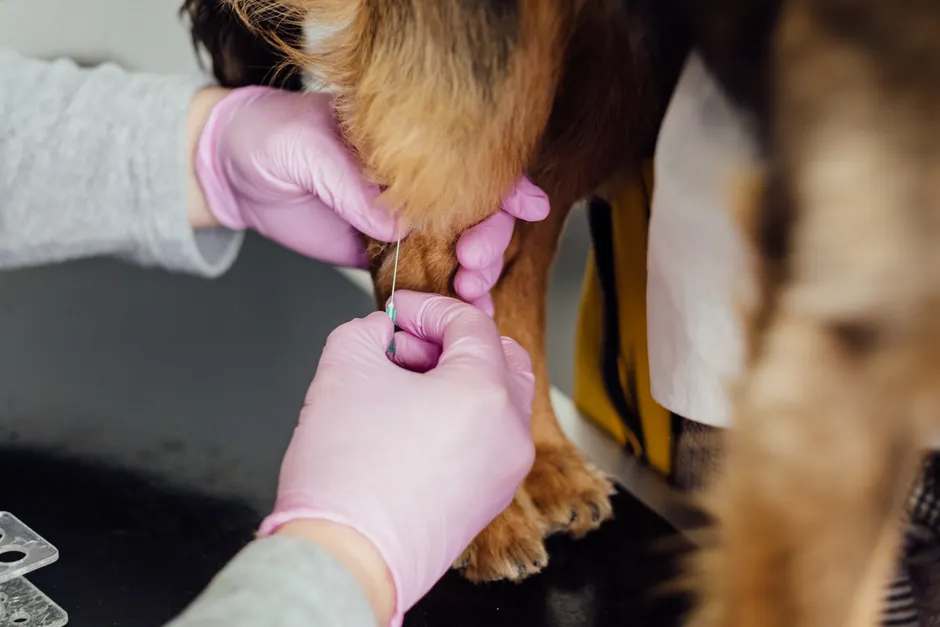
The FDA’s 2024 adverse event summary logged thousands of reports following widespread use of dog arthritis injections like Librela, including neurological signs such as ataxia (loss of coordination), worsening osteoarthritis, and in rare cases, death. This pattern was significant enough that the FDA required an updated label warning in late 2024, specifically flagging these neurological concerns for prescribing veterinarians and pet owners.
I’ve learned over years of sanctuary life that “FDA approved” and “risk-free” are two very different sentences. Approval means the benefits were judged to outweigh the risks for the general population. It doesn’t mean your dog, with her particular history and her particular body, is guaranteed to be in the safe majority.
I say this not to scare you away from the option, but because I’d rather you walk in with open eyes than blind trust. You can read the FDA’s own adverse event reporting process directly through the FDA Center for Veterinary Medicine if you want to see how these reports are collected and reviewed firsthand.
Weighing Benefits vs. Risks for Senior Dogs
This is where it gets personal, because every dog walking through my gate has a different history, different comorbidities, different reserves of resilience left in the tank. Weighing dog arthritis injections for a senior dog isn’t a one-size question.
On the benefit side, I’ve watched dogs who’d stopped greeting me at the fence start trotting over again. Easier stair use. Less stiffness after naps. Owners describing their dog as “acting younger” within weeks. That’s not nothing. Quality of life in the golden years is everything to me, and pain relief that actually works matters deeply.
On the risk side, we’re talking about:
- Ataxia — wobbliness or loss of coordination that can look alarmingly like a neurological event
- Rapidly worsening osteoarthritis — because the dog feels good enough to move in ways their damaged joints can’t actually support, sometimes accelerating joint breakdown
- Kidney concerns in dogs with preexisting renal disease, a common companion to canine aging
- Rare but reported deaths, particularly in dogs with other significant health burdens
Senior dogs with kidney disease, heart conditions, or advanced comorbidities need extra scrutiny before starting this medication. Honestly, who thinks a monthly injection is a casual decision for a fifteen-year-old dog with three other diagnoses on her chart?? It’s not. If your dog falls into that category, this conversation with your vet needs to be slow, thorough, and unhurried. If you’re exploring alternatives or comparisons before committing, our breakdown of Synovetin OA vs NSAIDs for canine arthritis treatment is a good next stop.
One thing that helps dogs handle any joint intervention better, injection or not, is a supportive resting environment. A properly cushioned, supportive surface takes pressure off inflamed joints between vet visits. The Pecute Elevated Dog Bed with Cooling Blanket is chew-proof and keeps dogs elevated off cold, hard floors, which matters more than people realize for arthritic joints.

- 【Dual-Engine Cooling System For Overheating Prevention】Is your heavy-coated dog panting and miserable during summer days…
- 【 Chew-Proof Heavy-Duty Frame For Active Large Dogs】Tired of constantly replacing shredded, expensive foam beds? Enginee…
- 【Orthopedic Joint Support & Pain Relief】Watch your senior dog stand up with ease and energy. Sleeping on cold, hard floo…
Comparing Your Senior Dog’s Arthritis Support Options
I put this table together because I think decisions land better when you can actually see them side by side, instead of juggling them in your head at 11pm while your dog snores beside you.

| Option | How It Works | Best For | Monitoring Needed | Price Tier |
|---|---|---|---|---|
| Librela (bedinvetmab) | Blocks nerve growth factor pain signaling | Dogs with diagnosed OA, few comorbidities | High (neuro signs, mobility, appetite) | $$$ |
| Traditional NSAIDs | Reduces inflammation systemically | Dogs without liver/kidney concerns | Moderate (bloodwork, GI signs) | $$ |
| Joint Supplements | Supports cartilage, reduces inflammation naturally | Early-stage OA, long-term maintenance | Low | $$ |
| Physical Therapy / Hydrotherapy | Builds muscle support around joints | Dogs needing strength and mobility work | Low, but requires consistency | $$$$ |
Notice there’s no single “winner” here. In sanctuary life, the dogs who do best usually get a blend, not a silver bullet.
What Sanctuary-Level Monitoring Looks Like at Home
If you and your vet decide to move forward with dog arthritis injections, please don’t just give the shot and go about your week hoping for the best. This is a sacred trust, this animal who depends entirely on you to notice what she can’t tell you in words.
Here’s what I do with every dog in my care after any new medication, injection or otherwise:
- Keep a simple daily log, even just a notes app entry, tracking energy, appetite, and how she gets up from lying down
- Watch specifically for wobbliness, dragging paws, or any change in how she places her back feet
- Note appetite changes day by day, not just “she’s eating fine,” but actual amounts
- Photograph or video her gait weekly so you have something concrete to compare, not just memory
- Call your vet immediately if you see any neurological signs, don’t wait to see if it resolves on its own
Nutrition plays a quiet but real role in how a senior body handles any new treatment. I keep my old dogs on food that’s easy to digest and genuinely nourishing, not just filler. ZEAL Canada Air-Dried Chicken Recipe for Dogs is one I’ve come to trust for dogs who need something gentle but nutrient-dense while their bodies are adjusting to new medication.
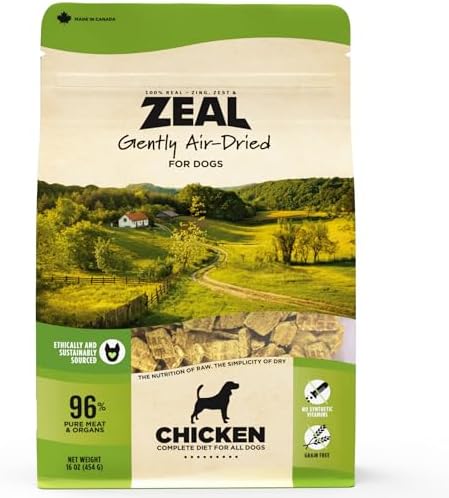
- 96% Free-Range Chicken and Organs for Optimal Health: Made with free-range chicken, liver, gizzard, and heart, providing…
- Natural and Organic Superfoods for Complete Wellness: Enriched with ethically sourced green-lipped mussels for joint sup…
- Air-Dried to Retain Nutrients Naturally: Our gentle air-drying process locks in all the nutrients without synthetic addi…
Is it a little exhausting to watch this closely every month? Yes. Is your old dog worth that vigilance? You already know the answer, or you wouldn’t have read this far.
Making the Call With Your Vet
Before you start, or before you continue, dog arthritis injections deserve a real conversation, not a rushed nod at the end of a routine appointment. Bring these questions with you:
- Does my dog have any kidney, liver, or heart conditions that change the risk calculation here?
- What specific signs should prompt an emergency call versus a “let’s monitor” approach?
- How will we know if it’s actually working versus masking a problem that’s getting worse?
- Should we pair this with weight management, supplements, or physical therapy rather than relying on it alone?
- If we see concerning signs, how quickly does the medication clear, and what’s our off-ramp?
I’ve also seen wonderful results in dogs whose owners combined this kind of injection with daily joint support rather than treating it as a replacement. A quality multivitamin formulated for aging bodies, like Vita-Tabs Silver for Senior Dogs, can help fill nutritional gaps that support overall joint and organ health while your dog navigates any new medication.

- Comprehensive Nutrition: Vita-Tabs provide a balanced blend of essential vitamins and minerals to support your dog’s ove…
- Immune System Support: Packed with antioxidants, these tabs help strengthen your dog’s immune system, promoting a robust…
- Healthy Coat and Skin: The inclusion of Omega-3 fatty acids contributes to a lustrous coat and healthy skin, ensuring yo…
If your vet suggests starting with something less systemic first, our guide to home remedies for dog arthritis that actually work covers gentle options worth trying alongside or before injections, depending on where your dog is in her arthritis progression.
At the end of it all, whether you choose dog arthritis injections, a supplement-first approach, or some thoughtful combination, the real question isn’t which option is trendiest. It’s which choice honors the dog actually in front of you, with her specific body, her specific history, and her specific needs. That’s the whole job, really.
Frequently Asked Questions
How quickly does Librela start working for senior dog joint pain?
Clinical trials showed noticeable mobility improvement in a majority of dogs by around four weeks after the first injection. Some owners report subtle changes sooner, but full effect typically builds over the first one to two doses.
What are the warning signs I should watch for after a Librela injection?
Watch closely for wobbliness or loss of coordination (ataxia), sudden worsening of mobility, changes in appetite, or unusual lethargy. Any of these warrant an immediate call to your veterinarian rather than a wait-and-see approach.
Can Librela be used alongside other canine osteoarthritis treatment options?
Yes, and in many cases it’s recommended. Combining it with joint supplements, weight management, and physical therapy generally produces better long-term outcomes than relying on the injection alone.
Is Librela safe for senior dogs with existing kidney or heart conditions?
This requires a careful, individualized conversation with your veterinarian. Dogs with comorbidities need closer monitoring and a more cautious start, since post-market reports have flagged higher scrutiny needs for these cases.
Tell your pup I said Hi! — Dawn