


Choosing the right dog arthritis treatment for an aging patient is less about picking a “winner” and more about matching a mechanism to a specific joint problem, and the data on Synovetin OA versus NSAIDs makes that distinction clearer than most owners expect. As a behaviorist, I get asked this question constantly by clients whose dogs have started refusing stairs or hesitating before jumping into the car. Those behavior changes are not stubbornness. They are functional data points, and understanding the biology behind them is the first step toward choosing a treatment that actually changes your dog’s daily experience rather than just masking it temporarily.
The Biology of Canine Osteoarthritis: Why Pain Becomes a Behavioral Problem
Osteoarthritis in dogs is not simple wear and tear. It is a chronic inflammatory condition centered in the synovium, the membrane lining the joint capsule. When cartilage degrades, the body responds with synovitis (inflammation of that membrane), which floods the joint with inflammatory mediators like prostaglandins and cytokines. Those mediators sensitize local nerve endings, and over time the joint develops what pain physiologists call peripheral and central sensitization. In plain terms: the joint gets more reactive to normal movement, not less, the longer inflammation persists untreated.
This is why the pain-inflammation cycle is self-perpetuating. Inflammation causes pain, pain causes guarding and reduced movement, reduced movement leads to muscle atrophy around the joint, and atrophy removes the stabilizing support the joint needs, which increases mechanical stress and drives further inflammation. Any effective dog arthritis treatment has to interrupt this loop somewhere, either by reducing the inflammatory signaling directly at the joint or by suppressing the systemic pain pathways that keep the dog from moving normally. Synovetin OA and NSAIDs interrupt this cycle at fundamentally different points, and that distinction matters more than most marketing materials let on.
Two Very Different Mechanisms: Radiosynoviorthesis vs. COX-2 Inhibition
Synovetin OA works through a process called radiosynoviorthesis. A veterinarian injects a tin-117m radioisotope colloid directly into the affected joint capsule. The isotope emits low-energy radiation that is absorbed almost entirely by the synoviocytes (the cells lining the inflamed synovium) within a few millimeters of the injection site. Those synoviocytes are essentially ablated, which reduces the chronic inflammatory tissue driving the disease process at that specific joint. It is a localized, mechanical fix to a localized problem, and a 2020 clinical study published in veterinary radiology literature reported measurable lameness improvement in roughly 80 percent of elbow osteoarthritis cases following a single injection, with effects reported to last up to a year in many patients.
NSAIDs work through an entirely different, systemic pathway. They inhibit cyclooxygenase-2 (COX-2), the enzyme responsible for converting arachidonic acid into prostaglandins, the primary drivers of inflammation and pain sensitization throughout the body. Because NSAIDs circulate systemically rather than acting on one joint, they treat every inflamed joint simultaneously, which is a meaningful advantage for dogs with polyarticular arthritis (multiple affected joints, which is the more common presentation in geriatric patients). The tradeoff is that COX-1, a related enzyme responsible for maintaining gastric mucosal integrity and normal renal blood flow, gets partially inhibited too, even with “COX-2 selective” formulations. That is where the long-term risk profile diverges sharply from Synovetin’s localized approach.
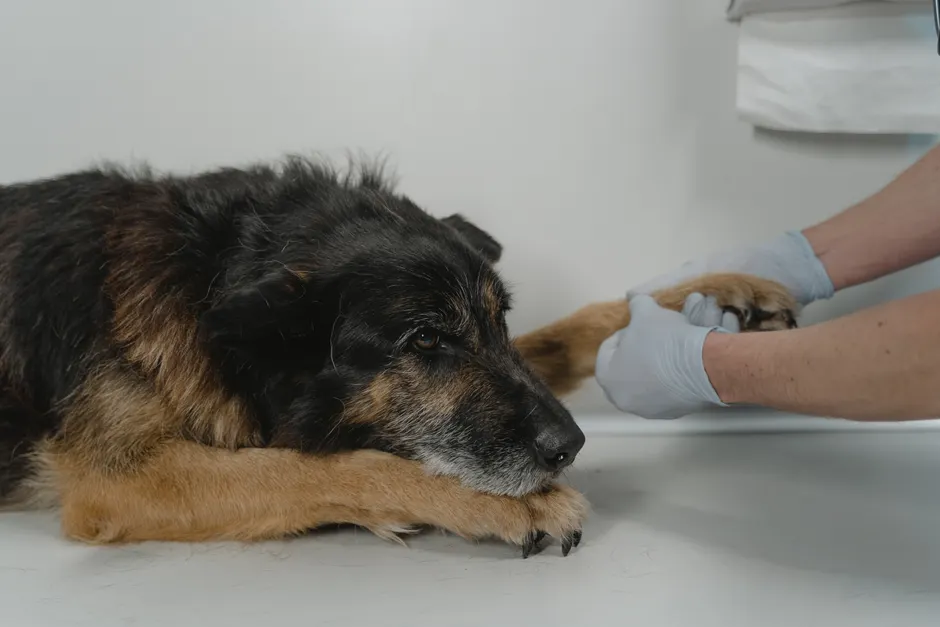
Don’t count on either treatment to work miracles. Synovetin OA addresses inflamed tissue in one joint capsule; it does nothing for the three other joints that might be quietly deteriorating. NSAIDs address system-wide inflammation but do nothing to reverse existing structural damage. Neither is a cure. Both are management tools, and the data supports using them as part of a broader, multimodal pain plan rather than a standalone fix.
Risk-Benefit Analysis: GI and Organ Risk vs. Radiation and Cost Barriers
Long-term NSAID use in senior dogs carries a documented, if statistically modest, adverse event profile. Veterinary pharmacology literature places the incidence of clinically significant gastrointestinal ulceration, hepatic enzyme elevation, or renal complications at roughly 1 to 2 percent of treated dogs, which sounds low until you consider that senior dogs are frequently on NSAIDs for years, not weeks, and often have concurrent kidney or liver changes that compound risk. This is precisely why baseline and periodic bloodwork (a chemistry panel checking BUN, creatinine, ALT, and ALP) is non-negotiable before and during chronic NSAID therapy. Dogs with pre-existing renal insufficiency, which is common in the geriatric population, are poor candidates for daily systemic NSAID use regardless of how well the drug controls their pain.
Synovetin OA sidesteps organ toxicity almost entirely because the radiation dose is localized and the isotope has a short half-life, but it introduces its own limitations. The treatment is only available through a network of certified, licensed clinics equipped to handle and administer radioactive material, which is a genuine access barrier for owners outside major metro areas. Cost is the other constraint: expect a premium investment in the range of roughly $1,000 to $1,500 per joint, and dogs with three or four affected joints face a cost multiplier that puts the treatment out of reach for many households. It is also a single-joint intervention, so a dog with bilateral elbow and hip arthritis would need multiple procedures to get comprehensive relief, which is a very different cost and logistics calculation than a daily NSAID tablet.
For dogs managing multi-joint pain at home between treatments, supportive bracing can reduce compensatory strain on unaffected limbs. A Labra Dog Front Leg Brace can help stabilize a weakened front limb while the joint tissue responds to treatment, reducing the abnormal gait compensation that often leads to secondary strain in the opposite leg.
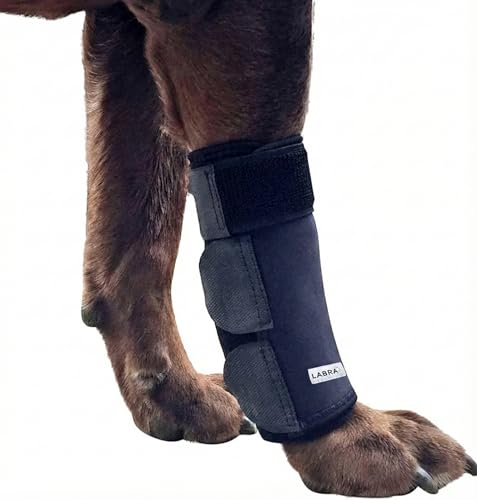
- Protects Against Hot Spots, Lick Granulomas, and Pressure Sores: Provides targeted relief for painful hot spots, lick gr…
- Premium Materials – Made from 3mm neoprene, our brace wrap is breathable, elastic, and enjoyable, ensuring your dog’s co…
- Joint Health – Our brace provides extra support on your dog’s front legs, allowing them to stay healthy and support thei…
Comparing the Two Approaches Side by Side
The table below breaks down the practical differences owners should weigh when evaluating this dog arthritis treatment decision alongside their veterinarian.
| Factor | Synovetin OA | NSAIDs for Dogs | Price Tier |
|---|---|---|---|
| Mechanism | Localized radiosynoviorthesis (tin-117m colloid injection) | Systemic COX-2 inhibition | Synovetin: $$$$$ / NSAIDs: $$ |
| Scope of Effect | Single joint per injection | All inflamed joints simultaneously | N/A |
| Duration of Relief | Reported up to 12 months per treatment | Daily dosing, effect lasts hours | N/A |
| Organ Risk Profile | Minimal systemic risk; localized radiation only | ~1-2% risk of significant GI/hepatic/renal events long-term | N/A |
| Access Requirement | Certified specialty clinic required | Available through any licensed veterinarian | N/A |
| Best Candidate | Dogs with 1-2 affected joints, stable organ function, budget for upfront cost | Dogs with multi-joint disease, normal bloodwork, need for immediate relief | N/A |
A Structured Decision Framework for Owners
Rather than asking “which treatment is better,” the more useful clinical question is “which treatment fits this dog’s specific profile.” Work through this checklist with your veterinarian before committing to either path:

- Joint count affected. One or two joints favor Synovetin OA. Three or more favor NSAIDs or a combination approach, since treating every joint individually with Synovetin becomes cost-prohibitive quickly.
- Recent bloodwork status. Elevated BUN, creatinine, ALT, or ALP values are a caution flag for long-term NSAID use and may push the decision toward Synovetin or non-pharmacologic management instead.
- Budget realities. A single Synovetin injection is a significant upfront cost; NSAIDs are a lower-cost, ongoing monthly expense. Calculate the annualized cost of each before deciding, not just the sticker price of one visit.
- Clinic access. Confirm there is a certified Synovetin provider within reasonable driving distance. Not every region has one, and follow-up radiation safety protocols may require your dog to avoid close contact with children or pregnant household members for a short window post-injection.
- Nutritional support status. Regardless of which treatment you choose, joint-supportive nutrition matters. Diets formulated with balanced omega fatty acids, like NUTRO NATURAL CHOICE Adult Dry Dog Food, can support a lower baseline inflammatory state, which makes either treatment modality more effective. For a deeper breakdown of senior-specific nutrition needs, our senior dog food guide covers what to look for on the label.

- Supports Whole-Body Health: NUTRO NATURAL CHOICE Adult Dry Dog Food is made with essential nutrients and antioxidants to…
- Made With Real Lamb: Real lamb is the #1 ingredient in this protein-rich recipe
- Supports Healthy Skin & Coat: Made with high-quality protein, this delicious dry dog food also contains Omega 3 & 6 fatt…
Cost planning should also account for the fact that arthritis management is a lifelong commitment, not a one-time expense. If your dog is over age 8, reviewing your older dog insurance coverage before starting either treatment can clarify what portion of injections, bloodwork, or long-term medication costs will actually be reimbursed.
Behavioral Monitoring: Tracking Pain Objectively, Not Anecdotally
Owners consistently underestimate how much subtle behavior change reflects joint pain. Reluctance to jump onto furniture, a shortened stride, increased irritability when touched near a limb, or slower descent down stairs are all antecedent-driven behaviors, meaning the dog’s environment (the stairs, the car, the greeting routine) is triggering an aversive physical sensation, and the dog is adjusting its behavior to avoid that sensation. This is functional communication, not misbehavior, and treating it as the latter is one of the more common owner misconceptions I address in clinical consultations.
Before starting any dog arthritis treatment, establish a baseline using a simple owner-administered mobility log. Track these five variables daily for one week prior to treatment, then resume tracking two weeks after:
- Willingness to climb stairs unprompted (scored 0-3, where 0 is refusal and 3 is normal pace)
- Latency to rise from a lying position (timed in seconds)
- Stride evenness during a 20-foot walk (observed limp, none, mild, or pronounced)
- Response to gentle palpation of the affected joint (no reaction, mild withdrawal, vocalization)
- Frequency of self-initiated play or engagement behaviors per day
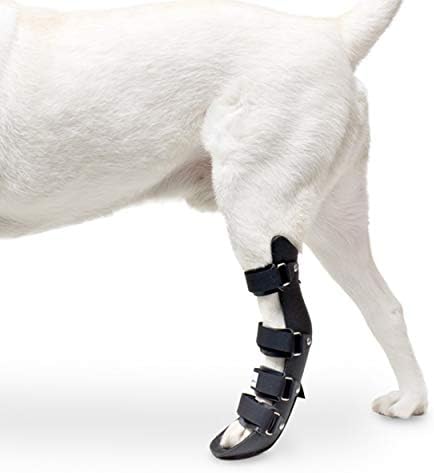
This kind of structured tracking removes the guesswork from the American Kennel Club’s own emphasis on recognizing early arthritis signs in aging dogs, and it gives your veterinarian objective data to determine whether Synovetin OA, NSAIDs, or a combination is actually producing measurable functional improvement rather than a perceived one. For dogs recovering mobility in a rear limb, a support option like a Dog Rear Foot Splint can help maintain proper limb positioning during the healing window, particularly for dogs prone to knuckling or dragging a weakened hind paw.
The data from these logs consistently shows that dogs do best on a multimodal plan: joint-targeted treatment (Synovetin or NSAIDs), supportive nutrition, weight management, and low-impact physical conditioning like short leash walks or hydrotherapy. No single intervention, however well-marketed, replaces that combination. Any dog arthritis treatment decision should be revisited every 6 to 12 months as your dog’s joint status, bloodwork, and mobility scores evolve, since a treatment that fits a dog’s profile at age 9 may need adjustment by age 12.
Frequently Asked Questions
Can Synovetin OA and NSAIDs be used together?
Yes, and many veterinarians recommend exactly this combination for dogs with multi-joint arthritis. Synovetin OA can target the most severely affected joint while a lower-dose NSAID regimen manages residual inflammation in other joints, often allowing for a reduced NSAID dose overall, which lowers long-term organ risk.
How long does Synovetin OA relief actually last?
Clinical reporting suggests measurable improvement in lameness for up to 12 months following a single injection in many dogs, though individual results vary based on the severity of pre-existing joint damage. Some dogs require a repeat injection annually to maintain the same level of function.
Is Synovetin OA safe for dogs with kidney disease?
Generally, yes, because the treatment does not rely on hepatic or renal metabolism the way oral NSAIDs do. This makes it a frequently preferred option for senior dogs with compromised kidney or liver values who are otherwise poor candidates for long-term systemic medication.
What are the warning signs that an NSAID is causing harm?
Watch for vomiting, black or tarry stools, reduced appetite, increased thirst or urination, or lethargy that appears shortly after starting the medication. Any of these signs warrant an immediate call to your veterinarian and typically require stopping the drug and running follow-up bloodwork.