


A family dog breed isn’t a one-size-fits-all decision, and I say that after decades of watching dogs come through my life who taught me the hard way that temperament matters more than looks, more than breed reputation, and honestly, more than what the internet tells you a dog “should” be. Some families need a dog who melts into the couch cushions. Others need a dog who stands at the window and watches the street like it’s their job. Neither is wrong. But picking the wrong one for your household? That’s where things get hard, for the dog and for you.
I’ve spent years at the sanctuary watching old dogs settle into their true selves once the noise of “shoulds” falls away. And what I’ve learned is this: temperament isn’t a personality quirk, it’s biology, breeding history, and individual wiring all rolled into one dog. So let’s talk honestly about what “calm” and “protective” actually mean, and how to figure out which one your home actually needs.
What “Calm” vs. “Protective” Really Means (It’s Not Just Vibes)
People throw around words like “calm” and “protective” like they’re personality horoscopes. They’re not. These are measurable behavioral tendencies, and the American Kennel Club actually classifies temperament traits around things like sociability, trainability, and watchfulness, not just “good with kids” checkboxes on a website.
Calm temperament generally means:
- Lower reactivity to novel stimuli (strangers, loud noises, sudden movement)
- High tolerance for handling and physical closeness
- Slower arousal recovery time (they settle back down quickly after excitement)
Protective temperament usually involves:
- Heightened alertness to unfamiliar people or environments
- Strong territorial instincts tied to guarding behavior
- Faster threat-assessment responses, which is a nice way of saying they notice things before you do
Neither trait makes a dog “better.” A protective dog isn’t automatically aggressive, and a calm dog isn’t automatically a pushover. This is where a lot of families get it twisted, and it costs dogs their homes when expectations don’t match reality. This matters just as much when choosing a family dog breed for an aging household, because energy and vigilance levels that felt manageable at 30 can feel like a lot at 70.
Meet the Calm Contenders: Golden Retrievers, Cavaliers, and Bichons
If your home runs on soft mornings, slow walks, and a lot of couch time, these breeds tend to fit like a worn-in glove.
The Golden Retriever is basically the gold standard (pun fully intended) for family-friendly calm. The AKC notes Golden Retrievers rank among the top 5 most popular breeds in America, and a huge part of that popularity comes down to their low-aggression temperament scores and eagerness to please. They’re patient with kids, tolerant of chaos, and genuinely seem to enjoy being around people more than being away from them.

The Cavalier King Charles Spaniel brings a gentler, quieter energy. These little dogs were bred for centuries to be lap companions, not workers, and it shows. They bond hard, they don’t need much exercise, and they rarely show territorial aggression.
The Bichon Frise rounds this group out with a cheerful, easygoing nature. Small, sturdy, good with children, and about as far from “guard dog” as you can get. If your household needs a dog who greets the mail carrier with excitement instead of suspicion, this is your breed.
A calm dog isn’t a boring dog. It’s a dog whose nervous system has room to breathe, and honestly, most families (and most senior citizens) need that more than they need a dog who can chase off intruders.
If you want to celebrate that golden, gentle soul who’s already stolen your heart, this Personalized Golden Retriever Christmas Keepsake Ornament makes a sweet way to mark the years together, especially for families whose calm family dog breed has become the heart of the household.
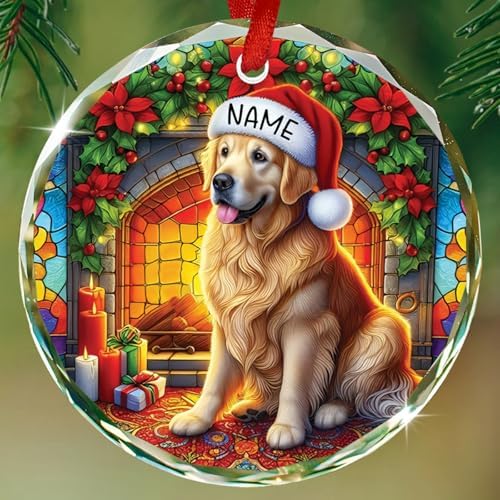
- 🎁 [HOUSE WARMING DECORATION GIFTS]: Makes a great keepsake gift for Dog Lover, Dog Owner, Dog Dad, Dog Mom, Dad, Mom, Gr…
- 💕 [HOW TO CUSTOMIZE]: Add that extra special touch to your Xmas tree this year with our Dog Christmas Ornament. Click th…
- 💯 [HIGH QUALITY]: Made of clear glass material, and showcases high-quality, vibrant color printing on one side.
Meet the Guardians: German Shepherds, Rottweilers, and Dobermans
Now let’s talk about the other end of the spectrum, because some families genuinely need (or want) a dog who takes their safety seriously.
The German Shepherd is intelligence and loyalty wrapped in a working dog’s body. Their breed standard practically describes guardian instincts as a feature, not a bug. They’re trainable, deeply bonded to their families, and naturally wary of strangers until proven otherwise.
The Rottweiler carries a similar profile: confident, calm around family, but seriously alert to anything unfamiliar. People underestimate how affectionate Rottweilers are at home because they only see the guarding side in public.
The Doberman Pinscher rounds out this trio with sharp intelligence and a fierce loyalty streak. A 2021 study published in the Journal of Veterinary Behavior found that guardian breeds like these score notably higher on stranger-directed vigilance compared to companion breeds, which basically confirms what anyone who’s lived with one already knows: these dogs clock a stranger walking up the driveway before you even hear the knock.
This doesn’t mean these dogs are difficult. It means they need structure, socialization, and owners who understand that vigilance is a feature that requires management, not suppression. Honestly, who thinks a guardian breed will just “chill out” without training and clear boundaries? That’s setting the dog up to fail.

Little dogs get lumped into “calm” categories a lot, but plenty of terrier breeds carry surprising spunk and alertness underneath that cuteness. If you love that scrappy terrier energy, this Really Awesome Shirts Distressed Westie Heart Dog Owner shirt is a fun nod to that feisty little guardian spirit some small breeds carry.

Calm Dog Breeds vs. Protective Dog Breeds: Side-by-Side Comparison
Here’s a straightforward breakdown to help you see how these calm dog breeds and protective dog breeds stack up against each other in the traits families care about most.
| Breed | Temperament Type | Good With Young Kids | Exercise Needs | Apartment Friendly | Price Tier |
|---|---|---|---|---|---|
| Golden Retriever | Calm / Social | Excellent | Moderate-High | Fair | $$ |
| Cavalier King Charles Spaniel | Calm / Affectionate | Excellent | Low | Excellent | $$$ |
| Bichon Frise | Calm / Cheerful | Good | Low-Moderate | Excellent | $$ |
| German Shepherd | Protective / Loyal | Good (with training) | High | Poor | $$ |
| Rottweiler | Protective / Confident | Good (with training) | Moderate-High | Poor | $$ |
| Doberman Pinscher | Protective / Vigilant | Fair (with training) | High | Poor | $$$ |
Matching Lifestyle Factors to the Right Family Dog Breed
Temperament on paper is one thing. Real life is another. Before you fall in love with a breed profile, walk through these honest questions with your family.
- Activity level: Protective breeds like German Shepherds and Dobermans need real physical and mental outlets. A bored guardian breed can turn that vigilance into anxiety or destructive behavior.
- Children in the home: Calm breeds tend to tolerate the unpredictability of kids better, but any dog around children needs supervision and training, full stop.
- Apartment vs. yard: Smaller calm breeds like Cavaliers and Bichons adapt well to apartment living. Guardian breeds generally need space to move and a job to do.
- Prior dog experience: First-time owners often do better starting with a calm family dog breed. Guardian breeds reward experienced handlers who understand structure and consistency.
If your household already has a lot going on (kids, guests, a busy schedule), a calm family dog breed usually reduces daily friction. If your home is quieter and someone in the family has the time and knowledge to train consistently, a protective breed can be a deeply rewarding companion.
And don’t forget enrichment matters just as much as temperament. A bored dog of any temperament type becomes a harder dog to live with. If you’re building out your home for a new pup, our enrichment toys for bonding with senior dogs guide has ideas that work beautifully for building trust with dogs of any age, not just the golden years crowd.
A Decision Checklist Before You Choose a Family Dog Breed
Run through this before you commit to any breed, calm or protective:
- Do we have consistent time daily for exercise and training?
- Is someone home enough to prevent isolation-driven behavior issues?
- Are we comfortable managing a dog’s natural wariness around strangers if we choose a guardian breed?
- Do we have the patience for socialization work in the first year?
- Have we considered a senior dog as a calmer alternative regardless of breed?
That last one deserves its own moment. Senior dog adoption is one of the most overlooked paths to a calm family dog breed experience, no matter what breed you’re drawn to. Older dogs, even from breeds known for high protective drive, have usually mellowed. Their nervous systems have settled. They know who they are. I’ve watched grumpy old souls at the sanctuary become the gentlest, steadiest presence in a household once someone gave them the chance. This is a sacred trust, choosing to love a dog through their final years, and it rewards you with a depth of bond that puppies simply can’t offer yet.
Older dogs also tend to shed just as much (sometimes more, thanks to seasonal blow-outs), so if you’re bringing home a senior of a heavy-shedding breed, our best pet hair vacuum for heavy-shedding senior dogs roundup will save your floors and your sanity.
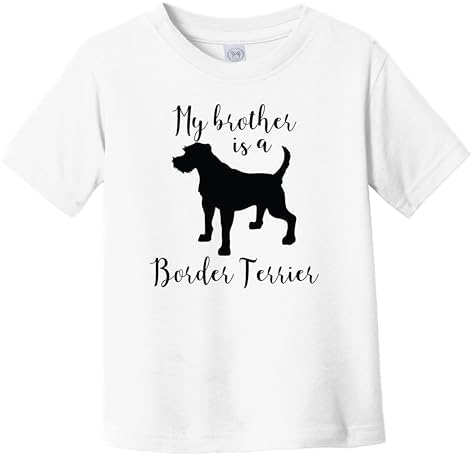
Whichever direction you lean, remember that terrier mixes and lesser-known small breeds often carry a surprising blend of both traits, calm at home, alert with strangers. That’s part of why mixed and lesser-hyped breeds deserve more attention in the family dog breed conversation than they usually get. If your family already has a Border Terrier sibling in the mix, this My Brother is A Border Terrier Cute Dog Silhouette Infant Toddler shirt is a sweet way to celebrate that dynamic.
Frequently Asked Questions
What is the best family dog breed for a first-time owner?
Calm family dog breed options like the Golden Retriever, Bichon Frise, or Cavalier King Charles Spaniel tend to work well for first-time owners because they’re forgiving of training mistakes, adapt easily to household routines, and rarely show territorial aggression. These breeds give new owners room to learn without high-stakes behavioral challenges.
Are protective dog breeds dangerous around children?
Not inherently. Protective breeds like German Shepherds and Rottweilers can be wonderful with children when properly socialized and trained from puppyhood. The key difference from calm breeds is that guardian breeds require more consistent structure and supervision, especially with unfamiliar children or visitors.
Can a protective dog breed also be calm at home?
Yes. Many protective breeds are notably relaxed and affectionate within their own household while remaining alert to strangers or unfamiliar situations outside it. This dual nature is actually a hallmark of well-bred guardian dogs and is very different from general anxiety or reactivity.
Is a senior dog a good alternative if I can’t decide between breeds?
Absolutely. Senior dogs of almost any breed tend to have mellowed considerably compared to their younger selves, offering a calmer temperament regardless of original breed tendencies. Adopting an older dog can be a wonderful way to experience the loyalty of a protective breed or the gentleness of a companion breed without the higher energy demands of a puppy.
Whatever family dog breed you land on, calm, protective, or somewhere in the beautiful middle, what matters most is showing up for that dog with patience and honesty about your own life. Dogs don’t need perfect homes. They need honest ones. Tell your pup I said Hi! — Dawn