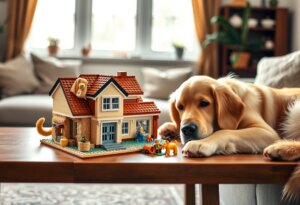

Golden Shepherd puppies come up in a lot of searches this time of year, and I get why. That soft, floppy-eared face is hard to resist. But every time I see someone typing “Golden Shepherd puppies for sale” into a search bar, I think about the dogs sitting in shelter kennels right now, gray around the muzzle, watching every person walk by without stopping. This piece is my honest take on both paths, the buying and the adopting, because I’ve lived close enough to both to tell you the truth about each one.
I run a sanctuary for senior German Shepherds. I’ve held the paws of dogs in their final hours and I’ve also watched a broken, shut-down senior come alive again after weeks of quiet patience. So when I talk about Golden Shepherd puppies, I’m not coming at this from a breeder’s brochure. I’m coming at it from a place that’s seen what happens on both ends of a dog’s life, the beginning and the end, and I think that gives me a little perspective worth sharing.
What Are Golden Shepherd Puppies, Really?
A Golden Shepherd (sometimes called a Golden Retriever/German Shepherd mix or “Sheprador” cousin) is exactly what it sounds like: a cross between a Golden Retriever and a German Shepherd. You’ll typically see a medium-to-large dog, somewhere in the 55 to 85 pound range once grown, with a coat that can lean toward the Golden’s softness or the Shepherd’s denser double coat. Temperament-wise, these are usually smart, loyal, food-motivated dogs who want a job to do. That intelligence is a gift and a challenge in the same breath. A bored Golden Shepherd will find their own entertainment, and you probably won’t love their choices.
Here’s the part that matters most if you’re set on Golden Shepherd puppies from a breeder: both parent breeds carry real, documented health risks. Hip and elbow dysplasia are common in both Goldens and Shepherds, and hypothyroidism shows up frequently in the mix as well. A responsible breeder will have OFA (Orthopedic Foundation for Animals) hip and elbow certifications on both parents, plus thyroid panels, and they’ll hand those results over without hesitation. If you ask about health testing and get vague reassurances instead of paperwork, that’s your answer right there. The American Kennel Club outlines these screening standards clearly, and any breeder worth your money will already be meeting them.
The Case for Adoption: The Numbers Don’t Lie
According to ASPCA data, roughly 6.3 million companion animals enter U.S. shelters every year. Let that number sit with you for a second. That’s not a small, sad footnote. That’s a crisis playing out in nearly every county in this country, and mixed breeds like Golden Shepherds make up a huge share of it. Most of these dogs didn’t do anything wrong. They got surrendered because a family moved, or a landlord changed the pet policy, or a divorce happened, or someone just didn’t plan for how much energy a Shepherd cross actually has. None of that is the dog’s fault. I say this every single day at the sanctuary: these are innocent lives paying for someone else’s circumstances, and it never stops breaking my heart a little.

Honestly, who thinks like that?? You bring a living, feeling creature into your home, and the second life gets inconvenient, you treat them like furniture you can drop off at a donation bin. This is a sacred trust. A dog doesn’t get to choose their family. We choose for them, and that choice comes with a promise.
Adoption also gives you something a breeder simply cannot: a dog whose personality is already formed. Rescues and shelters that take in adult Golden Shepherds can tell you, honestly, whether that dog is calm around kids, reactive to other animals, or an escape artist who needs a six-foot fence. You’re not gambling on genetics and hoping for the best. You’re meeting the actual dog.
If You Choose to Buy, Do It Responsibly
I won’t pretend every reader is going to land on adoption, and that’s fair. Some families genuinely want the experience of raising a puppy from eight weeks old, and there’s nothing wrong with that if it’s done right. But the puppy mill and backyard breeder problem in this country is real, and it’s ugly. Here’s what to watch for:
- No health testing paperwork. If they can’t produce OFA hip/elbow scores or thyroid results for both parents, walk away.
- You can’t meet the mother. Reputable breeders want you to see where and how their dogs live.
- Multiple litters, multiple breeds, always “available now.” That’s a volume operation, not a careful breeding program.
- Pressure to pay a deposit sight unseen. Legitimate breeders have waitlists. They don’t need to rush you.
- Price used as a selling point. A high price tag doesn’t mean quality, and a cheap price doesn’t mean a bargain. Price alone tells you nothing about how that puppy’s parents were treated.
Ask direct questions. How many litters has this dam had? What’s the socialization protocol before eight weeks? Will they take the dog back at any point in its life if things don’t work out? A breeder who bristles at those questions is telling you something important, even if they don’t say it out loud.
Comparing Your Options at a Glance
I put this table together to make the decision a little clearer, whichever direction you’re leaning.

| Option | Typical Age | Health Predictability | Temperament Known? | Price Tier |
|---|---|---|---|---|
| Reputable Breeder | 8-12 weeks | High (with OFA testing) | No, still developing | $$$$ |
| Backyard Breeder / Puppy Mill | Varies, often too young | Very Low | No | $$ |
| Rescue/Shelter Puppy | Under 1 year | Moderate | Somewhat | $ |
| Rescue/Shelter Senior Adult | 7+ years | Known, documented history | Yes, fully known | $ |
The Overlooked Alternative: Senior and Adult Golden Shepherds
Here’s where I get to say the thing I most want you to hear. Everyone searches for Golden Shepherd puppies, and almost nobody searches for the seven-year-old Golden Shepherd sitting quietly in a shelter kennel, patiently waiting, already housetrained, already knowing “sit” and “stay,” already past the destructive chewing phase. That dog is not damaged goods. That dog is a finished product, offered to you at a fraction of the cost and a fraction of the chaos. Older dogs bond fast and hard. I’ve watched it happen more times than I can count at the sanctuary. A senior dog who’s been passed over again and again finally gets chosen, and something in them just settles. They know. That gratitude becomes a bond you can feel in the room. It’s different from raising a puppy. It’s quieter, and it’s deeper.
Practically speaking, adult and senior Golden Shepherds also need far less from you day to day. No 3 a.m. potty breaks. No chewed baseboards. Their exercise needs are lower, though they still benefit from good joint support gear given the dysplasia risk in this mix. A supportive harness matters a great deal for a dog with hip or elbow sensitivity, and I’ve had good experiences recommending something like a Tactical Dog Harness for Large Dogs for dogs who need extra control and lift support on walks, especially on stairs or slick floors where an aging hip can give out unexpectedly.

- 【Heavy-Duty No-Pull Control for Large Dogs】 Our tactical dog harness features dual metal D-rings (chest for no-pull trai…
- 【Military-Grade Durability & Tactical Design】 Made of 900D military nylon with reinforced stitching, this harness is tea…
- 【360° Reflective Safety for Night Walks】 High-brightness reflective strips on all straps enhance visibility at dawn, dus…
If your climate runs hot, and a Shepherd’s double coat can make summer genuinely uncomfortable for an older dog with less tolerance for heat, a cooling accessory earns its keep fast. I keep something like the gogobunny Premium Cooling Blanket for Medium Large Dogs on hand at the sanctuary for exactly this reason. Senior dogs regulate their body temperature less efficiently, and a cooling surface can be the difference between a comfortable afternoon nap and a miserable, panting one.

- Instant Cool-to-Touch – Q-MAX>0.53 cooling fabric lowers skin temperature by 5–10°F on contact. No electricity, no freez…
- Protects Your Furniture – Scratch‑resistant and durable, this mat shields sofas, beds, and car seats from claws, fur, sh…
- Breathable & Dry – Air‑core design wicks moisture and releases trapped heat, so your pet stays fresh even on the hottest…
And here’s something people rarely think about: senior dogs deserve joy, not just management. A gray-muzzled Golden Shepherd curled up by the fire in a cozy little holiday layer, like the Huxley & Kent Holiday Dog Bundle, isn’t frivolous. It’s a small act of delight for a dog who has likely gone a long time without anyone making a fuss over them. Dignity in aging includes moments of pure, unnecessary sweetness.

- CHRISTMAS & HOLIDAY DOG ACCESSORY – Our Huxley & Kent holiday hats are the easiest way to dress up your dog or cat this …
- DURABLE & COMFORTABLE – Easily wrap the scarf around your pet’s neck and tuck the ends into an attached loop for a secur…
- EASY ATTACHMENT – Every pet hat features Snugfit technology, which includes two sets of stretchy elastic bands for comfo…
What Golden Shepherd Adoption Actually Looks Like
Golden Shepherd adoption usually starts at a breed-specific rescue or a general shelter with a mixed-breed intake. Ask for the dog’s full history if it’s available: bite record, medical background, known triggers. A good rescue will be transparent, not defensive. They want the placement to stick as much as you do. Bring a slow feeder along in your planning too, especially for a rescue dog who may eat too fast out of anxiety or past food scarcity. If nighttime hunger or gulping is an issue during the adjustment period, our guide to the best slow feeders for senior dogs hungry at night covers exactly this.
If you’re drawn to this mix specifically for the Golden Retriever lineage and want to understand coat variations across related crosses, our breakdown of the Black vs White Shepherd Retriever mix coat guide is worth a look before you commit to a specific look or expectation.
Making Your Decision With a Clear Conscience
There’s no single right answer for every family, and I’d never tell you there was. What I will tell you is this: whichever path you choose with Golden Shepherd puppies or Golden Shepherd adoption, choose it with your eyes open. Ask the hard questions. Don’t let a cute face override your judgment about health testing, breeder ethics, or your own readiness for the specific dog in front of you. And if you’ve got room in your heart and your home for a dog who’s already lived a little, already knows who they are, I’d gently ask you to consider it. The wait for the right senior Golden Shepherd is usually shorter than the wait for the “perfect” litter, and the gratitude you’ll get back is immeasurable.
Frequently Asked Questions
Are Golden Shepherd puppies hard to train?
Not typically. Golden Shepherd puppies inherit intelligence and eagerness to please from both parent breeds, which usually makes basic obedience training go smoothly. The challenge is mental stimulation. Without consistent structure and enough physical and mental exercise, these puppies can develop destructive habits out of boredom rather than defiance.
How much do Golden Shepherd puppies typically cost from a breeder?
Pricing varies widely by region and breeder reputation, so we avoid quoting exact figures since they change constantly and Amazon-style pricing rules don’t even apply here, but it’s fair to say responsible breeders with full OFA health testing tend to fall into a premium price tier compared to backyard breeders. Remember that a higher price never guarantees better health outcomes on its own.
Is Golden Shepherd adoption harder than buying a puppy?
Golden Shepherd adoption usually involves an application, a home check, and sometimes a meet-and-greet, but it’s rarely more difficult than buying from a reputable breeder with a waitlist. Rescues want a good match, not a fast transaction, so expect some thoughtful questions along the way.
What health issues are common in Golden Shepherd mixes as they age?
Hip and elbow dysplasia, hypothyroidism, and general joint degeneration are the most common concerns in aging Golden Shepherds, inherited from both parent breeds. Regular vet checkups, joint-supportive gear, and weight management go a long way toward keeping an older Golden Shepherd comfortable and mobile.
Whatever you decide, do it with intention and a full heart. That’s really all any dog, puppy or senior, has ever asked of us. Tell your pup I said Hi! — Dawn