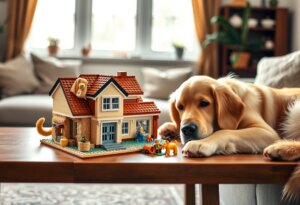
Senior dog jealousy is real, and if you’ve brought a new puppy home and watched your old soul suddenly go quiet, stiff, or snappy, you are not imagining it. I’ve seen this play out more times than I can count at the sanctuary, and it never fails to break my heart a little because nobody warns people that this transition can feel like a betrayal to the dog who was there first. Your old dog isn’t being dramatic. Their world just shifted, and their body is telling you about it in the only language they have.
I want to be honest with you here. Aging dogs don’t bounce back from stress the way they used to. Their nervous systems are already working overtime just to manage arthritis, vision changes, maybe some cognitive fog. Adding a bouncing, oblivious puppy into that mix is a lot. The American Veterinary Medical Association and behaviorist research both point to the same truth: older dogs show reduced resilience to stress, meaning their cortisol takes longer to settle back down after something upsetting happens. That’s not a character flaw. That’s biology.
Why a New Puppy Can Trigger Real Jealousy and Stress in Senior Dogs
Senior dog jealousy isn’t jealousy in the human sense of spite or scheming. It’s a stress response from an animal whose coping flexibility has quietly eroded over the years. Think about it from their side. They spent years being the only dog, the center of your attention, the one who got the couch spot and the bedtime scratches. Then suddenly there’s this small, loud, unpredictable creature stealing their toys, their space, and honestly, some of your time too.
Older dogs also process change more slowly. A younger dog might shrug off a new housemate within days. A senior dog, especially one dealing with joint pain or early cognitive decline, may need weeks to even begin feeling safe again. I’ve watched dogs at the sanctuary go from confident and social to withdrawn and watchful almost overnight when a new dog joined the pack without enough thought given to the transition.
Ask yourself honestly: is your senior dog getting quieter, or is he getting harder to read? Those are two very different warning signs, and both deserve your attention.
Reading the Signs: This Is Communication, Not “Bad Behavior”
When people tell me their old dog is “acting jealous” or “being difficult” with the new puppy, I gently push back. What I usually see is a dog trying to tell you something using body language because words aren’t an option.
Watch for these signals:
- Withdrawal – suddenly sleeping in a different room, avoiding the living room, choosing solitude over your company
- Resource guarding – stiffening over a bed, bowl, or toy that never used to be an issue
- Sudden irritability – snapping or growling at a puppy who’s simply being a puppy
- Appetite changes – eating less, eating faster, or refusing to eat near the newcomer
- Increased clinginess – shadowing you constantly, almost like they’re afraid of being replaced
None of these are misbehavior. They’re a dog under pressure, doing the best they can with a nervous system that didn’t sign up for this level of change. If you punish these signals instead of addressing the root cause, you risk teaching your senior dog that their honest communication isn’t welcome, and that’s a heavy thing to do to a dog who has already given you so many years of trust.
How Enrichment Toys Reduce Multi-Dog Household Conflict
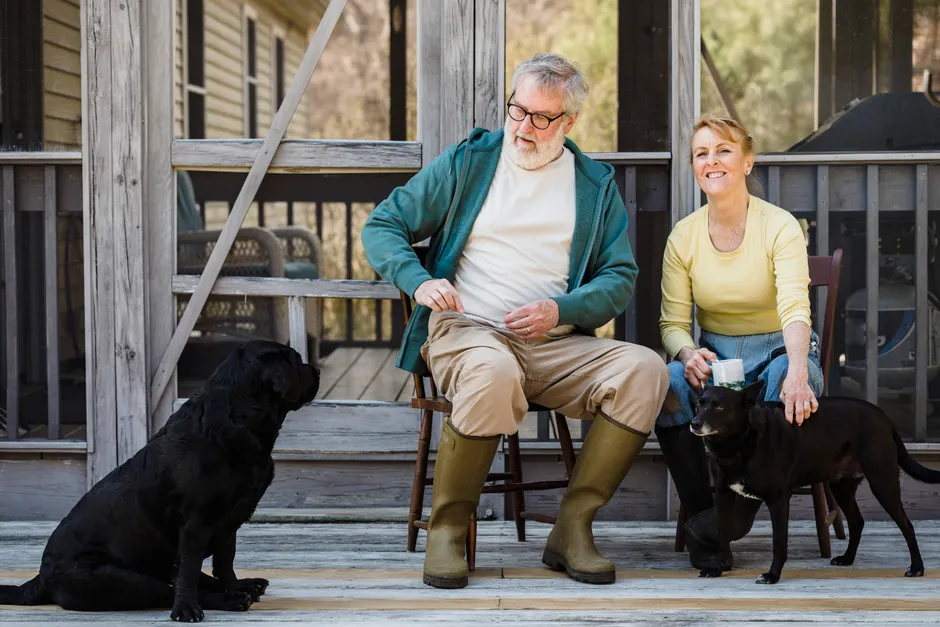
Here’s where things get hopeful. Multi-dog household enrichment done right can take a huge amount of pressure off both dogs, and it doesn’t require perfect harmony overnight. The idea, which lines up with guidance from the ASPCA on reducing conflict in multi-pet homes, is simple: give each animal their own outlet so they’re not constantly competing for the same limited resources, whether that’s your lap, a toy, or floor space.
When each dog has their own enrichment activity, you remove the forced interaction that so often sparks tension. Your senior dog gets a low-stress way to stay mentally engaged without a puppy crashing into their personal bubble. Your puppy gets an outlet for that endless energy without needing your old dog’s patience as the release valve. Everybody wins, and honestly, everybody relaxes a little.
This matters just as much when you’re bringing home a puppy for the first time as it does when introducing any new dog to an established household. If you haven’t already, it’s worth reading up on Introducing a Puppy to a Dominant Older Dog Safely before the puppy even comes through the door, because prevention beats damage control every single time.
Solo Enrichment Toys That Work Without Forcing Them to Share
This is the heart of easing senior dog jealousy: giving your old dog something that is entirely, unmistakably theirs. Not shared. Not fought over. Theirs.
Puzzle Feeders for the Senior Dog
Slow feeder puzzles keep aging minds sharp and give your senior something absorbing to do while the puppy is off doing puppy things elsewhere. Look for low-profile designs that don’t require bending or jumping, since arthritic joints don’t appreciate awkward angles.
Snuffle Mats, Kept Separate
A snuffle mat taps into a dog’s natural foraging instinct, and it’s wonderfully calming for a nervous system that’s on edge. Give your senior dog their own mat in their own quiet corner. Give the puppy theirs somewhere else entirely. Nobody has to negotiate over it.
Lick Mats for Calming the Older Dog
Licking is genuinely regulating for dogs. It slows the heart rate and activates a calming response in the brain. A lick mat with a thin layer of plain yogurt or pumpkin puree can turn a stressed-out senior into a settled one within minutes. I use this trick constantly at the sanctuary with dogs who arrive overwhelmed.

Parallel Play Tools
Parallel play means both dogs are engaged in their own activity, near each other but not required to interact. A sturdy tug toy is a great option here, since it gives the puppy a way to burn energy independently. The Wild One Triangle Tug Dog Toy is built for smaller breeds and gives a young dog something satisfying to gnaw and pull on that has nothing to do with your senior dog’s space or belongings.

- ALL IN ONE: Tug, toss, and chew your heart out with this bundle of our Triangle Tug, Twist Toss, and Bolt Bite.
- INSTINCTUAL NEEDS: The Twist Toss & Bolt Bite help satisfy dogs’ instinctual needs and provides mental stimulation. Heal…
- HIGH PULL TOLERANCE ROPE TOY: The Triangle Tug rope is super strong for tug-of-war dog pros with a dual texture to help …
Sometimes what helps most isn’t even a toy in the traditional sense. It’s a defined personal zone the puppy can call their own, separate from wherever your senior dog naturally settles. Something like the Amazon Basics Shark Shape Cat House can double as a novel little den for a small or young dog who needs a retreat spot that isn’t your senior’s bed. Giving the puppy their own designated space, physically separate from your old dog’s territory, does wonders for reducing the tension that builds when everything feels shared and contested.
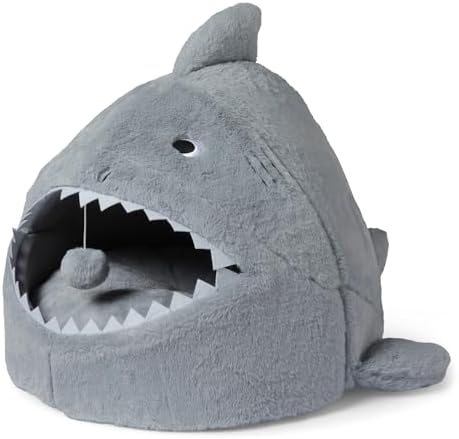
- Plush cat bed with cute shark design offers your cat, small dog, or other small pet a comfortable place to rest
- Soft polyester fabric and fluffy cushioning; enclosed pet bed design helps reduce anxiety in nervous pets
- Cave-shaped cat hut helps maintain body warmth for a cozy resting spot they’ll return to time and time again
Enrichment isn’t about keeping dogs busy so you get a break. It’s about giving each dog dignity in how they experience their own home. That distinction changes everything about how you approach a rocky introduction.
Comparing Enrichment Tools for Easing Dog and Puppy Jealousy
Here’s a quick side-by-side to help you decide which enrichment tools fit your household best when working through dog and puppy jealousy. Price Tier reflects relative affordability, not exact cost, since prices shift often.
| Product Type | Best For | Senior-Friendly? | Price Tier |
|---|---|---|---|
| Low-profile puzzle feeder | Mental stimulation without physical strain | Yes, ideal for arthritic dogs | $$ |
| Snuffle mat | Calming foraging instinct | Yes, gentle and low-impact | $$ |
| Lick mat | Anxiety and stress reduction | Excellent for nervous seniors | $ |
| Wild One Triangle Tug Toy | Independent puppy energy outlet | Better suited for the puppy, not the senior | $$ |
| Personal den/house space | Giving puppy a separate territory | Indirectly helps senior by reducing shared space conflict | $$$ |
Building a Fair, Dignity-First Routine for Both Dogs
Enrichment toys are a bridge, not a fix-all. What actually stabilizes a household dealing with senior dog jealousy is the daily structure around those toys. This is where the real work happens, and it’s work I take seriously because I believe it’s a sacred trust when a dog has given you their whole life and then has to share you.
A few non-negotiables I’d encourage in your home:
- Separate feeding zones. Food conflict is one of the fastest ways to escalate tension between an old dog and a puppy. Feed them apart, no exceptions, even after things seem calm.
- Protected one-on-one time for the senior. Your old dog needs proof that their bond with you hasn’t been diluted. Ten quiet minutes a day, just the two of you, communicates that louder than any toy can.
- Supervised, gradual exposure. Don’t force interaction. Let enrichment activities happen in the same room at a distance before you ever expect direct play.
- A senior-only retreat space. An orthopedic bed in a quiet corner, away from puppy chaos, gives your old dog somewhere to fully decompress.
If you’re navigating this transition with a dog who came from a difficult background, like many of the seniors I care for who arrived after being surrendered from breeding operations, patience matters even more. I’d also point you toward Adopting an Ex-Breeding Golden Retriever: Health Checklist if that’s part of your story, because those dogs often carry an extra layer of insecurity that a new puppy can accidentally reopen.
Something else worth mentioning, since it comes up constantly in multi-dog homes: nighttime restlessness tends to spike during any household transition, senior dog included. If barking becomes a nightly issue while everyone adjusts, our guide on 7 Best Anti-Barking Devices to Stop Night Barking Fast covers humane options that won’t add more stress to an already sensitive dog.
What This Looks Like Day to Day
Multi-dog household enrichment isn’t a one-time setup. It’s a rhythm you build and adjust as both dogs settle in. Some weeks your senior dog will seem completely fine. Other days, maybe after a rough night of arthritis pain or a loud puppy zoomie session, that senior dog jealousy will resurface, and that’s okay. It’s not a failure on your part. Aging bodies and aging emotions ebb and flow, and your job isn’t to eliminate every hard moment. It’s to keep showing up consistently so your old dog knows, deep down, that their place in your heart hasn’t moved an inch.
I’ll be honest, watching an old dog soften toward a new puppy, even a little, after weeks of careful enrichment and patience, is one of the most quietly rewarding things you’ll witness as a pet parent. It doesn’t happen through force. It happens through respect.
Frequently Asked Questions
How long does senior dog jealousy usually last after a new puppy arrives?
It varies widely, but most senior dogs need anywhere from two to eight weeks to settle into a new routine with a puppy in the house. Dogs with cognitive decline, chronic pain, or a history of trauma may need longer. Consistent enrichment, separate space, and protected one-on-one time all help shorten this adjustment window.
Is it normal for my senior dog to growl at a new puppy?
Yes, growling is a normal warning signal, not aggression in the harmful sense. It’s your senior dog communicating a boundary. As long as it’s a low growl without escalation to biting, let it happen and simply separate the dogs calmly afterward. Punishing a growl can actually make future warnings less predictable and more dangerous.
Should I give both dogs the same enrichment toys?
No, it’s usually better to give each dog their own distinct toys and enrichment activities, even if they’re similar types. Identical toys can trigger competition and resource guarding, especially early in the introduction period. Separate, individualized enrichment reduces the chance of conflict significantly.
Can enrichment toys alone fix senior dog jealousy?
Enrichment toys help enormously, but they work best alongside a broader routine that includes separate feeding areas, protected individual attention for the senior dog, and gradual supervised introductions. Think of enrichment as one important piece of a larger, patient approach rather than a standalone solution.
If there’s one thing I want you to carry away from all this, it’s that your senior dog’s feelings during this transition are valid, real, and worth honoring. Slow down, watch closely, and trust that dignity in aging includes emotional dignity too. Your old dog gave you their best years. The least we can do is give them a soft landing into this new chapter.
Tell your pup I said Hi! — Dawn