


Goldendoodle allergies are not automatically lower than Golden Retriever allergies, and the assumption that a curly coat equals a safer household pet is one of the more persistent myths I encounter in behavioral consultations with allergy-sensitive families. The actual allergen isn’t fur. It’s a protein called Can f 1, secreted through saliva, skin glands, and urine, then carried on dander flakes that hitch a ride on loose hair. According to the Asthma and Allergy Foundation of America, pet allergens affect roughly 10 percent of the U.S. population, and cross-reactivity between dog breeds is far more common than owners expect. If you’re choosing between a Golden Retriever and a Goldendoodle based on allergy risk, the coat texture is only part of the story. The protein output, grooming routine, and home environment matter just as much, sometimes more.
The Biology Behind Dog Allergies: Why Fur Isn’t the Real Culprit
Owners frequently tell me they’re avoiding “shedding breeds” because they assume loose hair itself triggers sneezing and hives. That’s a misreading of the underlying mechanism. Can f 1 is a lipocalin protein produced in the sebaceous and salivary glands of all dogs, hypoallergenic-labeled or not. It becomes airborne when dander (dead skin cells) flakes off and attaches to shed hair, dust, or fabric fibers. A dog that sheds heavily can distribute more allergen-carrying particles into a home simply because more material is being released into the environment. A low-shedding dog isn’t necessarily producing less protein. It’s just retaining more of it on the body and in the coat until grooming or bathing removes it. This distinction matters enormously when comparing goldendoodle allergies to Golden Retriever allergy potential, because the conversation is really about protein load and dispersal, not coat aesthetics.
Golden Retriever Coat Physiology and Allergen Distribution
Golden Retrievers carry a double coat: a coarse, water-resistant outer layer and a dense, insulating undercoat. That undercoat cycles seasonally, producing the “blowouts” familiar to anyone who has vacuumed a Golden Retriever’s shed hair off a couch in spring or fall. During these cycles, dander-laden fur is released in higher volumes over a concentrated period, which can spike ambient allergen levels in the home. Outside of shedding season, daily loose-hair turnover still occurs, just at a lower rate. For allergy-sensitive households, this means Golden Retriever allergy exposure isn’t constant. It fluctuates, and predicting flare-ups requires understanding the dog’s individual shedding calendar rather than assuming a flat, year-round risk.
Goldendoodle Genetic Variability: Why “Hypoallergenic” Is Misleading
This is where I ask clients to slow down and look at the data rather than the marketing language. Goldendoodles are not a standardized breed with predictable genetics. They’re a cross, and depending on whether you’re looking at an F1 (first-generation Golden x Poodle), F1B (backcrossed toward Poodle), or multigenerational line, coat inheritance varies substantially. Some individuals inherit the Poodle’s tight, low-shedding curl. Others inherit more of the Golden Retriever’s looser, shedding-prone coat, and there’s no guaranteed outcome within a single litter. A 2019 study published in Veterinary Dermatology examined Can f 1 concentrations across breeds marketed as hypoallergenic versus standard-coated breeds and found no statistically significant difference in allergen levels between the groups. The data is contradictory to the popular narrative, and I say that not to dismiss real-world experiences owners have had, but to reframe the decision-making process around measurable variables instead of breed labels. If you’re evaluating goldendoodle allergies as a deciding factor, treat each individual dog as its own case profile rather than trusting the breed name to do the work for you.

Coat type influences how allergens are held and released, but it does not reliably predict how much Can f 1 protein a given dog produces. Assessment has to happen at the level of the individual animal, not the breed category.
A Practical Allergen-Reduction Protocol for Sensitive Households
Whether you land on a Golden Retriever or a Goldendoodle, the behavioral and environmental management steps that actually reduce allergen load are largely the same. I recommend the following sequence to clients regardless of which breed they’ve chosen:
- Pre-adoption exposure testing. Spend extended time (multiple sessions, not one brief visit) with the specific dog or a close relative before committing. Individual protein output varies enough that this single step prevents more regret than any coat-type chart.
- HEPA filtration. High-efficiency particulate air filters measurably reduce airborne dander concentration in controlled trials. Running one in bedrooms and primary living spaces lowers ambient allergen exposure during sleep, which is when symptom flare-ups most affect quality of life.
- Weekly bathing. Controlled studies on allergen mitigation show that regular bathing reduces the amount of dander-bound Can f 1 shed into the environment. Weekly is the frequency most consistently associated with measurable reduction without over-drying the skin and triggering compensatory oil production.
- Designated allergen-free zones. Keeping the dog out of the bedroom, off upholstered furniture, and away from HVAC intake areas limits cross-contamination of allergen particles through the home’s air circulation system.
For the bathing step, I typically recommend a gentle, tear-free formula rather than harsh degreasing shampoos, since stripping the coat too aggressively can irritate skin and increase dander production as a rebound effect. The [PETHROOM] Bubble Shampoo for Dogs is formulated to clean without over-stripping natural oils, which makes it a reasonable fit for a weekly bathing protocol aimed at allergen reduction in either breed.
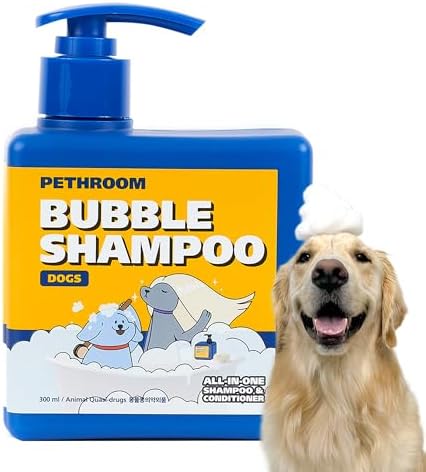
- PREMIUM NATURAL INGREDIENTS: Infused with 55% milk protein extract, this shampoo provides intensive protein care for you…
- HYPOALLERGENIC DOG SHAMPOO: Made with EWG green-grade ingredients, this bubble shampoo is perfect for dogs with sensitiv…
- DEEP CLEANSING FOAM: The rich foam effectively removes dirt and impurities from your dog’s fur while maintaining natural…
Between-Bath Maintenance: A Practical Middle Step
Full baths aren’t always practical on a daily basis, particularly for households managing a senior dog with mobility limitations or skin sensitivity. On non-bath days, wiping down the coat, paws, and face reduces surface dander and saliva residue that would otherwise transfer to furniture and human skin on contact. I often suggest ZOOP XL Pet Wipes for Dogs & Cats as a low-effort addition to a daily routine, especially after outdoor time when pollen and other allergens compound the dog’s own protein output.
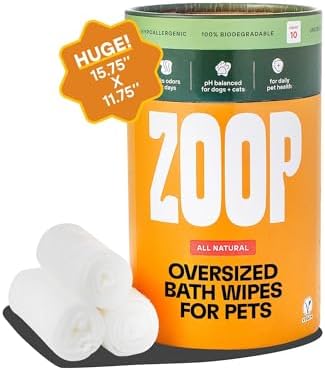
- FAST GROOMING: Save hours of cleaning your dirty pet! Instead of a bath, a quick wipe with a giant towel-sized pet wipe….
- BETTER THAN SHAMPOO: The gentle oversized pet grooming wipe is water-based and infused with skin-supporting nanosilver. …
- ULTRA BIG AND THICK: Pack of 10 absorbent, very thick, giant pet grooming wipes for easy pet cleaning.
Golden Retriever vs Goldendoodle: Case-Profile Comparison Table
The table below scores both breeds across the variables that actually influence allergen exposure in a household. Use it as a starting framework, not a guarantee, since individual variation within each breed (especially Goldendoodles) remains significant.
| Category | Golden Retriever | Goldendoodle (F1) | Goldendoodle (F1B) | Price Tier (Grooming Tools) |
|---|---|---|---|---|
| Shedding Volume | High, seasonal blowouts | Moderate, variable | Low to moderate | $$ |
| Grooming Frequency Needed | 2-3x weekly brushing | Daily brushing recommended | Daily brushing, professional trims | $$$ |
| Can f 1 Allergen Output | Variable by individual | Variable, no consistent reduction | Variable, no consistent reduction | N/A |
| Coat Predictability | High (standardized breed) | Low (mixed inheritance) | Moderate | N/A |
| Professional Grooming Cost Tier | $$ | $$$ | $$$$ | $$$-$$$$ |
Decision Checklist for Allergy-Sensitive Households
Before bringing home either breed, I ask clients to work through this checklist honestly. It’s a functional assessment tool, not a formality:

- Have you spent extended, repeated time with the specific individual dog (not just the breed) prior to adoption?
- Does your household have HEPA filtration installed in primary living and sleeping areas?
- Are you prepared to commit to a weekly bathing schedule and daily coat maintenance regardless of which breed you choose?
- Have you consulted with an allergist about symptom severity thresholds before making an irreversible adoption decision?
- Do you have a realistic grooming budget, since Goldendoodle coats (particularly F1B and multigenerational lines) often require professional trims every four to six weeks?
If you’re weighing temperament alongside allergy concerns, it’s also worth considering how coat-driven grooming demands interact with a dog’s tolerance for handling. Dogs that dislike brushing or bathing can develop stress responses that complicate an already allergen-focused routine, which is a separate behavioral variable from the allergy question itself but one that affects long-term household harmony.
Reinforcing Cooperative Grooming Behavior
Since allergen reduction depends heavily on consistent grooming compliance, teaching the dog to tolerate (and ideally enjoy) brushing, bathing, and wipe-downs is a behavioral investment worth making early. I use positive reinforcement protocols that pair grooming tools with high-value, single-ingredient rewards so the dog associates the process with a positive outcome rather than restraint or discomfort. Canine Cravers Single Ingredient Dog Treats work well for this because the simple formulation limits the risk of triggering unrelated food sensitivities while you’re already managing an allergy-conscious household.

- ALL NATURAL DOG TREATS: Your pets deserve the best! Our healthy dog treats are made using 1 simple human grade ingredien…
- TURKEY. ONLY TURKEY: Don’t let your dog eat preservatives, additives and by-products. Our protein rich Turkey strips are…
- DOGS & CATS LOVE IT: Our freshly made treats will leave your pup begging for more! The 100% natural ingredients provide …
Grooming tolerance becomes especially important as dogs age. Aging joints and skin sensitivity can make brushing sessions uncomfortable, and a dog already anxious about handling may develop broader anxiety patterns. If you’re managing a Golden Retriever or Goldendoodle that’s showing signs of increased clinginess or vocalizing when left alone during grooming prep, it’s worth reviewing our guide on senior dog separation anxiety and which breeds are most prone, since golden-lineage dogs frequently score high on attachment-related behaviors that can complicate at-home care routines.
When Golden Genetics Complicate the Allergy Conversation
Owners occasionally ask about unusual coat colorations, like black-coated Golden mixes, assuming darker or different pigmentation changes allergen output. It doesn’t. Pigment genetics and allergen protein production are controlled by entirely separate biological pathways. If you’re curious about coat variation within Golden lineage more broadly (a common question among people comparing puppies before making a final decision), our breakdown of black Golden Retriever mix puppies and what to know before adopting covers the genetics in more depth, though allergy risk should still be assessed at the individual level regardless of coat color.
Practical Takeaways
- Goldendoodle allergies are not reliably lower than Golden Retriever allergy risk; the 2019 Veterinary Dermatology data found no significant Can f 1 difference between hypoallergenic-labeled and standard-coated breeds.
- Allergen output is driven by individual protein production, not coat texture or shedding volume alone.
- Weekly bathing and HEPA filtration are the two interventions with the most consistent evidence behind reducing ambient allergen load.
- Pre-adoption exposure testing with the specific dog matters more than trusting breed labels.
- Grooming compliance training reduces long-term allergen buildup and supports the dog’s comfort during required care routines.
Frequently Asked Questions About Goldendoodle Allergies and Golden Retriever Allergy Risk
Are Goldendoodles actually hypoallergenic compared to Golden Retrievers?
Not reliably. Research comparing Can f 1 allergen levels across breeds labeled hypoallergenic and standard-coated breeds found no statistically significant difference. Goldendoodle allergies can be just as pronounced as Golden Retriever allergy reactions depending on the individual dog’s genetics and generation (F1 versus F1B versus multigenerational).
What actually causes dog allergy symptoms if it isn’t the fur?
The primary trigger is Can f 1, a protein secreted through saliva, skin glands, and urine. Dander flakes carry this protein and attach to shed hair, dust, and fabric, which is why shedding volume affects allergen distribution even though fur itself isn’t the allergen.
Does bathing frequency really reduce allergen exposure at home?
Yes. Controlled studies on allergen mitigation show weekly bathing measurably reduces the amount of dander-bound protein released into the environment. This applies to both Golden Retrievers and Goldendoodles, since goldendoodle allergies are just as responsive to consistent bathing protocols as standard-coated breeds.
Should I test my allergy response before adopting a specific dog?
Yes, and this matters more than breed selection alone. Spending extended time with the specific individual dog, ideally across multiple sessions, gives a far more accurate picture of your personal reaction than relying on breed reputation, since individual Can f 1 output varies even within genetically similar litters.