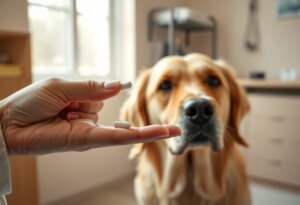


Joint supplements for dogs only work if the dog’s body actually absorbs the active ingredients, and that’s a bigger “if” than most product labels want you to admit. As a behaviorist, I spend a lot of time watching dogs move before I ever look at what’s in their food bowl, and the pattern is consistent: by the time an owner notices a limp, the underlying joint damage has usually been building for months. That delay isn’t a failure of attention. It’s baked into canine biology.
Ethology of Pain Masking: Why Dogs Hide Joint Pain
Dogs are descended from a lineage of animals for whom visible weakness meant vulnerability. In a social group structure, or in the wild, an animal that limps, favors a limb, or moves slowly signals to predators and rivals that it’s an easy target. That survival pressure didn’t disappear just because your dog sleeps on a couch. The instinct to mask pain is still wired into the nervous system, which means osteoarthritis can be well underway before you see any outward sign of it.
This matters enormously when we talk about joint supplements for dogs, because owners often wait for obvious lameness before intervening, and by then the cartilage degradation is already significant. A 2011 study published in the Journal of Small Animal Practice found that osteoarthritis affects an estimated 80% of dogs over age 8, yet a large portion of those dogs show no dramatic outward limp. What you’ll actually see first are subtler behavioral shifts: hesitation before jumping onto furniture, slower descent down stairs, reluctance to initiate play, or a change in how long it takes to transition from lying down to standing. These are the tells. Waiting for a limp means you’ve already missed the early window where joint supplements for dogs tend to be most effective, because early intervention preserves cartilage that’s already partially intact rather than trying to rebuild what’s gone.
If you want a deeper breakdown of which specific formulations have clinical support for cartilage preservation, our article on the best supplements for senior dog joints covers dosing thresholds in more detail than I’ll get into here.
The Glucosamine-Chondroitin Debate: What the Data Actually Shows
I want to be straight with you about something the supplement industry doesn’t advertise: the data is contradictory. Some clinical trials on glucosamine and chondroitin sulfate show modest improvements in synovial fluid viscosity and mild reductions in inflammatory markers. Other trials, including a widely cited 2007 veterinary review structured similarly to Cochrane methodology, found no statistically significant pain reduction compared to placebo. Neither side of that debate is wrong. They’re measuring different things, in different dog populations, using different formulation purities.
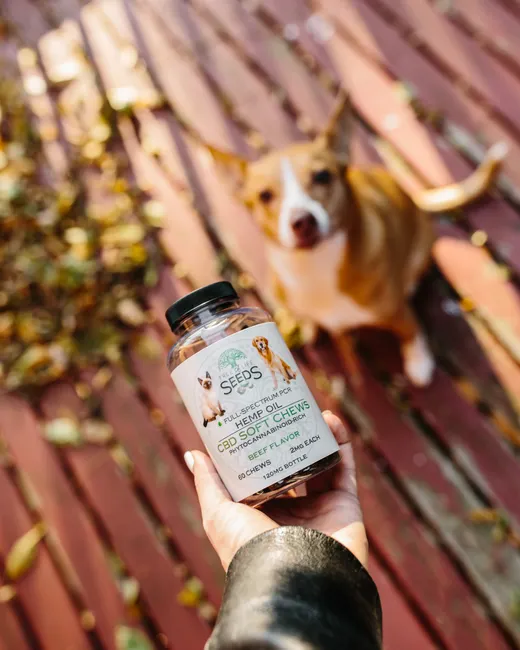
What this means practically is that glucosamine and chondroitin are not miracle cartilage regenerators. They’re supportive compounds that, in a subset of dogs, appear to slow degradation and modestly improve comfort. Don’t count on them to work miracles, and don’t expect a dramatic before-and-after transformation in the way marketing copy tends to imply. The honest expectation is: some dogs respond well, some show negligible change, and the only way to know which category your dog falls into is structured observation over several weeks, which I’ll walk through later in this article.
One formulation worth discussing here is Joint Support Rabbit Anti-Inflammatory Tablets, which pairs glucosamine and chondroitin with additional anti-inflammatory cofactors rather than relying on glucosamine alone. Combination formulas like this are where I’ve seen slightly more consistent behavioral improvement in dogs I’ve evaluated, likely because inflammation and cartilage degradation are being addressed on two separate biological pathways rather than just one.

- JOINT HEALTH SUPPORT FOR RABBITS: Joint and bone issues in rabbits and guinea pig are often caused by aging, diet, inact…
- NATURAL PREMIUM INGREDIENTS: Each joint support rabbit tablet contains a blend of glucosamine, chondroitin, omega-3 fatt…
- HIGHLY DIGESTIBLE: Our joint support supplement for rabbits is high in fiber, easily digestible, and suitable for bunnie…
Pain in dogs is not a single observable event. It’s a spectrum of small behavioral withdrawals that accumulate before they become visible as limping. Owners who learn to read the early signs give their dogs a genuine head start on treatment.
Filler Red Flags: How to Read a Supplement Label Critically
Most commercially available joint supplements for dogs are not scams exactly, but they are diluted. Manufacturers pad formulations with inactive binders, artificial flavoring agents, and cheap filler compounds like maltodextrin or cellulose to bulk up tablet size and cut manufacturing costs. The active ingredient, whether that’s glucosamine, omega-3 fatty acids, or green-lipped mussel extract, ends up present in a dose too small to produce a measurable clinical effect.
Here’s what I tell owners to check before buying any joint supplement:
- Look for milligram dosing, not just ingredient names. A label that lists “glucosamine” without a specific mg amount per serving is a red flag. Effective dosing for most mid-size dogs starts around 500mg of glucosamine per 25 pounds of body weight, though your veterinarian should confirm this for your dog’s specific case.
- Check ingredient order. Ingredients are listed by weight, so if a filler like rice flour or brewers yeast appears above the active joint compound, the dose is likely underwhelming.
- Look for third-party testing certification. Certifications from the National Animal Supplement Council (NASC) or independent lab verification indicate the product has been checked for label accuracy and contamination.
- Avoid vague “proprietary blend” language. This phrasing is often used specifically to avoid disclosing individual ingredient amounts.
- Watch for artificial flavoring agents and dyes that serve no functional purpose beyond palatability, and can occasionally trigger mild GI upset in sensitive dogs.
A general senior wellness supplement like Vita-Tabs Silver for Senior Dogs is a reasonable example of a clean-label multivitamin approach, since it’s built around a defined vitamin-mineral profile rather than vague proprietary blending, though it’s worth remembering this is a general wellness support product and not a substitute for a targeted joint formula.

- Comprehensive Nutrition: Vita-Tabs provide a balanced blend of essential vitamins and minerals to support your dog’s ove…
- Immune System Support: Packed with antioxidants, these tabs help strengthen your dog’s immune system, promoting a robust…
- Healthy Coat and Skin: The inclusion of Omega-3 fatty acids contributes to a lustrous coat and healthy skin, ensuring yo…
Comparative Breakdown of 5 Top Joint Supplement Formulations
Below is a side-by-side breakdown comparing formulation type, dosing structure, and third-party verification across the top natural joint supplements for dogs I’d recommend evaluating first. Price Tier reflects relative affordability, not an exact cost, since actual pricing fluctuates.

| Product | Primary Active Compounds | Filler Profile | Third-Party Tested | Price Tier |
|---|---|---|---|---|
| Joint Support Rabbit Anti-Inflammatory Tablets | Glucosamine, chondroitin, MSM, anti-inflammatory cofactors | Minimal, tablet-form binder only | Yes | $$ |
| Vita-Tabs Silver for Senior Dogs | Vitamin-mineral complex, general senior wellness support | Low, no artificial dyes | Yes | $ |
| Fish Oil for Dogs Bacon Chews | Omega-3 EPA/DHA fatty acids | Moderate, soft chew base with natural flavoring | Yes | $$ |
| Green-Lipped Mussel Extract (general market) | Omega-3s, glycosaminoglycans, natural chondroitin | Varies widely by brand | Varies, verify per product | $$$ |
| High-Concentration Undenatured Type II Collagen | UC-II collagen peptides | Low in premium formulations | Usually, check NASC seal | $$$$ |
Omega-3 fatty acids deserve their own callout, since they work through a different mechanism than glucosamine. Rather than rebuilding cartilage directly, EPA and DHA reduce systemic inflammatory signaling, which can lower joint pain even in dogs whose cartilage damage is too advanced for structural supplements to reverse. A product like Fish Oil for Dogs Bacon Chews delivers this in a palatable chew format, which matters more than it sounds, because a supplement a dog refuses to eat consistently isn’t producing any clinical benefit at all.

- Bacon Flavor Dogs Love – Our omega 3 fish oil for dogs comes in bite-sized chewable tablets that taste like bacon treats…
- Fast Itch & Skin Relief – Our dog skin and coat supplement delivers 300mg omega-3 fatty acids (EPA & DHA) per chew for r…
- Healthy Coat & Less Shedding – This omega 3-6-9 for dogs formula helps reduce excessive shedding while promoting a soft,…
For owners who want a broader look at how vitamin and mineral support interacts with joint health specifically, our guide to vet-recommended vitamins for senior dogs pairs well with the joint-focused picks discussed here.
Behavioral Monitoring Protocol: Measuring Whether It’s Working
This is the step most owners skip, and it’s the one that actually tells you whether your money is being well spent. Subjective impression (“he seems better”) is unreliable, partly because of the pain-masking instinct discussed earlier, and partly because owners want to see improvement and unconsciously interpret ambiguous behavior in a favorable light. What you need instead is a simple weekly scoring exercise.
Each week, at roughly the same time of day, score your dog on the following:
- Sit-to-stand latency. Time (in seconds) how long it takes your dog to fully stand from a seated position, using a treat as a mild incentive. Record the number, don’t round it in your head.
- Stair or step willingness. Rate on a 1 to 5 scale how readily your dog approaches stairs versus hesitating or seeking an alternate route.
- Activity initiation. Note whether your dog initiates play or a walk request versus waiting passively.
- Gait observation during a short walk. Watch for head-bobbing, weight-shifting away from a limb, or shortened stride length on one side.
Track these numbers in a simple notebook or spreadsheet over 6 to 8 weeks, which is roughly the minimum window most joint supplements for dogs need before showing measurable effect. If you see no movement in these metrics after 8 weeks of consistent dosing, that’s useful data too. It means this particular formulation, at this dose, isn’t producing functional change in your dog, and it’s reasonable to discuss alternatives with your veterinarian rather than continuing indefinitely on faith. For general background on canine osteoarthritis pathology, the American Veterinary Medical Association maintains a helpful overview of disease progression and treatment options.
Practical Takeaways
- Osteoarthritis affects an estimated 80% of dogs over age 8, and pain-masking instincts mean symptoms are often already advanced before owners notice a limp.
- Clinical evidence on glucosamine and chondroitin is genuinely mixed. Treat these compounds as supportive, not curative.
- Filler-heavy products dilute active dosing. Check milligram amounts and third-party certification before buying.
- Omega-3 fatty acids work through inflammation reduction, a distinct mechanism from cartilage-support compounds like glucosamine.
- A structured 6 to 8 week weekly scoring protocol gives objective evidence of whether a supplement is working, rather than relying on impression alone.
Frequently Asked Questions About Joint Supplements for Dogs
How long do joint supplements for dogs take to show results?
Most natural joint supplements for dogs require 6 to 8 weeks of consistent daily dosing before measurable behavioral change appears. Cartilage-support compounds like glucosamine work gradually, and there is no clinical basis for expecting rapid results within days. Using a weekly scoring protocol, as outlined above, gives a more reliable read than casual observation.
Are natural joint supplements safe for dogs with other health conditions?
Generally yes, but dogs with pre-existing kidney disease, bleeding disorders, or those on certain medications should be evaluated by a veterinarian before starting any glucosamine, chondroitin, or fish oil regimen. Omega-3 supplementation in particular can interact with anticoagulant medications, so professional guidance matters more than label instructions alone.
Do green-lipped mussel supplements work better than glucosamine alone?
Some research suggests green-lipped mussel extract, which naturally contains omega-3 fatty acids alongside glycosaminoglycans, may offer broader anti-inflammatory support than isolated glucosamine. However, formulation quality varies significantly between brands, so verifying third-party testing matters as much as the ingredient choice itself.
Can joint supplements for dogs reverse existing arthritis damage?
No. Joint supplements for dogs are supportive tools that may slow further cartilage degradation and reduce inflammatory pain signaling, but they cannot regenerate cartilage that has already broken down. Dogs with advanced osteoarthritis typically need a combined approach involving supplements, weight management, physical therapy, and in some cases veterinary-prescribed pain management.