
Vitamins for senior dogs aren’t some trendy add-on. They’re often the difference between a dog who’s stiff and foggy at ten years old and one who’s still trotting to the door when you get home. I’ve watched it play out again and again at the sanctuary. A body that’s been carrying a dog around for a decade or more just doesn’t absorb and use nutrients the way it used to, and that shows up in their joints, their coat, their memory, and honestly, their whole spirit.
So let’s talk about what actually helps, what’s marketing fluff, and how to add anything new without upsetting a senior gut that’s already working hard enough.
Why Aging Bodies Need Targeted Nutrient Support
Here’s something a lot of pet parents don’t realize until they’re deep in it: an older dog’s digestive system doesn’t pull nutrients out of food the same way a young dog’s does. Enzyme production slows. Gut lining changes. Kidney and liver function can shift too, even before bloodwork shows anything alarming. The American Animal Hospital Association’s senior care guidelines are pretty clear that geriatric dogs need more frequent monitoring precisely because these changes creep up quietly.
I see it in the sanctuary dogs constantly. A senior German Shepherd who used to bound up the porch steps starts hesitating. A dog who was food-motivated her whole life suddenly seems disinterested. Sometimes that’s pain. Sometimes it’s cognitive fog. Sometimes it’s just a body that’s quietly running low on what it needs to keep firing correctly.
This is where vitamins for senior dogs earn their keep. Not as a magic fix, but as targeted support for systems that are genuinely working harder than they used to. Joint tissue, brain chemistry, immune response, all of it needs raw material to function, and an aging body is less efficient at generating or absorbing that material on its own.
The Core Vitamins and Supplements Vets Actually Recommend
I’ve had a lot of conversations with vets over the years, and the same handful of nutrients come up over and over. Not because they’re trendy, but because there’s real physiology behind them.
- Omega-3 fatty acids (EPA/DHA): anti-inflammatory support for joints, skin, and even cognitive function
- Glucosamine and chondroitin: building blocks for cartilage repair and joint fluid
- Vitamin E: an antioxidant that helps protect cells from oxidative damage, which accumulates with age
- B-complex vitamins: support energy metabolism and nervous system health, especially important if appetite has dropped
- Antioxidants like vitamin C, beta-carotene, and SAMe: increasingly studied for slowing cognitive decline in aging dogs
A well-formulated daily multivitamin can cover a lot of this ground in one scoop or chew. Vita-Tabs Silver for Senior Dogs is one I’ve seen recommended for dogs who need broad daily support rather than a single targeted nutrient. It’s a budget-friendly option if you’re just starting to build out a senior wellness routine and want something foundational.

- Comprehensive Nutrition: Vita-Tabs provide a balanced blend of essential vitamins and minerals to support your dog’s ove…
- Immune System Support: Packed with antioxidants, these tabs help strengthen your dog’s immune system, promoting a robust…
- Healthy Coat and Skin: The inclusion of Omega-3 fatty acids contributes to a lustrous coat and healthy skin, ensuring yo…
If joint mobility is the main concern (and for most senior dogs, it eventually is), it’s worth reading up on vet-recommended dog joint supplements for arthritis to understand dosing ranges and which ingredient combinations actually have research behind them. Not every “joint formula” on a shelf is created equal, and the dog joint vitamins category is unfortunately full of underdosed products riding on a trendy label.
What the Research Says
I’m not one to throw around scientific claims lightly. But this one matters. A study published in the Journal of Veterinary Internal Medicine found that dogs with osteoarthritis who received omega-3 fatty acid supplementation showed measurable improvement in mobility scores within eight weeks. Eight weeks. That’s not a lifetime of waiting to see if something works, that’s less than two months of consistent daily support.

Watching a senior dog move a little easier after weeks of consistent supplementation isn’t anecdotal hope. It’s biology doing what it’s supposed to do when you give it the right materials to work with.
That research lines up with what I’ve watched happen in real dogs, in real time, at the sanctuary. It doesn’t mean every dog responds identically. But it does mean this isn’t guesswork. There’s a real mechanism at play, and that’s exactly why vitamins for senior dogs deserve a place in your vet conversations, not just a spot on a supplement aisle shelf.
If you want a deeper answer to the honest question pet parents ask me all the time, “do these things even work,” this breakdown on whether joint supplements work for dogs and what to look for walks through the evidence without the sales pitch.
Red Flags in Cheap Supplement Brands
Here’s where I get a little fired up, so bear with me.
Supplements for pets are not FDA-regulated the way human medications are. That means a bottle can say almost anything on the label and there’s no guarantee the dose inside matches what’s printed. Honestly, who thinks it’s okay to sell something for a vulnerable senior dog’s body without any real oversight? It happens constantly, and it’s why label-reading has to become second nature for you.
Things to watch for:
- Fillers and binding agents that add bulk but zero nutritional value
- Vague “proprietary blend” labeling that hides actual dosing amounts
- No NASC (National Animal Supplement Council) seal, which is currently one of the only third-party quality checks in this industry
- Suspiciously low prices on ingredients that are genuinely expensive to source properly, like real fish oil or pharmaceutical-grade glucosamine
This is a sacred trust, feeding and medicating a senior dog who depends entirely on us to get it right. I don’t say that to guilt anyone. I say it because these dogs gave us their whole lives, and the least we owe them is a label we actually read.
For dogs on the smaller end of the size scale, dosing gets even more particular, since a lot of joint formulas are built around large-breed math. This guide on joint supplements for small dogs with arthritis is worth a look if you’ve got a senior Chihuahua or terrier mix at home.
How to Introduce a New Vitamin Safely
I know the instinct. You read about something promising and you want to start it today. But senior digestive systems don’t love sudden change, and that’s true even for beneficial supplements.

My honest, sanctuary-tested approach:
- Start at a partial dose for the first three to five days, even if the label doesn’t suggest it
- Watch for GI upset: loose stool, vomiting, or sudden pickiness at meals
- Introduce one new supplement at a time, never a whole stack at once, so you can actually tell what’s helping and what’s not
- Call your vet before adding anything, especially if your dog is on existing medications, since some supplements interact with prescription drugs
A soft chew format tends to be gentler and easier on seniors who may have dental sensitivity or a picky appetite. Furrever Young Soft Chews were built specifically with healthy aging support in mind, and the chewable format tends to go over well even with dogs who turn their nose up at pills.

- Healthy Aging Hip & Joint Support – Formulated with DHA (from algae), antioxidants, and essential nutrients to help supp…
- Cognitive & Eye Health Support – Powered by Astaxanthin (AstaZine) and Lutein (Lutemax 2020) to help support brain funct…
- Skin & Coat Nourishment – Includes Omega fatty acids, Vitamin E, and Zinc to help maintain healthy skin and a soft, shin…
Another solid mid-tier option worth mentioning is the Healthy Breeds Multivitamin Soft Chew, which comes in a large 180-count supply. That kind of quantity makes it a practical choice if you’re caring for a dog long-term and want to avoid running out mid-month, something I genuinely appreciate as someone managing supplements for multiple senior dogs at once.
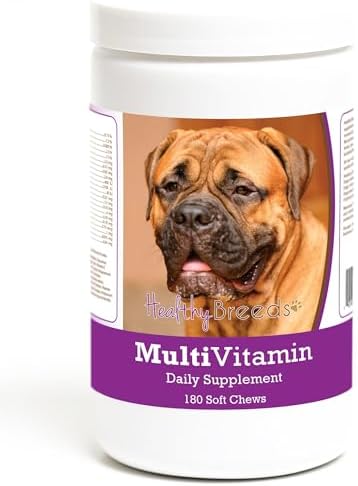
- VET RECOMMENDED FORMULA- A daily nutritional supplement with a synergistic blend of essential vitamins, minerals, and an…
- TASTY SOFT CHEWS- Our delicious heart shaped soft chews help maintain optimal health in dogs no matter the breed, age or…
- DIETARY SUPPLEMENT- Perfect to supplement your dog’s diet. Helps with skin & coat, digestion, bladder support, and overa…
Comparing These Senior Dog Vitamin Options
Here’s a quick side-by-side to help you weigh these against each other before you commit to one.
| Product | Best For | Key Ingredients | Format | Price Tier |
|---|---|---|---|---|
| Vita-Tabs Silver for Senior Dogs | Broad daily wellness support | Multivitamin-mineral blend | Tablet | $ |
| Furrever Young Soft Chews | Picky eaters, dental sensitivity | Healthy aging blend, antioxidants | Soft chew | $$ |
| Healthy Breeds Multivitamin Soft Chew (180 ct) | Long-term, multi-dog households | Multivitamin blend | Soft chew | $$ |
None of these replace a conversation with your vet, especially if your senior dog has an existing diagnosis like kidney disease or a heart condition, both of which can change what’s safe to supplement. But as a starting point for a senior dog vitamin guide, this table gives you a reasonable place to begin comparing.
Bringing It All Together for Your Senior Dog
I’ll be honest with you the way I’d want someone to be honest with me: there’s no single supplement that undoes aging. That’s not how bodies work, canine or otherwise. What senior dog supplements actually offer is support, real, measurable support for systems that are working harder than they used to.
If you take one thing from this whole senior dog vitamin guide, let it be this: consistency and quality matter more than chasing the newest trendy ingredient. A well-sourced, NASC-certified product taken daily will do more for your dog than an expensive fad supplement taken sporadically.
For more background on how the immune and inflammatory systems shift with age, the ASPCA’s senior pet care resource is a solid, trustworthy reference point.
Your dog gave you years of loyalty without asking for much back. Giving them thoughtful, vet-approved vitamins for senior dogs is one small, steady way to say thank you for all of it.
Frequently Asked Questions
What vitamins do vets most commonly recommend for senior dogs?
Vets most often recommend omega-3 fatty acids for joint and cognitive support, glucosamine and chondroitin for cartilage health, vitamin E as an antioxidant, and B-complex vitamins to support energy and nervous system function. These are the core vitamins for senior dogs that show up repeatedly in veterinary recommendations because there’s actual research behind their benefits.
How do I know if a senior dog supplement is high quality?
Look for the NASC (National Animal Supplement Council) seal, clearly listed dosing amounts rather than vague proprietary blends, and minimal filler ingredients. Since pet supplements aren’t FDA-regulated, this kind of label scrutiny is genuinely necessary before trusting a product with your dog’s health.
How long does it take to see results from senior dog vitamins?
Research on omega-3 supplementation for osteoarthritic dogs showed measurable mobility improvements within eight weeks of consistent use. Other benefits, like coat health or subtle cognitive support, may take a bit longer to become noticeable, so patience and consistency really do matter here.
Should I talk to my vet before starting a new vitamin?
Yes, always. This matters even more for senior dogs on existing medications or with diagnosed conditions like kidney or liver disease, since certain supplements can interact with prescriptions or aren’t appropriate for every health situation. A quick call to your vet before adding anything new is always the safer route.
Tell your pup I said Hi! — Dawn