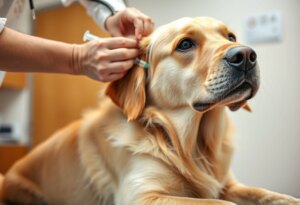
Librela vs Rimadyl comparisons usually start with marketing claims, so let’s start with the pharmacology instead. These two drugs don’t just differ in side effects, they work through completely different biological pathways, and that distinction should drive your decision more than brand recognition or what your neighbor’s dog is taking.
Librela (bedinvetmab) is a monoclonal antibody. It binds to nerve growth factor (NGF), a protein that sensitizes peripheral pain receptors in arthritic joints. By neutralizing NGF, Librela interrupts the pain signal before it reaches the spinal cord. Rimadyl (carprofen) is a nonsteroidal anti-inflammatory drug (NSAID). It works downstream, blocking cyclooxygenase (COX) enzymes that produce inflammatory prostaglandins. One drug quiets the pain signal at its source. The other reduces the inflammatory byproducts causing the signal. Neither approach is inherently superior, but the mechanism dictates the risk profile, and that’s where owners of senior dogs need to pay close attention.
Two Drug Classes, Two Very Different Risk Profiles
Carprofen has been on the market since 1997. We have close to three decades of pharmacovigilance data on it. Bedinvetmab received FDA conditional approval in 2023. That gap in surveillance history matters clinically, not just statistically. A drug’s long-term safety signal typically takes years, sometimes a full decade, to fully characterize once it reaches broad population use outside of controlled trials.
This is not an argument that new equals dangerous. Monoclonal antibody therapies have a strong safety history in human oncology and immunology. But when you’re comparing librela vs rimadyl for a geriatric dog with comorbidities, you’re comparing a drug with a mature, well-mapped adverse event curve against one still in its early monitoring phase. That asymmetry should factor into your risk tolerance, particularly if your dog has preexisting kidney disease, a seizure history, or is already on multiple medications.
Owner-reported improvement is not the same as measured improvement. In veterinary analgesia trials, placebo response rates in owner assessments have run as high as 40 to 50 percent, which is why objective mobility scoring matters more than anecdote when judging whether a treatment is actually working.
What the Adverse Event Data Actually Shows
The FDA’s Adverse Event database logged more than 1,000 reports associated with Librela within its first year on the US market, a volume that prompted the agency to issue expanded monitoring guidance and update the label with additional warnings. To be clear, adverse event counts are not proof of causation. Reporting volume tends to spike after a drug launches simply because more dogs are being newly prescribed it, and veterinarians are primed to report anything unusual with a novel therapy. Still, the pattern of reports is worth understanding. The most frequently logged events involve neurological signs (ataxia, ascending paralysis-like presentations), urinary incontinence, and skin reactions at the injection site.
Rimadyl’s risk profile looks different because it’s been characterized for so long. A 2010 Journal of the American Veterinary Medical Association (JAVMA) safety review documented the well-established NSAID risks: gastrointestinal ulceration, hepatic enzyme elevation, and renal papillary changes, particularly in dehydrated or renal-compromised patients. Carprofen also carries a known idiosyncratic hepatotoxicity risk in Labrador Retrievers, a breed-specific finding that changed prescribing habits industry-wide. None of this makes carprofen more dangerous than bedinvetmab. It means we simply know more about exactly what to watch for and when.
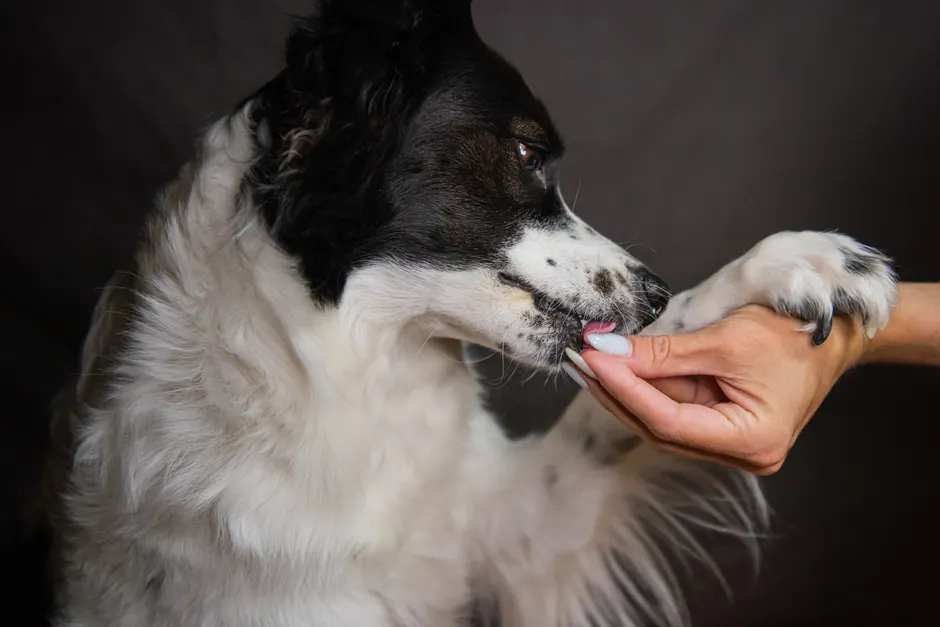
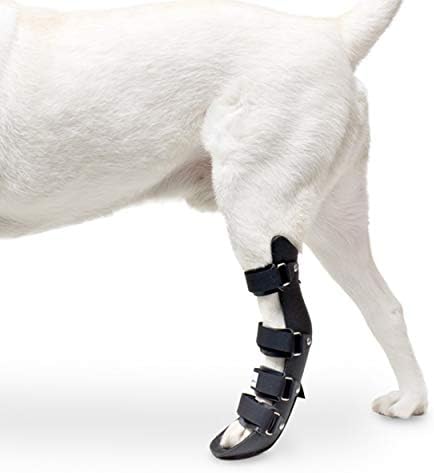
For dogs already dealing with joint instability alongside arthritis, a supportive option like the Dog Rear Foot Splint Helps Brace Lower Back Limbs can reduce the mechanical load on a limb while medication takes effect, which is particularly useful during the titration period when you’re still assessing how your dog tolerates either drug.
Comparative Side Effect Breakdown
Laid out side by side, the two treatments require monitoring for entirely different organ systems. This is the core practical distinction in any librela vs rimadyl discussion with your vet: one demands neurological and urinary observation, the other demands bloodwork.
| Factor | Librela (Bedinvetmab) | Rimadyl (Carprofen) |
|---|---|---|
| Drug Class | Anti-NGF monoclonal antibody | NSAID (COX inhibitor) |
| Administration | Monthly injection (vet-administered) | Daily oral tablet (owner-administered) |
| Primary Adverse Events Reported | Ataxia, urinary incontinence, injection site reactions, reported neurological decline | GI ulceration, vomiting, hepatic enzyme elevation, renal papillary changes |
| Required Monitoring | Neurological exam, urinary continence checks | Baseline and periodic liver/kidney bloodwork (CBC, chemistry panel) |
| Years on Market (US) | Since 2023 (limited long-term data) | Since 1997 (extensive long-term data) |
| Breed-Specific Concerns | Not yet well characterized | Labrador Retrievers (idiosyncratic hepatotoxicity) |
| Price Tier | $$$$ | $$ |
A Structured Vet-Consultation Checklist
Before starting either drug, bring these items to your appointment. A rushed five-minute conversation about dog arthritis treatment options is how preventable adverse events happen.
- Request baseline bloodwork. A full chemistry panel and urinalysis before starting carprofen is non-negotiable for a senior dog. For bedinvetmab, a baseline neurological exam and continence assessment gives you something to compare against later.
- Disclose every current medication and supplement. NSAIDs should never be combined with corticosteroids or other NSAIDs. Overlap risk with bedinvetmab is still being studied, so full disclosure matters even more.
- Ask about renal status specifically. Dogs with compromised kidney function carry elevated risk with carprofen due to reduced renal blood flow regulation. Some emerging reports suggest anti-NGF drugs may also warrant caution in dogs with preexisting neurological conditions.
- Set a recheck bloodwork schedule. Typically 2 to 4 weeks after starting an NSAID, then every 3 to 6 months for long-term use.
- Establish a symptom log. Track appetite, stool consistency, urination habits, and gait changes daily for the first month on either drug.
This kind of contraindication screening is the same logical framework I’d apply to any chronic management protocol, including how we assess sensory triggers in reactive dogs. If you’re managing a senior dog with overlapping behavioral sensitivities, our breakdown of why some dogs react defensively to sudden sounds like sneezing covers a related principle: pain and startle response are neurologically linked, and undertreated arthritis pain can actually amplify a dog’s reactivity to unexpected stimuli.
Nutrition’s Role in Supporting Either Protocol
Medication is one variable in joint management, not the entire equation. Body condition score directly affects joint load, and excess weight is one of the few arthritis risk factors owners have full control over. A joint-conscious diet formulated for senior dogs, such as NUTRO NATURAL CHOICE Adult Dry Dog Food, Farm-Raised Chicken, can support lean body mass while you and your vet monitor how your dog responds to either canine NSAID safety protocol or a monoclonal antibody regimen. Weight reduction alone has been shown in controlled studies to measurably reduce lameness scores in arthritic dogs, independent of any drug intervention.

- Supports Whole-Body Health: NUTRO NATURAL CHOICE Adult Dry Dog Food is made with essential nutrients and antioxidants to…
- Made With Real Lamb: Real lamb is the #1 ingredient in this protein-rich recipe
- Supports Healthy Skin & Coat: Made with high-quality protein, this delicious dry dog food also contains Omega 3 & 6 fatt…
Measuring Efficacy Objectively, Not Anecdotally
This is where most owner-driven treatment decisions go wrong. You ask “is it working,” and the honest answer requires more rigor than watching your dog seem happier at breakfast. The placebo effect in owner-reported outcomes is a documented phenomenon in veterinary analgesia research, and it’s substantial enough that clinical trials for both librela vs rimadyl studies use validated scoring tools rather than owner impression alone.
The Canine Brief Pain Inventory (CBPI) is the tool most commonly used in published trials. It scores pain severity and pain interference with daily function across a standardized set of questions, completed by the owner but structured to reduce subjective bias. I recommend owners complete a CBPI-style assessment before starting treatment, then again at 2 weeks and 6 weeks. If you want a validated version, the American Veterinary Medical Association and most veterinary teaching hospitals can point you to the current published scale.
Practical markers to log, beyond how your dog “seems”:

- Time to lie down and time to rise from lying, timed with a stopwatch, not estimated
- Willingness to climb stairs or jump into the car, scored as yes/no/hesitant
- Distance walked before showing gait asymmetry
- Sleep quality, specifically nighttime restlessness or repositioning frequency
For dogs managing a front limb injury alongside arthritis, a stabilizing option like the Labra Dog Front Leg Brace – Compression Wrap can provide measurable support you can track against your mobility log, giving you an objective secondary data point beyond the medication’s effect alone.
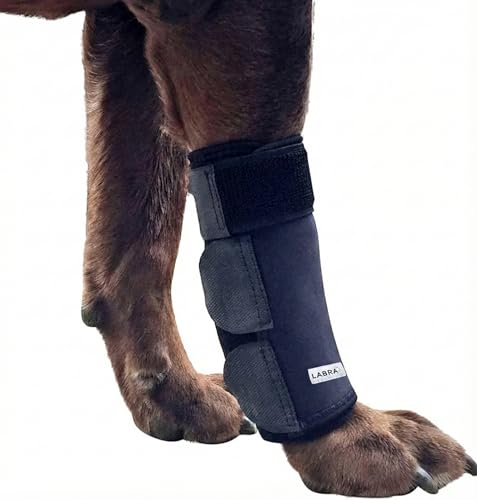
- Protects Against Hot Spots, Lick Granulomas, and Pressure Sores: Provides targeted relief for painful hot spots, lick gr…
- Premium Materials – Made from 3mm neoprene, our brace wrap is breathable, elastic, and enjoyable, ensuring your dog’s co…
- Joint Health – Our brace provides extra support on your dog’s front legs, allowing them to stay healthy and support thei…
If you track these markers and see no measurable change after 6 to 8 weeks on either drug, that’s a legitimate clinical data point to bring back to your vet, not a reason to assume the drug failed outright. Some dogs respond better to NGF inhibition than COX inhibition, and vice versa. The mechanism differences we opened with are exactly why a dog who didn’t respond to carprofen might still respond to bedinvetmab, or the reverse. Don’t count on a single trial run to give you the full picture. Dosage timing, concurrent supplements like calming aids used for nighttime restlessness in senior dogs, and pain flare patterns from weather or activity level can all muddy a short observation window.
Contraindications Worth Flagging Before You Choose
Neither drug is universally appropriate, and the decision hinges heavily on your dog’s individual medical profile rather than general popularity of either treatment.
Rimadyl is generally contraindicated or requires extreme caution in:
- Dogs with a history of GI ulceration or active vomiting/diarrhea
- Dogs with elevated liver enzymes on baseline bloodwork
- Dehydrated or volume-depleted patients (renal blood flow risk)
- Dogs concurrently on corticosteroids or other NSAIDs
Librela requires additional caution in:
- Dogs with preexisting neurological disease or a seizure history
- Dogs with a history of urinary incontinence (monitor closely, don’t assume causation, but track it)
- Breeding animals (safety in reproduction has not been established)
A dog with normal renal and hepatic values but a prior seizure disorder might be a better carprofen candidate. A dog with early-stage kidney disease but no neurological history might tolerate bedinvetmab more comfortably. This is precisely why “which drug is safer” doesn’t have a universal answer. It has an answer specific to your dog’s bloodwork, history, and behavioral baseline.
Frequently Asked Questions
Can Librela and Rimadyl be used together?
Some veterinarians do combine an anti-NGF antibody with an NSAID for dogs with severe, poorly controlled arthritis pain, since the two drugs work through different mechanisms and don’t have documented direct drug interactions. This combination should only happen under close veterinary supervision with baseline and follow-up bloodwork, since combining any two systemic medications increases overall monitoring needs.
How long does it take to see improvement on Librela?
Clinical trial data suggests measurable mobility improvement within 7 to 28 days after the first injection, with effects lasting roughly a month per dose. Owners should track objective markers like rise time and stair willingness rather than relying on general impression, since placebo response is well documented in owner-reported outcomes.
Is Rimadyl safe for long-term daily use in senior dogs?
Carprofen can be used long-term in many senior dogs, but it requires periodic bloodwork, typically every 3 to 6 months, to monitor liver and kidney values. Dogs with preexisting renal disease, GI sensitivity, or dehydration carry higher risk and need closer monitoring or an alternative approach.
What are the warning signs I should watch for after starting either drug?
With Rimadyl, watch for vomiting, diarrhea, black or tarry stool, reduced appetite, or lethargy, all of which can signal GI or hepatic issues. With Librela, watch for changes in gait coordination, new urinary accidents, or unusual behavioral withdrawal, and report these to your vet promptly rather than waiting for the next scheduled visit.