
A quality of life scale won’t make this decision easy, but it will make it honest, and that’s the gift you can give your old dog when the days get harder to read. I’ve sat on the floor of the sanctuary more times than I can count, running my hands over some sweet senior’s ribs, watching her eyes, counting her good hours against her bad ones. That’s really what this comes down to. Not a single dramatic moment, but a pattern you have to be brave enough to see clearly.
If you’re here, your gut is probably already telling you something. Maybe your dog isn’t eating like she used to. Maybe he’s sleeping through things that would have made him bark his head off two years ago. You don’t need me to tell you that something has shifted. What you need is a way to take that gut feeling and turn it into something you can actually track, something that takes some of the guesswork (and the guilt) out of the hardest conversation you’ll ever have with your vet.
What a Quality of Life Scale Actually Measures (And Why It Matters So Much Right Now)
A quality of life scale is a structured way of scoring your dog’s daily comfort across several categories instead of relying on a single “gut check” moment. It’s not about predicting a date. It’s about noticing patterns in pain, appetite, hygiene, mobility, and joy over days and weeks, so you’re making decisions based on evidence instead of panic or, honestly, denial.
I say this with love: we all want to believe our dogs are doing better than they are. It’s human nature to focus on the wag of the tail and ignore the way she’s struggling to stand up after. A dog quality of life scale forces you to look at the whole picture, not just the moments that comfort us. For dogs dealing with arthritis, organ decline, cancer, or cognitive dysfunction, this kind of tracking becomes essential because decline is rarely a straight line. There are good stretches. There are rough patches. The scale helps you tell the difference between “a bad Tuesday” and “a pattern that’s not turning around.”
This matters most for dogs living with chronic illness, because those families are often managing pain and symptoms for months, sometimes years. If your dog’s mobility struggles have you already looking into support gear, it’s worth reading up on anti-inflammatory medicine for dogs to understand what’s actually helping versus what’s just marketing noise. Comfort management and honest quality of life scoring go hand in hand.
Breaking Down the HHHHHMM Scale: A Tool Vet Hospice Teams Actually Use
Dr. Alice Villalobos, a veterinary oncologist, developed what’s known as the HHHHHMM Scale specifically to help families and veterinary hospice teams score a dog’s daily wellbeing in a structured, repeatable way. It stands for Hurt, Hunger, Hydration, Hygiene, Happiness, Mobility, and More good days than bad. Each category typically gets scored from 0 to 10, and you total them up to get a sense of where your dog stands.
- Hurt: Is pain being adequately managed? Can she breathe without distress? Is he limping, panting, or restless in ways that suggest discomfort even with medication?
- Hunger: Is your dog eating enough on her own, or does she need hand-feeding, appetite stimulants, or a feeding tube?
- Hydration: Is he drinking normally, or does he need subcutaneous fluids to stay hydrated?
- Hygiene: Can she stay clean and dry, or is she developing pressure sores, soiling herself, or unable to keep her coat and skin healthy?
- Happiness: Does he still show interest in his people, his toys, his walks? Is there still a spark, or has he become withdrawn?
- Mobility: Can she get up, walk, and posture to eliminate without collapsing or needing to be carried everywhere?
- More good days than bad: This is the category that often matters most. When bad days start to outnumber the good ones, that’s a serious signal.
This isn’t a perfect science, and it was never meant to be. It’s a framework, a way to slow down and look honestly at what your dog’s daily life actually looks like instead of what you wish it looked like. I keep a version of this scale taped inside a kitchen cabinet at the sanctuary for every senior in hospice care. It keeps me honest when my heart wants to talk me out of what my eyes are seeing.
Tracking Good Days vs. Bad Days at Home: Your Daily Journal Matters More Than You Think
The American Veterinary Medical Association has noted that pet parents are often the ones who notice subtle decline first, sometimes well before it shows up clearly in a clinical exam. That tracks with everything I’ve witnessed. You know your dog’s baseline better than anyone with a stethoscope ever could. You know how she normally greets you at the door, how he normally settles at night, what “off” looks like on her specific face.

Start a simple daily journal. It doesn’t need to be fancy. A notebook by the food bowl works just fine. Each day, jot down:
- Appetite: full meal, partial, refused
- Mobility: walked normally, hesitant, needed help, couldn’t stand
- Mood: engaged, quiet, withdrawn, restless
- Pain signs: panting at rest, whining, pacing, guarding a body part
- Bathroom habits: normal, accidents, straining, changes in frequency
Weigh your dog consistently, too, since weight loss is one of the quieter signs of decline that’s easy to miss day to day but obvious over a month. A Portable Digital Luggage Scale works surprisingly well for this if your dog is too unsteady for a standard vet scale, since you can weigh yourself holding your dog, then weigh yourself alone, and subtract the difference right there in your living room.
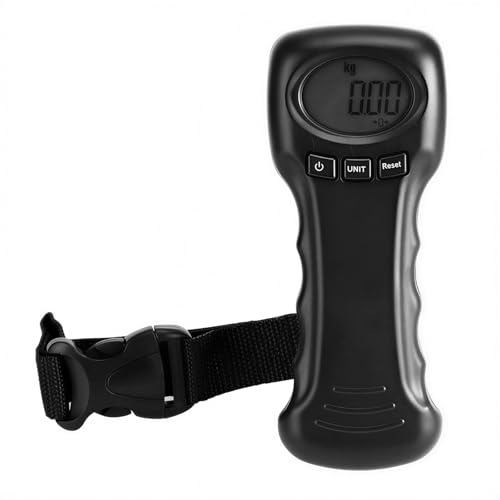
- 【High Precision & Capacity】Accurately weigh your luggage up to 50kg/110lb with this portable digital scale, featuring a …
- 【Multi-Functional Use】Equipped with tare deduction, data lock, auto shut-off, and low battery indicator. The scale autom…
- 【Portable & Ergonomic Design】Lightweight and compact for travel, this hanging scale features an anti-slip, ergonomic han…
After a week or two of honest journaling, patterns emerge fast. You’ll see it in black and white: four bad days out of seven, or two out of seven. That’s data you can actually bring to your vet instead of trying to describe a feeling in an exam room while your dog wags her tail nervously and makes a liar out of you.
Your dog cannot tell you in words when enough is enough. But she is telling you, every single day, in the way she eats, moves, and looks at you. Our job is to actually listen, not just hope.
Separating Your Grief From Your Dog’s Actual Comfort
This is the part nobody prepares you for. The hardest part of using any quality of life scale isn’t the scoring. It’s being honest enough to admit when the numbers are telling you something your heart isn’t ready to hear.
I’ve watched loving, devoted people keep pushing forward long past the point their dog was telling them he was tired, because *letting go* felt like betrayal. I understand that ache down to my bones. But here’s what I’ve learned after years of sitting with dying dogs: our grief is real, and it matters, but it is *ours*. It is not our dog’s job to carry us through our fear of losing him.
Ask yourself honestly:
- Am I keeping him going because *he* still has good days, or because *I’m* not ready?
- Is she still finding joy, or am I finding joy in her simply still being here?
- Would I want to live like this, in this body, on these terms?
These questions are brutal. They’re supposed to be. *This is a sacred trust*, this bond we build with our dogs, and honoring it sometimes means putting their comfort ahead of our own fear of an empty house. A dog quality of life assessment done honestly protects your dog from suffering that serves no one, including you.
Working With Your Vet: Hospice, Palliative Care, and Building a Personalized Scale
Euthanasia doesn’t have to be the only conversation on the table the moment things get hard. Ask your vet directly about palliative and hospice care for dogs, which focuses on comfort and pain management rather than curing an underlying illness that may no longer be treatable. Many veterinary hospice programs will come to your home, help manage pain protocols, and support you through this entire stretch of your dog’s life, not just the final appointment.
Bring your journal. Bring your HHHHHMM scores. A good vet will help you build a personalized end of life checklist specific to your dog’s diagnosis, whether that’s kidney disease, canine cognitive dysfunction, or advanced arthritis. This isn’t a one-size-fits-all form. A dog with mobility issues but a strong appetite and clear happiness scores may have plenty of good months left with the right joint support and orthopedic gear. A dog who’s stopped eating and can no longer posture to eliminate on his own is telling you something very different.

If mobility decline is part of your dog’s story, this is also a good time to look at whether your home setup is actually helping her. Ramps, orthopedic beds, and supportive harnesses can genuinely extend good, comfortable days for dogs whose main struggle is physical rather than something more systemic. For families further back on this road, thinking through breed-specific health tendencies early can help too. If you’re weighing a future companion breed alongside caring for a senior dog, our piece on finding a reputable Golden Dox breeder covers what responsible sourcing looks like, which matters for long-term health outcomes down the road.
Comparing Tools That Support an Honest Quality of Life Assessment
Here’s a simple breakdown of practical tools that can support your daily tracking and comfort assessments at home. None of these replace your veterinarian’s guidance, but they make honest observation easier.
| Product | Best For | Key Feature | Price Tier |
|---|---|---|---|
| Portable Digital Luggage Scale | Tracking weight loss/gain at home between vet visits | LCD display, up to 110 lb capacity, easy hold-and-subtract method | $ |
| Daily Wellness Journal (notebook or app) | Logging appetite, mobility, mood, and pain signs for your scale | Free-form daily tracking to spot patterns over weeks | $ |
| Veterinary Hospice Consultation | Personalized palliative care planning with professional oversight | In-home pain management, comfort planning, guided scoring support | $$$$ |
Notice that the most expensive line item here isn’t a product at all. It’s professional guidance. That’s intentional. A quality of life scale is only as useful as the honesty and support behind it, and no gadget replaces a vet who knows your dog’s history.
When the Scale Tells You It’s Time
There’s no single number that flips a switch. But when bad days consistently outnumber good ones across multiple categories, when pain can no longer be managed comfortably, when your dog has stopped finding joy in the things that once lit him up, that’s the scale doing its job. It’s not cruel. It’s clarity.
I think about this a lot at the sanctuary, especially with our old souls who’ve already beaten every odd just by living this long. Letting go on their terms, while they still have dignity, is one of the most loving things we can do. It’s not giving up. It’s finishing the job of loving them well, all the way to the end.
For more general reading on how veterinary professionals assess pain and end-of-life decisions in animals, the American Veterinary Medical Association offers guidance that’s worth reading alongside anything your own vet tells you.
And if you’re also budgeting ahead, whether for future veterinary costs or considering another dog down the line, it helps to understand real ownership costs. Our breakdown of what a Mini Golden Retriever really costs is a useful reference point for total lifetime care planning, senior years included.
Frequently Asked Questions
What is a good quality of life scale score for a senior dog?
Most versions of the HHHHHMM scale use a 0 to 10 rating per category, with a combined total above 35 out of 70 generally considered acceptable quality of life. That said, no single number should be treated as absolute. What matters more is the trend over time and whether your dog is having more good days than bad, along with input from your veterinarian who knows her specific condition.
How often should I use a quality of life scale to track my dog?
Daily tracking is ideal once a senior dog has been diagnosed with a chronic or terminal condition. Even a quick one or two minute check-in each evening builds a reliable pattern over a week or two, which is far more useful than trying to remember how things felt a month ago. Consistency matters more than perfection here.
Is hospice care for dogs the same as giving up on treatment?
No, and this is a common misunderstanding. Hospice care for dogs focuses on comfort, pain relief, and quality of daily life rather than curing an illness that may no longer be treatable. It’s an active, compassionate form of care, often involving in-home visits, pain management protocols, and emotional support for the whole family, not a passive withdrawal of care.
How do I know if I’m keeping my dog alive for myself instead of for him?
Ask yourself honestly whether your dog is still finding genuine joy in daily life, or whether you are simply relieved he’s still physically present. A quality of life scale helps remove some of the emotional fog by giving you concrete daily observations to review. If you’re struggling to separate your own grief from his actual comfort, talking it through with your veterinarian or a hospice counselor can offer clarity you can’t always find alone.
However this season looks for you and your old friend, please know you’re not failing him by asking these hard questions. You’re doing exactly what love asks of us: paying close attention, staying honest, and choosing his comfort even when it costs you something. That’s the whole job. Tell your pup I said Hi! — Dawn