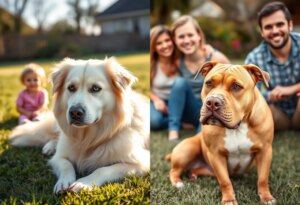
A puppy sibling can be one of the sweetest gifts you give an aging Golden, or it can tip a fragile senior body and mind into real distress. I’ve watched both play out, and the difference almost always comes down to whether anyone actually stopped to read the old dog’s signals before bringing a bouncing baby home.
Here’s the truth nobody wants to hear: a graying muzzle and slower gait don’t automatically mean your Golden Retriever is “done” with company. But they do mean the decision requires more than good intentions. It requires observation, honesty, and a willingness to let your senior dog’s body and behavior guide the timeline, not your own excitement about puppy breath.
This is a sacred trust. Your old dog gave you their whole youth. The least we owe them is a thoughtful, unhurried evaluation before we ask them to share their golden years with a puppy sibling.
Why Senior Dogs Need Careful Evaluation Before a New Puppy Joins the Household
Aging Golden Retrievers carry a lot we can’t see from the outside. Joint pain, fading hearing, cloudier eyes, a nervous system that just doesn’t bounce back from stress the way it used to. When you’re weighing a puppy sibling, you’re not just asking “will they get along?” You’re asking whether your senior dog has the physical reserve and emotional bandwidth to absorb a whole new creature’s chaos into a life that’s finally slowed down to a pace they can manage.
I think about this every time someone tells me they’re getting a puppy “to keep the old dog young.” Honestly, who thinks like that?? A puppy doesn’t rejuvenate an arthritic 11-year-old. It can enrich their life beautifully, or it can exhaust them into hiding. The outcome depends entirely on how carefully you read the signs first.
If you’re also managing a household with young kids or considering how a puppy fits alongside other family changes, our guide on bringing a puppy companion home to a senior dog walks through the emotional and logistical side in more depth. It’s worth reading before you fall in love with a litter online.
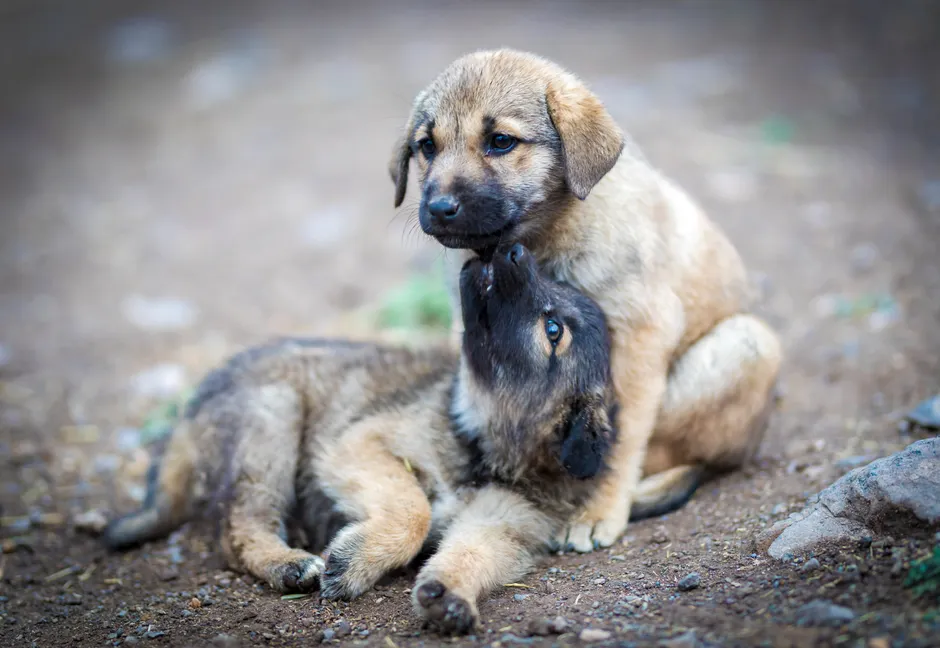
Sign #1: Physical Readiness for Puppy Roughhousing
This is where I want you to slow down and really look at your dog’s body, not just their spirit. A 2023 AVMA behavior study noted that dogs with untreated osteoarthritis, present in as many as 40% of senior dogs according to Canine Arthritis Management data, often struggle to tolerate the sudden pouncing and body-slamming that comes standard with any puppy sibling. Your Golden might still greet you at the door with a wagging tail. That doesn’t mean their hips can handle a fifteen-pound puppy launching sideways into their back legs.
Ask yourself honestly:
- Does your dog rise slowly or wince getting up from lying down?
- Have they been diagnosed with arthritis, hip dysplasia, or spinal issues?
- Do they avoid stairs or hesitate before jumping onto furniture?
- Has your vet mentioned joint supplements or pain management recently?
If you answered yes to any of these, that doesn’t necessarily rule out a puppy sibling down the road. It just means you need a solid management plan first, including a dedicated recovery space. An My Brother is A Dachshund Infant Toddler T-Shirt might seem like an odd thing to mention here, but honestly, these sibling-themed keepsakes are a sweet way for families to mark the occasion of a new puppy joining an older dog’s world, especially when little ones in the house are part of the transition too.

A senior dog’s joints don’t lie, even when their heart says yes. Watch the body before you trust the wag.
Signs #2 Through #4: Temperament Cues That Matter
Physical readiness is only half the picture. The other half lives in your dog’s temperament, and this is where cognitive decline can quietly complicate things. A UC Davis study found that cognitive dysfunction affects an estimated 28% of dogs over age 11, and that decline can absolutely shift how a previously easygoing Golden tolerates a new companion.
Patience With Pestering
Does your senior dog walk away calmly when annoyed, or do they freeze, stiffen, or snap? A dog who removes themselves from a pestering situation is showing you healthy self-regulation. A dog who can’t disengage, whether from arthritis pain limiting mobility or cognitive fog making them slower to process what’s happening, is telling you they need more support before a puppy sibling enters the picture.
Continued Social Interest
Watch your dog around other dogs on walks or at the vet. Do they still show curiosity, a soft tail wag, an interest in sniffing and engaging? Or have they become withdrawn, preferring solitude? Dogs experiencing canine cognitive dysfunction often lose interest in social interaction altogether. That withdrawal is a real signal, not stubbornness.
Absence of Resource Guarding
This one matters more than people expect. If your Golden has started guarding food, toys, or resting spots more intensely than they used to, that’s often a pain response or an anxiety response tied to feeling less able to defend themselves physically. Adding a puppy into a household where resource guarding is present, without a plan, is asking for conflict.

For families juggling this alongside other dogs in the home, our resource on Border Collie Golden Retriever mix size and temperament by age can help if you’re weighing breed-specific energy levels as part of the puppy sibling decision.
Sign #5: Household Stability and Your Senior Dog’s Established Routine
Senior dogs thrive on predictability. It’s not boring to them, it’s regulating. When you introduce a puppy sibling, you’re disrupting sleep schedules, feeding routines, and quiet time all at once. The question isn’t whether disruption will happen. It’s whether your household has enough structure to absorb it without your senior dog paying the emotional price.
Before that puppy comes home, here’s what I want you to have ready:
- Separate feeding stations to prevent food guarding conflicts and let your senior dog eat in peace
- Baby gates to create controlled, gradual introductions instead of a free-for-all
- An orthopedic bed placed in a quiet retreat space just for your senior dog, somewhere the puppy cannot access
- A puppy pen to contain the newcomer’s energy during your senior dog’s rest periods
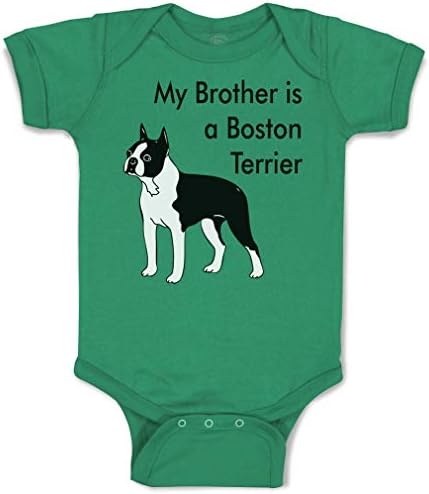
If you’re shopping this list, our detailed breakdown of the best puppy gates and crates for a new sibling dog covers exactly which setups hold up best in multi-dog households. And while you’re gathering gear, a little Custom Baby Bodysuit My Brother is A Boston Terrier Dog Lover makes a genuinely sweet keepsake if you’ve got a human baby in the house welcoming a puppy sibling alongside the senior dog too.
Comparison: Essential Gear for a Smooth Puppy Sibling Transition
| Product Type | Best For | Key Feature | Price Tier |
|---|---|---|---|
| Orthopedic Senior Bed | Arthritic Goldens needing a retreat space | Memory foam support, low entry height | $$$ |
| Freestanding Baby Gate | Controlled, gradual introductions | No wall mounting required, adjustable width | $$ |
| Puppy Exercise Pen | Containing puppy energy during senior rest time | Foldable, expandable panels | $$ |
| Elevated Feeding Station | Preventing resource guarding, easing senior neck strain | Dual bowl, adjustable height | $$ |
| Interlocking Puppy Playpen (Large) | Multi-room flexibility during transition period | Modular panels, indoor/outdoor use | $$$$ |
Honoring Your Senior Dog’s Voice in the Decision
Here’s what I’ve learned running a sanctuary full of old souls: your senior dog has an opinion about this, and it’s your job to listen for it. Not the opinion you want to hear. The real one, spoken in body language, appetite changes, sleep patterns, and the quality of their gaze when a young dog bounds past. Deciding whether the timing is right for a puppy sibling isn’t a checklist you rush through in a weekend. It’s a conversation with a dog who has spent years learning your rhythms and deserves the same consideration in return.
If your Golden checks most of these boxes, a puppy sibling can genuinely brighten their remaining years, giving them purpose and gentle companionship. If they don’t, that’s not a failure. That’s your dog trusting you to protect their peace. According to the American Kennel Club, gradual, well-managed introductions significantly reduce stress for resident dogs of any age, and that guidance applies doubly to seniors.
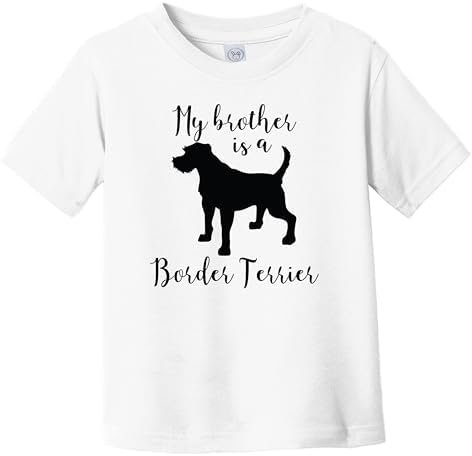
Whatever you decide, keep the little joys in view too. A My Brother is A Border Terrier Cute Dog Silhouette Infant Toddler shirt won’t make the transition easier logistically, but it’s a lovely reminder that new siblings, human or canine, are worth celebrating even amid the careful planning.
Frequently Asked Questions
How do I know if my senior Golden Retriever is truly ready for a puppy sibling?
Look at physical comfort first: can they move away from pestering without pain? Then watch temperament: do they still show curiosity toward other dogs, and are they free of resource guarding behaviors? A dog showing patience, mobility, and continued social interest is generally a good candidate for a puppy sibling, though a gradual introduction plan still matters.
Can cognitive decline affect how my senior dog reacts to a new puppy?
Yes. Cognitive dysfunction, which affects an estimated 28% of dogs over age 11 according to UC Davis research, can reduce a senior dog’s tolerance for novelty and social interaction. A dog with cognitive decline may become withdrawn, confused, or easily overwhelmed by a puppy’s energy, so extra patience and a slower introduction timeline are essential.
What gear should I buy before bringing home a new puppy sibling?
Prioritize separate feeding stations, a freestanding baby gate for controlled introductions, an orthopedic bed placed in a quiet retreat space for your senior dog, and a puppy pen to contain the newcomer’s energy. These items reduce conflict and give your senior dog a reliable escape from overstimulation during the adjustment period.
How long does it typically take for a senior dog to adjust to a puppy sibling?
Most senior dogs need anywhere from a few weeks to a couple of months to settle into a new dynamic with a puppy sibling. The timeline depends on the senior dog’s health, personality, and how carefully the introduction is managed. Rushing the process tends to backfire, while gradual, supervised exposure builds trust steadily.
Trust your dog’s pace, not the calendar. Whatever you decide about a puppy sibling, do it with your old friend’s dignity front and center. That’s the whole job.
Tell your pup I said Hi! — Dawn