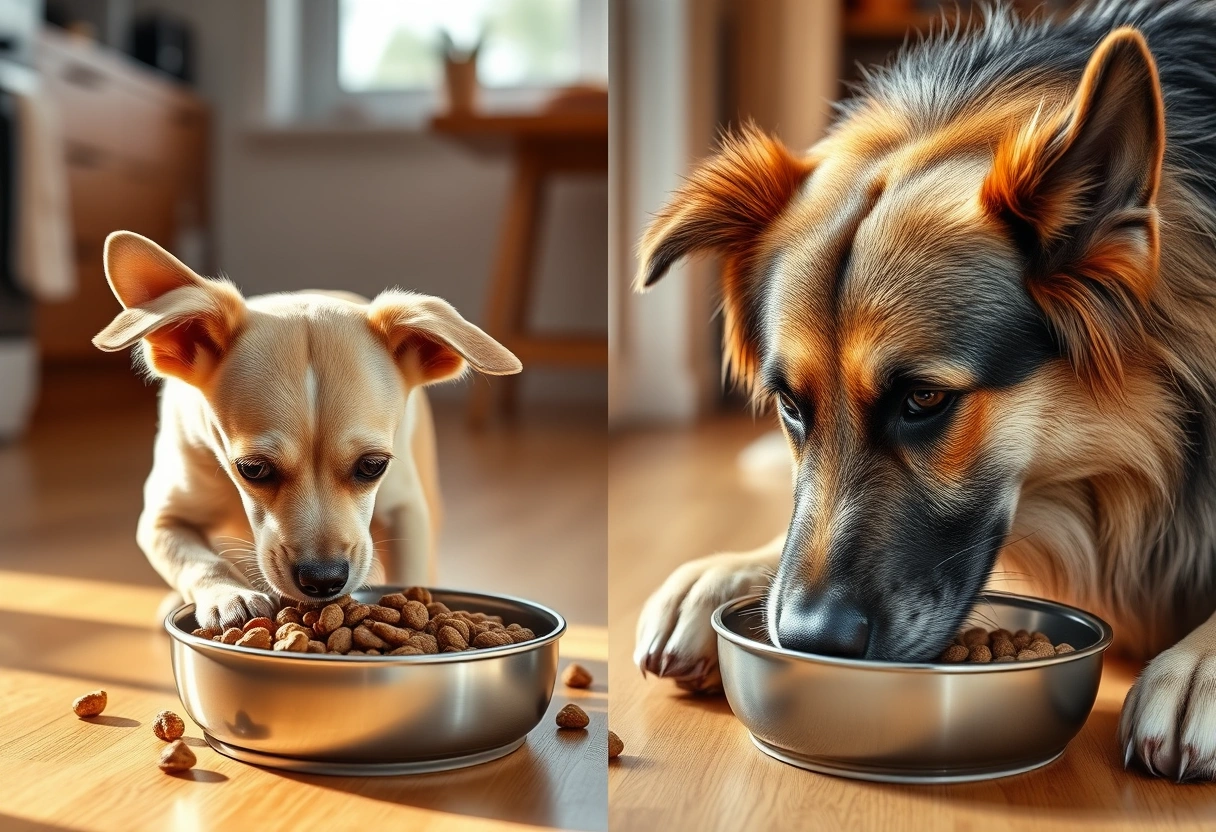
Senior dog food isn’t one-size-fits-all, and if you’ve got a fifteen-pound Chihuahua and a hundred-pound German Shepherd both graying at the muzzle, you already know they’re not aging the same way. I’ve fed both extremes at the sanctuary, tiny seniors who’ll outlive us all and giants whose bodies start breaking down heartbreakingly early. What goes in the bowl matters more than most folks realize, and it’s not the same bowl for both.
Let’s get into what actually changes as dogs age, and why the size of your dog changes the whole nutrition conversation.
Why Breed Size Changes Senior Nutrition Needs
Here’s something that still catches new pet parents off guard: a Great Dane can be considered a senior around age six, while a Chihuahua might not hit that stage until ten or eleven. Large breeds age faster, metabolically speaking, and their joints take a beating from carrying so much weight over a lifetime. According to the American Kennel Club, bigger dogs face accelerated aging and higher rates of joint disease, while smaller dogs tend to live longer overall but carry their own baggage: dental disease and a higher risk of pancreatitis. That’s the heart of this whole guide. Senior dog food has to answer two very different biological realities. A giant breed senior needs food that protects joints and preserves muscle before it’s gone. A small breed senior needs food that’s gentle on aging teeth and doesn’t overload a sensitive pancreas with fat. I say this a lot at the sanctuary: you cannot feed a senior dog like you fed the adult version of that same dog. The body underneath that fur has changed, even if the personality hasn’t.
Kibble Size, Calorie Density, and Protein-to-Fat Ratios
Walk down any pet food aisle and you’ll notice small breed formulas have tiny kibble pieces, while large breed bags have bigger, often more textured pieces. That’s not marketing fluff. Small mouths and aging teeth genuinely struggle with kibble that’s sized for a Labrador. Calorie density is where things get interesting too. Small senior dogs often need calorie-dense food in smaller portions because their metabolism, pound for pound, runs hotter than a large dog’s. Large senior dogs typically need lower calorie density because they’re less active in their golden years and prone to packing on weight that their joints simply cannot afford to carry. Protein matters here more than people think. There’s an old myth that senior dogs need less protein. It’s mostly wrong. Aging dogs, especially large ones losing muscle mass, often need high-quality, easily digestible protein to slow that muscle wasting down. Fat is where you dial back, particularly for small breeds prone to pancreatitis. Hill’s Science Diet Adult 7+ Dry Dog Food is one I’ve seen recommended often by vets because it’s formulated with that senior-specific protein and fat balance in mind, without going overboard on calorie density.

- Healthy heart, kidneys, and bladder supported by antioxidants and balanced minerals
- Lean muscles supported with high-quality protein
- Made with natural ingredients
If you’re still figuring out whether upgrading matters at all, I wrote a whole piece on whether senior dog food is actually worth the switch, and honestly, for most dogs past age seven, it is.

Joint Support Ingredients: Why Large Breeds Need More
Glucosamine, chondroitin, and omega-3 fatty acids show up on nearly every senior food label now, but the doses that matter for a ten-pound dog and a ninety-pound dog are worlds apart. A study published in the Journal of Veterinary Internal Medicine found that joint supplementation measurably reduced pain scores in aging dogs, which lines up with what I’ve watched happen in real time with our sanctuary dogs. Large breed seniors carry so much weight on aging hips and elbows that even a slight bump in joint support ingredients makes a visible difference in how they move in the morning. Small breed seniors benefit too, but the urgency is different. A Chihuahua with mild arthritis isn’t facing the same structural collapse risk as an aging Mastiff.
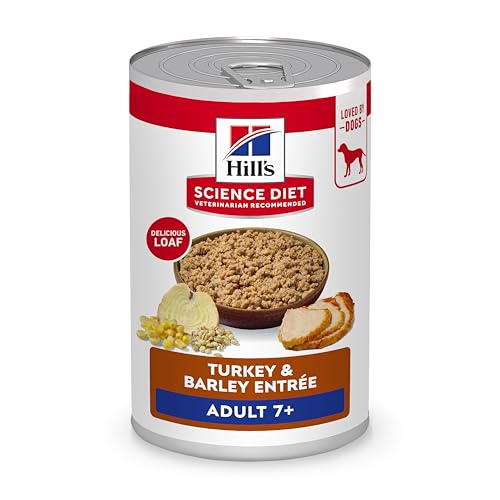
Watching a big senior dog struggle to stand up in the morning, then watching that same dog move easier a few weeks after a real joint-support diet change, it never stops meaning something to me. That’s not a small thing. That’s dignity, restored one meal at a time.If your dog’s mobility issues go beyond diet, and let’s be honest, most joint pain eventually needs more than food, it’s worth reading up on how arthritis medications compare to natural remedies for pain relief. Food is one leg of the stool, not the whole chair. For dogs who need extra hydration alongside joint support, especially small dogs with dental pain who struggle with dry kibble, Hill’s Science Diet Adult 7+ Wet Dog Food is a gentler option that still delivers senior-specific nutrition without asking a sore mouth to work overtime.
Weight Management: Opposite Problems, Same Urgency
Here’s where small and large seniors split in a way that surprises a lot of pet parents. Small breeds are prone to obesity, plain and simple. Those extra two or three pounds that seem harmless on a ten-pound frame put enormous strain on already fragile joints. It doesn’t take much for a small senior dog to go from “a little pudgy” to genuinely struggling on stairs. Large breeds face the opposite fight. Cachexia, the medical term for muscle wasting that comes with chronic illness or advanced age, sneaks up fast on bigger dogs. One month they’re solid, the next month you can feel every rib and their back end looks thin even though they’re eating fine. This is one of those things that guts me every time I see it in a sanctuary dog, because it happens quietly. Senior dog nutrition has to account for this fork in the road. A small breed senior food is calorie-conscious and portion-controlled. A large breed senior food often needs more calories from quality sources, not fewer, once weight loss starts. NUTRO NATURAL CHOICE Adult Dry Dog Food with farm-raised chicken is a solid middle-ground option I’ve seen work well for dogs transitioning through this weight-shift stage, since it leans on real protein sources without unnecessary filler.

- Supports Whole-Body Health: NUTRO NATURAL CHOICE Adult Dry Dog Food is made with essential nutrients and antioxidants to…
- Made With Real Lamb: Real lamb is the #1 ingredient in this protein-rich recipe
- Supports Healthy Skin & Coat: Made with high-quality protein, this delicious dry dog food also contains Omega 3 & 6 fatt…
Comparing Senior Dog Food by Breed Size at a Glance
I put together this table because I know a lot of you are standing in a pet store aisle right now trying to make a fast decision. Here’s how the core factors of senior dog food stack up depending on whether you’re feeding a small or large aging dog.
| Factor | Small Breed Senior Food | Large Breed Senior Food | Price Tier |
|---|---|---|---|
| Kibble Size | Small, easy to chew | Larger, textured pieces | $$ |
| Calorie Density | Higher per cup, smaller portions | Moderate to lower, larger portions | $$ |
| Fat Content | Lower, pancreatitis-conscious | Moderate, muscle-preserving | $$$ |
| Joint Support Dosage | Standard glucosamine/chondroitin | Elevated glucosamine/chondroitin/omega-3s | $$$ |
| Common Risk Addressed | Obesity, dental disease, pancreatitis | Joint degeneration, muscle wasting | $$ |
| Example Product | Hill’s Science Diet Adult 7+ Wet Food | Hill’s Science Diet Adult 7+ Dry Food | $$$ |
How to Read Labels and Transition Food Safely
I’ve seen too many pet parents grab a bag labeled “senior” and assume the job is done. It’s not that simple. Flip the bag over and actually read the guaranteed analysis. Look for a named protein source first on the ingredient list, not a vague “meat meal.” Check the fat percentage if your dog is small-breed and prone to pancreatitis. Check the calorie count per cup if your dog is large-breed and losing weight. When switching senior dog food, go slow. I mean it. A too-fast transition wrecks a senior dog’s digestive system, and their gut doesn’t bounce back like it did at age two. Here’s the routine I use with every sanctuary dog:
- Days 1-3: 75% old food, 25% new senior dog food
- Days 4-6: 50/50 mix
- Days 7-9: 25% old food, 75% new food
- Day 10 onward: Fully transitioned, watching stool and appetite closely
Frequently Asked Questions
Is senior dog food really necessary, or is it just marketing?
It’s genuinely necessary for most dogs past age seven, though the exact age varies by breed size. Senior dog food adjusts calorie density, fat content, and joint-support ingredients to match how an aging body actually functions. It’s not just a label change, the formulation itself shifts to protect joints, manage weight, and support digestion in ways adult formulas don’t.
At what age should I switch my dog to senior dog food?
Large and giant breeds often benefit from senior dog food starting around age five to six, since they age faster and face joint stress earlier. Small breeds typically don’t need the switch until age nine or ten. When in doubt, ask your vet to assess body condition, activity level, and any early joint stiffness before making the change.
Do small breed seniors need less protein than large breed seniors?
Not necessarily less, just differently balanced. Both small and large breed seniors need high-quality, digestible protein to maintain muscle mass. The bigger difference is in fat content, since small breeds are more prone to pancreatitis and generally do better on leaner senior dog food formulas.
Can I mix wet and dry senior dog food for my aging dog?
Yes, and it’s often a smart move for seniors with dental pain or a reduced appetite. Mixing wet and dry senior dog food adds moisture, makes meals easier to chew, and can encourage picky eaters to finish their portion. Just make sure the combined calorie total still fits your dog’s needs so you’re not accidentally overfeeding.
Aging dogs don’t ask for much. A soft place to sleep, a little patience, and food that actually works with their body instead of against it. That’s really what this whole guide comes down to. Pay attention to what your dog’s size and body are telling you, adjust the bowl accordingly, and you’re already doing right by them. Tell your pup I said Hi! — Dawn