
IAMS Healthy Aging and IAMS Proactive Health both wear the “senior formula” badge proudly on the bag, but after two decades of filling bowls for old dogs who’ve earned every gray hair on their muzzle, I can tell you the labeling only gets you halfway to the truth. One of these formulas leans harder into joint support. The other leans into digestive steadiness and immune backup. Neither is automatically “better” until you know what your own dog’s body is actually asking for.
That’s the real conversation we need to have. Not which bag has the prettier senior dog on the front, but which nutrient profile matches the aging body eating out of that bowl every single day.
Why the Formula Debate Matters More Than You Think
Here’s something I’ve learned sitting on kitchen floors at Woody’s Place, coaxing reluctant seniors to eat: a “senior” label slapped on a bag means almost nothing on its own. Aging bodies aren’t just smaller versions of adult bodies. They’re dealing with slower kidney filtration, stiffer joints, thinning muscle, and digestive systems that don’t bounce back from a bad ingredient the way they used to at age three.
So when a brand markets a food as “senior,” I want to know what changed in the recipe. Did they just lower the calories and call it a day? Or did they actually think through joint cartilage, muscle retention, and gut sensitivity? This is where IAMS Healthy Aging and IAMS Proactive Health genuinely diverge, and it’s worth slowing down and looking closely instead of grabbing whichever bag is on sale.
I’ve watched too many pet parents choose based on price alone, then wonder six months later why their dog is stiffer, gassier, or losing weight they can’t afford to lose. Food is not just fuel for an old dog. It’s medicine, comfort, and quality of life stacked into every kibble.
IAMS Healthy Aging: What’s Actually in the Bag
IAMS Healthy Aging was built with a joint-first mindset. The ingredient list typically opens with real chicken, followed by a blend of grains, and it carries added glucosamine and chondroitin, the same compounds veterinarians recommend for cartilage support in aging joints.
The protein-to-fat ratio here tends to run a little leaner than you’d expect, which makes sense once you consider the audience: dogs who are moving less and need fewer calories but still require enough quality protein to hang onto muscle mass. That balance matters more than most people realize. Muscle loss in senior dogs isn’t just a cosmetic issue. It directly affects mobility, balance, and how well a dog can get up off the floor without a struggle.
If your dog is showing the early creaks of arthritis, hesitating on stairs, or slow to rise after naps, this formula’s joint-support angle is doing real work, not just checking a marketing box.

IAMS Proactive Health Senior: A Different Kind of Support
Proactive Health Senior takes a slightly different lane. Instead of leading with joint compounds, it puts more weight on fiber content and an antioxidant blend aimed at immune function and digestive regularity.
For dogs dealing with a sensitive gut, irregular stools, or the kind of sluggish digestion that creeps in with age, that added fiber can make a genuine difference in comfort. The antioxidant blend, often built from a mix of vitamins E and C along with select botanicals, is aimed at supporting the immune system, which naturally weakens as dogs get older and becomes more vulnerable to everyday stressors.
Where Healthy Aging is thinking about the skeleton, Proactive Health is thinking about the gut and the immune response. Both are valid concerns for an aging dog. The question is which one is louder in your dog’s specific case.
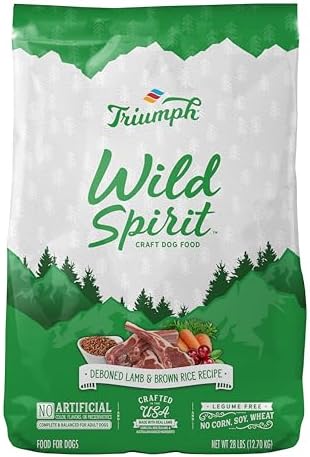
While we’re talking about digestive comfort in aging pets, it’s worth mentioning that Triumph Lamb & Rice is another formula I’ve seen used successfully in multi-pet households managing sensitive stomachs across species, and it’s a helpful reference point when you’re comparing how different brands approach limited-ingredient, gentle digestion recipes.
- Natural with added essential vitamins & minerals
- Contains no meat by-products
- Manufactured in United States
What the Research Actually Says About Senior Dog Nutrition
I don’t just go on gut feeling here (though gut feeling, earned through years of hands-on care, counts for something). Let’s look at what the data backs up.
The AAFCO nutrient profiles recommend a minimum of 18% crude protein for adult dog maintenance, a baseline that both IAMS senior formulas meet and generally exceed. But minimums are just that: minimums. An aging body working to preserve muscle mass often benefits from protein levels comfortably above the floor, not sitting right at it.
Then there’s the joint piece. A 2011 study published in the Journal of Veterinary Internal Medicine found that roughly 20% of dogs over age 8 show clinical signs of osteoarthritis. Read that again. One in five senior dogs is already dealing with joint disease by the time they hit that age marker. That statistic alone tells me joint-supportive kibble formulas, like the glucosamine and chondroitin blend in IAMS Healthy Aging, aren’t a marketing gimmick. They’re addressing a documented, widespread reality in aging canine bodies.
An old dog’s body doesn’t lie to you. It tells you exactly what it needs, through stiffness, through appetite, through the way they hesitate at the top of the stairs. Our job is just to listen closely enough to hear it.
Comparing IAMS Healthy Aging and Proactive Health Side by Side
I know a lot of you want the quick visual breakdown, so here’s how these two formulas stack up against each other on the factors that matter most for aging dogs.
| Feature | IAMS Healthy Aging | IAMS Proactive Health Senior |
|---|---|---|
| Primary Focus | Joint & mobility support | Digestive & immune support |
| Key Additives | Glucosamine, chondroitin | Fiber blend, antioxidants (vitamin E, C) |
| Protein Level | Moderate-lean, muscle-focused | Moderate, balanced with fiber |
| Best Suited For | Dogs with stiffness or early arthritis | Dogs with sensitive digestion or immune concerns |
| Price Tier | $$ | $$ |
Both sit in a similar affordable-to-mid-tier range, so cost isn’t really the deciding factor here. The decision comes down to which physical issue your senior dog is actually facing right now.

The Sanctuary Verdict: What Happened When We Tested Both
At Woody’s Place, we’ve had dogs on both sides of this fence. One of our old girls, a stiff-hipped shepherd mix, did noticeably better on the joint-focused formula within a few weeks. Less hesitation on the ramp. A little more spring getting into the yard. That’s not nothing when you’re watching an old dog navigate a body that doesn’t cooperate the way it used to.
But we’ve also had dogs with touchy stomachs who did far better on the fiber-forward, antioxidant-heavy option. Firmer stools. Fewer middle-of-the-night accidents. Less worry in the house, honestly, which matters for the humans too.
Neither formula is a universal winner. That’s the honest answer, even though it’s not the tidy one people want to hear.
How to Transition Formulas Safely
If you’re switching between IAMS Healthy Aging and Proactive Health, or moving from either one to something else entirely, please don’t dump the new food in cold. Old digestive systems do not forgive abrupt changes the way a young dog’s gut might.
- Mix 25% new food with 75% old food for the first two to three days
- Move to a 50/50 blend for the next few days, watching stool quality closely
- Shift to 75% new, 25% old, before finally going to 100% new food
- Stretch the whole process to 10 to 14 days for dogs with a history of sensitive stomachs
- Keep a simple log of appetite, stool consistency, and energy so you can spot patterns early
And please, talk to your vet before switching, especially if your dog has kidney concerns, diabetes, or is already on a prescription diet. What looks like a simple formula swap on the shelf can have real consequences for a body that’s already working hard to keep up. If your senior dog has been more vocal or anxious lately too, it’s worth reading up on why senior dogs bark at unfamiliar noises, since diet changes and sensory decline can sometimes show up together in ways pet parents don’t expect.
Nutrition conversations like this one are exactly why I keep circling back to the basics with new sanctuary intakes. Before we even settle on a formula, we look at their whole health picture, joints, teeth, energy, coat. It’s the same due diligence I’d want anyone researching a big life decision to apply, whether that’s a food change or something like understanding the full cost of bringing home a German Shepherd Golden Retriever mix before committing to a lifetime of care.
A Word on Trusting the Process
I’ll be honest with you. There’s no shortcut here. No single bag that fixes every senior dog’s issues. IAMS Healthy Aging earns its keep for joints. IAMS Proactive Health earns its keep for digestion and immunity. The right call depends on the dog staring up at you right now, not the dog on the bag. Pay attention. Watch how they move after meals, how their coat looks after a month, whether their energy holds steady through the afternoon. That’s the real feedback loop, far more honest than any label copy could ever be.
What’s the main difference between IAMS Healthy Aging and IAMS Proactive Health?
IAMS Healthy Aging focuses primarily on joint and mobility support through added glucosamine and chondroitin, while IAMS Proactive Health Senior emphasizes digestive regularity and immune support through added fiber and an antioxidant blend. Both are valid senior dog formula options, but they target different age-related concerns.
Is IAMS Healthy Aging good for dogs with arthritis?
Yes, IAMS Healthy Aging is formulated with glucosamine and chondroitin specifically to support joint cartilage, which can be helpful for dogs showing early signs of stiffness or osteoarthritis. That said, dogs with more advanced joint disease may still need additional veterinary-recommended supplements alongside their food.
How long does it take to switch a senior dog to a new food safely?
Most senior dogs do best with a gradual transition over 7 to 14 days, slowly increasing the ratio of new food to old food while watching for changes in stool quality, appetite, and energy. Dogs with sensitive digestion may need an even slower transition closer to two full weeks.
Should I ask my vet before switching senior dog food formulas?
Yes, especially if your dog has an existing health condition like kidney disease, diabetes, or a history of digestive sensitivity. A veterinarian can help confirm whether a senior dog formula switch, including a change between IAMS Healthy Aging and IAMS Proactive Health, actually fits your dog’s specific bloodwork and health history.
Whatever bag you land on, do it with your eyes open and your dog’s actual needs in front of you, not just the marketing on the front panel. That’s the kind of quiet, intentional care that adds good years to their good years.
Tell your pup I said Hi! — Dawn