
Senior dog food is one of those categories where marketing outpaces the science, and that gap matters because it directly affects how much muscle your dog keeps, how well his kidneys are protected, and how many good years he has left. I get some version of this question in nearly every consult with an owner of a dog past age seven: is the bag labeled “senior” actually doing anything, or is it just a repackaged adult formula with a gray-muzzled dog on the front? The honest answer is that it depends entirely on what’s inside, not what’s printed outside.
The Word “Senior” Is a Marketing Category, Not a Regulated Life Stage
Here’s the piece of information that surprises most owners: there is no official nutritional definition of “senior” for dogs. The American Kennel Club and veterinary nutritionists generally treat “senior” as a behavioral and clinical descriptor tied to breed size and life expectancy, but the regulatory body that actually sets pet food nutrient standards, AAFCO, does not recognize a distinct senior life stage in its official nutrient profiles. The 2023 AAFCO Official Publication only defines two life stages for feeding trial purposes: growth/reproduction and adult maintenance. Every bag of senior dog food you see on the shelf is formulated to meet the adult maintenance profile, then adjusted by each manufacturer according to their own internal research, which is why formulations vary so widely from one brand to the next.
This is not a technicality. It means one company’s senior dog food might reduce protein and calories by 15 percent, while another keeps protein high and only reduces fat. Both bags can legally say “senior” on the front. Without a regulated standard, the label tells you almost nothing about what you’re actually feeding. The information that matters lives in the guaranteed analysis panel and the ingredient list, not the marketing copy.
Why Protein Needs Often Go Up, Not Down, With Age
The most persistent myth I hear from owners is that older dogs need less protein because their organs are “slowing down” and protein is somehow taxing on aging kidneys. This idea has been circulating in veterinary practice for decades, and it deserves to be retired. A 2011 study published in the Journal of Animal Science found that healthy older dogs actually require approximately 50 percent more dietary protein per kilogram of body weight than younger adults just to maintain nitrogen balance, meaning the minimum amount needed to prevent muscle wasting is substantially higher, not lower, in geriatric dogs.
This connects directly to a condition called sarcopenia, the progressive, involuntary loss of skeletal muscle mass and function that occurs with aging in most mammals, dogs included. Sarcopenia isn’t just a cosmetic issue where your dog “looks thinner.” Muscle is functional tissue. It stabilizes joints, supports mobility, and plays a role in glucose regulation. A senior dog food that arbitrarily slashes protein content in the name of being gentle on aging organs can actually accelerate muscle loss in dogs who don’t have diagnosed kidney disease. The protein restriction protocol that’s appropriate for a dog with confirmed chronic kidney disease is a therapeutic intervention, not a preventive default for every dog over seven.

Don’t count on the word “senior” on a bag to mean lower protein or fewer calories. The data across brands is contradictory enough that label-reading has to replace label-trusting as your default protocol.
The Senior Dog Food Misconception That Costs Dogs Muscle Mass
Because there’s no regulated definition, senior dog food products from different manufacturers can be nutritionally opposite. Some are genuinely lower in calories and moderate in protein, designed for the sedentary, weight-prone older dog. Others maintain or increase protein density specifically to counteract sarcopenia. Both approaches exist on the same store shelf under the same “senior” label, and an owner grabbing a bag based on the dog’s photo on the front has roughly a coin-flip chance of matching the formula to their dog’s actual physiological need.
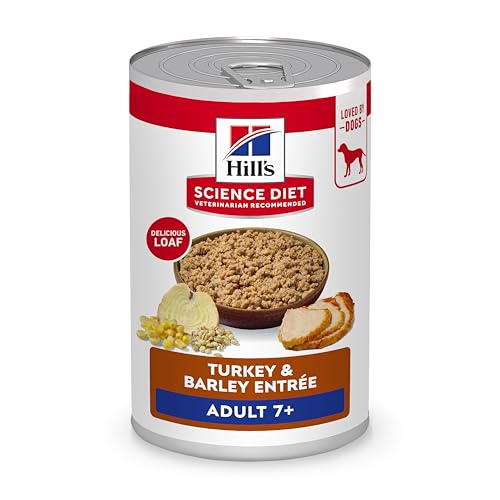
A wet food option like Hill’s Science Diet Adult 7+ Wet Dog Food is one example of a formula built around a veterinary nutrition team’s specific targets for aging dogs, including adjusted fat and antioxidant levels, rather than a generic reformulation. Wet food also carries a practical secondary benefit for many senior dogs: dental disease and reduced saliva production are common in geriatric patients, and softer textures reduce mealtime discomfort without requiring the owner to guess at portion adjustments.
The takeaway for owners is procedural, not emotional: read the guaranteed analysis, compare protein and fat percentages against your dog’s current diet, and don’t assume the senior version of your existing brand is nutritionally similar to what you’re currently feeding. It frequently isn’t.
A Structured Decision Framework for Choosing Senior Dog Food
Rather than relying on label language, I recommend owners work through a short, structured assessment before switching formulas. This mirrors the functional assessment approach I use in behavioral case work: gather objective data first, then act.
- Body Condition Score (BCS): Use the WSAVA 9-point body condition scale, which the ASPCA and most veterinary schools reference as the standard tool. A score of 4 or 5 out of 9 is ideal. Scores of 6 or higher indicate excess adipose tissue, which may justify a lower-calorie senior dog food. Scores of 3 or lower often indicate muscle and fat loss that calls for higher protein and calorie density, not restriction.
- Bloodwork review: Annual or semi-annual senior bloodwork panels (CBC, chemistry panel, urinalysis) identify early kidney values, liver enzyme changes, or thyroid dysfunction. These results, not age alone, should drive whether a therapeutic prescription diet is warranted over an over-the-counter senior dog food.
- Joint and mobility comorbidities: Dogs with diagnosed osteoarthritis often benefit more from omega-3 fatty acid density and glucosamine/chondroitin inclusion than from any calorie adjustment tied to the word “senior.”
- When therapeutic diets outperform OTC senior lines: If bloodwork confirms Stage 2 or later chronic kidney disease, a vet-prescribed renal diet with controlled phosphorus and highly restricted (not just moderately reduced) protein will outperform any over-the-counter senior formula, because OTC products are not formulated to meet therapeutic phosphorus targets.
Dogs managing joint pain alongside dietary transitions often do best with a coordinated plan; if your dog’s mobility issues are compounding stress or reactivity around meals and handling, it can help to also look at behavioral supports, similar to how we approach calming chews for dogs that struggle with anxiety, since discomfort and anxiety frequently reinforce each other in older dogs.
Comparing Senior Dog Food and Adult Formula Options
The table below lays out three products relevant to aging dog nutrition side by side, so you can compare macronutrient philosophy rather than relying on front-of-bag branding. Note the deliberate use of Price Tier symbols rather than fixed dollar amounts, since actual pricing fluctuates.

| Product | Best For | Protein Approach | Format | Price Tier |
|---|---|---|---|---|
| Hill’s Science Diet Adult 7+ Wet Dog Food | Dogs with dental issues or reduced appetite | Vet-formulated, moderate protein, high digestibility | Wet/canned | $$$ |
| Wellness CORE Adult Dry Dog Food, Grain Free Kibble | Active seniors needing higher protein density | Grain-free, high protein to offset sarcopenia | Dry kibble | $$$ |
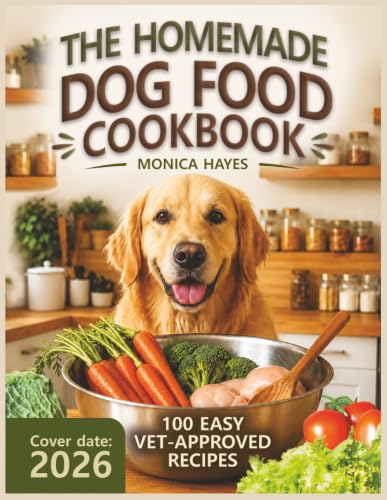
| Homemade Dog Food Cookbook: 100 Easy Recipes | Owners wanting full ingredient control under vet guidance | Customizable, requires nutrient balancing | Recipe guide/book | $ |
Neither the wet food nor the kibble option is objectively “better” senior dog food in isolation. The right choice depends on your dog’s BCS, dental health, and bloodwork, which is exactly why the decision framework above should come before the shopping cart. For owners who want more control over exact ingredients, particularly when managing a dog with food sensitivities or early kidney concerns under veterinary supervision, the Homemade Dog Food Cookbook: 100 Easy Recipes offers a structured starting point, though any homemade protocol for a dog with diagnosed disease should be reviewed by a veterinary nutritionist to confirm it meets complete and balanced standards.
Grain-Free Kibble as a High-Protein Senior Dog Food Alternative
For dogs who test well on bloodwork, maintain a healthy body condition score, and simply need a calorie-appropriate maintenance diet with strong protein density to protect lean muscle, a grain-free kibble formulated for adult maintenance can function effectively as a senior dog food substitute, provided the fat and calorie content match your dog’s activity level. Wellness CORE Adult Dry Dog Food, Grain Free Kibble is one example of a formula that leans into higher protein percentages rather than the reflexive protein reduction many owners assume is standard for aging dogs.

- GRAIN-FREE ADULT DRY DOG FOOD: Premium protein from responsibly sourced lamb is expertly balanced with nutrient rich sup…
- LEANER BODY MASS AND MUSCLE TONE: Based on the nutritional philosophy that dogs thrive on a natural diet mainly comprise…
- SUPPORTS HEALTHY COAT & HEART: Guaranteed levels of omega fatty acids from ingredients such as flaxseed and salmon oil s…
If you’re choosing between two premium adult maintenance formulas from different brands and can’t decide based on marketing alone, the same label-reading protocol applies as with any senior dog food comparison: check guaranteed analysis, check the first five ingredients, and check whether the formula was developed with veterinary nutritionist input or purely by a marketing team. This is the same brand-versus-brand analytical approach we use when comparing lines like IAMS Healthy Aging and Proactive Health formulas, where ingredient philosophy differs more than the packaging suggests.
The 60-Day Observational Diet Trial Protocol
Before committing to any new senior dog food long-term, I recommend owners run a structured 60-day trial with objective measurements rather than a subjective “he seems fine” assessment. Subjective impressions are notoriously unreliable for detecting gradual muscle loss or subtle GI changes.
- Week 0 baseline: Record body weight on a consistent scale, assign a BCS score, and photograph your dog standing squarely from the side and from above.
- Epaxial muscle palpation: Run your fingers along the muscle mass beside the spine (the epaxial muscles) weekly. A gradual increase in bone prominence along the spine indicates muscle loss, even if total body weight stays stable, because fat can mask muscle wasting on a scale.
- Stool quality log: Track stool consistency using a simple 1-7 scale (similar to the Bristol scale used in human medicine) twice weekly. New formulas that cause persistent soft stool past the two-week transition window are not being well tolerated regardless of their ingredient quality.
- Day 30 and Day 60 check-ins: Repeat weight, BCS, and photographs. Bring this data to your veterinarian rather than relying on memory or general impressions.
This kind of structured tracking gives you and your vet actual data to work from, rather than a gut feeling six months later that “something changed” without being able to pinpoint when or why.
Is Senior Dog Food Worth It?
Senior dog food is worth it when the specific formula matches your dog’s documented needs: confirmed muscle loss, diagnosed joint disease, obesity risk, or kidney values that call for a therapeutic approach. Senior dog food is not automatically worth it just because your dog turned a certain age, and it can occasionally work against a dog’s interests if the formula reduces protein below the threshold needed to preserve lean muscle. The word on the bag is a starting point for investigation, not a conclusion. Combine label literacy with objective body condition tracking and periodic bloodwork, and you’ll make a better feeding decision than any age-based rule of thumb could offer on its own.
Frequently Asked Questions
At what age should I switch my dog to senior dog food?
There’s no universal age cutoff because life expectancy varies dramatically by breed size. Large and giant breeds may show geriatric changes as early as five to six years old, while small breeds often don’t need adjustments until nine or ten. Rather than switching by birthday, base the decision on body condition score, bloodwork results, and visible changes in muscle mass or mobility.
Does senior dog food really have less protein than adult food?
Sometimes, but not consistently across brands. Because AAFCO does not regulate a separate senior life stage, manufacturers set their own protein levels for senior formulas. Some reduce protein, while others increase it specifically to counteract age-related muscle loss (sarcopenia). Always compare the guaranteed analysis panel directly rather than assuming based on the word “senior.”
Can senior dog food help with joint pain and arthritis?
Some senior dog food formulas include added glucosamine, chondroitin, and omega-3 fatty acids that support joint health, but food alone rarely resolves diagnosed osteoarthritis. Diet should be treated as one piece of a broader mobility management plan that may include vet-prescribed joint supplements, weight management, and physical therapy.
Should I switch to a prescription diet instead of over-the-counter senior dog food?
If bloodwork confirms a specific condition such as chronic kidney disease, a vet-prescribed therapeutic diet is formulated to meet precise phosphorus and protein targets that over-the-counter senior dog food is not designed to achieve. For a healthy senior dog without diagnosed disease, a quality over-the-counter formula matched to their body condition score is typically sufficient.