If you’ve got a senior dog food situation where your old pup is begging for food constantly but somehow melting away right in front of you, please hear me: that is not normal aging. That’s a body telling you something is wrong, and it deserves a real answer, not just a bigger bag of kibble. I’ve watched this exact pattern play out more times than I can count at the sanctuary, and it always starts the same way. “She’s just hungrier in her old age,” someone says. Six weeks later, you can count ribs through a winter coat.
Let’s talk about why this happens, what it actually means, and which foods can genuinely support a senior dog who’s eating like a teenager but shrinking like a shadow. This isn’t marketing fluff. It’s what I’ve learned hands-on, feeding thin, anxious, aging bodies who needed more than a pretty bag on a shelf.
Why Some Senior Dogs Eat Constantly Yet Keep Losing Weight
Here’s the hard truth: an increase in appetite paired with weight loss is one of the classic red flags in veterinary medicine. It’s not quirky. It’s not “just old age.” According to the American Animal Hospital Association’s senior care guidelines, unexplained weight loss combined with a ravenous appetite should always prompt bloodwork, not just a food swap.
A few of the usual suspects I’ve seen come through bloodwork at the sanctuary:
- Diabetes mellitus: The body can’t use glucose properly, so cells stay “hungry” even while blood sugar is high. Dogs eat more, drink more, and still lose weight.
- Kidney disease: Failing kidneys mess with how the body processes nutrients and can cause nausea that oddly still leaves some dogs ravenous between meals.
- Cancer cachexia: Tumors can hijack the body’s metabolism, burning through muscle and fat even when caloric intake is high. This is one of the most heartbreaking and least talked about causes.
- Malabsorption or pancreatic insufficiency: The food goes in, but the nutrients don’t get absorbed properly, so the dog is essentially starving while eating full meals.
I’ve held dogs at 3am who were thinner than they should be despite finishing every bowl I put down. It’s a gut punch every single time. You feel like you’re failing them, but the truth is, their body is fighting something bigger than a food bowl can fix alone.
So before we talk about the best senior dog food options, I need you to promise me one thing: this list is a support tool, not a substitute for a vet visit. Okay? Okay. Let’s keep going.
What to Look For in a Senior Dog Food Label When Weight Loss Is the Problem
Once your vet has ruled out or is actively managing an underlying condition, the right senior dog food can make a real difference in helping your dog hold onto muscle and body condition. Here’s what actually matters on that label, not the pretty pictures on the front.
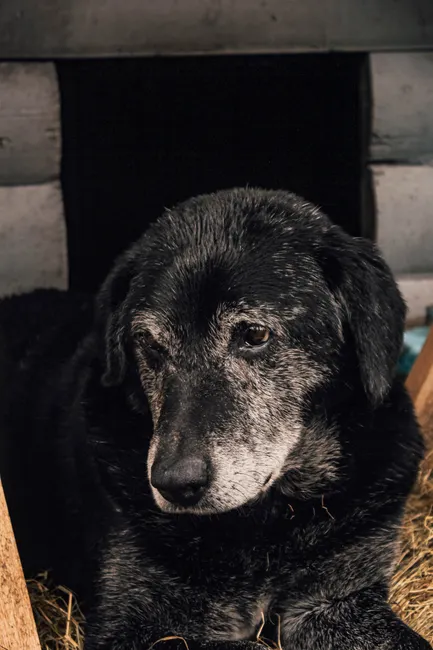
- Higher calorie density: A thin senior burning more than she takes in needs more calories per cup, not just more volume of food.
- Easily digestible protein: AAFCO senior nutrient profiles generally suggest protein in the 28 to 32 percent range (dry matter basis) for active seniors who need to preserve lean muscle without overtaxing compromised organs.
- Added healthy fats: Fat is calorie-dense and can help with weight loss in dogs who need to gain, but it has to be balanced carefully if pancreatitis or GI sensitivity is part of the picture.
- Low fillers, real named proteins: Look for chicken, salmon, or beef listed first, not “meat by-product meal” as a mystery ingredient.
If you’re also managing joint pain alongside weight concerns, which is incredibly common in thin, aging bodies with less cushioning over their bones, it’s worth pairing nutrition with something like the guidance in our 8 Best Vet-Recommended Dog Joint Supplements for Arthritis. A body that’s losing weight often loses muscle mass around the joints too, and that combination is rough on old bones.
The 6 Vet-Informed Food Picks for Hungry, Underweight Seniors
These aren’t ranked by hype. They’re organized by the specific need I’ve seen most often in sanctuary dogs who were eating constantly but wasting away.
1. High-Calorie Everyday Support
For a senior with no diagnosed organ disease but who simply needs more fuel, a calorie-dense, easily digestible kibble is often the first thing I reach for. Hill’s Science Diet Adult 7+ Dry Dog Food has been a staple in more senior feeding programs than almost anything else I’ve used, largely because it’s formulated specifically with aging metabolism in mind. It’s not flashy. It’s dependable, and dependable matters a lot when you’re trying to reverse a downward weight trend.

- Healthy heart, kidneys, and bladder supported by antioxidants and balanced minerals
- Lean muscles supported with high-quality protein
- Made with natural ingredients
2. For Dogs Who Are Losing Interest Between Bites (GI-Sensitive Support)
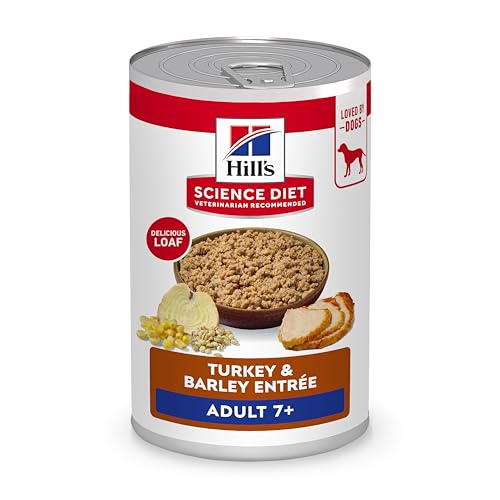
Some of my thinnest sanctuary dogs weren’t actually refusing food, they were struggling to digest and absorb what they ate. In those cases, a wet food with a softer texture and simpler ingredient list can help. Hill’s Science Diet Adult 7+ Wet Dog Food has a texture that’s gentler on aging digestive systems, and I’ve found it easier to mix with warm water or low-sodium broth for dogs who need extra encouragement to finish a meal.
3. Kidney-Friendly Option (Vet Consultation Required)
If bloodwork comes back showing elevated kidney values, your vet may recommend a prescription renal diet with controlled phosphorus and moderate protein. This is genuinely not a category where I’ll recommend a specific over-the-counter product, because kidney diets need to be tailored to bloodwork numbers and disease stage. Please don’t guess here. This is one area where the wrong food can actually accelerate decline.
4. Natural, Farm-Raised Protein for Muscle Preservation
For seniors who need quality protein to rebuild and hold onto muscle without a laundry list of synthetic additives, NUTRO NATURAL CHOICE Adult Dry Dog Food uses farm-raised chicken as a primary ingredient and skips artificial flavors and preservatives. I like this one for dogs who tolerate a slightly richer protein source well and need that muscle-preserving support without extra fillers weighing down the bowl.

- Supports Whole-Body Health: NUTRO NATURAL CHOICE Adult Dry Dog Food is made with essential nutrients and antioxidants to…
- Made With Real Lamb: Real lamb is the #1 ingredient in this protein-rich recipe
- Supports Healthy Skin & Coat: Made with high-quality protein, this delicious dry dog food also contains Omega 3 & 6 fatt…
5. Cancer-Support Diet (Prescription, Vet-Guided)
Cancer cachexia is brutal, and it’s one of the reasons “just feed her more” doesn’t work the way you’d hope. Prescription therapeutic diets designed for cancer support typically shift the calorie source toward fats rather than simple carbohydrates, since some tumors preferentially use glucose for fuel. This is squarely a conversation for your oncology-informed vet team, not something to DIY off an Amazon search.
6. GI-Sensitive, Low-Residue Formula for Malabsorption
When nutrients aren’t being absorbed properly, a highly digestible, low-residue prescription formula (often paired with pancreatic enzyme supplements if pancreatic insufficiency is confirmed) tends to outperform standard senior foods. Again, this needs bloodwork and often a fecal elastase test to diagnose properly before you commit to a specific formula.

Senior Dog Food Comparison for Weight Support
| Product | Best For | Protein Source | Texture | Price Tier |
|---|---|---|---|---|
| Hill’s Science Diet Adult 7+ Dry | General senior weight maintenance | Chicken meal | Dry kibble | $$$ |
| Hill’s Science Diet Adult 7+ Wet | Dogs needing softer, more digestible texture | Chicken | Canned/wet | $$$ |
| NUTRO NATURAL CHOICE Adult Dry | Muscle preservation, natural ingredients | Farm-raised chicken | Dry kibble | $$ |
| Prescription Renal Diet (vet-dispensed) | Confirmed kidney disease | Controlled protein, low phosphorus | Varies | $$$$ |
| Prescription Cancer-Support Diet (vet-dispensed) | Cachexia from cancer | High fat, moderate protein | Varies | $$$$$ |
| Low-Residue GI Formula (vet-dispensed) | Malabsorption, pancreatic issues | Highly digestible, limited fiber | Varies | $$$$ |
Food Alone Won’t Fix Unexplained Weight Loss, and I Need You to Hear That
I know how tempting it is to think “if I just find the right senior dog food, this will turn around.” I’ve thought it too. But a 2021 study published in the Journal of Veterinary Internal Medicine found that unintentional weight loss in senior dogs was linked to an underlying disease process in more than 60 percent of cases studied. That’s not a small statistic. That’s a message.
Increased appetite in dogs paired with weight loss is your dog’s body waving a flag. Please don’t wait it out. A basic senior wellness panel (bloodwork, urinalysis, sometimes imaging) can catch diabetes, kidney disease, or early cancer while there’s still time to intervene meaningfully. According to the American Veterinary Medical Association, senior dogs should be seen twice yearly precisely because so many conditions progress silently until they don’t.
This is a sacred trust we take on when we bring these old souls into our homes. Honestly, who thinks it’s fine to just wait and see when a dog is visibly wasting away? Not you, clearly, since you’re here reading this. That matters.
Practical Feeding Strategies for Hungry, Thin Seniors
While you’re waiting on vet appointments or working through a diagnosis, here’s what’s actually helped in real life at the sanctuary:
- Smaller, more frequent meals: Four small meals often sit better than two large ones, especially with nausea-prone conditions like kidney disease.
- Warm the food slightly: Releasing aroma through gentle warming (never hot) can genuinely increase interest in dogs who are eating but seem to be “going through the motions.”
- Weigh weekly, same scale, same time of day: Trends matter more than single numbers. A home scale or asking your vet’s office if you can pop in for a quick weigh-in between appointments keeps you ahead of the curve.
- Keep a simple food and weight journal: Note appetite level, stool quality, and weight side by side. Patterns jump out fast this way.
- Consider natural supplement support: Some pet parents ask about supplement routes alongside food changes. Our piece on Natural vs Synthetic Dog Supplements: What Really Works breaks down what actually has evidence behind it versus what’s just marketing.
A high calorie dog food approach only works if the underlying reason your dog is burning through calories gets addressed too. Food supports the body. It doesn’t replace medicine when medicine is what’s needed.
Frequently Asked Questions
Why is my senior dog always hungry but still losing weight?
This combination often points to an underlying medical condition like diabetes, kidney disease, cancer, or a malabsorption disorder. The body isn’t using or absorbing calories properly, so hunger increases while weight drops. A vet visit with bloodwork is the right next step before changing diet alone.
What is the best senior dog food for a dog that needs to gain weight?
Look for a senior dog food with higher calorie density, easily digestible named protein sources, and added healthy fats. Options formulated specifically for aging bodies, combined with vet guidance on any underlying condition, tend to work best for reversing unwanted weight loss.
How much protein should a senior dog have if they are losing weight?
AAFCO senior nutrient profiles generally suggest a protein range around 28 to 32 percent (dry matter basis) for active seniors without kidney disease. Dogs with confirmed kidney issues often need a different, more controlled protein level under direct veterinary supervision.
When should I take my senior dog to the vet for weight loss?
Any unexplained weight loss in a senior dog, especially alongside an increased appetite, warrants a vet visit right away rather than waiting to see if it resolves on its own. Research has linked this pattern to underlying disease in the majority of cases studied, so early bloodwork can catch treatable conditions sooner.
Watching an old dog eat like they’re starving while their body shrinks is one of the harder things about loving a senior pup. But you showed up here, asking the right questions, and that’s exactly the kind of quiet, intentional care that changes outcomes. Get the bloodwork. Choose the food with intention. And keep showing up for those weekly weigh-ins, even when they’re hard.
Tell your pup I said Hi! — Dawn