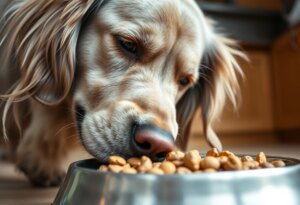


Senior dog food for weight gain is not about piling on fat. It’s about reversing a specific physiological process called sarcopenia, the progressive loss of lean muscle mass that accelerates once a dog crosses into geriatric status. If your older dog is losing weight, looking bony along the spine, or struggling to rise from the floor despite eating normally, the food bowl is usually the first place to intervene, but the fix requires more precision than “feed more.”
I want to be clear about something upfront: this article is not a substitute for veterinary diagnostics. Unexplained weight loss in a senior dog always warrants bloodwork before you change diets, because conditions like kidney disease, cancer, and hyperthyroidism can mimic simple caloric insufficiency. Once your vet has ruled out or is actively managing an underlying disease, the nutritional strategies below become the correct next behavioral and physiological intervention.
The Physiology of Sarcopenia: Why Old Dogs Lose Muscle Even When Eating
Sarcopenia is distinct from simple starvation. It is an age-related, progressive decline in skeletal muscle mass and function that occurs even in dogs consuming what looks like an adequate diet. The World Small Animal Veterinary Association (WSAVA) Global Nutrition Committee has documented that dogs over roughly 7 years old can lose up to 1% of their total muscle mass annually if protein intake is not deliberately increased to compensate. That figure compounds. A dog that loses 1% of lean mass every year for six years is not looking at a minor cosmetic change, it’s looking at measurable functional decline: weaker hind end drive, slower rise times, reduced thermoregulation, and a higher fall risk.
The biological driver here is something researchers call “anabolic resistance.” Aging muscle tissue becomes less responsive to the same dietary protein signal that would have triggered muscle protein synthesis in a younger dog. Put simply, an 11-year-old Labrador needs more protein per pound of body weight than she did at age 4, not less, just to maintain the muscle she already has. This is precisely why senior dog food for weight gain needs to be evaluated on protein quality and density, not just total calorie count on the label.
This is also where owners get tripped up behaviorally. A dog that is reluctant to eat, or that eats slowly and leaves food, is often communicating discomfort (dental pain, nausea, reflux) rather than simple disinterest. Before assuming a dog “just isn’t hungry anymore,” rule out oral and GI pain as the antecedent cause of reduced intake.
Muscle Wasting vs. Healthy Fat Gain: They Are Not the Same Biological Event
One of the most persistent misconceptions I encounter is the assumption that any weight gain is good weight gain. It is not. A dog can gain pounds on the scale while simultaneously losing muscle, a condition sometimes called “sarcopenic obesity.” The scale number goes up, the owner feels reassured, and the dog is functionally weaker than before because the gained tissue is fat, not contractile muscle.
A 2018 study published in the Journal of Veterinary Internal Medicine found that geriatric dogs fed diets with metabolizable energy protein content above 28% showed measurably better preservation of lean body mass compared to dogs on standard-protein maintenance diets, even when total caloric intake was similar between groups. The mechanism is straightforward: adequate essential amino acid availability, particularly leucine, signals the muscle protein synthesis pathway (mTOR) to activate. Without that signal, extra calories from fat or carbohydrate get stored as adipose tissue instead of being used to rebuild muscle fiber.

This distinction matters clinically. When you are evaluating a food, don’t just ask “is this calorie-dense.” Ask “is this calorie-dense and protein-forward.” The two are not interchangeable, and a diet heavy in fat calories without matching amino acid density will produce the sarcopenic obesity pattern rather than reversing it.
Comparing 5 Senior Dog Foods for Weight Gain and Muscle Preservation
Below is a comparative breakdown of five products relevant to reversing muscle loss and supporting healthy weight gain in aging dogs. I evaluated each on protein-to-calorie ratio, fat content, and the presence of L-carnitine or omega-3 fatty acids, both of which play a role in muscle metabolism and mitochondrial efficiency in older dogs.
| Product | Protein Density | Fat Content | L-Carnitine / Omega-3 | Best For | Price Tier |
|---|---|---|---|---|---|
| Bully Max Muscle Builder Power Tabs | High-potency protein supplement, added to base diet | Low (supplement form) | Yes, added amino acid blend | Dogs needing a targeted protein boost alongside regular meals | $$ |
| Purina Pro Plan AdvantEDGE Senior Support Formula | Moderate-high, formulated for aging metabolism | Moderate | Yes, omega-3 fatty acids included | Owners wanting an accessible, vet-recommended maintenance option | $$ |
| Portland Pet Food Company Human-Grade Wet Formula | High, whole-food protein sources | Moderate to high, calorie-dense | Naturally occurring omega-3s from whole ingredients | Dogs with reduced appetite needing palatable, calorie-dense meals | $$$ |
| High-Protein Recovery/Performance-Style Kibble | Very high (28%+ ME protein) | High | Often includes both | Dogs cleared by a vet for aggressive muscle rebuilding | $$$ |
| Prescription Renal or Senior Recovery Diet (vet-dispensed) | Tailored to organ function, variable protein | Variable, condition-specific | Often fortified | Dogs with concurrent kidney or organ disease | $$$$ |
Notice that the highest protein density options are not automatically the correct default choice. A dog with undiagnosed kidney disease can be harmed by an aggressive high-protein recovery diet, which is exactly why bloodwork precedes any of these choices. This is also a good moment to revisit where your dog actually falls on a senior dog age chart by breed, since large and giant breeds enter the sarcopenia-prone window years earlier than small breeds, and their nutritional plan should reflect that timeline rather than a generic birthday cutoff.
Targeted Protein Supplementation: Where Products Like Bully Max Fit In
For dogs already eating a complete and balanced senior diet but still losing visible muscle mass, a targeted amino acid supplement can close the gap without requiring a full diet overhaul. Bully Max Muscle Builder Power Tabs function as an add-on protein and amino acid source rather than a replacement diet, which makes them a reasonable option for owners whose vet has confirmed the dog needs more anabolic signal without more total food volume (relevant for dogs with reduced appetite or early kidney concern where portion control still matters).

- Comprehensive Daily Support for Dogs – This bundle combines Bully Max Power Tabs and Bully Max Weight Gainer Liquid to h…
- High-Calorie Nutrient Boost for Optimal Feeding – Bully Max Weight Gainer Liquid delivers 150 calories per ounce, source…
- Convenient Multivitamin and Muscle Support – Bully Max Power Tabs supply a blend of essential vitamins, minerals, and ke…
“Don’t count on a single ‘senior formula’ bag to work miracles. The label term ‘senior’ describes a life stage marketing category, not a guaranteed nutrient profile. Two bags both labeled senior can differ by ten percentage points in protein content. Read the guaranteed analysis, not the marketing copy on the front of the bag.”
Objective Tracking: Body Condition Score and Muscle Condition Score, Not Guesswork
Visual assessment alone is an unreliable tool for tracking progress, and I say that as someone who spends a great deal of time teaching owners to observe behavior objectively rather than through the lens of hope or worry. The WSAVA publishes a standardized 9-point Muscle Condition Score (MCS) chart alongside the more familiar Body Condition Score (BCS) scale, and the two measure fundamentally different things. BCS estimates fat coverage. MCS estimates muscle mass specifically along the spine, shoulder blades, and hips. A dog can score in the ideal range on BCS while scoring severely wasted on MCS, which is exactly the sarcopenic obesity pattern described earlier.
Here is the protocol I recommend to clients:
- Palpate biweekly, same time of day. Run flat hands along the spine, shoulder blades, and pelvic bones. Score using the WSAVA 9-point MCS chart (1 = severe muscle wasting, 9 = normal muscle mass), not a subjective “looks thinner to me” judgment.
- Photograph from three fixed angles (overhead, side, rear) under consistent lighting every two weeks. Memory is a poor data log; photos are not.
- Log weight on the same scale weekly. Small clinic-grade fluctuations are normal; a downward trend across three consecutive weigh-ins is the actionable signal, not a single low reading.
- Track appetite and eating speed as a behavioral proxy for comfort. A sudden slowdown often precedes visible weight loss by several weeks and should prompt a vet check, not just a food change.
- Reassess the feeding plan every 30 days with your veterinarian, adjusting calorie density based on MCS trend, not BCS alone.
This structured approach removes the guesswork that leads owners to either overreact to normal daily weight fluctuation or underreact to a genuine downward trend. If your dog’s MCS is declining despite what looks like adequate food intake, that’s the threshold for reevaluating pain, mobility, or arthritis as a hidden driver, since chronic pain elevates cortisol and can independently suppress appetite and promote catabolism. If joint pain is part of the clinical picture, it’s worth discussing whether arthritis injections like Librela are appropriate, since improved mobility often correlates with improved voluntary activity and appetite.

When “Senior Formula” Doesn’t Mean What Owners Assume
Here is a misconception I correct constantly: owners assume “senior formula” is a regulated, standardized category that automatically means lower-calorie and lower-protein. It is not. The Association of American Feed Control Officials (AAFCO) does not enforce a strict nutrient profile specifically for the word “senior” on packaging the way it does for “puppy” or “adult maintenance.” A manufacturer can label a food “senior” while formulating it anywhere from lean-maintenance to genuinely calorie-dense, depending on their target customer. This means two bags sitting next to each other on a shelf, both marketed at aging dogs, can have meaningfully different implications for a dog experiencing muscle loss.
For dogs with reduced appetite who need calorie density in a smaller volume, a whole-food, high-palatability option like Portland Pet Food Company Human-Grade Wet Food can serve as either a full meal replacement or a calorie-dense topper mixed into existing kibble, which is a common strategy for dogs whose intake has dropped due to dental discomfort or reduced smell sensitivity.
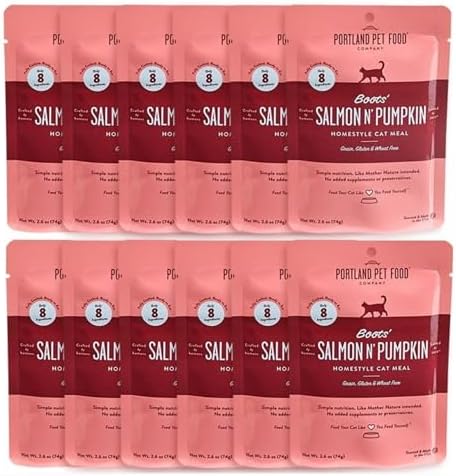
- EXCLUSIVELY REAL INGREDIENTS: All-natural, fully cooked homestyle cat food meal pouches are crafted with premium, fresh …
- HIGH-PROTEIN, GRAIN-FREE: Minimum 13% crude protein. Our cat food is protein-rich with simple ingredients for easier dig…
- ALL-NATURAL, AMERICAN-MADE CAT FOOD: Fully cooked, ready to eat. We serve up gluten-free, grain-free, wheat-free cat foo…
Transitioning to a genuinely higher-calorie recovery or performance-style diet is medically and behaviorally appropriate under specific conditions: confirmed unintentional weight loss over multiple weigh-ins, a declining MCS trend despite adequate current intake, or a veterinary diagnosis of cachexia secondary to a chronic illness. It is not appropriate as a default response to normal age-related metabolic slowing, since indiscriminately increasing calories in a dog that is simply less active can produce the sarcopenic obesity pattern rather than resolve it. The antecedent step, every time, is a veterinary consultation and bloodwork, not a switch made independently based on bag marketing.
Building a Practical Weight Gain Feeding Plan
Once your vet confirms a dog is a candidate for a higher-calorie, higher-protein approach, I recommend structuring the transition the same way I’d structure any behavior change protocol: gradually, with measurable checkpoints. Mix the new food in increasing ratios over seven to ten days to avoid GI upset. Feed smaller, more frequent meals (three to four times daily) rather than two large ones, since aging digestive systems often process smaller volumes more efficiently. And continue the biweekly MCS palpation throughout the transition, because the goal is not a heavier dog on the scale, it’s a dog with measurably improved muscle mass and functional strength.
Options like the Purina Pro Plan AdvantEDGE Senior Support Formula can serve as a reasonable middle-ground base diet for owners who want an accessible, widely available product formulated with aging metabolism in mind, particularly for dogs that don’t yet need an aggressive recovery-style diet but do need more consistent protein and omega-3 support than a standard maintenance formula provides.

- Purina Pro Plan Dry Cat Food: Purina Pro Plan AdvantEDGE Senior Support Plus delivers Pro Plan’s most advanced nutrition…
- Highly Digestible: Dry cat food for senior cats features a highly digestible formula with probiotics to support digestiv…
- Senior Support: This high protein dry cat food supports immune health with a formula that also supports healthy senior y…
Key takeaways:
- Senior dog food for weight gain must prioritize protein density above 28% ME, not just total calories, to counteract anabolic resistance.
- Muscle wasting and fat gain are biologically distinct; track both BCS and MCS, not weight alone.
- The label “senior” is not a regulated guarantee of calorie or protein content, always check the guaranteed analysis panel.
- Any transition to a higher-calorie recovery diet should follow veterinary bloodwork, not independent owner judgment.
Reversing muscle loss in an aging dog is achievable, but it requires treating senior dog food for weight gain as a precise physiological intervention rather than a simple volume increase. Pair the right protein-forward diet with objective MCS tracking and consistent veterinary oversight, and most dogs show measurable improvement in muscle tone and mobility within eight to twelve weeks. If mobility decline has progressed alongside the weight loss, it may also be worth reviewing a quality of life scale for dogs to keep the full clinical picture, not just the scale number, in view.
Why is my senior dog losing muscle even though he’s eating normally?
This is typically anabolic resistance, a physiological change in which aging muscle tissue requires more dietary protein than it used to in order to trigger the same amount of muscle protein synthesis. A dog eating the same volume of a standard maintenance diet may simply not be getting enough usable protein to offset natural muscle loss, which is why a senior dog food for weight gain plan usually requires increasing protein density, not just food volume. Unexplained weight loss should always be evaluated by a veterinarian first to rule out underlying illness.
Is a high-calorie diet always the right choice for an underweight senior dog?
Not automatically. A high-calorie diet without adequate protein density can lead to fat gain rather than muscle rebuilding, producing a dog that weighs more on the scale but is not functionally stronger. The most effective senior dog food for weight gain pairs increased calorie density with protein content above roughly 28% metabolizable energy, and the decision to switch should follow veterinary bloodwork to rule out kidney or organ conditions that would make aggressive protein loading inappropriate.
How often should I check my dog’s muscle condition score?
I recommend palpating along the spine, shoulder blades, and hips every two weeks using the WSAVA 9-point Muscle Condition Score chart, paired with photographs taken from the same angles for visual comparison over time. Biweekly tracking allows you to catch a declining trend early, well before the change becomes obvious to the naked eye, which gives you and your veterinarian more time to adjust the diet before significant muscle mass is lost.
Are supplements like L-carnitine or added amino acid tablets actually necessary?
They can be useful as an add-on for dogs already eating a complete and balanced diet but still showing measurable muscle loss, since L-carnitine supports mitochondrial fat metabolism and additional amino acids can supply the leucine needed to trigger muscle protein synthesis. They are not a replacement for a properly formulated senior dog food for weight gain, and should be introduced gradually under veterinary guidance, particularly in dogs with any kidney function concerns.