

Why don’t vets Blue Buffalo the way marketing wants us to believe? It’s a fair question, and if you’ve got a graying muzzle snoring on the couch behind you right now, it’s one worth sitting with instead of scrolling past. I’ve fed a lot of old dogs over the years at the sanctuary, and I’ve learned that the food aisle is full of pretty bags making big promises. Some of those promises hold up. Some don’t. Let’s talk honestly about what’s actually behind the vet skepticism, because your senior dog’s gut, joints, and heart deserve more than a marketing slogan.
This isn’t about scaring you off a brand. It’s about giving you the real story so you can make a grounded decision for the specific old dog in front of you. Every senior dog is different. The one sleeping by your feet has her own history, her own bloodwork, her own quirks. That matters more than any bag on a shelf.
The Question Every Senior Dog Parent Ends Up Googling
If you’ve spent any time in a vet’s waiting room with an aging dog, you’ve probably heard a quiet sigh when you mention certain brands. It’s not always said out loud, but the hesitation is there. Vets Blue Buffalo conversations tend to come up more with senior dogs than with younger, healthier ones, and that’s not a coincidence. Older bodies have less margin for error. A young dog with a tough gut might shrug off an inconsistent recipe. A fourteen-year-old with early kidney changes or a wobbly heart valve does not have that luxury.
So when people ask me why vets Blue Buffalo skepticism exists, I tell them the truth: it’s rarely about one single ingredient. It’s about a pattern of concerns that adds up, especially once a dog crosses into their senior years and the body stops forgiving small mistakes.
The History That Still Shadows the Brand
You can’t talk about this honestly without going back to 2007. That was the year of one of the largest pet food recalls in American history, when melamine-contaminated wheat gluten from a single supplier ended up in more than 100 brands, according to the FDA’s official recall records. Blue Buffalo was among the companies swept up in that disaster. Dogs got sick. Some died. Pet parents who trusted a bag of kibble were blindsided.
Then came 2015, and this one stings differently because it wasn’t a supply chain accident. Blue Buffalo faced a lawsuit alleging that despite heavy “no by-products” marketing, testing found poultry by-product meal in some of their formulas anyway. Honestly, who thinks like that? You build an entire brand identity on being the food that respects your dog’s needs, and then the fine print doesn’t match the label? That kind of gap between promise and practice is exactly why trust with vets never fully recovered. Trust is a sacred thing when it comes to feeding a creature who can’t read a label themselves.
A dog’s food bowl is an act of trust repeated twice a day, every day, for their whole life. When that trust gets broken once, it’s fair to ask hard questions before handing it back so easily.
Why Formulation Concerns Hit Different for Senior Dogs
This is where it gets specific, and specific is what actually matters when you’re standing in the pet food aisle with an old dog waiting in the car.

Several vets have raised concerns about Blue Buffalo’s reliance on higher plant-protein ratios in some formulas, using peas, lentils, and potato proteins to boost the guaranteed analysis numbers on the bag. That can look impressive on paper. But plant protein isn’t always as bioavailable or as amino-acid complete for dogs as quality animal protein, and senior dogs, especially those losing muscle mass (a very real and common issue we see constantly at the sanctuary), need protein their aging bodies can actually use efficiently.
Then there’s the grain-free issue. Between 2018 and 2019, the FDA opened an investigation into a possible link between grain-free, legume-heavy diets and canine dilated cardiomyopathy (DCM), a serious heart condition. Many Blue Buffalo grain-free lines fell into the exact category flagged in that investigation: heavy on peas and lentils, light on grains. That investigation is still not fully closed with a single definitive answer, but for senior dogs who may already have subclinical heart changes that haven’t shown up on an exam yet, this is not a risk to shrug off.
Calorie density is the quieter concern, but it matters just as much day to day. Aging metabolisms slow down. A formula built with a younger, more active dog’s calorie needs in mind can quietly pack weight onto a senior dog who’s moving less, which then stresses arthritic joints even further. It becomes a slow, sneaky cycle. Less movement, more weight, more joint pain, even less movement.
A Vet-Backed Framework for Judging Any Senior Dog Food
I’m not here to tell you every bag with a blue paw print on it is dangerous. That’s not fair or accurate either. What I want to give you is a way to evaluate any senior dog food, so you’re not just trusting a logo.
- Look for WSAVA-aligned formulation practices. The World Small Animal Veterinary Association guidelines push for companies that employ full-time, board-certified veterinary nutritionists, own their manufacturing facilities, and conduct feeding trials, not just lab-based nutrient calculations.
- Check the AAFCO life-stage statement carefully. A food labeled “for senior dogs” isn’t a legally regulated claim the way “adult maintenance” is. Read the actual nutritional adequacy statement on the back panel, not just the front marketing.
- Ask who formulated it. A board-certified veterinary nutritionist (look for the DACVN credential) involved in the recipe is a meaningfully different standard than a food scientist alone.
- Consider calorie density against your dog’s actual activity level, not their breed’s reputation for activity.
If you’re doing homework on specific senior lines, our own breakdown in Blue Buffalo Senior Dog Food Reviews: Worth Buying? walks through their senior-specific formulas in more depth, strengths and weak spots included. And if you want a side-by-side look at how a competing brand approaches aging dog nutrition, IAMS Healthy Aging Dog Food Ingredients: What to Look For is worth reading before you commit to anything.
Comparing a Few Common Senior-Relevant Options
Here’s a quick side-by-side to give you a sense of how different formulation philosophies stack up. This isn’t an exhaustive list, but it’s a useful starting point for a conversation with your own vet.

| Product | Best For | Protein Source | Grain-Free? | Price Tier |
|---|---|---|---|---|
| Blue Buffalo Natural Veterinary Diet Hydrolyzed Salmon | Dogs with food sensitivities, vet-supervised elimination diets | Hydrolyzed salmon | No | $$$$ |
| NUTRO Natural Choice Adult Dry Dog Food | Seniors needing consistent, farm-raised protein without grain-free legume concerns | Farm-raised chicken | No | $$ |
| Nulo Grain Free Dry Food with BC30 Probiotic | Dogs needing digestive support, though better suited to younger life stages | Meat-first with legumes | Yes | $$$ |
Notice something in that table? The hydrolyzed salmon formula from Blue Buffalo is actually one of their more clinically respected offerings, because it’s a veterinary therapeutic diet meant to be used under a vet’s direction for dogs with allergies or sensitivities, not a typical over-the-counter senior formula. That distinction matters. If your vet has specifically recommended something like the Blue Buffalo Natural Veterinary Diet Hydrolyzed Salmon Dry Dog Food, that’s a very different scenario than picking a grain-free bag off a shelf on your own.
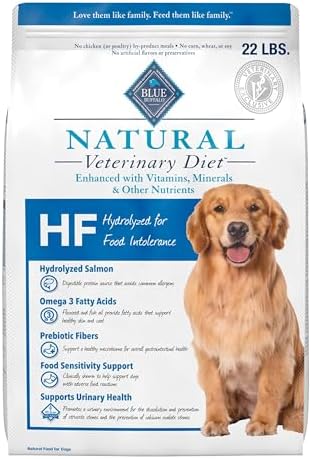
- REAL SALMON FIRST: This Blue Buffalo dry dog food is made with hydrolyzed salmon as the #1 ingredient
- VETERINARY-PRESCRIBED FORMULA: Formulated for dogs with special dietary needs, this dry dog food is packed with nutritio…
- FOOD INTOLERANCE SUPPORT: Prescription dog food formulated with hydrolyzed salmon, a readily digestible protein source, …
What Vets Tend to Prefer for Aging Bodies
In my own experience feeding a houseful of senior and hospice German Shepherds, consistency wins over flashy marketing every time. A lot of vets lean toward brands with a long track record of stable, unchanged formulas and grain-inclusive recipes for seniors specifically because of the DCM concerns I mentioned earlier. The NUTRO Natural Choice Adult Dry Dog Food with farm-raised protein is a good example of that steadier, grain-inclusive approach that a lot of vets feel more comfortable recommending for dogs entering their senior years, especially ones with any cardiac history in their breed line.

- Supports Whole-Body Health: NUTRO NATURAL CHOICE Adult Dry Dog Food is made with essential nutrients and antioxidants to…
- Made With Real Lamb: Real lamb is the #1 ingredient in this protein-rich recipe
- Supports Healthy Skin & Coat: Made with high-quality protein, this delicious dry dog food also contains Omega 3 & 6 fatt…
That said, some dogs genuinely do better on grain-free formulas for unrelated digestive reasons, and this is where things get individual fast. A probiotic-supported grain-free option like Nulo Grain Free Dry Food with BC30 Probiotic can be appropriate for certain dogs with gut sensitivity, though it’s worth noting this particular line is formulated for puppies, not seniors, so it’s a good example of why reading the actual life-stage label matters more than trusting the shelf placement at the store.

- GRAIN-FREE recipe contains no corn; wheat; soy; white potatoes; tapioca; artificial colors, flavorings or preservatives….
Talking to Your Own Vet Before You Switch Anything
Here’s the piece I really want you to sit with: no article, including this one, should replace an actual conversation with the vet who has your dog’s bloodwork in front of them. Vets Blue Buffalo debates online are useful for context, but they mean nothing next to your dog’s actual kidney values, heart health, and body condition score.
Before switching foods, bring these questions to your next appointment:
- Does my dog’s current bloodwork show any early kidney or liver stress that changes their protein needs?
- Is my dog’s body condition score suggesting they need fewer calories, more calories, or a different fat content?
- Does my dog’s breed or personal history put them at higher risk for DCM, and should grain-free be off the table entirely?
- Would a veterinary therapeutic diet, prescription-only, be more appropriate than an over-the-counter senior formula?
And if the cost of specialized senior vet care or bloodwork monitoring feels heavy, it’s worth reading Is Pet Insurance Worth It for an Older Dog? Cost Breakdown before you rule anything out. Good nutrition and good preventative care go hand in hand, and neither should be sacrificed because of sticker shock.
No single brand, Blue Buffalo included, is right for every aging dog walking this earth. That’s not a cop-out answer. It’s the honest one. The dogs in my care range from a 15-year-old with kidney disease to a 9-year-old built like a tank with a bulletproof gut, and I would never feed them the same bag of food. Their needs are as different as their personalities.
Vets Blue Buffalo Skepticism: The Real Takeaway
So where does that leave us? The vets Blue Buffalo hesitation isn’t paranoia and it isn’t a smear campaign. It’s a reasonable, evidence-informed caution built from a real recall history, a real lawsuit, and real formulation patterns that deserve extra scrutiny in senior dogs specifically. That doesn’t mean every Blue Buffalo product is wrong for every dog. It means you owe your old dog a closer look before you fill that bowl.
Feeding an aging dog well is one of the quietest forms of love we get to offer them. It doesn’t come with applause. It just comes with a dog who feels good enough to wag their tail one more evening, and honestly, that’s the whole point.
Frequently Asked Questions
Why don’t vets like Blue Buffalo for senior dogs specifically?
Vets Blue Buffalo concerns for seniors typically center on higher plant-protein ratios, grain-free legume-heavy recipes linked to the FDA’s DCM investigation, and calorie density that may not match a slower senior metabolism. It’s less about one bad ingredient and more about a pattern of formulation choices that carry more risk once a dog’s body has less resilience.
Is grain-free dog food actually dangerous for older dogs?
Grain-free dog food isn’t automatically dangerous, but the FDA’s 2018-2019 investigation flagged a possible association between grain-free, legume-heavy diets and dilated cardiomyopathy in dogs. Senior dogs, who may have undetected heart changes, carry extra risk. Talk to your vet about your dog’s specific cardiac health before choosing a grain-free formula.
Was Blue Buffalo actually involved in a major dog food recall?
Yes. Blue Buffalo was one of over 100 brands caught up in the massive 2007 pet food recall caused by melamine-contaminated wheat gluten from a single supplier. That event, along with a 2015 lawsuit over undisclosed poultry by-product meal, still shapes vet caution around the brand today.
How do I choose the right senior dog food if I don’t trust marketing claims?
Look for brands following WSAVA nutrition guidelines, employ board-certified veterinary nutritionists, and list a clear AAFCO life-stage statement on the label. Then bring your dog’s actual bloodwork and body condition score to your vet before switching, since senior dog food needs vary widely from dog to dog.
I hope this gave you something solid to stand on next time you’re staring down that pet food aisle, wondering what’s really best for your old friend. Trust your gut, trust your vet, and trust the dog who’s watching you from the kitchen floor waiting for dinner. Tell your pup I said Hi! — Dawn