
Senior dog insurance is one of those things you don’t think much about until your old dog’s blood work comes back wrong and suddenly you’re staring down a bill with more zeros than you expected. I’ve sat in enough vet waiting rooms with enough gray-muzzled dogs to tell you this straight: the policy you pick now matters more than the one you picked when your pup was young and bouncing off the walls. So let’s look honestly at three of the bigger names, ASPCA, Pumpkin, and Spot, and figure out which one actually shows up for you when your senior dog needs it most.
Why Insuring an Aging Dog Gets Harder (and Pricier) Every Year
Here’s the part nobody tells you when your puppy is little and healthy: the older your dog gets, the more insurance companies start treating them like a liability instead of a family member. It stings, but it’s the reality of the business model. According to NAPHIA’s 2023 State of the Industry Report, average annual premiums for dogs have climbed to around $686, and that number climbs even higher once your dog crosses into their senior years. Age-based rate hikes are real, and so are the growing lists of exclusions for pre-existing conditions.
I think about this every time a new dog arrives at the sanctuary with a folder of medical history nobody wants to look at closely. Arthritis, kidney values that aren’t quite right, a heart murmur that was “just something to watch.” All of that becomes a wall an insurance company points to and says, we won’t cover that. This is why comparing senior dog insurance options isn’t a box to check off. It’s a decision that shapes whether you can say yes to treatment when your vet calls with hard news.
Costs are already climbing everywhere in the senior dog world, not just insurance. If you’re trying to get a full picture of what an aging dog actually costs month to month, our Golden Retriever cost per month budget guide breaks down real numbers pet parents are dealing with right now, and it’s a good companion read before you commit to any policy.
ASPCA Pet Health Insurance: Coverage Caps, Wellness Add-Ons, and Chronic Conditions
ASPCA Pet Health Insurance has been around long enough that a lot of people trust the name without digging much further, and I get why. But trust shouldn’t stop at brand recognition, especially when you’re choosing pet insurance for old dogs who are already carrying a few diagnoses.
What I’ve found looking at their plans:
- Their base accident and illness plans allow you to choose your own annual coverage limit, which gives some flexibility, but lower limits fill up fast once chronic conditions like arthritis or kidney disease enter the picture.
- Wellness add-ons cover things like dental cleanings and routine bloodwork, which sounds nice, but they’re a separate cost layered on top of your base premium.
- Chronic, ongoing conditions are covered as long as they weren’t diagnosed before you enrolled. Once your dog is already showing signs of arthritis or renal decline, that window has usually closed.
For a dog who’s already deep into their golden years with a stack of vet notes behind them, ASPCA can still work, but you need to enroll before the diagnoses start piling up. Waiting until trouble shows up is, unfortunately, too late for most of what actually costs money later.
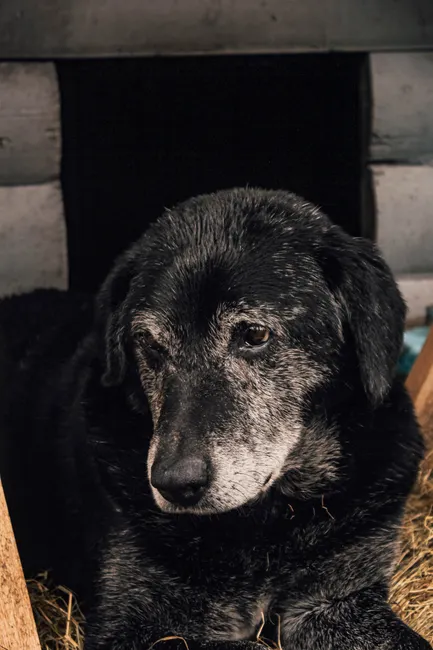
Insurance for an old dog isn’t about hoping nothing happens. It’s about making peace with the fact that something eventually will, and deciding now how you want to be able to respond when it does.
Pumpkin Insurance: Accident-and-Illness Coverage and Real Claims Speed
Pumpkin runs a straightforward accident-and-illness model, and their marketing leans hard into transparency, which I respect. No separate wellness tiers to untangle, just one comprehensive plan with an optional preventive care pack.
A few things stand out when you’re weighing this option for a senior dog:
- Pumpkin doesn’t offer senior-specific riders by breed the way some marketing suggests, but their underwriting does factor in breed-related risk, which affects premiums for large or giant breeds entering their senior years.
- Real claims data reported by policyholders shows reimbursement often lands within two weeks, which matters enormously when you’re fronting a large bill and waiting on repayment to cover the next one.
- Behavioral and cognitive conditions, including some forms of canine cognitive dysfunction, may be covered under the illness portion, but always confirm this directly with an agent before enrolling, because coverage language shifts.
Managing a senior dog’s declining cognition or anxiety sometimes calls for prescribed medications like Fluoxetine Oral Solution, which many vets turn to for anxiety and compulsive behaviors in aging dogs. Whether a plan reimburses for prescriptions like this is a question you should ask outright, not assume.
Honestly, when I’m comparing dog health insurance comparison charts side by side, Pumpkin’s speed of reimbursement is the thing that keeps pulling my attention back. Speed matters when your old dog is sick right now, not in six weeks.
Spot Pet Insurance: Unlimited Coverage and How Deductibles Play Out
Spot Pet Insurance offers something the other two don’t always guarantee: the option for unlimited annual coverage. For a senior dog facing something like cancer, that ceiling (or lack of one) can be the difference between treating aggressively and making impossible choices.
And cancer is not a rare footnote in the senior dog conversation. According to the American Veterinary Medical Association, cancer affects nearly 50% of dogs over the age of 10. That statistic alone should reframe how you think about best insurance for senior dogs, because this isn’t a hypothetical risk you’re insuring against. For a huge number of aging dogs, it’s a near certainty.
Spot’s deductible structure is annual rather than per-condition, which tends to work better for dogs juggling multiple senior issues at once, say, diabetes management alongside early mobility decline. You hit your deductible once per policy year, not once per diagnosis, which adds up to real savings when your old dog’s body is throwing more than one problem at you simultaneously.

Dogs managing seizure disorders, which become more common with age or certain breed predispositions, often need ongoing prescriptions like Phenobarbital Tablets for long-term management. Confirm with any provider whether prescription costs like this fall under their illness coverage or require a separate rider, because policies vary more than the glossy brochures let on.
There is an issue displaying Amazon products. Please contact the administrator to check that.A Sanctuary-Tested Comparison: What Coverage Really Means
I’ve laid out the honest version of each provider above, but sometimes you just need the numbers next to each other. Here’s how ASPCA, Pumpkin, and Spot stack up for aging dogs specifically.
| Provider | Annual Coverage Limit | Pre-Existing Condition Policy | Reimbursement Speed | Best For | Price Tier |
|---|---|---|---|---|---|
| ASPCA Pet Health Insurance | Customizable, capped tiers | Excludes conditions diagnosed pre-enrollment | Moderate (2-4 weeks typical) | Enrolling early, before diagnoses stack up | $$ |
| Pumpkin Insurance | High customizable limits | Excludes pre-existing, transparent policy language | Fast (often under 2 weeks) | Dogs needing quick reimbursement turnaround | $$$ |
| Spot Pet Insurance | Unlimited option available | Excludes pre-existing, annual deductible model | Moderate to Fast | Dogs facing cancer or multiple chronic conditions | $$$$ |
None of these three is a perfect answer for every old dog. The right senior dog insurance choice depends on what your dog is already carrying in their medical history, how much monthly premium your household can absorb, and how quickly you need reimbursement to actually show up in your bank account when the bills hit.
What “Coverage” Really Means Once Your Old Dog’s Body Starts Asking More of You
Here’s the truth nobody puts in the brochure. Coverage isn’t just a percentage reimbursed or a deductible number. It’s whether you can say yes to the MRI your vet recommends without doing mental math first. It’s whether a cancer diagnosis becomes a treatment plan instead of a countdown dictated by your bank account.
I’ve watched families make impossible choices because “coverage” on paper didn’t match what showed up in real life. Ask yourself:
- Does this policy still pay out for chronic conditions once my dog is firmly in their senior years, or does the fine print quietly change once they age past a certain point?
- Am I comfortable with the annual deductible model, or would a per-condition deductible fit my dog’s actual health picture better?
- How fast does reimbursement land, realistically, when I need to pay the clinic upfront?
This is a sacred trust, choosing to walk your dog through their final years with dignity instead of financial panic. Best insurance for senior dogs isn’t the flashiest plan. It’s the one that still says yes when your dog is old, sick, and needs you to show up for them completely.
If you’re weighing the total financial picture of caring for an aging dog, including newer treatment options with real out-of-pocket costs, our guide on Librela cost for dogs and 2026 pricing is worth reading alongside whatever policy you’re considering, since arthritis management is one of the biggest recurring costs in a senior dog’s life.
Key Takeaways
- Enroll early. Senior dog insurance works best when you sign up before chronic conditions get diagnosed, not after.
- ASPCA offers flexible limits but strict pre-existing condition exclusions.
- Pumpkin stands out for faster reimbursement, which matters when bills are urgent.
- Spot offers unlimited coverage options, valuable given how common cancer becomes in dogs over 10.
- Read every policy’s chronic condition language closely. Aging bodies need consistent, not occasional, coverage.
Frequently Asked Questions About Senior Dog Insurance
Is senior dog insurance worth it for a dog already over age 10?
It can be, but expect higher premiums and more exclusions for conditions your dog already shows signs of. Senior dog insurance enrolled at this stage works best for future, unknown issues rather than conditions already diagnosed. Talk to your vet honestly about your dog’s current health picture before choosing a plan.
Which provider covers chronic conditions like arthritis best?
Among the three compared here, coverage for arthritis depends heavily on when your dog was enrolled relative to diagnosis. ASPCA and Pumpkin both cover chronic conditions like arthritis if they weren’t pre-existing at enrollment, while Spot’s unlimited option can help once treatment costs climb over time.
Does senior dog insurance cover cancer treatment?
Most accident and illness plans, including those from ASPCA, Pumpkin, and Spot, cover cancer treatment as long as it wasn’t diagnosed before your policy started. Given that nearly half of dogs over 10 develop some form of cancer, this is one of the most important coverage areas to confirm before enrolling.
How do I choose between these three providers for an aging dog?
Start with your dog’s current medical history, then compare deductible structures, annual limits, and reimbursement speed against your household budget. There’s no single best insurance for senior dogs across every situation, so the right choice depends on what conditions your dog already has and how much financial flexibility you need when claims come in.
Choosing an insurance policy for an old dog is never just paperwork. It’s a quiet act of love, planning ahead so you can show up fully when your dog needs you most. Whatever you decide, do it with your dog’s real, current body in mind, not the puppy they used to be.
Tell your pup I said Hi! — Dawn