
Senior dog shedding sneaks up on you. One day you’re vacuuming once a week, and the next you’re finding tumbleweeds of fur under the couch, on your black jeans, in your coffee (yes, really). If you’ve got an aging Lab or a graying Golden lounging in your living room right now, you already know what I mean. And if you’re trying to figure out which breed needs more grooming muscle as the years pile on, you’re in the right place.
Here’s the short version: both breeds carry double coats, but they age differently. Labs tend to develop a denser, coarser undercoat that mats less but sheds in dense waves. Goldens grow longer feathering that tangles more easily and holds onto loose fur like a net. Neither is “easier” exactly. They’re just different kinds of work.
Why Coat Type Changes So Much With Age
Puppies and young adult dogs have follicles that cycle predictably. Hair grows, rests, sheds, regrows. Simple. But once a dog crosses into the senior years, usually around age 7 for these two breeds, that cycle starts to wobble.
Skin thins. Circulation to the follicles slows down. Natural oil (sebum) production drops off. The result is a coat that feels different in your hands: sometimes brittle and dry, sometimes oddly thin in patches, sometimes shedding in bursts that seem to have no rhyme or reason.
This is senior dog shedding in its most basic form, and it’s not a flaw or a sign you’re doing something wrong. It’s biology catching up with a dog who has given you a decade or more of love. That said, it does mean your grooming approach from their younger years probably needs an update.
“An aging coat tells a story just like gray hair on us does. It’s not something to fight against, it’s something to work with, gently and consistently.”
Labrador Shedding Senior Patterns vs. Golden Retriever Coat Care
Labs carry a short, dense double coat. Not glamorous, but efficient. As they age, that undercoat can actually thicken in patches (especially in colder months) before thinning dramatically in the warmer season blowouts. Labrador shedding senior patterns tend to be heavy but short-lived, meaning intense shedding weeks followed by calmer stretches.

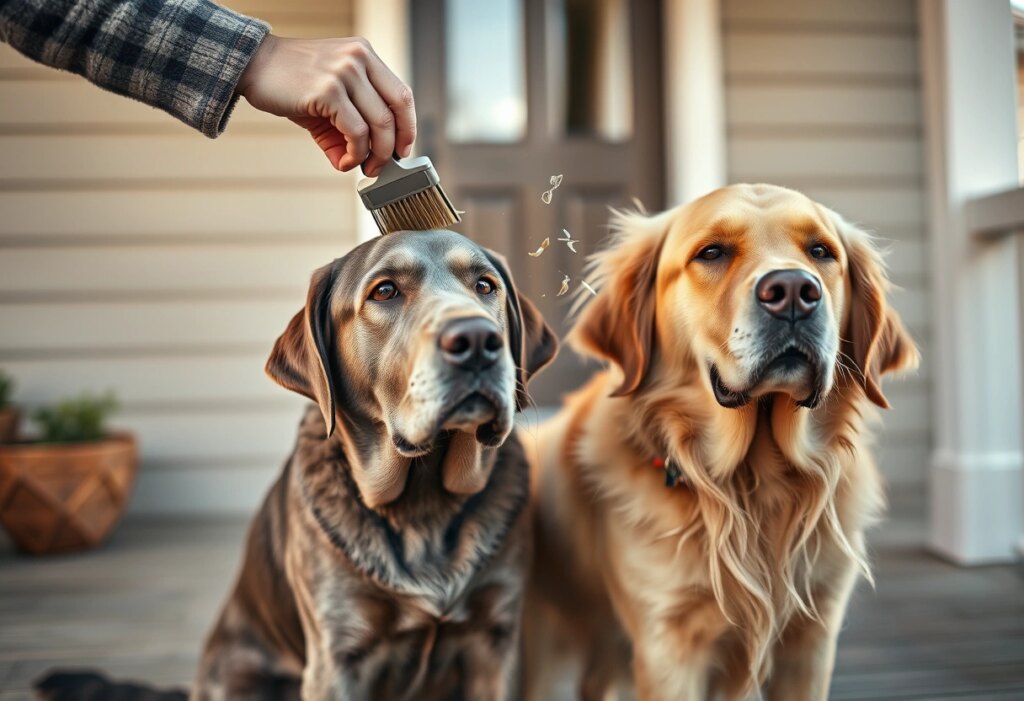
Goldens are a different animal entirely, coat-wise. Their feathering (the longer fur on the chest, legs, tail, and ears) doesn’t just shed, it tangles on the way out. That means loose fur gets trapped against the skin instead of falling away cleanly. Over time, this creates mats, especially behind the ears and around the “britches” on the hind legs, areas senior Goldens with reduced flexibility can’t reach to lick or scratch anymore.
The American Kennel Club classifies both Labradors and Golden Retrievers as heavy seasonal shedders with true double coats, and recommends weekly brushing at an absolute minimum. For seniors, I’d push that further. Three to four times a week is closer to what these aging coats actually need, especially during spring and fall blowouts.
Senior-Specific Grooming Needs: Thinning Coats and Dry Skin
This is where things get real. It’s not just about hair on the floor anymore. It’s about skin health.
Banfield Pet Hospital’s State of Pet Health research has repeatedly found that skin and coat conditions climb noticeably in dogs over age 7, things like allergic dermatitis, seborrhea, and general coat dullness. I’ve seen this firsthand at the sanctuary. A dog who had a shiny, low-maintenance coat at age four can turn dry, flaky, and shed-happy by age nine, even with zero changes in diet or environment. Aging skin just doesn’t hold moisture or produce oils the way it used to.
Nutrition plays a bigger role here than most people realize. A quality vitamin-mineral supplement built for older dogs can support skin and coat from the inside out, alongside whatever topical care you’re doing. Something like the Vita-Tabs Silver for Senior Dogs Daily Vitamin-Mineral Supplement is worth asking your vet about, especially if you’ve noticed dullness or excessive flaking alongside the shedding.

- Comprehensive Nutrition: Vita-Tabs provide a balanced blend of essential vitamins and minerals to support your dog’s ove…
- Immune System Support: Packed with antioxidants, these tabs help strengthen your dog’s immune system, promoting a robust…
- Healthy Coat and Skin: The inclusion of Omega-3 fatty acids contributes to a lustrous coat and healthy skin, ensuring yo…
Joint pain also factors in more than people expect. A senior dog who’s sore and stiff moves less, which means less natural coat distribution from rolling, stretching, and scratching. If your dog’s mobility has changed alongside their coat, it’s worth reading up on joint supplements for senior dogs, since comfort and coat health tend to move together more than owners realize.
A Practical Grooming Routine: Aging Labs vs. Aging Goldens
I like charts because they cut through the guesswork. Here’s how I’d lay out a realistic senior grooming schedule for each breed, based on what’s worked at the sanctuary and what most veterinary groomers recommend.

| Care Factor | Senior Labrador | Senior Golden Retriever | Price Tier |
|---|---|---|---|
| Brushing Frequency | 3-4x weekly, daily during blowout season | 4-5x weekly, daily during blowout season | N/A |
| Recommended Tool | Undercoat rake, slicker brush | Pin brush plus dematting comb for feathering | $$ |
| Bathing Interval | Every 4-6 weeks | Every 3-4 weeks (feathering traps dirt faster) | $ |
| Trouble Spots | Belly, tail base, neck ruff | Ears, chest feathers, hind leg britches | N/A |
| Skin/Coat Support Supplement | Fish oil or senior multivitamin | Fish oil or senior multivitamin | $$ |
| Professional Grooming | Every 8-10 weeks (optional) | Every 6-8 weeks (recommended) | $$$ |
Notice that neither breed is truly “low maintenance” once they hit their senior years. But Goldens edge out Labs in raw time commitment because of that feathering. It mats, it tangles, and it hides skin issues underneath until you actually part the fur and look.
One thing that’s helped tremendously with dogs at the sanctuary who shed heavily is grooming them somewhere comfortable, not standing on a cold tile floor for twenty minutes while their hips ache. A supportive Sanctuary Dog Bed Orthopedic Cooling Memory Foam gives an arthritic senior a soft, stable place to lie down during brushing sessions, which honestly makes the whole process calmer for both of you.

- EXCLUSIVE 2-COVER BUNDLE (ZERO DOWNTIME): This Amazon-exclusive set includes the complete Sanctuary Bed plus a bonus rep…
- MODULAR & CUSTOMIZABLE DESIGN: The innovative Quick-Change sleeping surface allows you to refresh your bed’s style insta…
- ORTHOPEDIC FOAM TOPPED WITH A COOLING MEMORY FOAM LAYER: Engineered for superior support, our Orthopedic Foam core has a…
Key Takeaways Before You Grab the Brush
- Senior dog shedding increases with age due to thinning skin and reduced oil production, not poor care.
- Labs shed in dense, shorter bursts. Goldens shed steadily but tangle more due to feathering.
- Weekly brushing is the AKC minimum for adult double coats, but seniors usually need more.
- Skin and coat conditions rise sharply after age 7, according to Banfield’s health data.
- Increased shedding paired with other symptoms deserves a vet visit, not just a new brush.
When Senior Dog Shedding Signals Something Bigger
Not all shedding is cosmetic. Sometimes it’s your dog’s body waving a flag.
Watch for these warning signs alongside excessive shedding:
- Thyroid issues: hypothyroidism is common in older Labs and Goldens and often shows up first as coat thinning, weight gain, and lethargy.
- Kidney or liver changes: reduced organ function can affect how nutrients reach the skin, leaving the coat dull and brittle.
- Nutritional gaps: aging dogs sometimes absorb nutrients less efficiently, even on a good diet, leading to coat decline.
- Chronic itching or hot spots: could point to allergies, parasites, or pain-related overgrooming.
Cold weather adds another layer, too. Dogs with arthritis or reduced circulation often benefit from a bit of extra warmth during grooming sessions or rest periods, and something like the SOVPAIT Pet Heating Pad with LED Real-Time Display can help keep achy joints comfortable while you work through mats and loose fur.
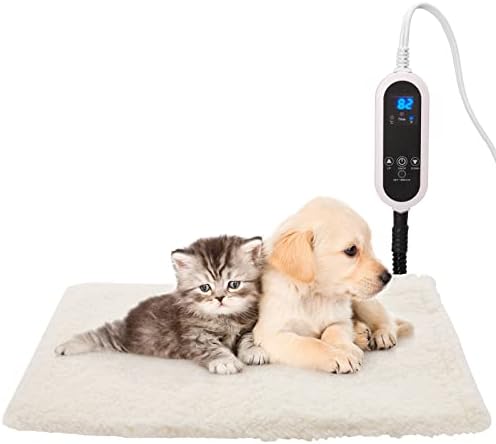
- PET HEATING PAD NEW FUNCTION: Our pet heated mat can observe real-time heating pad temperature, preset temperature and t…
- KEEP PET COMFY: Ajustable temperature absolute temperature control ranges from 80F-140F and can be set to read as Fahren…
- FLEXIBLE FOR ANY SPACE: Ideal waterproof outdoor cat bed for sheds, garages, barns, or any sheltered area your outdoor c…
If you’re already managing a senior Golden with joint decline, it helps to understand the fuller financial and physical picture too. I wrote honestly about the real costs of caring for a senior Golden Retriever, because shedding and coat care are just one small piece of a much bigger puzzle in these later years.
Here’s my honest take after years of hands-on senior dog care: don’t chase a shiny coat like it’s the goal. Chase a healthy one. Some dullness and thinning is simply what aging looks like, on dogs and on us. What matters is watching for changes that come on fast, or that pair up with other symptoms like appetite changes, weight shifts, or new lethargy. That combination is what earns a vet call, not just a hairier couch.
Frequently Asked Questions
Do senior Labradors shed more than senior Golden Retrievers?
Not necessarily more, but differently. Senior Labradors tend to shed in dense, shorter bursts tied to seasonal blowouts, while senior Golden Retrievers shed more steadily due to their longer feathering, which also tangles and mats more easily than a Lab’s short coat.
How often should I brush my senior dog to manage shedding?
Most senior Labs and Golden Retrievers benefit from brushing three to five times weekly, with daily sessions during spring and fall coat blowouts. Senior dog shedding tends to be heavier and less predictable than in younger dogs, so a consistent routine catches mats early and distributes natural oils across thinning skin.
Can excessive shedding in senior dogs indicate a health problem?
Yes. Sudden or severe senior dog shedding can point to thyroid imbalances, kidney or liver changes, nutritional deficiencies, or skin conditions. If shedding is paired with lethargy, weight change, or hot spots, it’s worth scheduling a veterinary checkup rather than assuming it’s simply age-related.
What grooming tools work best for aging double-coated breeds?
An undercoat rake works well for senior Labradors thanks to their dense, short double coat, while a pin brush paired with a dematting comb is better suited for senior Golden Retrievers because of their feathering. Both breeds also benefit from gentle, slower grooming sessions as joints and skin sensitivity increase with age.
Whichever breed is curled up at your feet right now, know this: the extra fur, the extra brushing time, the extra patience it takes, it’s all just part of loving a dog through their whole life, not just the easy years. That’s the sacred trust we sign up for the moment they come home with us.
Tell your pup I said Hi! — Dawn