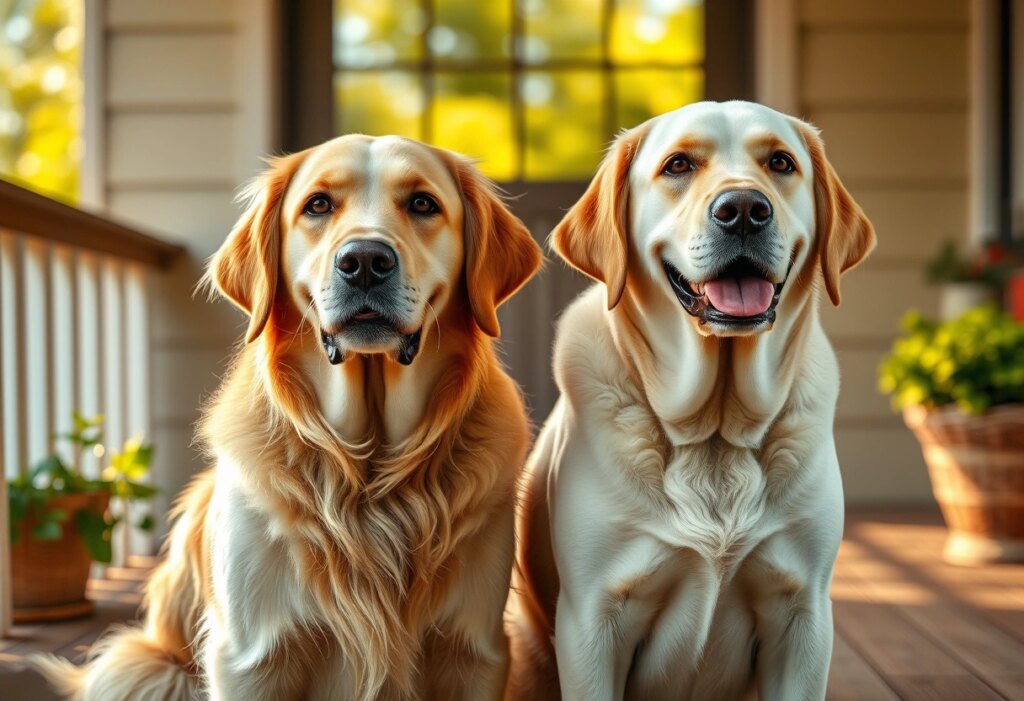

Let’s talk about something nobody wants to bring up at the dog park but every one of us has thought about: smelly dog breeds, and whether your Golden Retriever or Labrador is the one making your living room smell like a wet gym sock. I’ve had both breeds pass through Woody’s Place over the years, plus about a hundred mixes of everything in between, and I can tell you the answer isn’t as simple as “one breed stinks and one doesn’t.” It’s about coat, skin, age, and how much love (and elbow grease) you’re willing to put into the care routine.
Why Some Dogs Smell More: The Biology Behind “Doggy Odor”
Dog odor isn’t random. It comes down to sebaceous glands, the tiny oil factories in your dog’s skin that produce sebum, a waxy substance meant to protect and waterproof the coat. Some dogs just make more of it than others, and that oil is a magnet for bacteria and yeast, which is really what you’re smelling when you catch that classic “doggy” funk.
A study published in Veterinary Dermatology found real breed-specific variation in sebum production, and that variation directly affects how strong a dog’s natural odor is, even in a squeaky clean, healthy dog. Add coat density, skin folds, and the individual mix of bacteria and yeast living on your dog’s skin (their microbiome, basically), and you’ve got a fingerprint of smell that’s unique to every dog. This is exactly why some smelly dog breeds earn that reputation honestly. It’s biology, not bad luck.
I say this with total love: your dog isn’t gross. Their skin is just doing its job a little too enthusiastically sometimes. Understanding that changes how you approach the whole thing. You’re not fighting a flaw, you’re managing a normal biological process.
Golden Retriever Coat & Odor Profile
Goldens carry a dense double coat with all that gorgeous feathering on the legs, tail, and ears. It’s beautiful. It’s also a moisture and debris trap. That undercoat holds onto water after a bath, a swim, or even a rainy walk, and damp fur sitting against warm skin is basically a five-star hotel for the bacteria and yeast that cause odor.
I’ve watched Goldens come through the sanctuary looking picture-perfect on the outside while hiding a hot, irritated patch of skin underneath all that feathering. Nobody noticed until we ran our hands through the coat during a real check, not just a glance. That’s the thing about this breed: the smell often starts before you can see anything wrong.

Regular brushing (I’m talking several times a week, not “when I remember”) keeps air moving through that coat and pulls out the loose undercoat before it mats and traps moisture. Bathing matters too, but so does the product you’re using. A gentle, senior-safe shampoo makes a real difference here. Something like Amazonia Aloe Vera Dog & Cat Shampoo is soothing enough for aging, sensitive skin while still helping cut through the oil buildup that feeds odor.

- Amazonia Pet Care Aloe Vera Dog and Cat shampoo regenerates and provides natural itch relief
- Tearless
- Paraben & Dye Free
Between baths, drying the feathering thoroughly after every walk in wet grass or rain is non-negotiable in my house. It takes an extra five minutes. Those five minutes are the difference between a fresh dog and one that smells like a damp basement by dinnertime.
Labrador Coat & Odor Profile
Labs are built differently, and it shows in how they smell. According to the American Kennel Club, the Labrador’s coat is short, dense, and naturally water-repellent, with an undercoat designed to shed water for swimming. That natural oil coating is a wonderful adaptation for a dog bred to retrieve waterfowl. It’s also exactly why Labs can produce a stronger, more sudden “wet dog” smell the second they get rained on or take a dip in the pond.
Here’s the honest truth: a Lab’s odor tends to be more of an event than a slow build. Dry, they can smell pretty neutral. Wet, that oil layer activates and the whole room knows it within minutes. If you’ve got a senior Lab who still loves water (bless them, some never quit), you’ll want a towel routine ready at the door every single time.
Their short coat is easier to keep clean overall, which is one advantage over the Golden’s feathering. But that same efficient oil production means regular washing with the right shampoo really matters. A gentle option like [PETHROOM] Bubble Shampoo for Dogs can help break down that oily film without stripping the coat’s natural protection, which matters even more for older skin that’s already thinner and more sensitive than it used to be.
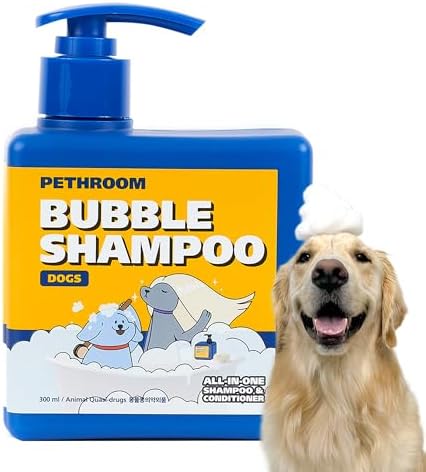
- PREMIUM NATURAL INGREDIENTS: Infused with 55% milk protein extract, this shampoo provides intensive protein care for you…
- HYPOALLERGENIC DOG SHAMPOO: Made with EWG green-grade ingredients, this bubble shampoo is perfect for dogs with sensitiv…
- DEEP CLEANSING FOAM: The rich foam effectively removes dirt and impurities from your dog’s fur while maintaining natural…
Head-to-Head Odor Comparison for Aging Dogs
Now here’s where age changes the whole conversation. Whether you’re comparing smelly dog breeds like the Golden and the Lab in their prime years, senior dogs of both breeds face odor risks that have nothing to do with coat type at all.
Dental disease is a huge, under-discussed one. By the time many senior dogs reach us, their breath alone could clear a room, and that’s tartar and bacterial buildup, not just “old dog smell.” Skin infections become more common too, especially in dogs with allergies, hormonal changes, or reduced immune function. And here’s the part that breaks my heart every time: as dogs get older, arthritis and reduced mobility mean they simply can’t groom themselves the way they used to. A young Lab twists around and licks a spot clean in seconds. A senior Lab with sore hips might not be able to reach that same spot at all.
A dog who suddenly smells “off,” beyond the normal doggy scent, is telling you something. Odor is information. It’s rarely just an inconvenience, and it’s never something to mask instead of investigate.
Watch for odor changes in the ears, especially in Labs whose floppy ears trap moisture after swimming. Watch for a sweetish or yeasty smell in skin folds on Goldens’ feathered legs. Watch for that unmistakable dental odor that means it’s time for a vet visit, not just a breath mint. If your senior dog has started barking more at night or seems anxious in ways that don’t add up, it’s worth ruling out discomfort or confusion, and if crate rest is part of their world, our senior dog crate guide for easing anxiety-driven barking might help you build a calmer space for them.

Practical Odor-Control Routine for Golden Years
This is the routine I actually use at the sanctuary. It’s not fancy. It’s just consistent, and consistency is what actually works when you’re trying to reduce dog smell in a senior dog with less mobility and more health quirks than they had at five years old.
- Bath frequency: Every 3 to 4 weeks for most seniors, sooner if they’ve been swimming or rolling in something questionable (they always do).
- Ear cleaning: Weekly checks, especially for floppy-eared Labs and Goldens. Moisture trapped in there breeds bacteria fast.
- Dental care: Daily brushing if your dog tolerates it, dental chews and vet cleanings as backup. Bad breath in a senior dog is a health issue, not a personality trait.
- Diet adjustments: Talk to your vet about omega-3 fatty acids. A healthier skin barrier from the inside out means less excess oil and odor from the outside.
- Vet-recommended wipes: Great for quick freshening between baths, especially on paws, the belly, and skin folds.
- Clean bedding and mats: Wash weekly. Odor doesn’t just live on your dog, it lives in everything they lie on.
- Accident management: For seniors dealing with incontinence or mobility limits, keeping Arm & Hammer Green Tea Pet Training Pads in key resting spots helps control odor at the source and protects your floors and furniture at the same time.
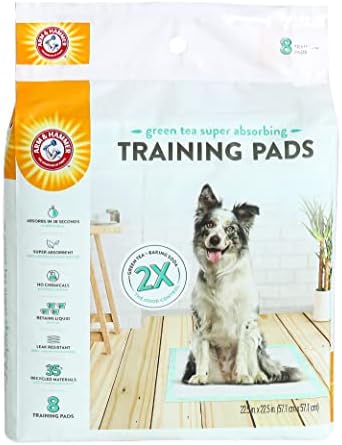
- SUPER ABSORBENT GREEN TEA DOG TRAINING PADS — BAKING SODA ODOR CONTROL: Arm & Hammer dog training pads with green tea po…
- 2X ODOR CONTROL — ARM & HAMMER BAKING SODA PLUS GREEN TEA: Arm & Hammer Baking Soda combined with green tea delivers 2X …
- ABSORBS IN 30 SECONDS — TURNS LIQUID TO GEL ON CONTACT: These dog training pads absorb liquid in as little as 30 seconds…
None of this needs to be expensive or complicated. A budget-friendly shampoo, a decent set of wipes, and a calendar reminder for baths gets you 90% of the way there. Save the premium investment products for the specific problem areas, like a senior dog’s inflamed skin folds, where the extra quality actually earns its keep.
Golden Retriever vs Labrador: Odor Comparison at a Glance
| Product / Factor | Best For | Key Feature | Price Tier |
|---|---|---|---|
| Golden Retriever Coat | Owners who don’t mind frequent brushing | Dense double coat, heavy feathering, traps moisture | N/A (Breed Trait) |
| Labrador Coat | Owners wanting lower-maintenance grooming | Short, water-repellent, oil-based “wet dog” smell after water exposure | N/A (Breed Trait) |
| Amazonia Aloe Vera Shampoo | Sensitive senior skin, feathered coats | Soothing, gentle cleanse without stripping oils | $$ |
| PETHROOM Bubble Shampoo | Oily coats, post-swim cleanup | Rich lather, breaks down excess sebum | $$ |
| Arm & Hammer Training Pads | Senior dogs with incontinence | Odor-neutralizing green tea extract | $ |
If your senior dog is also dealing with anxiety that’s making grooming time harder than it should be (some dogs get squirmy or reactive when they’re uncomfortable), it may be worth reading about calming solutions for dog anxiety and sneezing before your next bath day. A calmer dog is an easier dog to actually get clean.
The Real Answer on Smelly Dog Breeds
So which one wins the “least smelly” title between these two smelly dog breeds? Honestly, it’s close enough that I’d call it a draw. Labradors have the edge for day-to-day upkeep thanks to that short coat, but they make up for it with a stronger post-water punch. Goldens need more consistent brushing to prevent trapped odor, but a well-maintained Golden coat can smell just as fresh as any short-haired dog.
What actually determines whether your dog is one of the low odor dog breeds success stories or the neighborhood’s cautionary tale isn’t the breed standard. It’s you. It’s the brushing you do on a Tuesday when you’re tired. It’s the vet visit you book the moment their breath changes. Good dog odor control is really just good, attentive care, applied consistently, especially as your dog moves into their senior years and needs you to notice things they can no longer manage themselves.
Give either breed a solid routine, and you’ll spend a lot less time worrying about smelly dog breeds and a lot more time enjoying the quiet, good moments with your old friend.
Are Golden Retrievers or Labradors considered smelly dog breeds?
Both breeds can develop noticeable odor due to their double coats and natural oil production, but neither is inherently worse than the other. Goldens tend to trap moisture in their feathering, while Labradors release a stronger smell when their water-repellent coat gets wet. Regular grooming keeps both breeds comfortably fresh.
Why does my senior dog smell worse than they used to?
Aging dogs often develop stronger odor due to dental disease, skin infections, hormonal shifts, or reduced ability to self-groom because of arthritis and joint pain. A sudden change in smell is worth a vet visit rather than just a bath, since it can signal an underlying health issue.
How often should I bathe my senior Golden Retriever or Labrador?
Most senior dogs do well with a bath every three to four weeks using a gentle, senior-safe shampoo. Bathing too often can strip natural oils and irritate aging skin, while too infrequent bathing allows odor-causing bacteria and yeast to build up.
What are the best low odor dog breeds compared to Goldens and Labs?
Breeds like Poodles, Basenjis, and Whippets are often cited among low odor dog breeds due to minimal shedding and lower sebum production. That said, individual grooming habits and health conditions usually matter more than breed alone when it comes to controlling odor long term.
I hope this helps you feel a little more confident about keeping your golden-years companion fresh, comfortable, and close to you where they belong. Tell your pup I said Hi! — Dawn