


Arthritis injections for dogs have become one of the biggest topics I get asked about at the sanctuary, and I get it. When you’re watching an old dog struggle to get up off the floor, you want relief for them now, not another supplement that takes six weeks to maybe help. So let’s talk honestly about what these injections actually are, what they cost, what the risks really look like, and whether your senior pup is even a good candidate. No fluff, no sales pitch. Just what I’d tell you if we were sitting on my porch with a cup of coffee and your dog’s chart between us.
What Arthritis Injections Actually Are (And How They’re Different From Supplements)
Here’s where a lot of pet parents get confused, and honestly, I don’t blame them. The vet world throws around terms like they’re interchangeable when they’re really not.
Oral joint supplements (glucosamine, chondroitin, green-lipped mussel, that sort of thing) work slowly, over weeks or months, by supporting cartilage health from the inside out. They’re gentle. They’re a long game. Arthritis injections for dogs work differently. They’re faster, more targeted, and in some cases, mechanistically nothing like a supplement at all.
There are two major players worth knowing:
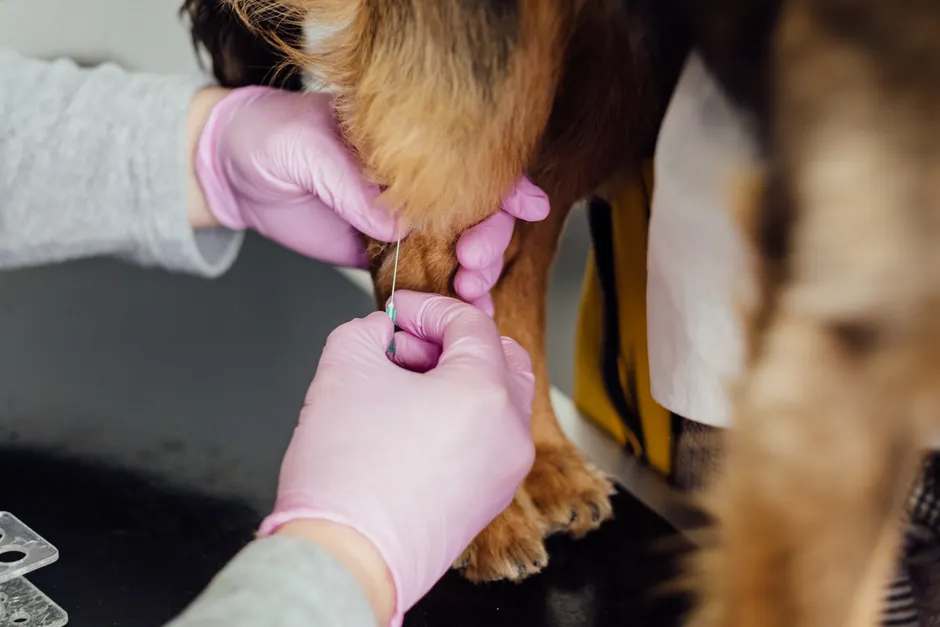
- Adequan (polysulfated glycosaminoglycan): This one has been around for decades. It’s injected into muscle on a loading schedule, and it works by helping to protect cartilage and reduce inflammation within the joint itself. Think of it as a structural support injection.
- Librela (bedinvetmab): The newer name everyone’s talking about. This is a monoclonal antibody therapy, the first of its kind approved by the FDA in 2023 specifically for canine osteoarthritis pain. It doesn’t repair the joint. It targets a nerve growth factor to block pain signals. That’s a fundamentally different approach than anything that came before it.
If you’re trying to understand where this fits in the bigger picture of joint care options, I’d point you toward this breakdown of Librela vs Adequan vs Synovetin for dog arthritis, which lays out the differences in plain language.
I want to be clear about something. Arthritis injections for dogs are not a replacement for a full mobility plan. They’re a piece of it, sometimes an important piece, but I’ve seen too many families treat an injection like a magic fix and skip the orthopedic bed, the ramp, the weight management, the physical therapy. Your dog deserves the whole picture, not just the shot.
The Real Cost Breakdown: What Arthritis Injections for Dogs Actually Run
Let’s talk money, because I know that’s weighing on you too, and pretending otherwise would be dishonest.
Pricing varies a lot depending on your dog’s weight, your region, and your vet clinic, but here’s the general shape of it based on veterinary pricing surveys and FDA-reviewed data:
- Librela: Typically runs in the range of $30 to over $100 per injection, dosed monthly, scaling up with your dog’s body weight. A larger senior dog will cost more per shot than a small one.
- Adequan: Usually billed per vial or per injection series, with an initial loading phase (often twice weekly for about a month) followed by maintenance shots that space out over time.
That monthly recurring cost adds up fast, especially if you’re also managing bloodwork, supplements, and mobility gear. I always tell folks at the sanctuary: budget for this like it’s a permanent line item, not a one-time expense. Because with a chronic condition like osteoarthritis, it usually is.
If cost is a real concern (and for most of us, it is), it helps to see the full financial picture laid out clearly. This guide on arthritis injection cost, safety, and side effects goes deeper into what you can expect to pay over a full year of treatment.
| Product / Option | Type | Best For | Price Tier |
|---|---|---|---|
| Adequan (PSGAG injection) | Cartilage-support injection | Early to moderate joint degeneration | $$$ |
| Librela (bedinvetmab) | Monoclonal antibody pain blocker | Chronic osteoarthritis pain in seniors | $$$$ |
| Compounded corticosteroid joint injections | Localized anti-inflammatory | Single-joint flare-ups | $$ |
| Rear Foot Splint (mobility support) | Orthopedic brace | Weak rear limbs, knuckling | $$ |
| Knee Support Brace | Orthopedic brace | Stifle instability, post-injury support | $$ |
Safety Profile: What The Adverse Event Reports Are Actually Telling Us
Okay, I need to be direct with you here, because this is the part where I get protective.
The FDA’s own adverse event database has logged thousands of complaints tied to Librela, including reports of lethargy, mobility decline, and other neurological symptoms. That’s not fringe internet fear-mongering. That’s the federal reporting system doing exactly what it’s supposed to do: tracking real-world outcomes after a drug hits the market.
Now, I want to be fair. Adverse event reports don’t automatically prove causation, and plenty of dogs tolerate Librela just fine and get real quality-of-life improvement from it. But you deserve to walk into that vet appointment with your eyes open, not blindsided six months later.
Every treatment decision for an aging animal should be made with full information, not fear, and not blind trust either. You are your dog’s only advocate in that exam room. Ask the hard questions. Read the reports. Then decide together with your vet, not just for your vet.
If the controversy around this particular drug has you wanting more depth, I’ve written extensively about it here: is Librela safe for dogs, and what’s behind the controversy. I think every pet parent considering arthritis injections for dogs owes it to their pup to read that before signing off on treatment.
Common, more mild side effects reported across arthritis injections for dogs generally include:
- Injection site soreness or mild swelling
- Temporary lethargy in the day or two following the shot
- Gastrointestinal upset (more common with corticosteroid-based injections)
- Rare but serious reports of worsening mobility or neurologic changes (specific to Librela per FDA reports)
Watch your dog closely after each dose. Keep a little journal if you have to. You know your dog’s baseline better than anyone in that clinic ever will.
Is Your Senior Dog Even a Candidate for Arthritis Injections?
This is the question I wish more people asked before booking the appointment.
Osteoarthritis affects an estimated 20% of dogs over one year old, and that number climbs sharply once you’re talking about true seniors, according to AVMA data. So statistically, yes, your old dog is probably dealing with some degree of joint disease. But that doesn’t automatically mean arthritis injections for dogs are the right next step for your dog specifically.
Before starting any injection protocol, your vet should be running:
- Kidney function bloodwork (BUN, creatinine), since some injections are processed through the kidneys and seniors often have reduced renal reserve
- Liver enzyme panels, particularly if your dog is already on other long-term medications
- A full orthopedic exam to confirm which joints are actually affected and how severely
- A baseline mobility assessment, so you have something concrete to compare against after treatment starts
I’ve watched dogs at the sanctuary who had underlying kidney issues nobody caught until we ran labs first. That’s not a scare tactic, that’s just why bloodwork before starting arthritis injections for dogs matters so much. Skipping it is a gamble I’m not willing to take with an old body that’s already working overtime.

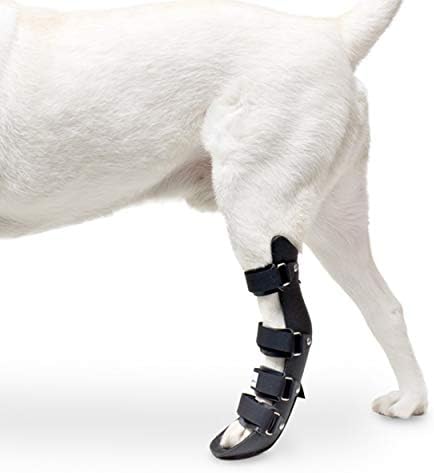
For dogs whose joint weakness shows up more in the limbs than internally, sometimes the smartest first step isn’t a needle at all. A properly fitted Dog Rear Foot Splint Helps Brace Lower Back Limbs can offer real, immediate mechanical support for dogs who are knuckling or dragging a weak rear leg, buying you time to make injection decisions without rushing.
Questions to Ask Your Vet Before You Say Yes
I always tell the families I work with: a good vet won’t be offended by hard questions. If they get defensive, that tells you something too.
Here’s what I’d bring to that conversation:
- “What bloodwork do we need before starting, and how often will we recheck it?”
- “What specific improvement should we expect to see, and by when?”
- “What are the warning signs that mean we stop treatment immediately?”
- “How does this fit alongside weight management, physical therapy, and mobility gear we’re already using?”
- “If this doesn’t work, what’s our next step?”
That last question matters more than people realize. Arthritis injections for dogs should never be the entire plan. They’re one tool. Dogs with knee instability, for example, often do remarkably well when an injection protocol is paired with external joint support. A Professional Knee Support Brace for Dogs with Adjustable Straps can reduce strain on a compromised stifle joint day to day, which means the injection isn’t fighting an uphill battle every time your dog takes the stairs or hops off the porch.
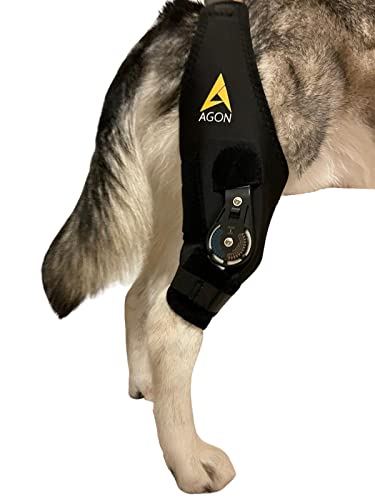
- The Right Choice: If your dog is struggling with a post-knee surgery process, ease its pain and discomfort with the Agon…
- Adjustable Hinge Stabilizer: The Agon neoprene knee brace stands out with an innovative design equipped with an adjustab…
- Highest Quality Materials: Our knee brace for dogs is made with premium quality neoprene, which is extremely durable, st…
I think about this a lot with the old dogs who come through Woody’s Place. Most of them arrive with joints that have been neglected for years, sometimes decades of unmanaged pain nobody addressed. By the time we’re considering something like arthritis injections for dogs, we’re also rebuilding their whole comfort system: orthopedic bedding, ramps instead of stairs, non-slip flooring, weight correction, gentle daily movement. The injection is never the whole story. It’s one thread in a much bigger blanket of care.
For a broader look at how canine osteoarthritis is classified and understood medically, the American Veterinary Medical Association offers solid, science-backed background that’s worth reading alongside anything your own vet tells you.
Weighing Injections Against the Fuller Comfort Plan
Here’s my honest take, after years of sitting with dogs in the last third of their lives: pain relief matters more than almost anything else you can give an aging dog. If arthritis injections for dogs genuinely reduce suffering for your pup, and the bloodwork supports it being safe for their specific body, I’m not going to tell you to avoid it out of fear.
What I will tell you is to go in informed. Know the cost trajectory. Know the adverse event history. Know your dog’s kidney and liver numbers before that first shot goes in. And build the injection into a plan that also includes mobility gear, weight support, and quiet daily comfort, not as a replacement for those things, but alongside them.
Your dog trusts you completely to make this call. That’s a sacred trust, and it deserves more than a rushed decision made out of guilt or urgency.
Frequently Asked Questions About Arthritis Injections for Dogs
How quickly do arthritis injections for dogs start working?
It depends on the type. Librela is often reported to show noticeable pain relief within one to two weeks of the first dose, while Adequan typically requires the full loading series, usually four to eight injections over several weeks, before owners see consistent improvement. Every dog responds differently, so give it the full recommended course before judging results.
Can arthritis injections for dogs be combined with oral joint supplements?
Yes, and many vets recommend exactly that. Oral supplements support long-term cartilage health while injections address inflammation or pain more directly. Just run the full combination past your vet, especially if your senior dog is on other medications, since interactions can happen even with natural supplements.
Is Librela safe for older dogs with kidney disease?
This needs a case-by-case conversation with your vet and current bloodwork in hand. Some dogs with mild kidney insufficiency have tolerated Librela without issue, while others have not. Given the adverse event reports the FDA has logged, dogs with existing kidney or liver concerns should be monitored especially closely before and during treatment.
How do I know if my senior dog’s limping is arthritis or something else?
Limping can come from arthritis, but it can also signal a torn ligament, a spinal issue, or even a tumor in older dogs. Don’t assume. A proper orthopedic and neurologic exam, sometimes with imaging, is the only way to know for sure before starting arthritis injections for dogs or any other targeted treatment.
I hope this gave you what you actually needed, not a sales pitch, just the real information laid out honestly so you can make this decision with confidence and love. Your old dog is lucky to have someone asking these questions on their behalf. That’s what good care looks like.
Tell your pup I said Hi! — Dawn