
An arthritis injection for dogs is one of those decisions that lands in your lap the moment you notice your old boy hesitating at the bottom of the porch steps, weighing whether it’s worth the climb. I’ve stood in that exact spot more times than I can count, watching a dog I love recalculate his whole world around pain he’d never admit to feeling. That hesitation is the reason so many of us start researching an arthritis injection for dogs in the first place. Pills stop working, or the side effects on aging kidneys and livers get scary, and suddenly you’re asking your vet about something you saw on a Facebook group at midnight. I’m not going to sell you on anything here. I’m going to walk you through what I’ve learned, what the data actually says, and what deserves a real conversation with your vet before you sign off on it.
Why We Go Looking Past the Pill Bottle
Every dog at the sanctuary who’s made it into double digits eventually hits this wall. The NSAIDs that worked fine at age eight start asking too much of organs that are already tired. You watch your dog’s face when he stands up from a nap, that little wince before he catches himself, and you start wondering if there’s something gentler, something that works differently than another pill twice a day.
That’s exactly where an arthritis injection for dogs enters the picture for a lot of pet parents. It’s not a miracle. It’s not magic. But for the right dog, at the right stage, it can be a genuine shift in quality of life. And quality of life is the only metric that actually matters to the dog living it.
If you’re also looking at ways to support a stiff-legged senior around the house, a well-built ramp can spare those joints from stairs altogether. We cover that in our guide to the best dog ramps for senior dogs with mobility issues, and it pairs well with whatever medical plan you land on.
How Librela and Other Dog Joint Injection Options Actually Work
Here’s where I want to get specific, because vague explanations don’t help you make a real decision. Librela (bedinvetmab) is a monoclonal antibody. That means it’s not a traditional painkiller working on nerve signals the way an NSAID does. Instead, it targets and neutralizes nerve growth factor (NGF), a protein that drives pain signaling in arthritic joints. Block the NGF, and you quiet a major source of the pain conversation happening between your dog’s joints and brain.
The FDA approved Librela in 2023, and the clinical trial data behind that approval showed measurable improvement in owner-assessed mobility scores within just a few weeks of the first dog joint injection. That’s faster relief than a lot of oral options, and for dogs whose livers or kidneys can’t tolerate long-term NSAID use, that mechanism matters. This is a genuinely different tool than what came before, not just a rebrand of the same old approach.
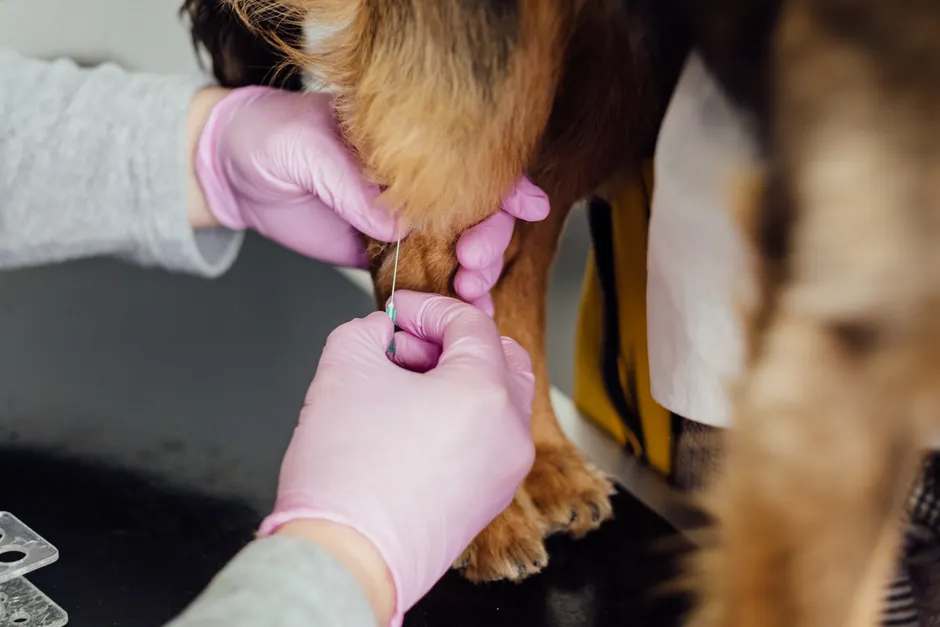
If you’re comparing options, our breakdown of Librela vs Adequan vs Synovetin for dog arthritis goes deeper into how these treatments differ mechanically, because they are not interchangeable and your vet will pick based on your dog’s specific joint disease and health history.
An arthritis injection for dogs is not a replacement for honest observation at home. No injection, no matter how well studied, can tell you what your own eyes and hands notice every single day. You are still the first line of defense for your dog’s comfort.
What This Actually Costs Pet Parents
Let’s talk money, because pretending it doesn’t matter helps nobody. According to veterinary pricing surveys referenced by the American Animal Hospital Association, a single monthly arthritis injection for dogs typically runs somewhere between forty and over a hundred dollars, depending heavily on your dog’s weight and where you live. Larger dogs need bigger doses. Urban clinics tend to charge more than rural ones. And that’s before the recheck visits your vet will likely want, especially during the first few months.
This is a recurring monthly cost, not a one-time expense, and that reality catches people off guard. I always tell folks at the sanctuary to budget it out over a year before committing, not just look at the first invoice. Compare that ongoing cost against what you’re currently spending on oral arthritis medications, because sometimes the injection ends up being a wash or even a savings once you account for fewer vet visits related to GI upset or bloodwork monitoring.
Our team ranked oral alternatives too, in case a monthly shot isn’t the right fit for your household. Take a look at our list of the best arthritis medication for senior dogs, vet ranked for a fuller comparison.
Safety and Side Effects Nobody Wants to Sugarcoat
I’m not going to pretend every dog sails through this without a hiccup. Mild injection site reactions happen. Some dogs get a little sore or swollen right where the needle went in, usually resolving within a day or two. There have also been rare but reported adverse events, including some concerning kidney-related cases that surfaced after wider Librela use began, which is exactly why ongoing bloodwork monitoring matters if your dog starts this treatment.
Here’s my honest take: the internet fear-mongering around this drug got loud fast, and some of it is warranted caution, some of it is noise. The right move isn’t to scroll forums at 1 a.m. It’s to ask your own vet directly: what does the adverse event data actually show, how will we monitor my dog, and what’s our plan if something feels off. A vet who’s used this drug on dozens of patients has real-world experience that no comment section can replace.

- Mild, temporary injection site discomfort is the most commonly reported reaction
- Baseline and follow-up kidney function bloodwork is recommended by many vets before and during treatment
- Any sudden lethargy, vomiting, or drastic behavior change after a dose should prompt an immediate call to your vet
- Dogs with pre-existing kidney disease need a more cautious, individualized conversation before starting
For more general background on nerve growth factor inhibitors and monoclonal antibody therapies in veterinary medicine, the American Veterinary Medical Association is a solid, science-grounded resource worth reading before your appointment.
Supporting Joints Physically While You Weigh the Decision
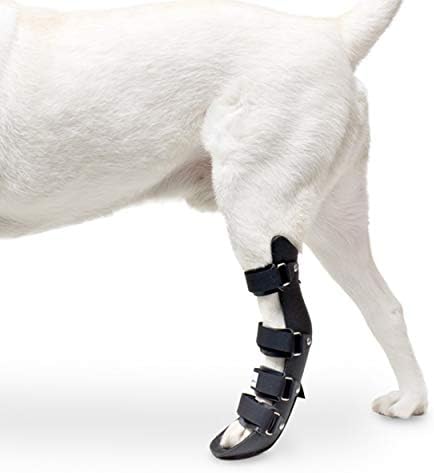
Medication is one half of the equation. The other half is physical support for the limbs actually carrying the weight. While you and your vet talk through whether a canine arthritis treatment plan should include injections, don’t overlook mechanical support for weak or unstable joints. For dogs struggling specifically with rear leg weakness, a Dog Rear Foot Splint Helps Brace Lower Back Limbs can offer real stability during the walk to the yard and back, especially for dogs managing degenerative myelopathy alongside arthritis.
Front-end weakness deserves just as much attention, and it’s easy to miss because we tend to fixate on hips and hindquarters. A Labra Dog Front Leg Brace Compression Wrap gives shaky front legs a bit of gentle, breathable support without restricting natural movement, which matters a lot for dogs who still want to be dogs.
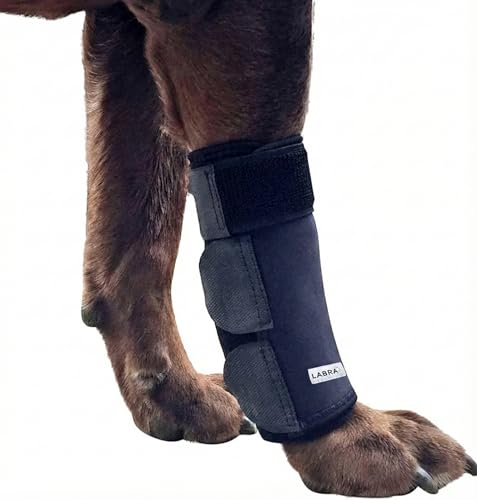
- Protects Against Hot Spots, Lick Granulomas, and Pressure Sores: Provides targeted relief for painful hot spots, lick gr…
- Premium Materials – Made from 3mm neoprene, our brace wrap is breathable, elastic, and enjoyable, ensuring your dog’s co…
- Joint Health – Our brace provides extra support on your dog’s front legs, allowing them to stay healthy and support thei…
Comparing Your Support Options at a Glance
Whether you land on an injection, an oral medication, or a mix of medical and mechanical support, here’s how the common tools stack up side by side.
| Option | Best For | Onset of Relief | Price Tier |
|---|---|---|---|
| Librela (bedinvetmab) injection | Dogs with NSAID intolerance, moderate to severe arthritis pain | Within 1-2 weeks | $$$ |
| Oral NSAIDs | Dogs with healthy kidney/liver function | Within days | $$ |
| Rear Foot Splint (B07L9GZSDD) | Dogs with weak or knuckling hind limbs | Immediate mechanical support | $$ |
| Front Leg Brace (B0711CSW84) | Dogs with front-leg instability or mild carpal laxity | Immediate mechanical support | $$ |
| Knee Support Brace (B09PSRT43T) | Dogs with knee instability, ACL/CCL concerns | Immediate mechanical support | $$$ |
Bracing the Knees While the Medicine Does Its Work
Knee instability shows up a lot in senior dogs, sometimes alongside arthritis, sometimes as its own separate heartbreak. If your dog’s stifle joint feels loose or he’s favoring one leg on the stairs, a Professional Knee Support Brace for Dogs with Adjustable straps can add real stability while you and your vet finish deciding on the right medical plan. I’ve seen dogs at the sanctuary walk noticeably steadier within a day of wearing one correctly fitted.
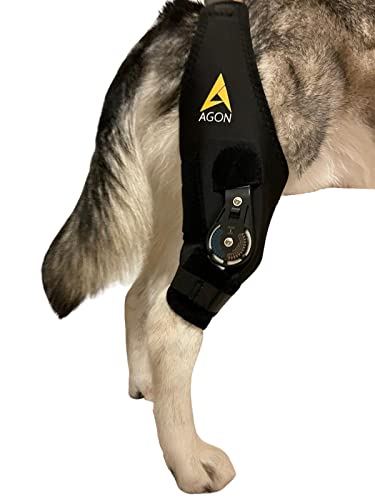
- The Right Choice: If your dog is struggling with a post-knee surgery process, ease its pain and discomfort with the Agon…
- Adjustable Hinge Stabilizer: The Agon neoprene knee brace stands out with an innovative design equipped with an adjustab…
- Highest Quality Materials: Our knee brace for dogs is made with premium quality neoprene, which is extremely durable, st…
Weighing Quality of Life, Dignity, and What Your Dog Would Choose
Here’s the part I keep coming back to, every single time one of my old dogs faces a new treatment decision. Your dog can’t read the pamphlet. He can’t weigh the pros and cons on a whiteboard. He trusts you to do that math for him, and that’s a sacred trust I never take lightly.
When I think about whether an arthritis injection for dogs is right for a particular senior, I ask myself a few honest questions. Is he still enjoying his walks, or just enduring them? Is the current medication actually working, or are we just hoping it is? Would this new option genuinely add comfortable days, or are we chasing a trend because it’s new and shiny?
Informed consent for a dog means informed consent by proxy, through you. That means asking your vet hard questions, reading the actual data instead of the scariest comment on a forum, and trusting your own daily observations just as much as any lab result. You know your dog’s normal. You’ll know within days if something’s off.
Dignity in aging isn’t about eliminating every ache. It’s about making thoughtful, informed choices that keep your dog comfortable, engaged, and loved through every stiff, slow morning. That’s the whole job, really.
Frequently Asked Questions
How long does an arthritis injection for dogs take to start working?
Most dogs receiving Librela show measurable improvement in mobility within one to two weeks of the first dose, based on clinical trial data submitted for FDA approval. Some pet parents notice smaller changes even sooner, like easier stair climbing or less morning stiffness, but full effects typically build over the first month of monthly dosing.
Is a dog joint injection safer than long-term NSAID use?
For dogs with kidney or liver concerns, a dog joint injection like Librela can be a gentler option since it works through a different pathway (blocking nerve growth factor) rather than through the kidneys and liver the way NSAIDs do. That said, it carries its own risks, including rare kidney-related adverse events, so ongoing bloodwork monitoring is still recommended regardless of which treatment you choose.
How much does Librela for dogs typically cost per month?
Pricing surveys referenced by the American Animal Hospital Association show that Librela for dogs generally falls between forty and over a hundred dollars per monthly dose, with the exact amount depending on your dog’s weight and your regional veterinary pricing. Larger dogs require higher doses, which raises the per-injection cost, and most vets also recommend periodic rechecks that add to the overall yearly investment.
What are the most common side effects of canine arthritis treatment injections?
The most frequently reported side effect of this type of canine arthritis treatment is mild, temporary discomfort or swelling at the injection site, which usually resolves on its own within a day or two. Rare but reported adverse events include kidney-related complications, which is why many vets recommend baseline and follow-up bloodwork for dogs starting this treatment.
Whatever you decide for your old friend, know that just asking these questions already puts you ahead of where a lot of pet parents start. Keep watching him closely, keep talking honestly with your vet, and keep choosing comfort over convenience every time you can. Tell your pup I said Hi! — Dawn