Older dog insurance becomes a completely different animal once your pup crosses the 8-year mark, and honestly, most pet parents don’t realize how much the rules shift until they’re staring down a denied claim. I’ve spent years at the sanctuary watching families navigate this exact confusion, usually right when they need clarity the most. If your dog is a senior now, the policy you’d have bought at age 2 isn’t the policy you need at age 9. Let’s get into what actually matters.
Why Insuring Senior Dogs Gets Harder After Age 8
Here’s the truth nobody tells you upfront: older dog insurance gets more restrictive the longer you wait. Insurers know what’s coming. Banfield Pet Hospital’s State of Pet Health data has shown arthritis diagnoses climbing sharply past age 7, and by 8 or 9, a huge share of dogs are already showing some degree of joint degeneration, even if it hasn’t been formally diagnosed yet.
That matters because insurance companies price risk. A dog who’s already stiff getting up from the orthopedic bed in the morning is a different underwriting case than a 3-year-old lab. Some providers cap enrollment age entirely (often somewhere between 10 and 14, depending on the company). Others will accept older dogs but load up the premium or narrow the coverage so much it barely helps.
This is the part that breaks my heart a little. Families wait until their dog is already limping, already coughing, already showing signs of cognitive decline, and then go shopping for insurance. By then, the horse has left the barn. If you’re reading this and your senior dog is still relatively healthy, this is your window. It won’t stay open forever.
Coverage Gaps to Watch For: The Pre-Existing Condition Trap
This is where most senior dog families get burned, and it’s worth sitting with for a minute. NAPHIA’s 2023 State of the Industry report noted that pre-existing condition exclusions account for the majority of claim denials in senior pets. Not accidents. Not confusion about paperwork. Exclusions.
Here’s how it works in practice: if your dog was diagnosed with arthritis, a heart murmur, or early kidney values before you signed the policy, that condition (and often anything “related” to it) is excluded for the life of the policy. Some companies define “related” so broadly that a hip issue can end up excluding half the dog’s mobility-related claims down the road.
A policy that excludes the exact conditions your senior dog is most likely to develop isn’t really coverage. It’s a piece of paper that feels like protection until the day you actually need it.
If your dog already has a diagnosed condition like arthritis affecting his hind legs, insurance may not be the right tool for that specific issue anymore. In that case, I’d point you toward our breakdown of dog arthritis treatments for hind leg pain instead, because managing what’s already there matters more than chasing a policy that won’t touch it.

Key Policy Features That Actually Matter for Aging Dogs
Not all coverage is created equal, and for a senior dog, some features matter far more than others. Here’s what I tell people to prioritize when comparing senior dog insurance plans:
- Chronic illness management: ongoing coverage for conditions like kidney disease, diabetes, or heart disease, not just a one-time diagnosis payout.
- Diagnostic testing coverage: bloodwork, x-rays, ultrasounds. Senior dogs need more monitoring, and these costs add up fast.
- Mobility and rehab support: physical therapy, hydrotherapy, and sometimes even mobility aids depending on the plan.
- No upper age cap for renewal: some insurers will insure a new senior dog but then refuse to renew once he hits a certain age. Ask directly.
- Alternative and palliative care: acupuncture, chronic pain management, hospice-adjacent support. Not every provider covers this, but the good ones do.
I’ll be honest with you: many aging dogs end up needing daily medications long-term, whether it’s something for seizures, anxiety, or organ support. Something like Phenobarbital, 16.2 MG Tablet is a common example of a maintenance medication senior dogs may be prescribed long-term, and a good policy should actually help offset that ongoing cost rather than treating it as a one-off expense.
There is an issue displaying Amazon products. Please contact the administrator to check that.Always confirm with your vet before starting or changing any medication regimen. This is mentioned here as an example of ongoing senior dog care costs, not medical advice.
Cost Realities: Premiums, Deductibles, and Reimbursement That Actually Pays Off
Let’s talk numbers in the way that’s actually useful, not in exact dollar figures (those change constantly and vary wildly by region, breed, and provider), but in what to compare across plans.
Older dog insurance premiums rise with age, sometimes significantly year over year, because the risk profile changes. What you want to compare isn’t just the monthly premium. It’s the relationship between premium, deductible, and reimbursement percentage.
- A low premium with a high deductible and low reimbursement rate often ends up costing you more out of pocket during an actual claim.
- Annual deductibles (reset once a year) tend to be friendlier for senior dogs with ongoing conditions than per-incident deductibles.
- Reimbursement rates of 80-90% are generally where the real value lives for aging dogs with recurring vet visits.
Here’s a comparison to help you visualize how different coverage priorities stack up, using relative price tiers instead of fixed numbers since actual premiums shift constantly:
| Coverage Type | Best For | Pre-Existing Exclusions | Reimbursement Range | Price Tier |
|---|---|---|---|---|
| Accident-Only Plan | Dogs with existing chronic conditions | Minimal (accidents only) | 70-90% | $ |
| Accident + Illness Plan | Healthy seniors without major diagnoses yet | Moderate to Strict | 70-90% | $$$ |
| Comprehensive Wellness + Illness | Seniors needing frequent diagnostics | Strict | 80-90% | $$$$ |
| Chronic Care Add-On Rider | Dogs managing diabetes, kidney disease, arthritis | Varies by provider | Depends on base plan | $$ |
| Palliative/Hospice Rider | End-of-life comfort care | Rarely excluded | Varies | $$ |
If your dog already has a chronic condition that insurance won’t touch, don’t panic. Weighing whether pet insurance is worth it for an older dog against a dedicated vet savings fund is a completely valid path, and sometimes the smarter one.

Managing Daily Care Costs Insurance Might Not Fully Cover
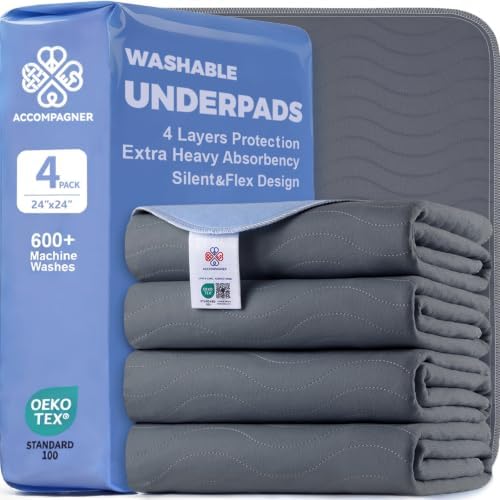
Even with a solid policy, plenty of senior dog needs fall into the gray zone between “medical necessity” and “quality of life supply.” Incontinence is a big one. As dogs age, especially those with mobility issues or cognitive decline, accidents become part of daily life, and most insurance plans won’t reimburse for supplies like Accompagner Incontinence Bed Pads Washable.
- Polyester & Rayon
- 4‑Layer Bed Wetting Pads: As high‑quality pee pads for adults and children, they instantly lock in liquid and prevent le…
- Durable & Washable: Compared to disposables, these reusable bed underpads greatly reduce waste. They maintain high absor…
This is something I wish more people budgeted for separately from insurance entirely. Washable pads are a much kinder, more sustainable option than disposables long-term, both for your senior dog’s dignity and for your wallet. It’s a small thing that makes a genuinely big difference in daily comfort.
Questions to Ask Providers Before You Sign Anything
Before you commit to any policy, ask these directly. Don’t let a sales rep dance around them:
- Is there an upper age limit for enrollment, and will you guarantee renewal for life once enrolled?
- How exactly do you define “pre-existing condition,” and is it curable vs. incurable distinctions applied?
- Are chronic conditions like arthritis, kidney disease, or cognitive dysfunction covered on an ongoing basis, or just for the initial diagnosis?
- What’s the claims process turnaround time, realistically, not the marketing promise?
- Do premiums increase automatically each year, and by roughly how much historically?
Red flags to walk away from: vague exclusion language, no clear appeals process for denied claims, and any provider who won’t put age-related renewal guarantees in writing. If they’re evasive on the phone, they’ll be evasive when you’re filing a claim during the hardest week of your dog’s life. You deserve better than that, and so does he.
Comfort Matters Just as Much as Coverage
One thing I always remind people: insurance handles the medical piece, but quality of life is its own project entirely. Senior dogs, especially those with thinning fur or sensitivity to heat, need protection in everyday moments too, like keeping the car cool during errands. Something as simple as a JOYTUTUS Windshield Sun Shade Umbrella can keep your parked car from turning into an oven while your senior pup waits for you.

- 【360°Rotating Shaft and Opening Design】: Joytutus upgraded car windshield sunshade umbrella with a 360°rotating shaft wi…
- 【Universal and Widely Adaptable】: Measured 54 inches x 31 inches, Joytutus windshield sunshade can provide sun protectio…
- 【Effective Sun Protection】: The cover is made of high-quality composite Titanium Silver Cloth that boasts great thermal …
These little details don’t show up in any insurance brochure, but they’re part of the whole picture of caring for an aging dog well. Aging dog coverage is about more than claims and premiums. It’s about building a life around him that accounts for everything he needs now, not what he needed five years ago.
What This Really Comes Down To
I’ve sat with a lot of dogs in their final years at the sanctuary, and I can tell you this: the families who feel most at peace aren’t the ones with the fanciest policy. They’re the ones who understood exactly what their coverage did and didn’t do, long before they needed it. Pet insurance for seniors is a tool, not a guarantee, and it works best when you go in with clear eyes.
If your dog is over 8 and you’re just now looking into older dog insurance, you’re not behind. You’re paying attention, which is more than a lot of people ever do. That alone tells me something good about the life your dog is living. According to the ASPCA’s guidance on aging pets, proactive senior care planning, insurance included, meaningfully improves quality of life outcomes for older dogs. That’s not marketing. That’s just true.
Frequently Asked Questions
Is it too late to get insurance for my dog if he’s already over 8?
It’s not too late, but it does get more limited. Most providers still accept dogs at this age, though enrollment caps vary, and any current diagnosed conditions will likely be excluded as pre-existing. The sooner you enroll, even now, the fewer new exclusions accumulate going forward.
Will senior dog insurance cover arthritis or joint issues?
Only if the condition wasn’t diagnosed or showing symptoms before your policy started. If your dog already has documented joint stiffness or an arthritis diagnosis, that condition will almost certainly be excluded going forward under most standard policies.
Does senior dog insurance cover cognitive dysfunction (dog dementia)?
Coverage varies widely by provider. Some comprehensive illness plans cover diagnostic testing and related medication for cognitive dysfunction, while others treat it as a behavioral exclusion. Always ask specifically about cognitive decline before enrolling if this is a concern.
What’s a reasonable reimbursement percentage to look for in older dog insurance?
Aim for 80% to 90% reimbursement if your budget allows it. Lower reimbursement rates, paired with senior dog premiums, often leave you covering a larger share of costs than expected during a major illness or extended chronic care situation.
Whatever you decide, do it with your eyes open and your dog’s actual needs front and center, not the marketing pitch. That’s the whole job, really. Tell your pup I said Hi! — Dawn