A senior dog food guide isn’t a luxury when your dog hits 13. It’s a necessity. At this age, every meal is either working for your dog’s body or quietly working against it, and there’s not a lot of room left for guessing. I’ve sat on kitchen floors with old dogs who wouldn’t eat, coaxing kibble into their mouths by hand, and I can tell you: what’s in the bowl matters more now than it ever did when they were young and bulletproof.
This isn’t about restriction. It’s about recalibration. A 13-year-old body is running on a different engine than it was at three, and the food you scoop into that bowl every morning needs to reflect that shift. Let’s talk about what actually changes inside an aging dog, and how to feed for the dog in front of you, not the puppy you remember.
Why Aging Bodies at 13+ Years Need Recalibrated Nutrition
Here’s the truth nobody tells you when you bring home that soft, wiggly puppy: one day, the metabolism that burned through everything will slow to a crawl. Organs that worked silently for over a decade start to show wear. Muscle that took years to build can disappear in months if you’re not paying attention.
A 13-year-old dog is not simply an older version of a middle-aged dog. The body composition itself is different. Metabolic rate drops, which means calorie needs often decrease even as protein needs go up (yes, up, we’ll get to that). Kidneys and liver process nutrients less efficiently. The gut microbiome shifts too, which is part of why old dogs get gassy or loose-stooled on foods they tolerated fine for years.
I’ve watched dogs come back to life, literally regain the spark in their eyes, just from a change in what’s going into their body. Food is medicine at this age. Honestly, who thinks feeding an old dog the same bag of food they ate at age two is a good long-term plan? It’s not malice, it’s just not thinking it through, and that’s exactly what this guide is for.
This is where a proper senior dog food guide earns its keep. It’s not about fear. It’s about attention. Old dogs deserve a caregiver who notices the small shifts before they become big problems.
Core Nutritional Priorities for Very Old Dogs
Let’s get one myth out of the way immediately, because it’s costing old dogs their muscle mass every single day: senior dogs need more high-quality protein, not less. This isn’t my opinion. It reflects nutritional guidance from veterinary nutrition bodies like the World Small Animal Veterinary Association, which has pushed back hard against the outdated idea that aging dogs should be fed low-protein diets to “protect the kidneys.”
Unless your dog has diagnosed kidney disease, restricting protein does more harm than good. It accelerates sarcopenia (age-related muscle wasting), and once a 13-year-old dog loses muscle, getting it back is a slow, uphill climb. Highly digestible, quality animal-based protein preserves lean mass, supports immune function, and helps wound healing.
A well-balanced senior dog food guide for a dog this age should prioritize:
- Digestible animal protein (chicken, fish, egg) to fight muscle loss
- Moderate healthy fats for steady energy without excess calorie load
- Omega-3 fatty acids (EPA/DHA from fish oil) to ease joint inflammation and support cognitive function
- Antioxidants like vitamin E and C to support an aging immune system
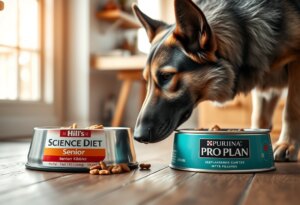
Many pet parents find that a formula built specifically around this life stage takes the guesswork out. Hill’s Science Diet Adult 7+ Dry Dog Food is formulated with this exact balance in mind, offering digestible protein alongside targeted nutrients for aging bodies, and it’s a reasonably budget-friendly option for daily feeding.

- Healthy heart, kidneys, and bladder supported by antioxidants and balanced minerals
- Lean muscles supported with high-quality protein
- Made with natural ingredients
Adjusting for Common Ailments in a 13-Year-Old Dog
Most 13-year-old dogs are carrying at least one quiet health complication, even if they’re not showing obvious symptoms yet. This is where feeding gets personal, and where a generic bag of food off the shelf stops being enough.
Kidney function often declines gradually with age. If bloodwork shows early kidney changes, your vet may recommend adjusted phosphorus levels, but again, this should be a targeted, vet-guided decision, not a blanket restriction applied to every senior dog regardless of actual kidney values. The American Animal Hospital Association senior care guidelines emphasize individualized nutrition plans based on actual diagnostics rather than age alone.
Digestive regularity becomes a bigger issue too. Fiber helps keep things moving and supports a healthy gut microbiome, which matters more than people realize for overall immune health in old dogs. If your dog’s stools have gotten unpredictable, a fiber-rich diet is often the first, gentlest fix to try.
Calorie density needs a hard look as well. Old joints carrying extra weight age faster and hurt more. If your dog has any arthritis or hind-limb weakness, keeping them lean is one of the most powerful things you can do, right alongside proper joint support. For dogs already showing stiffness or difficulty rising, it’s worth reading through this breakdown of the 5 best dog arthritis treatments for hind leg pain to pair the right diet with the right mobility support.
Here’s a comparison to help you think through options at a glance:
| Product | Best For | Key Feature | Price Tier |
|---|---|---|---|
| Hill’s Science Diet Adult 7+ Dry Dog Food | Daily complete nutrition | Digestible protein, tailored senior nutrient blend | $$ |
| Hill’s Science Diet Adult 7+ Wet Dog Food | Dogs with low appetite or dental issues | Soft texture, aromatic, hydration support | $$ |
| The Farmer’s Dog Human-Grade Crunchy Biscuits | Treats and training rewards | Human-grade beef, simple ingredient list | $$$ |
Practical Feeding Strategies That Actually Work
Small shifts in how you feed matter just as much as what you feed. I’ve learned this the hard way, sitting with old dogs who turned their nose up at a full bowl simply because it was cold and flat-smelling.
Try these adjustments:

- Smaller, more frequent meals ease digestion and prevent the bloated, sluggish feeling a big meal can cause in an older gut
- Warm the food slightly (body temperature, not hot) to release aroma. Diminished smell is real in senior dogs, and scent drives appetite more than we give it credit for
- Add moisture through wet food, bone broth, or warm water mixed into kibble. Hydration support matters enormously, especially for dogs with any kidney concern
- Hand-feed short sessions if appetite is shaky. Sometimes connection is the missing ingredient, not the food itself
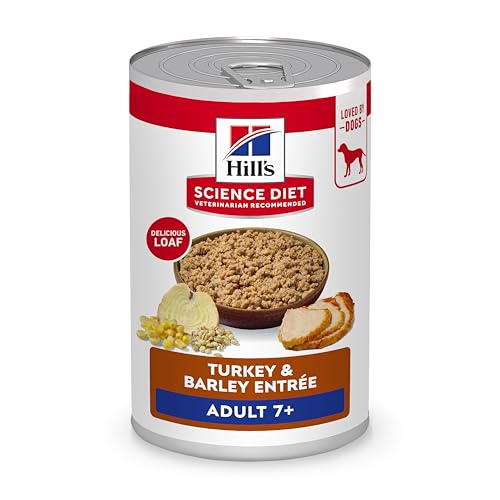
For dogs who’ve lost enthusiasm for kibble entirely, transitioning some meals to a soft option can reignite interest. Hill’s Science Diet Adult 7+ Wet Dog Food works well as a topper or full meal replacement for dogs with dental sensitivity or a fading appetite, and the soft texture makes it easier on aging jaws.
Treats matter too, more than people think. A lot of old dogs live for their little rituals, that biscuit after the evening walk, the small reward for taking their meds without a fuss. Choosing something simple and clean, like The Farmer’s Dog Human-Grade Crunchy Dog Biscuits, keeps those small joys intact without loading up on fillers your dog’s body doesn’t need anymore.

- ALL-NATURAL DOG BISCUITS: The Farmer’s Dog Crunchy Biscuits are taking dog treats back to basics—with simple, all-natura…
- ALWAYS HUMAN-GRADE: Our dog treats are made to human-grade quality standards in the same facilities that make human food
- HEALTHY TREATS COMPLETE A HEALTHY DIET: Developed by On-Staff, Board-Certified Veterinary Nutritionists with just 9 calo…
Red Flags That Require a Vet-Guided Diet Change
This is the part I want you to really sit with. Old dogs don’t always announce their pain loudly. They tell you in quiet ways, and it’s on us to notice.
Watch for these signs, and don’t wait on them:
- Sudden or unexplained weight loss, even if appetite seems normal
- Refusing food they used to love, especially for more than a day or two
- Vomiting after meals, or repeated regurgitation of undigested food
- Increased thirst and urination, which can point to kidney or endocrine changes
- Lethargy paired with any digestive change
Any of these deserve a call to your vet, not a Google search and a wait-and-see approach. A prescription renal or GI diet might be needed, and that’s not a failure on your part. That’s responsive, loving care. Following a general senior dog food guide gets you most of the way there, but real diagnostics and bloodwork close the gap that guesswork can’t.
If your dog is also showing behavioral shifts alongside appetite changes, like sudden clinginess or reacting oddly when you hug someone else, it’s worth understanding whether that’s tied to discomfort or something else entirely. This piece on senior dog jealous behavior and fixes when your dog barks or jumps between hugs digs into that overlap between emotional need and physical decline.
Feeding With Intention, Not Just Habit
Feeding an old dog well isn’t about perfection. It’s about presence. It’s noticing when the bowl comes back a little less licked clean than last week. It’s asking why, instead of assuming it’s nothing.
A good senior dog nutrition plan bends around your specific dog, their bloodwork, their appetite, their quirks, not the other way around. Feeding old dogs well at 13 means less rigidity and more responsiveness. And choosing the right dog food for elderly dogs is one small, steady act of love repeated three times a day, every single day, for however many good days are left.
That’s the quiet work of caregiving. Nobody claps for it. But your dog knows.
Should a 13-year-old dog eat less protein to protect their kidneys?
Not unless your vet has diagnosed actual kidney disease through bloodwork. Healthy senior dogs generally need more high-quality, digestible protein than younger adults to preserve muscle mass, not less. Restricting protein without a diagnosis can accelerate muscle wasting and weaken an already aging body.
How many times a day should I feed a very old dog?
Most 13-year-old dogs do better on three to four smaller meals rather than one or two large ones. Smaller, more frequent meals are gentler on an aging digestive system and can help maintain steadier energy and appetite throughout the day.
Why won’t my senior dog eat the same food they used to love?
Diminished sense of smell, dental discomfort, or early nausea from an underlying condition can all cause food refusal in older dogs. Warming the food slightly to enhance aroma, adding a broth topper, or switching to a softer texture often helps, but persistent refusal for more than a day or two should always be checked by a vet.
What’s the biggest mistake pet parents make feeding a 13-year-old dog?
Assuming the same food that worked at age five still works at thirteen. Metabolism, muscle mass, and organ function all shift with age, and a static feeding routine often misses early signs of decline. Following a thoughtful senior dog food guide and rechecking your dog’s needs regularly closes that gap.
Feeding an old soul takes patience, and it takes a willingness to keep learning right alongside them. You’re doing more good than you probably realize just by asking these questions in the first place. Tell your pup I said Hi! — Dawn