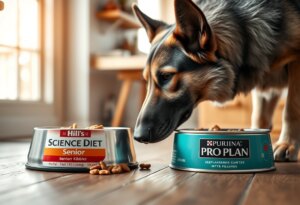


Dog food for shedding becomes a serious consideration once you notice your aging Labrador or Golden Retriever leaving fur on every surface of your house, and the biology behind that increase is more specific than most owners realize. Shedding in senior dogs follows two distinct patterns, and telling them apart matters more than any grooming product on the market. One is normal seasonal follicle cycling, the natural “blowing coat” event tied to daylight length and ambient temperature. The other is pathological shedding driven by nutritional deficiency, hormonal dysfunction, or skin barrier breakdown, and that second category is where diet actually has leverage.
As a behaviorist, I get asked about shedding more than you’d expect, usually framed as a behavior problem (“she won’t stop scratching and it’s driving both of us crazy”). But the root cause is almost always physiological, not behavioral. Hair follicles cycle through anagen (growth), catagen (transition), and telogen (rest) phases. In healthy adult dogs, this cycle is tightly regulated. In aging dogs, metabolic slowdown, reduced nutrient absorption efficiency, and lower systemic inflammation control can push more follicles into telogen simultaneously, producing the diffuse, heavier shedding owners describe as “suddenly getting worse.” Distinguishing that from a seasonal coat blow is the first diagnostic step, and it’s one most owners skip entirely.
The Skin Barrier Is the Actual Target, Not the Fur
Owners tend to think about shedding as a hair problem. Functionally, it’s a skin problem. The stratum corneum, the outermost skin layer, relies on intact lipid structure to retain moisture and resist microtrauma. When that barrier degrades, transepidermal water loss increases, follicles become more reactive to minor irritation, and shedding accelerates as a downstream symptom.
A 2020 study published in Veterinary Dermatology measured this directly. Dogs fed diets supplemented with balanced omega-3 and omega-6 fatty acids showed measurably reduced transepidermal water loss and objectively improved coat quality scores within an 8-week window. That timeline is worth remembering, because it tells you two things: first, that dietary fatty acid intervention has a real, measurable physiological effect, and second, that the effect is not immediate. Anyone expecting visible change in the first two weeks of a food switch is working against the actual biology of the hair cycle.
Omega-3 fatty acids, specifically EPA and DHA sourced from fish oil, integrate into cell membrane phospholipids throughout the skin and reduce the inflammatory cascade that damages follicle structure. Omega-6 fatty acids, mainly linoleic acid, support the ceramide layer that keeps the skin barrier watertight. Senior dogs need both in a reasonably balanced ratio, not just a high total fat percentage, because an omega-6 heavy diet without adequate omega-3 can actually promote a pro-inflammatory state.

Comparing the Nutrients That Actually Move the Needle
Not every “senior formula” on a pet store shelf is formulated with coat health as a priority, and label claims about “healthy skin and coat” are only loosely regulated. Here is a comparative breakdown of the nutrients with the strongest evidence base, along with why senior-specific formulation matters for each one.
| Nutrient / Factor | Why It Matters for Shedding | Target Range / Note | Price Tier |
|---|---|---|---|
| EPA/DHA (Omega-3) | Reduces inflammatory mediators that disrupt follicle cycling and skin barrier integrity | Look for fish oil or algae-based sources, not just “flaxseed” as sole source | $$$ |
| Linoleic Acid (Omega-6) | Maintains ceramide lipid layer, prevents transepidermal water loss | Balanced ratio with omega-3, not excess alone | $$ |
| Zinc | Cofactor for keratin synthesis; deficiency causes brittle coat and slow regrowth | Especially relevant in large-breed seniors with reduced absorption | $ |
| Biotin | Supports keratin structure; deficiency is rare but compounds other issues | Usually adequate in complete commercial diets | $ |
| High-Quality Animal Protein | Hair is roughly 95% protein (keratin); inadequate protein directly weakens shaft strength | NRC guidelines: requirement does not decrease with age | $$ |
That last row deserves emphasis because it contradicts a widespread owner assumption. Many people switch their senior Lab or Golden to a lower-protein diet believing it “eases the load” on aging kidneys or reduces weight gain. The National Research Council guidelines are clear that adult maintenance protein requirements do not decrease with age in healthy dogs. Unless bloodwork confirms actual renal insufficiency, cutting protein in a senior dog can directly undercut coat quality, since hair shaft strength is largely a function of dietary amino acid availability. This is a case where a well-meaning owner decision produces the opposite of the intended effect.
A quality senior formula built around these principles, such as NUTRO NATURAL CHOICE Adult Dry Dog Food, uses farm-raised protein as a primary ingredient along with added fatty acids, which aligns with the nutrient targets above without requiring you to piece together separate supplements.

- Supports Whole-Body Health: NUTRO NATURAL CHOICE Adult Dry Dog Food is made with essential nutrients and antioxidants to…
- Made With Real Lamb: Real lamb is the #1 ingredient in this protein-rich recipe
- Supports Healthy Skin & Coat: Made with high-quality protein, this delicious dry dog food also contains Omega 3 & 6 fatt…
If your dog has known joint issues alongside the coat changes, which is common in aging large breeds, it’s also worth reading our vet-backed guide to senior dog joint supplements, since several joint-support ingredients like fish oil overlap directly with the coat health nutrients discussed here.
The Genetics Myth: Why Identical Diets Produce Different Results
Here’s where I have to push back on a comforting but inaccurate belief: that shedding is purely genetic and therefore unmanageable through diet. The data on this is genuinely contradictory, and that’s useful information, not a reason to give up.
Two Golden Retrievers from the same litter, fed the identical diet for the same duration, can show measurably different shedding outcomes. This variability doesn’t mean nutrition is irrelevant. It means nutrition is one variable among several, including individual metabolic rate, baseline skin barrier function, and undiagnosed concurrent conditions that a food change alone cannot correct.
Golden Retrievers do carry a genetically dense double coat that will always shed more than a short-coated breed, and no dog food for shedding is going to change that baseline. But excessive shedding, meaning shedding beyond what’s typical for the breed and season, is frequently a signal of something else entirely. Hypothyroidism is extremely common in aging Labs and Goldens and produces a classic pattern of thinning coat, dry brittle fur, and lethargy. Environmental or food allergies cause secondary shedding through chronic scratching and follicle trauma. Cushing’s disease, more common in older dogs, alters coat texture and shedding pattern through cortisol dysregulation.

Don’t count on a diet change to work miracles if one of these underlying conditions is present. This is exactly why I recommend baseline veterinary bloodwork, including a full thyroid panel, before assuming a shedding change is purely a food problem. If you’ve made a genuine nutritional upgrade and tracked results carefully with no improvement, that’s diagnostic information pointing toward a medical cause, not a sign you picked the wrong dog food for shedding.
An Evidence-Based Protocol for Transitioning Your Senior Dog’s Diet
If you’re ready to try a nutrition-based intervention, do it systematically. A haphazard food switch makes it impossible to know what actually caused any change you observe, good or bad.
- Baseline documentation. Before changing anything, take dated photos of the coat in consistent lighting, and note current shedding frequency (daily brushing volume, furniture accumulation) for one week.
- Rule out medical causes first. Schedule a veterinary exam with thyroid panel and general bloodwork before or alongside any diet change. This prevents wasted months chasing a nutritional fix for an endocrine problem.
- Transition gradually over 7 to 10 days. Mix increasing ratios of new food into the old, roughly 25% increments every two to three days, to avoid gastrointestinal upset that can itself stress the skin barrier through cortisol elevation.
- Track for a full 6 to 8 week window. This matches the timeline shown in the fatty acid research cited earlier. Weekly, note coat shine, skin flaking, scratching frequency, and shed volume using the same rough measurement method each time.
- Add a targeted supplement if the base diet falls short. A senior-specific multivitamin such as Vita-Tabs Silver for Senior Dogs can fill gaps in zinc and other coat-relevant micronutrients, particularly useful for dogs eating a home-prepared or lower-tier commercial diet.

- Comprehensive Nutrition: Vita-Tabs provide a balanced blend of essential vitamins and minerals to support your dog’s ove…
- Immune System Support: Packed with antioxidants, these tabs help strengthen your dog’s immune system, promoting a robust…
- Healthy Coat and Skin: The inclusion of Omega-3 fatty acids contributes to a lustrous coat and healthy skin, ensuring yo…
Alongside the dietary protocol, mechanical coat management supports the process rather than replacing it. Regular brushing removes telogen-phase hair before it distributes around your home and stimulates blood flow to the follicle bed, which some owners find modestly improves coat texture over time. A tool like the PWOD Self Cleaning Slicker Brush makes this a low-friction daily habit rather than a dreaded chore, which matters because consistency is what actually produces results, not the specific brush model.
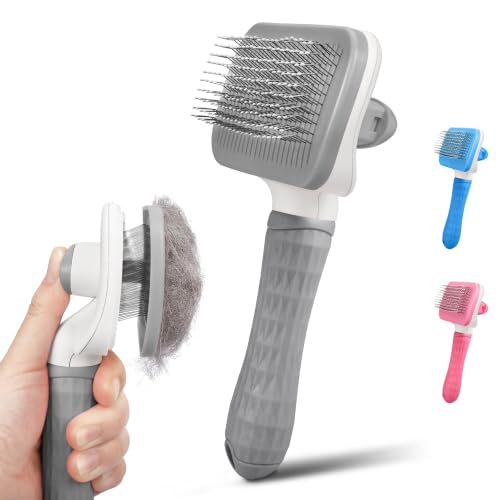
- 🐶Painless Trim Pet Brush — With massage particles, massage for pets when grooming, promote blood circulation and keep y…
- 🐶Efficient Hair Removal Effect — Pet grooming brushes removes loose hair by up 96%, can effectively remove loose hair, …
- 🐶High Quality and Comfortable — PWOD Dog & Cat Brush Grooming Brush has High-quality stainless steel needles, which wil…
When to Escalate to a Veterinary Dermatology Referral
Diet and grooming changes address a meaningful subset of shedding cases, but there’s a clear point where continued at-home intervention is no longer appropriate and a referral is warranted. Escalate if you observe any of the following during your 6 to 8 week tracking window:
- Patchy or bilateral symmetrical hair loss rather than diffuse thinning
- Visible skin lesions, pustules, or persistent redness underneath the coat
- No improvement at all after a genuinely completed nutritional trial with bloodwork already ruling out thyroid dysfunction
- Shedding accompanied by significant behavioral changes such as increased licking, restlessness, or apparent pain response to touch
These signs suggest a dermatological or systemic condition that requires diagnostic tools beyond what a food change can address, including skin scrapes, cultures, or allergy panel testing. A veterinary dermatologist can identify conditions like atopic dermatitis or autoimmune skin disease that mimic simple age-related shedding but require entirely different treatment protocols.
It’s also worth noting that breed selection itself influences the long-term maintenance burden owners take on. If you’re considering your next dog and want to weigh coat and grooming demands against other traits, our breakdown of the downside of a Golden Retriever covers this directly, and for owners in smaller living spaces, our guide to medium-sized family dogs for small spaces compares grooming needs across breeds.
Putting It Together
Finding the right dog food for shedding in a senior Labrador or Golden Retriever isn’t about chasing a miracle formula. It’s about matching a nutrient profile, adequate protein, balanced omega-3 and omega-6 fatty acids, sufficient zinc, to the specific physiological demands of an aging skin barrier, while ruling out the medical conditions that mimic simple nutritional shedding. Track your results with real data over a real timeline, and let that data tell you whether you’re looking at a nutrition problem or a medical one.
How long does it take for a new dog food to reduce shedding in a senior dog?
Based on clinical research, measurable improvements in coat quality and skin barrier function typically appear around 8 weeks after a consistent dietary change. Shorter trials often produce inconclusive results because the hair growth cycle simply hasn’t progressed far enough to reflect the nutritional shift.
Is fish oil enough to fix excessive shedding on its own?
Fish oil supplies omega-3 fatty acids that support skin barrier function, but it works best as part of a complete, protein-adequate diet rather than as a standalone fix. If shedding persists despite adequate omega-3 intake, an underlying medical cause such as thyroid dysfunction should be investigated.
Should I lower my senior Labrador’s protein intake to reduce shedding?
No, not without a specific medical reason confirmed by bloodwork. National Research Council guidelines indicate that protein requirements do not decrease with age in healthy dogs, and since hair is composed largely of keratin protein, restricting protein unnecessarily can worsen coat quality rather than improve it.
Why is my Golden Retriever shedding more even though I haven’t changed anything?
Age-related changes in metabolic rate and nutrient absorption can shift more hair follicles into the resting phase simultaneously, increasing shed volume without any change in diet or environment. This is also an age where thyroid dysfunction becomes more common, so a veterinary checkup with bloodwork is a reasonable next step if the change is sudden or severe.