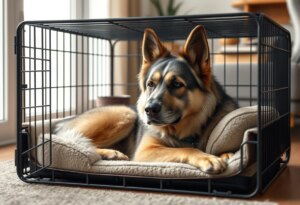
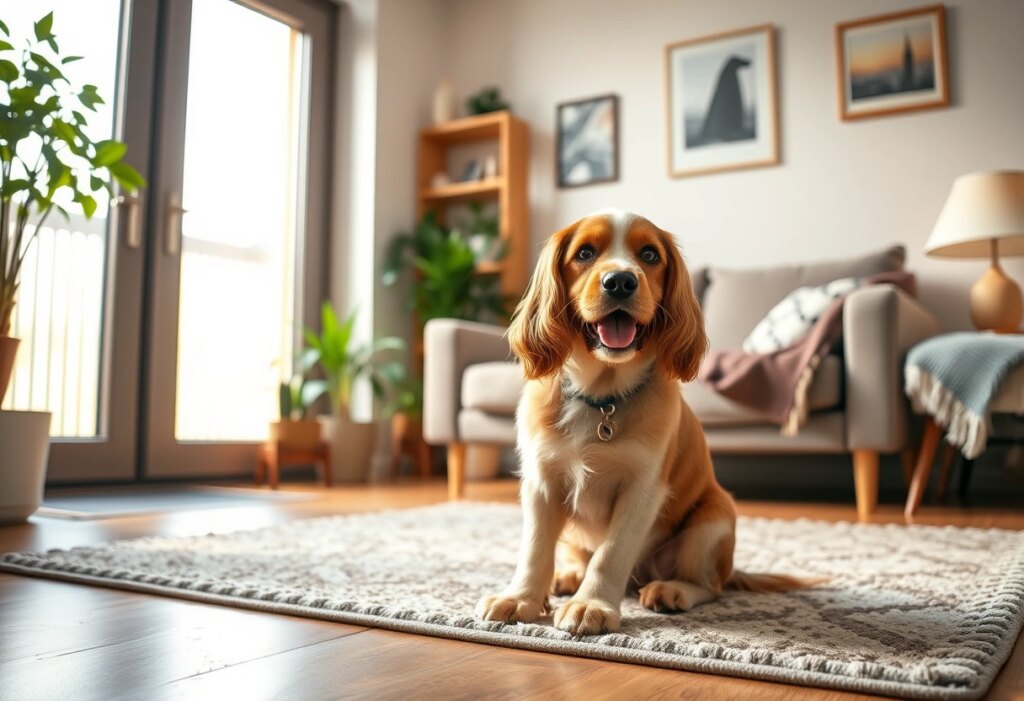

Medium-sized family dogs are the quiet secret to happy apartment living and small-yard life, and I say that after decades of watching dogs of every size try to fold themselves into homes that weren’t built with them in mind. You don’t need five acres and a barn to give a dog a good life. You need the right dog, the right routine, and a whole lot of intention. That’s it. That’s the real secret nobody tells you at the shelter counter.
I’ve spent years at the sanctuary watching dogs age, adapt, and teach me things I didn’t know I needed to learn. And one thing I’ve learned for certain: a dog’s happiness has almost nothing to do with square footage. It has everything to do with fit. So let’s talk about which medium-sized family dogs actually thrive in small yards and apartments, and how to set them up for a good long life in a compact space.
Why Medium-Sized Breeds Suit Small Yards and Apartments
Large breeds carry big joints, big appetites, and often big exercise needs that just don’t compress well into a one-bedroom walk-up. Medium-sized family dogs sit in a sweet spot. They’re substantial enough to feel like a “real dog” to families who want that presence, but their energy output and physical footprint are manageable in tighter quarters.
Most medium breeds weighing between 25 and 50 pounds have adaptable energy levels. They can go for a solid walk and then settle onto the couch without pacing the hallway at 2 a.m. That adaptability is the whole ballgame when you’re working with limited square footage. A dog who *needs* to sprint for an hour a day is going to struggle in a studio apartment no matter how much you love him. A dog who’s content with a couple of good walks and some mental enrichment? That’s your apartment dog.
A tired mind is just as important as a tired body. I’ve seen dogs in tiny apartments who were calmer and better adjusted than dogs on ten acres, simply because their people understood that enrichment isn’t optional. It’s the whole job.
What the Data Actually Says About Space and Exercise
Here’s something that surprises a lot of new dog parents: acreage isn’t the magic ingredient people think it is. Guidance from The Kennel Club notes that apartment-friendly breeds generally thrive with two daily walks totaling 30 to 60 minutes, not unlimited yard access. A dog who gets consistent, quality outings on leash is often better exercised, mentally and physically, than a dog who gets tossed into a backyard alone. That distinction matters because so many families assume a yard is a substitute for a walk. It isn’t. Dogs need the sensory stimulation of new smells, new sounds, and new territory. A fenced yard, even a nice one, becomes monotonous fast. Medium-sized family dogs, in particular, do well with structured walks because their energy needs are moderate enough that two solid outings a day genuinely satisfy them.

This is also where senior dog owners start paying closer attention early, because the habits you build with a young medium-sized dog set the stage for how gracefully he ages. A dog used to structured walks and enrichment at three years old tends to adjust better to slower senior walks at eleven.
Top Medium Breed Profiles for Small Spaces
Let’s get into specifics, because “medium-sized” covers a lot of very different personalities.
- French Bulldog: Compact, low-exercise, and famously affectionate. Frenchies do beautifully in apartments but need careful heat and breathing considerations since they’re brachycephalic. Not a dog for a fifth-floor walk-up in July without air conditioning.
- Cocker Spaniel: Gentle, people-oriented, and moderately active. Cockers need regular grooming (that coat mats fast) but their temperament is about as apartment-friendly as it gets. Sweet, biddable, eager to please.
- Whippet: This one surprises people. Whippets are sprinters, not marathoners. They’ll do a joyful zoomie session and then sleep for eighteen hours on your couch like a throw pillow. Minimal grooming, minimal barking, maximum snuggling.
- Border Terrier: Scrappy, smart, and sturdy. Border Terriers have moderate energy but a strong prey drive, so secure leashing matters. Their wiry coat is low-shedding, which is a real plus in small spaces.
Each of these medium-sized family dogs brings something different to the table, but they share that core trait: adaptable energy that doesn’t demand acreage to feel satisfied.
Grooming, Noise, and the Realities Nobody Mentions
Grooming matters more in a small space than people expect. A shedding dog in a studio apartment means fur everywhere, constantly. Cocker Spaniels and French Bulldogs both have grooming needs (regular brushing, wrinkle care for the Frenchie) that keep shedding and odor manageable in tight quarters. Noise tolerance is the other conversation nobody has upfront. Thin apartment walls and vocal breeds are a rough combination for you, your dog, and your neighbors. Terriers, in particular, can be barkers. If you’re in a building with shared walls, factor that into your breed choice honestly. Nobody benefits from a dog who’s constantly stressed by feeling like he has to shush himself.
AKC Popularity Trends Worth Knowing
According to American Kennel Club registration trends, breeds like the Bulldog and Boston Terrier have consistently ranked among the top ten most popular apartment dogs in recent years. That popularity isn’t random. These breeds check the boxes families actually need in small-space living: manageable size, moderate exercise needs, and temperaments that don’t unravel without a big yard to run in. It’s worth remembering that popularity doesn’t mean “right for you.” Boston Terriers are wonderful, social little dogs, but they still need daily structure and enrichment. Popularity trends are a starting point for research, not a substitute for it.

Practical Checklist for Apartment and Small-Yard Living
If you’re bringing a medium-sized family dog into a compact space, here’s what I’d walk through with you if we were standing in my kitchen having this conversation over coffee:
- Noise tolerance: Know your building’s rules and your dog’s vocal tendencies before you commit.
- Flooring and joint considerations: Hardwood and tile floors are hard on joints, especially as dogs age. Rugs and traction mats matter more than people realize.
- Enrichment toys: Puzzle feeders, snuffle mats, and slow feeders keep minds busy when legs can’t run far.
- Future-proofing for senior years: The dog you bring home at eight weeks will be a senior one day, often sooner than you think for many medium breeds. Plan your space with that in mind now.
On that note, secure leash equipment matters from day one, not just for senior dogs with mobility issues. A well-fitted rabbitgoo Dog Harness Medium Sized gives you better control on crowded sidewalks and stairwells, which matters a lot when you’re navigating apartment hallways and elevators with an excited dog who wants to greet every single neighbor.

- Create a Snug Fit: 4 fully adjustable straps suit most breeds, fitting while allowing freedom of movement. The adjustabl…
- Simple to Wear: Thoughtfully designed with 3 quick-release buckles, the harness could be wear smoothly. It allows the ow…
- Ultra Safety Design: The pet harness is composed of tough, abrasion-resistant Oxford fabric with reinforced stitching fo…
Feeding setup deserves thought too, especially in small kitchens where floor space is precious. An elevated feeder like the addggo Elevated Ceramic Slow Feeder Dog Bowls helps slow down fast eaters (a common issue in food-motivated medium breeds like Cocker Spaniels and Boston Terriers) while also being gentler on the neck and joints, which pays off later when your dog reaches his senior years.

- addggo’s elevated ceramic dog slow feeder dog bowl convenient for dogs to eat and Preventing bad habits,avoiding dog’s n…
- 1.6Cup Capacity pefect for Small&Medium size dog:This raised slow feeder dog bowls small breed 6.3” Dia x 4.92” H”H perf…
- Premium material made it durable easy to clean Dishwaher-safe and Oven-safe Microwave-safe: The food grade ceramic dog s…
And if you’re renting, protecting your floors matters just as much as protecting your dog. A Personalized Dog Cat Food Mat under the bowls catches spills and adds a bit of grip, which helps prevent slipping during mealtime, a small thing that makes a real difference on hardwood or tile.

- 🐾Personalized Pet Feeding Mats: Customize your pet’s own food mat by clicking “Customize Now”. Choose your favourite sty…
- 🐾Anti-Slip Bottom: Custom dog food mat is made with PU material, complemented by vibrant customized patterns, which can …
- 🐾Versatile Size Bowl Mats: There are 2 sizes of the custom dog bowl: 17.6″ x 12″, 22″ x 16″. If you want a larger size, …
Comparing the Top Medium-Sized Family Dogs
Here’s a quick side-by-side to help you weigh temperament, grooming, and space needs at a glance before you make a decision that will shape the next decade or more of your life together.
| Breed | Exercise Needs | Grooming Level | Apartment Noise Level | Price Tier (Puppy Cost Range) |
|---|---|---|---|---|
| French Bulldog | Low to Moderate | Low (wrinkle care needed) | Low, occasional snoring | $$$$$ |
| Cocker Spaniel | Moderate | High (regular brushing) | Moderate | $$$ |
| Whippet | Low-Moderate (bursts of energy) | Very Low | Very Low | $$$ |
| Border Terrier | Moderate | Low to Moderate | Moderate to High | $$ |
| Boston Terrier | Low to Moderate | Low | Low | $$$ |
None of these price tiers reflect the ongoing costs of food, vet visits, grooming, and gear, which add up steadily over a dog’s lifetime. If you’re weighing costs on other breeds too, our breakdown of Mini Golden Retriever cost expectations is a helpful comparison for understanding what smaller-statured breeds actually run you long-term.
Thinking Ahead: The Senior Years in a Small Space
I’ll be honest with you, because that’s how I do things. The dog who fits so easily into your apartment at age two will not be that same dog at age twelve. Medium-sized family dogs age at different rates depending on breed, but they all eventually slow down, and small spaces present specific challenges when that happens. Stairs become harder. Hardwood floors become genuinely risky for a dog with weakening hips. Noise sensitivity often increases with cognitive changes. This is why I always tell people: think about the whole life, not just the puppy years. Nutrition shifts as dogs age too, and getting that right matters just as much as the walks and the toys. If you want to understand how nutritional needs change over time, our piece on senior versus adult dog food formulas is a solid place to start thinking ahead. Choosing a medium-sized family dog isn’t just about who fits in your space today. It’s about who you’re willing to carry, literally and figuratively, when the stairs get hard and the world gets a little quieter for them.
What are the best medium-sized family dogs for apartments?
French Bulldogs, Cocker Spaniels, Whippets, Border Terriers, and Boston Terriers are among the best medium-sized family dogs for apartment living. Each offers a manageable size paired with moderate exercise needs, making them well suited to compact spaces without sacrificing personality or companionship.
Do medium-sized family dogs need a yard to be happy?
No. Most medium-sized family dogs thrive with two structured daily walks totaling 30 to 60 minutes rather than unrestricted yard access. Consistent walks provide the mental and physical stimulation dogs need, often more effectively than an unsupervised backyard.
How much exercise do medium-sized family dogs need daily?
Most medium-sized family dogs do well with 30 to 60 minutes of daily exercise split across two walks. Higher-energy breeds like Whippets need brief bursts of sprinting, while calmer breeds like French Bulldogs are satisfied with shorter, gentler outings.
What should I consider before getting a medium-sized dog for a small yard?
Consider noise tolerance for shared walls, flooring that supports healthy joints, mental enrichment options like puzzle feeders, and how the breed will handle mobility changes later in life. Planning for the senior years early makes aging in a small space far more comfortable for everyone.
Whatever medium-sized family dog finds his way into your small yard or your apartment, remember this: he’s not measuring his happiness in square feet. He’s measuring it in how present you are, how consistent your walks are, and how much you notice him. That’s the whole secret. That’s always been the whole secret. Tell your pup I said Hi! — Dawn