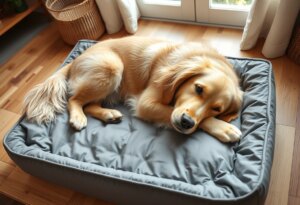


If your dog smells bad after bath, and you’re standing there confused with a still-damp towel in hand, the odor is not a shampoo problem. It’s a data problem. Persistent post-bath odor almost always points to something happening at the skin or glandular level that soap alone cannot touch, and in senior Golden Retrievers, that “something” is frequently tied to aging skin physiology, not poor hygiene on your part. Let’s look at what’s actually driving the smell, because the fix depends entirely on getting the diagnosis right first.
Why Golden Retrievers Smell the Way They Do (Even When Clean)
Golden Retrievers are a double-coated breed, meaning they carry a dense undercoat beneath a water-resistant topcoat. That structure is functional, not cosmetic. It traps moisture, insulates against temperature swings, and unfortunately, holds onto sebaceous and apocrine gland secretions far longer than a single-coated breed’s fur would. Sebaceous glands produce an oily lipid film that protects the skin barrier, while apocrine glands (the scent glands distributed across most of the body, not just the paws) release a musky secretion tied to individual scent identity. In a young, healthy dog, this combination produces the familiar “dog smell” that most owners consider normal background odor.
In senior dogs, the picture shifts. Hormonal changes associated with aging, along with a measurable decline in self-grooming frequency and flexibility, allow sebum to accumulate rather than get redistributed and shed the way it would in a younger, more mobile animal. Older dogs also groom themselves less efficiently simply because reaching certain body regions becomes physically harder with joint stiffness. The result is a coat that traps more oil, more debris, and more microbial byproducts between baths, and sometimes even during the days immediately following one, if the coat wasn’t dried correctly. This is one of several reasons senior dog grooming protocols need to differ meaningfully from what worked for the same dog at age three.
Differential Diagnosis: Normal Dog Smell vs. Pathological Odor
Before adjusting a bathing routine, it helps to rule out the possibility that something medical is generating the odor. Clinical data from Bond Vet in 2023 indicated that seborrhea affects an estimated 65% of allergy-prone dogs, producing a distinct musty or greasy odor that returns within a day or two of bathing regardless of shampoo quality. Separately, AVMA data from 2022 puts the prevalence of otitis externa (ear canal inflammation and infection) at up to 20% in senior dogs, a condition that produces a yeasty or sour smell localized to the head that owners often misattribute to full-body odor.
Distinguishing between these categories matters because the treatment pathways diverge sharply:
- Normal sebum buildup: Odor is mild, coat feels slightly greasy, no redness or scratching present.
- Seborrhea: Odor is musty or rancid, flaking or greasy patches visible, often worse along the back and tail base.
- Otitis externa: Odor concentrated near the head, dog shakes head or scratches ears, possible discharge visible in the canal.
- Anal gland impaction: Sharp, fishy odor, dog scoots or licks at the rear, may be intermittent.
The data is contradictory on how much of this is breed-specific versus simply age-related, since Golden Retrievers also carry elevated genetic risk for allergic skin disease independent of age. Don’t count on a single bath, or even a change of shampoo brand, to resolve odor that’s rooted in one of these conditions. That requires a diagnosis, not a grooming adjustment.

Behavioral and Husbandry Factors Behind the Smell
Some odor sources are behavioral rather than pathological, and understanding the underlying motivation helps owners respond without frustration. Rolling in grass, dirt, or (less pleasantly) in other animals’ waste is a normal scent-marking and olfactory investigation behavior rooted in canine ethology. Dogs gather environmental scent information through their bodies the way we might visually scan a room, and rolling is one expression of that instinct. It is not misbehavior, and punishing it does little except add stress without changing the underlying drive.
Husbandry factors matter just as much. Inadequate coat drying after a bath is one of the most common and most overlooked causes of persistent post-bath odor. A double coat that stays damp at the skin level for hours creates a warm, moist microenvironment that favors bacterial and yeast proliferation, specifically Malassezia and Staphylococcus species that are already present on normal canine skin in small numbers. Left damp, those populations expand quickly, and the byproduct of that expansion is often a sour or musty smell that appears within 24 to 48 hours of a bath that seemed to go fine at the time.
Diet also plays a quieter role in older dogs. Age-related shifts in fat metabolism and skin barrier function can change the composition of sebum, making it more prone to oxidation and odor development. This is one of the areas where senior dog grooming and senior dog nutrition planning genuinely overlap, and owners managing a dog with other age-related conditions may find it useful to also review how aging affects mixed-breed dogs like Goberians for a broader sense of what physiological changes to expect across the senior years.
Evidence-Based Fixes That Actually Address the Root Cause
Once medical causes have been ruled out or are being separately treated, the following protocol addresses the husbandry and physiological drivers directly.
1. Structured Bathing Protocol
Bathing frequency for senior Golden Retrievers should generally fall between every four to six weeks, though dogs with diagnosed skin conditions may need a medicated shampoo schedule set by a veterinarian. Overbathing strips the lipid barrier and can paradoxically increase odor by triggering compensatory sebum production. Use a pH-balanced canine shampoo (canine skin runs closer to neutral to slightly alkaline, unlike human skin), and always follow with a thorough rinse, since residual shampoo is itself a common odor and irritation source.

2. Coat Drying Technique
Towel dry first to remove bulk moisture, then use a cool or low-heat dryer while lifting the undercoat with a slicker brush or comb in sections. The goal is to get airflow down to the skin, not just across the surface of the topcoat. Skipping this step is, functionally, the single most correctable cause of lingering post-bath odor in double-coated breeds. Products like the Wahl Deodorizing & Refreshing Pet Shampoo can help manage odor between full baths, particularly for dogs prone to sebum buildup, though it should never substitute for proper drying technique.

- Product 1: Made in the USA – Our eucalyptus & spearmint plant derived pet deodorant is pH balanced, alcohol free and par…
- Product 1: Deodorizing & Refreshing Formula – This eucalyptus & spearmint scented animal deodorant is great for deodoriz…
- Product 1: Quick & Easy – Simply spray our doggie deodorant on any pet that needs a refresh between baths, and it will h…
3. Dental and Ear Hygiene Checkpoints
Periodontal disease is a frequently overlooked odor source in senior dogs, and it has nothing to do with coat care. A weekly ear check (looking for redness, discharge, or a yeasty smell) and consistent dental hygiene should be built into the same routine as bathing, not treated as separate errands.
4. Omega-3 Fatty Acid Supplementation
Omega-3 fatty acids, particularly EPA and DHA sourced from fish oil, have documented efficacy in supporting skin barrier function and reducing inflammatory skin conditions that contribute to odor. Veterinary dermatology research has consistently shown improved coat quality and reduced transepidermal water loss in dogs supplemented over an eight to twelve week period. This is not an overnight fix, but it addresses the skin biology directly rather than masking the symptom.
Odor in an aging dog is rarely a hygiene failure on the owner’s part. It’s a physiological signal, and the job is to figure out what it’s signaling before reaching for a stronger shampoo.
Comparing Odor-Management Tools for Senior Golden Retrievers
The table below compares common approaches by function, effort level, and Price Tier, since exact pricing is not something we display here in keeping with Amazon Associates policy.
| Product/Approach | Best For | Effort Level | Price Tier |
|---|---|---|---|
| Wahl Deodorizing & Refreshing Pet Shampoo | Between-bath odor control, mild sebum buildup | Low | $ |
| Omega-3 Fatty Acid Supplement | Underlying skin barrier support, long-term odor reduction | Low (daily routine) | $$ |
| Veterinary Medicated Shampoo (Rx) | Diagnosed seborrhea or Malassezia dermatitis | Moderate | $$$ |
| Professional Grooming Session (Deshedding + Dry) | Thorough double-coat drying, senior dogs with mobility limits | Low (outsourced) | $$$$ |
When to Escalate to a Veterinarian
Grooming adjustments resolve husbandry-related odor, but they will not resolve a medical condition, and continuing to bathe a dog with an active infection can actually worsen skin barrier damage. Use the following checklist objectively:
- Odor returns within 24 to 48 hours of every bath, regardless of shampoo used
- Visible redness, flaking, greasy patches, or hair loss accompanies the smell
- Head shaking, ear scratching, or visible ear discharge is present (possible otitis externa)
- Scooting, licking at the rear, or a sharp fishy odor (possible anal gland impaction)
- Unexplained weight gain, lethargy, or coat thinning alongside the odor (possible thyroid dysfunction, since hypothyroidism is common in aging Golden Retrievers and directly affects skin and coat quality)
If two or more of these are present, the appropriate next step is a veterinary dermatology workup rather than a new grooming product. According to the American Veterinary Medical Association, chronic skin odor unresponsive to bathing warrants investigation for underlying dermatologic or endocrine disease. This is also the point at which reviewing your dog’s coverage under one of the best pet insurance plans for older dogs with health issues becomes genuinely useful, since dermatology workups and endocrine panels are not inexpensive, and senior dogs are statistically more likely to need them.
A Note on Managing Expectations With Humor
Living with a senior dog that occasionally smells “off” despite your best efforts can be frustrating, and a little humor goes a long way in keeping perspective. Books like The Grumpy Old Man Moves In capture the particular comedy of life with an aging, occasionally stinky, always opinionated senior dog, and can be a nice reminder that you’re not the only owner navigating this.

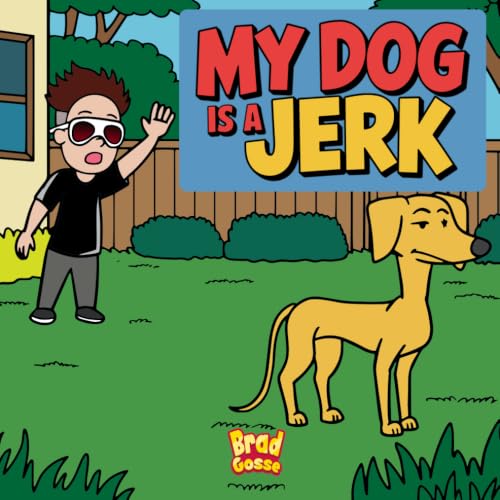
For the owners who’ve earned their stripes dealing with a particularly stubborn, food-obsessed, or odor-prone senior dog, My Dog is a Jerk makes for a genuinely funny gift, and sometimes a laugh is the best coping tool while you work through a behavior or hygiene issue methodically.
Key Takeaways
- A dog smells bad after bath most often due to incomplete drying, sebum buildup, or an underlying skin condition, not soap choice
- Golden retriever odor tends to intensify with age due to hormonal shifts and reduced self-grooming efficiency
- Dog skin odor causes range from normal sebaceous activity to seborrhea, otitis externa, and anal gland impaction
- Senior dog grooming should include ear checks, dental hygiene, and omega-3 supplementation alongside bathing
- Escalate to a veterinarian if odor returns within 48 hours of every bath or is accompanied by redness, scratching, or lethargy
FAQ: Golden Retriever Odor and Senior Dog Grooming
Why does my dog smell bad after bath even with a good shampoo?
In most cases, a dog smells bad after bath because the undercoat wasn’t fully dried, leaving a warm, moist environment that allows bacteria and yeast already present on the skin to multiply quickly. It can also indicate an underlying condition like seborrhea, which produces odor that returns within a day or two regardless of shampoo quality.
Is Golden Retriever odor worse in senior dogs?
Yes, golden retriever odor often intensifies with age because hormonal changes increase sebum production while reduced mobility limits how effectively an older dog can self-groom and redistribute natural oils across the coat.
What are the most common dog skin odor causes besides dirt?
Dog skin odor causes beyond surface dirt include seborrhea, otitis externa (ear infection), anal gland impaction, periodontal disease, and hormonal conditions like hypothyroidism, all of which are more prevalent in senior dogs than in younger ones.
How often should senior dog grooming include a full bath?
Senior dog grooming for most Golden Retrievers should include a full bath every four to six weeks, with thorough drying at each session, though dogs with a diagnosed skin condition may need a different schedule set by their veterinarian.