Goberian puppy health screening is not optional due diligence, it is a functional risk assessment you run before an animal becomes a permanent member of your household. As a behaviorist, I evaluate temperament and welfare outcomes together, and the data is consistent: undiagnosed orthopedic and metabolic disease is one of the leading predictors of chronic pain-driven behavior problems in adult dogs. A Goberian, the cross between a Golden Retriever and a Siberian Husky, inherits a specific set of breed-linked vulnerabilities from both parent lines. Requesting documentation before you commit money is the single most effective intervention available to you, and it costs nothing but a conversation with the breeder.
Why Pre-Purchase Screening Matters for a Goberian
Golden Retrievers carry a hip dysplasia incidence of roughly 20 percent according to OFA.org registry statistics from 2023, and that figure isn’t a rounding error. It reflects a polygenic trait shaped by growth rate, nutrition, and inherited joint conformation. Siberian Huskies contribute their own liabilities, including a documented carrier rate for progressive retinal atrophy near 10 percent based on UC Davis Veterinary Genetics Laboratory panel data. When you combine two breeds with independent, non-overlapping genetic risks, you don’t get dilution. You get an additive risk profile. This is a common misconception among buyers who assume crossbred dogs are automatically healthier through “hybrid vigor.” The data doesn’t support that assumption uniformly. Hybrid vigor applies to certain traits, but recessive conditions carried by both parent breeds can still surface in the offspring if neither parent was screened.
Reputable breeders test for a reason: the results change breeding decisions and they change buyer expectations. If you’re also comparing this cross against other working-line hybrids, it helps to look at how the Goberian compares to a Shepsky for family placement, since activity level and health predispositions differ meaningfully between the two.
Goberian Puppy Health Test #1: PennHIP or OFA Hip and Elbow Evaluation
Ask for radiographic evidence, not verbal reassurance. PennHIP evaluation measures joint laxity using a distraction index and can be performed on dogs as young as 16 weeks, while OFA hip certification typically requires the dog to be 24 months or older for a final rating. Ideally, you want to see PennHIP or preliminary OFA results on both the sire and the dam, not just one parent. A single clear hip evaluation does not clear the litter. Elbow dysplasia screening should accompany hip films, since elbow incongruity is under-tested industry-wide despite affecting mobility just as severely later in life.
Functionally, this matters because a dog carrying subclinical joint laxity at eight weeks shows no outward signs. Owners frequently misread early discomfort as “laziness” or a training issue, when the underlying driver is orthopedic pain. This is a documented behavioral confound: pain suppresses play behavior and increases irritability around handling, and it is frequently misattributed to temperament rather than physiology.
Goberian Puppy Health Test #2: CERF/OFA Eye Examination for PRA
Progressive retinal atrophy is a degenerative condition with no treatment, and it is inherited as an autosomal recessive trait in most lines carrying it. That means two carrier parents, each showing zero clinical signs, can still produce affected puppies. A CERF (Companion Animal Eye Registry) or current OFA eye certification, performed annually by a board-certified veterinary ophthalmologist, is the only reliable way to rule this out prospectively. Ask specifically whether the breeder has run a DNA-based PRA panel in addition to the clinical eye exam, since the genetic test identifies carrier status even in dogs that will never show symptoms themselves.
Vision loss in dogs is gradual and dogs compensate remarkably well using scent and spatial memory, which means many owners don’t notice anything is wrong until the disease is advanced. From a behavioral standpoint, early-onset vision changes can produce increased startle responses, hesitancy on stairs, or reluctance to enter dim rooms, symptoms that get misdiagnosed as anxiety when the actual driver is sensory decline.
Goberian Puppy Health Test #3: Cardiac Auscultation and Echocardiogram
Subvalvular aortic stenosis (SAS) is a congenital heart defect documented in Golden Retriever lines, and it ranges from mild murmurs with no functional impact to severe obstruction that shortens lifespan significantly. A basic cardiac auscultation by a general practice veterinarian can catch a murmur, but grading its severity requires a board-certified veterinary cardiologist and an echocardiogram. Ask the breeder for cardiology clearance on both parents, not just a note that says “heart sounded fine at the last checkup.”
This test matters more than most buyers realize because moderate to severe SAS can present behaviorally as exercise intolerance, which owners often try to correct with more structured exercise or training, inadvertently worsening the underlying cardiac strain. Don’t count on symptoms alone to flag this. Dogs with congenital heart defects frequently show no outward signs until the disease has progressed substantially.
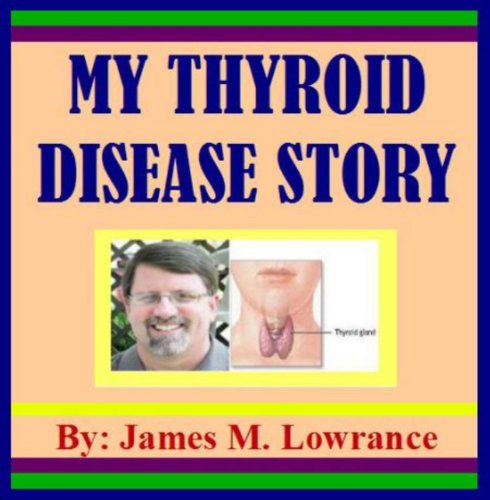
For owners managing a dog through a diagnosed chronic condition later in life, understanding the disease trajectory in accessible language matters. Books written from a patient or caregiver perspective, such as My Thyroid Disease Story, can help translate clinical terminology into a narrative that’s easier to process emotionally while you work through a treatment plan with your veterinarian.
Goberian Puppy Health Tests #4 and #5: Degenerative Myelopathy DNA Panel and Thyroid Panel
Degenerative myelopathy (DM) is a late-onset neurological disease caused by a mutation in the SOD1 gene, and it is detectable through a simple cheek swab or blood-based DNA panel. It typically doesn’t manifest until seven years of age or later, which is exactly why testing at the breeding stage matters. You cannot wait for symptoms to appear in the puppy you’re buying today; the only leverage you have is testing the parents before conception or the litter before purchase. Ask the breeder for the DM genetic status of both parents: clear, carrier, or at-risk.
Autoimmune thyroiditis is the second test in this pair, and it’s a significant one. Research out of Michigan State University has found that autoimmune thyroiditis affects up to 50 percent of tested Golden Retriever lines, making it one of the most under-recognized inherited conditions in the breed. A thyroid panel through OFA’s thyroid registry, ideally repeated annually on breeding dogs, screens for thyroglobulin autoantibodies before clinical hypothyroidism develops. Undiagnosed hypothyroidism in adult dogs is linked in multiple studies to lowered stress thresholds, increased reactivity, and in some documented cases, sudden-onset aggression that resolves after treatment. This is a case where a metabolic disease masquerades convincingly as a temperament problem, and no amount of behavior modification will resolve it if the thyroid panel was never run.
The data is contradictory on how much “hybrid vigor” actually protects designer breeds from inherited disease, and pet parents should not assume a crossbred dog is automatically lower risk. Genetic screening of both parent lines remains the only objective safeguard, regardless of how healthy a puppy appears at eight weeks old.
Comparing the 5 Goberian Puppy Health Tests at a Glance
The table below summarizes what each screening evaluates, the typical testing age, and a general Price Tier range for out-of-pocket cost if you’re arranging testing yourself on an adult dog you already own, rather than relying on breeder-provided documentation.

| Test | What It Screens For | Typical Testing Age | Price Tier |
|---|---|---|---|
| PennHIP / OFA Hip & Elbow | Hip dysplasia, elbow dysplasia, joint laxity | 16 weeks (PennHIP) / 24 months (OFA final) | $$$ |
| CERF/OFA Eye Exam + DNA Panel | Progressive retinal atrophy, other inherited eye disease | Annually starting at 8-12 weeks | $$ |
| Cardiac Auscultation & Echocardiogram | Subvalvular aortic stenosis, congenital murmurs | 8 weeks screening, echo by 12 months if murmur detected | $$$$ |
| Degenerative Myelopathy DNA Panel | SOD1 gene mutation status (clear/carrier/at-risk) | Any age, cheek swab or blood draw | $ |
| Thyroid Panel (OFA Thyroid Registry) | Autoimmune thyroiditis, hypothyroidism risk | Annually from 12 months onward | $$ |
Requesting Breeder Documentation: A Practical Checklist
Goberian puppy health documentation should never be described to you verbally. Ask for the actual paperwork, and don’t accept “the vet said everything looked good” as a substitute for a registry certificate. Here is the sequence I recommend running through with any breeder:
- Request OFA or PennHIP hip and elbow certificates for both the sire and the dam, with registry numbers you can independently verify on OFA’s public database.
- Request current CERF/OFA eye clearance dated within the last 12 months, plus DNA-based PRA carrier status if available.
- Request cardiology clearance notes, specifying whether the exam was performed by a general practitioner or a board-certified cardiologist.
- Request degenerative myelopathy DNA panel results for both parents (clear, carrier, or at-risk classification).
- Request thyroid panel history for both parents, ideally showing more than one year of consecutive testing.
- Ask directly how many litters each parent has produced and whether any littermates from prior litters developed hip dysplasia, PRA, cardiac disease, DM, or hypothyroidism as adults. A breeder tracking outcomes across litters is a strong positive signal.
If a breeder cannot produce this documentation, or becomes defensive when asked, treat that as a data point rather than an accusation. Some breeders genuinely haven’t tested because they’re new to the cross and unaware of the combined risk profile, not because they’re acting in bad faith. Either way, the absence of documentation shifts risk directly onto you as the buyer. If you’re also weighing overall lifespan expectations for this cross before committing, this breakdown of Goberian life expectancy and aging milestones is a useful companion resource for setting realistic long-term care expectations.
What Happens When Testing Reveals a Problem
Finding a carrier status or a mild finding doesn’t automatically mean you should walk away. Carrier status for a recessive condition like PRA or DM means the individual dog will not develop the disease itself, provided the other parent is clear. The concern arises specifically when two carriers are bred together, producing at-risk offspring. Ask the breeder directly which category the puppy’s specific parents fall into, since carrier-to-clear pairings are functionally safe from a disease standpoint.
A confirmed mild heart murmur or preliminary hip laxity finding is a different conversation, and this is where I’d encourage buyers to request a second veterinary opinion before finalizing the purchase. For families navigating a confirmed genetic or chronic condition after purchase, resources written for caregivers navigating rare or complex diagnoses, like the Rare Diseases/Disorders in Children book series, offer a useful framework for understanding diagnostic uncertainty and long-term care planning, even though the subject matter is human medicine. The caregiving logic around monitoring, advocacy, and working with specialists translates directly to managing a dog with an inherited condition.
There is an issue displaying Amazon products. Please contact the administrator to check that.Buyers sometimes ask whether it’s worth paying a premium for a breeder who runs the full panel versus buying from a lower-cost source and testing the puppy themselves after purchase. Both paths are workable, but they carry different risk timelines. Testing after purchase means you’ve already formed an attachment to the puppy by the time results come back, which changes the emotional calculus significantly if a serious finding emerges. If budget is a genuine constraint, this is a similar dynamic to what we cover in our breakdown of red flags in low-cost Golden Retriever puppy listings, where upfront savings frequently correlate with skipped health testing further up the pedigree.
Building a Long-Term Monitoring Plan Alongside Genetic Testing
Pre-purchase Goberian puppy tests give you a baseline, not a guarantee. Hip dysplasia and thyroiditis can both develop or worsen over a dog’s lifetime even with clear parental screening, since environmental factors like growth rate, body condition, and exercise load during the first 18 months influence orthopedic outcomes substantially. I recommend owners repeat OFA hip screening at two years of age regardless of puppy-stage clearances, and repeat thyroid panels annually starting at 12 months, since autoimmune thyroiditis typically has a delayed onset in the two to five year age range.
Books that help pet parents understand the emotional and logistical realities of managing a chronic diagnosis, such as materials from the Breast Cancer Essentials book series, are written for human patients but offer a genuinely useful template for the kind of proactive symptom-tracking and specialist coordination that translates well to managing chronic canine conditions like cardiac disease or hypothyroidism over a multi-year timeline.
There is an issue displaying Amazon products. Please contact the administrator to check that.Running these five Goberian puppy health tests before you commit gives you an accurate risk profile rather than a hopeful guess. Genetic health testing doesn’t eliminate uncertainty entirely, no screening protocol does, but it converts an unknown into a manageable, documented probability. That distinction is what allows you to make an informed decision rather than a purely emotional one, and it sets realistic expectations for the mobility support, joint care, or metabolic monitoring your dog may need later in life.
What is the single most important health test to request for a Goberian puppy?
There isn’t one single test that outweighs the others, since hip dysplasia screening, eye clearance, cardiac evaluation, and the DNA and thyroid panels each catch a different inherited condition. If you have to prioritize due to limited breeder documentation, hip dysplasia screening (PennHIP or OFA) and the degenerative myelopathy DNA panel tend to carry the highest long-term mobility impact, but a complete Goberian puppy health workup ideally includes all five tests before purchase.
Can a puppy pass all genetic tests and still develop hip dysplasia later?
Yes. Hip dysplasia screening on the parents lowers the statistical risk substantially, but it doesn’t remove it entirely, since the condition is polygenic and also influenced by growth rate, nutrition, and exercise during the puppy’s first 18 months. Clear parental hip dysplasia screening reduces risk; it does not guarantee a lifetime of normal joints.
Is it normal for a breeder to charge more for a puppy from health-tested parents?
Generally, yes. Genetic health testing, cardiology referrals, and annual OFA registry submissions represent a real out-of-pocket cost to the breeder, and that cost is typically reflected in the puppy’s price as a mid-tier to premium investment rather than a budget option. A noticeably low price paired with an inability to produce documentation is a pattern worth questioning rather than dismissing.
If both Goberian parents are DNA-tested clear, does the puppy still need testing as an adult?
For conditions with a known single-gene marker, such as degenerative myelopathy or PRA, two clear parents make it genetically improbable for the puppy to be affected, so repeat DNA testing isn’t typically necessary. However, conditions like hip dysplasia, cardiac disease, and autoimmune thyroiditis are influenced by multiple genes and environmental factors, so ongoing monitoring through adulthood is still recommended even with clear parental Goberian puppy health test results.