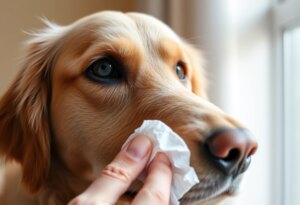
There’s a particular sound that stays with you if you’ve loved an old dog long enough. It’s the low groan when they push themselves up off the floor, the hesitation at the bottom of the porch steps, the way they look at you like they’re asking for a minute before they try. That moment right there is why so many of you have written to me asking the same question: glucosamine vs CBD, which one actually helps? I get it. When you’re watching your senior dog struggle to rise every single morning, you want an answer, not a science lecture. So let’s talk about it honestly, the way I would if you were sitting on my porch at Woody’s Place.
Here’s the truth up front: this isn’t really an either/or question. But to make a smart choice for your own dog, you need to understand what each one is actually doing inside that aging body.
How Glucosamine Works: Rebuilding the Foundation From the Inside
Glucosamine is a naturally occurring compound found in your dog’s cartilage. Think of cartilage as the cushion between bones, the padding that keeps joints gliding instead of grinding. As dogs age, that padding wears thin. It’s simple wear and tear, decades of running, jumping off the couch, chasing the mail truck. Glucosamine supplements for dogs work by supplying the raw building blocks the body needs to repair and maintain that cartilage, and they also support the production of synovial fluid, which is the natural lubricant inside the joint capsule.
This isn’t a fast fix. It’s a slow, steady rebuilding project, more like laying bricks than flipping a switch. That’s an important distinction when you’re comparing joint supplements for dogs to something like CBD.
What really convinced me to keep glucosamine in the daily rotation at the sanctuary was a landmark study published in the Journal of Veterinary Pharmacology and Therapeutics. Researchers found that glucosamine-chondroitin combinations significantly reduced arthritis pain scores in dogs over a 70 day trial period. Seventy days. That’s not overnight magic, and I want to be honest with you about that because I’ve seen too many pet parents give up on glucosamine after two weeks, convinced it “doesn’t work,” when really they just didn’t give it enough time.
Old joints don’t heal on our timeline. They heal on theirs, and our job is to be patient enough to let the process actually work.
For dogs already dealing with diagnosed arthritis, a targeted formula matters more than a basic multivitamin blend. I’ve had good experience recommending Joint Support Rabbit, 200 Tablets, Anti-Inflammatory Formula to families who want a higher tablet count so they’re not constantly reordering, especially for multi-dog households where more than one old soul needs support.

- JOINT HEALTH SUPPORT FOR RABBITS: Joint and bone issues in rabbits and guinea pig are often caused by aging, diet, inact…
- NATURAL PREMIUM INGREDIENTS: Each joint support rabbit tablet contains a blend of glucosamine, chondroitin, omega-3 fatt…
- HIGHLY DIGESTIBLE: Our joint support supplement for rabbits is high in fiber, easily digestible, and suitable for bunnie…
How CBD Works: Calming the Alarm System, Not Just the Ache
CBD operates on a completely different level of the body. It doesn’t rebuild cartilage. What it does is interact with your dog’s endocannabinoid system, a network of receptors found throughout the body that helps regulate pain signaling, inflammation, mood, and even sleep. Picture inflammation as a fire alarm that won’t stop blaring even after the smoke has cleared. CBD helps turn down the volume on that alarm so the body isn’t stuck in a constant state of inflammatory overdrive.
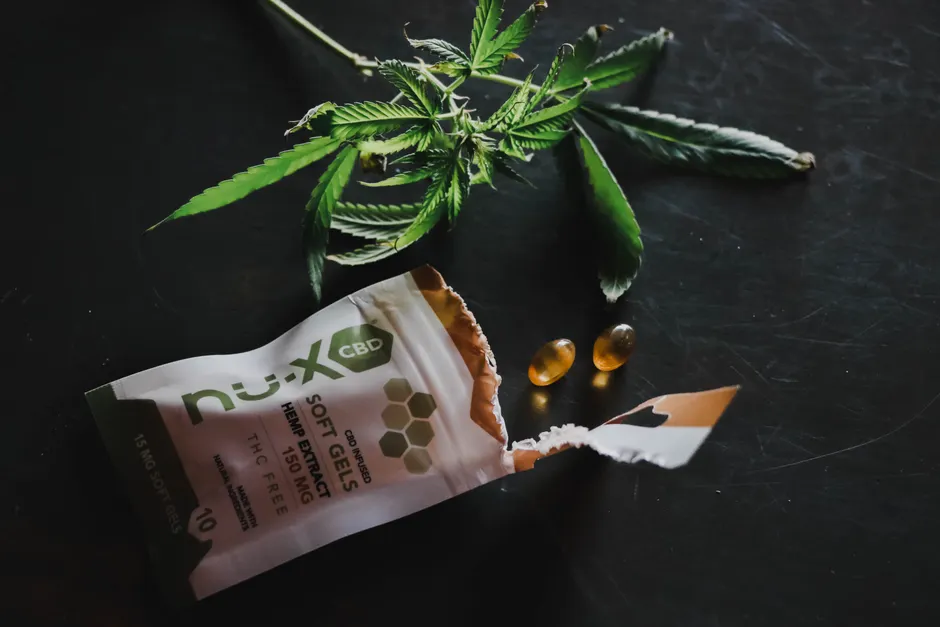
This is why some dogs feel a difference with CBD for dog arthritis within days rather than weeks. It’s addressing the pain and inflammation response directly, not the structural cause underneath it.
Cornell University ran a clinical trial in 2018 that I still reference all the time when people ask me if this stuff is legitimate or just trendy marketing. Their researchers found that dosing CBD oil at 2mg per kilogram of body weight, twice daily, significantly increased comfort and activity levels in dogs diagnosed with osteoarthritis. That’s a real university, running a real controlled trial, and getting a real measurable result. That matters to me. I don’t put anything into Woody’s or the sanctuary dogs’ bodies based on a hunch.
Topical application is another route worth knowing about, especially for dogs with a specific hot spot of pain like a hip or an elbow. I’ve used Super Natural Goods Hemp Cream with Hemp Oil on a few of our old sanctuary dogs when a particular joint flares up worse than the rest, and being able to apply it directly to the area feels different than waiting for an oral dose to circulate through the whole body.

- Cooling Topical Cream for External Body Use: A hemp-infused cream formulated with botanical ingredients and oils to prov…
- Botanical Ingredient Blend: Made with hemp seed oil, turmeric, arnica, aloe vera, and menthol to create a botanical, coo…
- Cooling Sensory Feel with Botanical Character: Delivers a cooling and refreshing sensation upon application, paired with…
If your dog’s pain is severe enough that you’re already looking at prescription options, it’s worth reading up on what actually works for anti-inflammatory medicine in dogs so you understand the full landscape of choices your vet might bring up, not just the supplement aisle.
Glucosamine vs CBD: The Real Side-by-Side Comparison
People want a simple chart, and I don’t blame them. When you’re exhausted from lifting your dog off the tile floor every morning, you don’t have energy for a research paper. So here’s the honest breakdown of glucosamine vs CBD, laid out plainly.
| Factor | Glucosamine | CBD |
|---|---|---|
| Onset Time | Slow, typically 4 to 10 weeks for full effect | Fast, often noticeable within days to two weeks |
| Primary Action | Rebuilds cartilage, supports joint fluid | Calms inflammation and pain signaling |
| Best For | Long-term joint maintenance, early to moderate arthritis | Active flare-ups, chronic pain, anxiety overlap |
| Safety Profile | Very high, minimal side effects reported | Generally safe, watch for drowsiness or mild GI upset |
| Drug Interaction Risk | Low, safe with most medications | Moderate, can affect liver enzyme metabolism of other drugs |
| Price Tier | $ | $$$ |
Notice that drug interaction row for CBD. This is not something to skip over. CBD is processed through the liver using the same enzyme pathway (cytochrome P450) that metabolizes a lot of prescription medications, including some pain relievers and seizure medications. If your senior dog is already on other prescriptions, this is a conversation to have with your vet before you start, not after.
When to Use One, the Other, or Both Together
In my experience running a sanctuary full of old German Shepherds with every kind of joint issue imaginable, I’ve landed on this general approach:

- Use glucosamine alone for dogs in the early stages of joint stiffness, or as a preventive measure for large breed seniors who haven’t shown major symptoms yet.
- Use CBD alone for a dog having a rough flare-up week, or one who also struggles with the anxiety and restlessness that so often shows up alongside calming aids for senior dogs barking at night, since CBD can address both issues at once.
- Use them together, under veterinary guidance, for moderate to advanced arthritis where you want the slow structural support of glucosamine plus the faster relief CBD provides while you wait for it to kick in.
This combined approach is genuinely why so many vets these days are comfortable recommending both. They work on completely different mechanisms, so they’re not competing with each other, they’re covering different jobs.
Don’t Forget the Foundation: General Senior Wellness Support
Joint pain rarely shows up in isolation in an aging dog. It tends to arrive alongside a slower metabolism, thinning coat, and general nutritional gaps that come with age. This is why I always tell people that joint-specific supplements work best when they’re part of a broader senior wellness plan, not a standalone fix. A quality daily multivitamin like Vita-Tabs Silver for Senior Dogs can help round out the nutritional gaps that make joint issues feel worse than they need to.

- Comprehensive Nutrition: Vita-Tabs provide a balanced blend of essential vitamins and minerals to support your dog’s ove…
- Immune System Support: Packed with antioxidants, these tabs help strengthen your dog’s immune system, promoting a robust…
- Healthy Coat and Skin: The inclusion of Omega-3 fatty acids contributes to a lustrous coat and healthy skin, ensuring yo…
According to the American Kennel Club, arthritis affects a significant portion of senior dogs, and early intervention combined with weight management tends to produce the best long-term comfort outcomes. That last part, weight management, doesn’t get talked about enough. Extra pounds on an arthritic joint is just extra strain your dog didn’t ask for.
No Supplement Replaces a Real Vet Diagnosis
I need to say this plainly because I love these old dogs too much not to. Neither glucosamine nor CBD is a substitute for actual veterinary diagnostics. Limping, stiffness, and reluctance to move can mean arthritis, sure, but they can also signal a torn ligament, a spinal issue, or something more serious like bone cancer. Please don’t guess. Get bloodwork done. Get x-rays if your vet recommends them. Then build your supplement plan around an actual diagnosis, not a hunch from a Facebook group.
Here’s a simple checklist before you start either canine joint pain relief option:
- Has your vet confirmed arthritis or another joint condition through exam or imaging?
- Is your dog currently on any other medications that could interact with CBD?
- Are you prepared to give glucosamine a full 8 to 10 week trial before judging results?
- Have you chosen a CBD product that’s third-party tested for THC content and potency?
- Is your dog’s weight, diet, and exercise routine already optimized to reduce joint strain?
If you can check most of these boxes, you’re in a solid position to move forward with confidence rather than guesswork.
Frequently Asked Questions
Can I give my senior dog glucosamine and CBD at the same time?
Yes, in most cases these two can be given together since they work through different mechanisms in the body. That said, always run it by your vet first, especially if your dog takes other medications, since CBD can affect how the liver processes certain drugs.
How long does it take to see results when comparing glucosamine vs CBD?
CBD tends to show noticeable comfort within days to two weeks, while glucosamine is a slower process, often requiring 6 to 10 weeks of consistent daily use before you see the full benefit. Patience matters more with glucosamine specifically.
Is CBD safe for older dogs with liver or kidney issues?
CBD is metabolized through the liver, so dogs with existing liver or kidney conditions need extra caution and lower starting doses under direct veterinary supervision. This is not a supplement to introduce on your own if your dog already has organ function concerns.
Which is better overall, glucosamine or CBD, for canine joint pain relief?
Neither one is universally “better.” Glucosamine is better for long-term structural joint support, while CBD is better for fast, active pain and inflammation relief. Many vets now recommend using both together for dogs with moderate to advanced arthritis.
Watching an old dog move slower isn’t a sign that your time together is running out, not necessarily. It’s just a sign they need a little more help doing the things they still love. Whether you land on glucosamine, CBD, or a thoughtful combination of both, what matters most is that you’re paying attention, and that you’re not giving up on their comfort just because aging is hard to watch. These dogs gave us their whole lives. The least we can do is give them soft mornings.
Tell your pup I said Hi! — Dawn