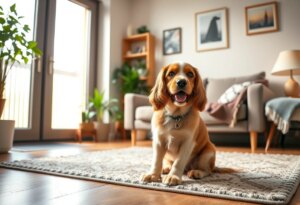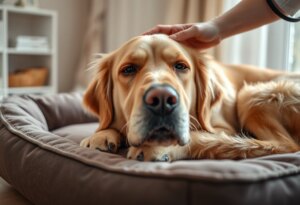

Low maintenance dogs make life easier for busy pet parents who need a breed that thrives home alone during long workdays, and honestly, that decision matters more than most people realize before they bring a puppy home. I’ve spent years around dogs of every temperament at the sanctuary, and I can tell you the mismatch between a dog’s needs and a person’s schedule is one of the quiet heartbreaks I see over and over. A 2020 study published in Applied Animal Behaviour Science found that somewhere between 20 and 40 percent of dogs show signs of separation-related distress. That’s not a small number. That’s nearly half of the dogs in some homes pacing, whining, or chewing through doorframes while their people are at work, feeling helpless and guilty about it.
So let’s talk honestly about which breeds tend to handle solitude with more grace, and which setup choices actually make a difference. This isn’t about picking a dog because it’s “easy.” Every dog deserves attention and love. But some temperaments are simply built for a quieter, more self-contained rhythm, and knowing that upfront can save both you and your future dog a lot of unnecessary stress.
Why Breed Choice Matters When You’re Gone Most of the Day
I get asked this question a lot: “What dog breed can be left alone all day?” And I always pause before answering, because the real answer is layered. Genetics load the gun, but environment and training pull the trigger. Still, some breeds carry temperaments that make alone time genuinely tolerable for them, not just survivable.
Low maintenance dogs aren’t lazy or unloving. They’re just wired with a lower need for constant engagement, less anxiety around separation, and often a more independent streak that goes back centuries in their breeding history. Choosing one of these breeds doesn’t erase your responsibility as a pet parent. It just means you’re starting from a foundation that’s a little more forgiving of a nine-to-five schedule.
Independence in a dog isn’t the absence of love. It’s a different way of expressing trust. A dog who can rest peacefully while you’re gone is telling you something beautiful: that your home feels safe even in your absence.
The Core Traits That Make a Dog Easier to Leave Home Alone
Before we get to specific breeds, it helps to understand what actually makes a dog well-suited to solo hours. I look for four things, and I’d encourage you to do the same:
- Calm baseline temperament: Dogs who settle easily and don’t startle at every sound tend to rest better when alone.
- Lower exercise demands: A dog bred for bursts of activity followed by long rest periods (think sighthounds) often does better solo than a working breed bred for all-day tasks.
- Minimal grooming needs: Less about alone time directly, but it reduces the overall caretaking load on a busy schedule.
- Independent nature: Breeds historically used for solitary work (guarding, hunting alone, or companionship without constant handler contact) often carry that self-sufficiency into modern life.
None of these traits guarantee a stress-free dog. Training, early socialization, and a thoughtful home setup still carry enormous weight. But starting with the right temperament stacks the odds in your favor.

7 Low Maintenance Dog Breeds That Handle Alone Time Well
Here are seven breeds that, according to temperament patterns documented by the American Kennel Club, tend to do reasonably well with extended solo hours. I’ll be honest about the tradeoffs too, because no breed is perfect for every home.
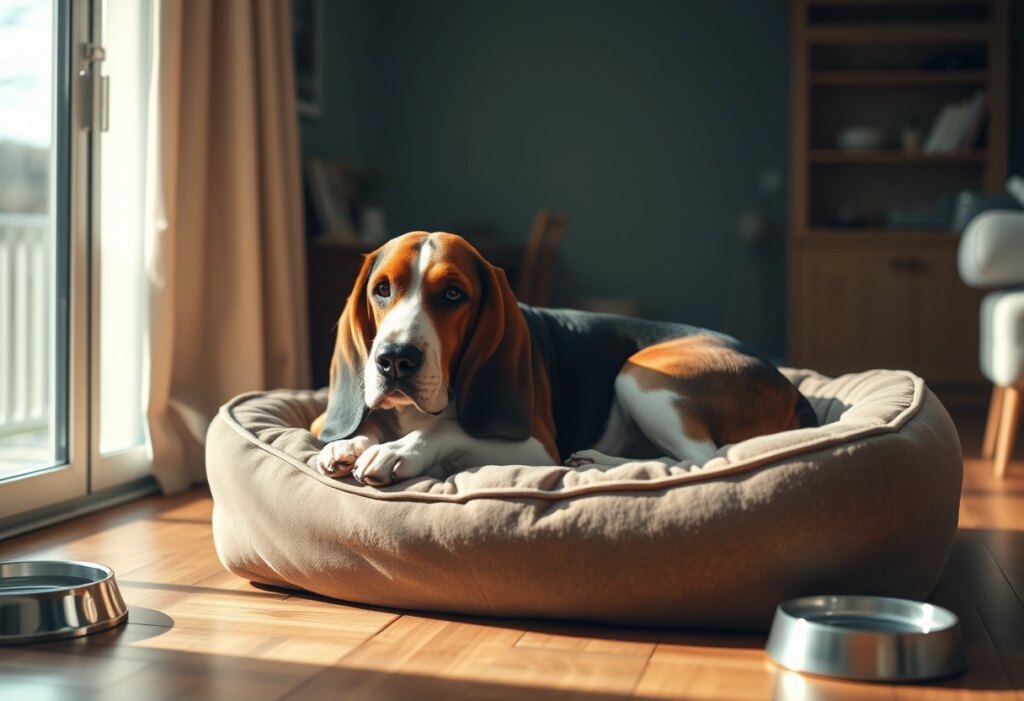
1. Basset Hound
Bassets are famously mellow. They were bred to trail scent at a slow, steady pace, not to sprint or problem-solve constantly. That laid-back energy translates well into long naps on the couch while you’re at work. The tradeoff? Stubbornness during training and a tendency toward weight gain if their food is unmonitored during idle hours.
2. Greyhound
People assume racing dogs need constant activity, but retired Greyhounds are some of the calmest couch companions you’ll ever meet. Once their short burst of zoomies is out of their system, they’re happy to sleep 18 hours a day. Thin skin and low body fat mean they get cold easily, so a warm resting spot matters.
3. Shiba Inu
Shibas carry a cat-like independence that’s almost startling if you’re used to needier breeds. They’re clean, self-grooming, and content entertaining themselves. That same independence can look like stubbornness, so early socialization is non-negotiable.
4. Chihuahua
Small in size, but not always small in attachment. Chihuahuas can actually bond intensely to one person, so this one comes with an asterisk. The right Chihuahua, raised with confidence and gradual alone-time exposure, does fine solo. The wrong setup, and you’ll have a velcro dog who panics the moment the door closes.
5. French Bulldog
Frenchies are low energy and low exercise, which makes them appealing for apartment dwellers with long work hours. But they’re also brachycephalic, meaning heat and humidity can be dangerous for them. If you’re leaving one home alone in warmer months, climate control isn’t optional, it’s essential.

6. Akita
Akitas were bred as guardian dogs, which gives them a naturally composed, watchful independence. They’re not needy in the way some companion breeds are. But they’re also large, strong-willed, and need an experienced handler who understands their protective instincts from puppyhood.
7. Basenji
Often called the “barkless dog,” Basenjis are quiet, fastidious, and famously cat-like in their self-reliance. They groom themselves, they don’t crave constant validation, and they tend to settle into a routine of quiet rest during the day. Their independent streak means recall training takes patience.
Setting Up Your Home for Successful Alone Time
Picking one of these independent dog breeds is only half the equation. The other half is building an environment that supports calm, safe solitude. This matters just as much for a young Basenji as it does for an aging dog who’s spent years adjusting to a household’s rhythm, something I think about constantly with the seniors at the sanctuary.
Enrichment That Actually Works
- Puzzle feeders or slow feeders to extend mealtime engagement
- Frozen stuffed toys that take real effort to work through
- Background noise (a TV or radio left on low) to soften the silence
- Rotating toys so nothing gets boring from overexposure
Comfort and Safety Basics
Temperature control matters more than people think, especially for flat-faced breeds or dogs with thin coats. A Dog Cooling Mat for Dogs gives your pup a place to stretch out and self-regulate their body temperature during warm afternoons when you’re not home to adjust the thermostat or check on them.

- Super Absorbent & Leak-Proof: Engineered with a multi-layer core, our washable pee pads for dogs instantly absorb and lo…
- Non-Slip Backing: Say goodbye to messy, shifting dog pee pads. The non-slip backing keeps the puppy pee pads firmly in p…
- Designed For Senior Dogs & Incontinence Care: Unlike disposable pads you throw away daily, these reusable pee pads are b…
If your dog has favorite resting spots on the furniture, protecting that space also protects your sanity. A Smiry Waterproof Couch Cover for Dogs keeps accidents, drool, and shedding from turning into a bigger mess than it needs to be, which matters a lot when nobody’s home to catch a problem early.
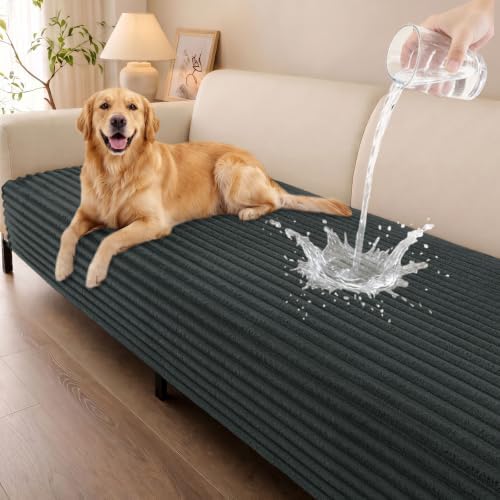
- Plush Flannel Surface: Enhance your family’s seating experience with our plush couch covers for dogs. Crafted from quali…
- Blocks Spills & Moisture: Built with active pets in mind, this waterproof pet couch cover features an inner TPU membrane…
- Stays Securely in Place: The reverse side of this sofa cover features non slip backing designed to grip your furniture. …
Bathroom Access for Longer Stretches
For dogs without a yard, or for households where a midday break just isn’t realistic, having an indoor or patio potty solution changes everything. Artificial Grass Turf laid out on a balcony or in a designated indoor spot gives dogs a familiar, grass-like surface to relieve themselves comfortably, which reduces stress for both of you when the workday runs long.

- 【Premium Quality】- Artificial grass (0.8″ high pile) made of high quality synthetic material, superior resilience and du…
- 【Low Maintenance】- Rubber backed with drainage hole, easy to clean and can be dry quickly, so that even as the kids play…
- 【Easy Installation】- Made to withstand all weather conditions, this turf rug can also be cut to desired size or shape wi…
Comparing the 7 Breeds at a Glance
Here’s a quick side-by-side look at how these easy care dog breeds stack up on the traits that matter most for solo hours.
| Breed | Energy Level | Independence | Grooming Needs | Best Suited For | Price Tier (Typical Gear/Upkeep) |
|---|---|---|---|---|---|
| Basset Hound | Low | Moderate | Low | Calm households, single-story homes | $$ |
| Greyhound | Low (after brief bursts) | High | Very Low | Couch-loving, cold-sensitive owners | $$$ |
| Shiba Inu | Moderate | Very High | Low | Experienced owners, apartment life | $$ |
| Chihuahua | Low to Moderate | Variable | Low | Gradual training, small spaces | $ |
| French Bulldog | Low | Moderate | Low | Climate-controlled homes | $$$ |
| Akita | Moderate | High | Moderate | Experienced handlers, larger homes | $$$$ |
| Basenji | Moderate | Very High | Very Low | Quiet homes, patient trainers | $$ |
Recognizing When Independence Isn’t Enough
Even the most independent dog breeds can develop separation anxiety if the transition into alone time happens too fast, or if their early life experiences left them insecure. This is where I get a little fierce, because I’ve seen too many good dogs labeled “difficult” when really, they were just never taught that alone time is safe.
Watch for these warning signs:
- Destructive chewing focused specifically on doors, windows, or exit points
- Excessive drooling, panting, or pacing before you even leave
- Howling or barking that starts right as you walk out the door
- Accidents in the house despite being fully house-trained
- Self-injury from attempts to escape a crate or room
If you’re seeing these signs, please don’t just tough it out and hope it improves on its own. That rarely happens without intervention. A certified behaviorist or your veterinarian can help you build a gradual desensitization plan, and in some cases, medication support is genuinely appropriate, not a failure on your part or your dog’s.
This matters even more as dogs age. A dog who tolerated alone time fine for years can develop new anxiety later in life due to cognitive decline, vision loss, or joint pain that makes an empty house feel less secure than it used to. If you’re navigating the later years with a senior dog, it also helps to understand the realistic costs and care demands that come with aging, because the calculus of leaving them alone can shift as their needs change.
Frequently Asked Questions
What dog breed can be left alone all day without issues?
No breed is guaranteed to be completely free of separation-related stress, but breeds like Greyhounds, Basenjis, and Shiba Inus tend to have naturally calmer, more independent temperaments that make long alone periods more manageable. Success still depends heavily on training, enrichment, and a gradual introduction to solo time.
How many hours is too long to leave a dog home alone?
Most veterinarians recommend no more than 6 to 8 hours for adult dogs, and even less for puppies or senior dogs with bladder or joint limitations. Even low maintenance dogs benefit from a midday break, whether it’s a dog walker, a neighbor, or a doggy daycare visit.
Are low maintenance dogs less affectionate?
Not at all. Independence and affection aren’t opposites. Many low maintenance dogs simply express love in quieter ways, like choosing to rest near you rather than demanding constant physical contact. Their bond runs just as deep, it just looks different day to day.
Can training turn a needy breed into one that tolerates alone time?
Yes, in many cases. Gradual desensitization, starting with very short absences and slowly building duration, can help even naturally clingy breeds adjust to solo time. It takes patience and consistency, and for some dogs, professional guidance from a certified behaviorist makes the process smoother and faster.
Choosing the right dog for your lifestyle is a form of respect, both for the life you’re bringing into your home and for the years you’re committing to give them. Whether you land on a Basenji’s quiet self-reliance or a Basset’s slow, steady calm, remember that even the most low maintenance dogs still need your presence, your patience, and your consistency to feel truly safe. That’s the sacred trust we take on the moment we bring them home.
Tell your pup I said Hi! — Dawn